
Is Your Guinea Pig Sneezing Or Struggling To Breathe? Talk to a Vet Online Now
Nasal discharge, sneezing, noisy breathing, lethargy, laboured respiration or loss of appetite indicate a serious respiratory infection. With an online vet appointment on Conbun, you can prevent severe respiratory distress, pneumonia and other life-threatening complications.
Consult Now
Types Of Respiratory Infections In Guinea Pigs
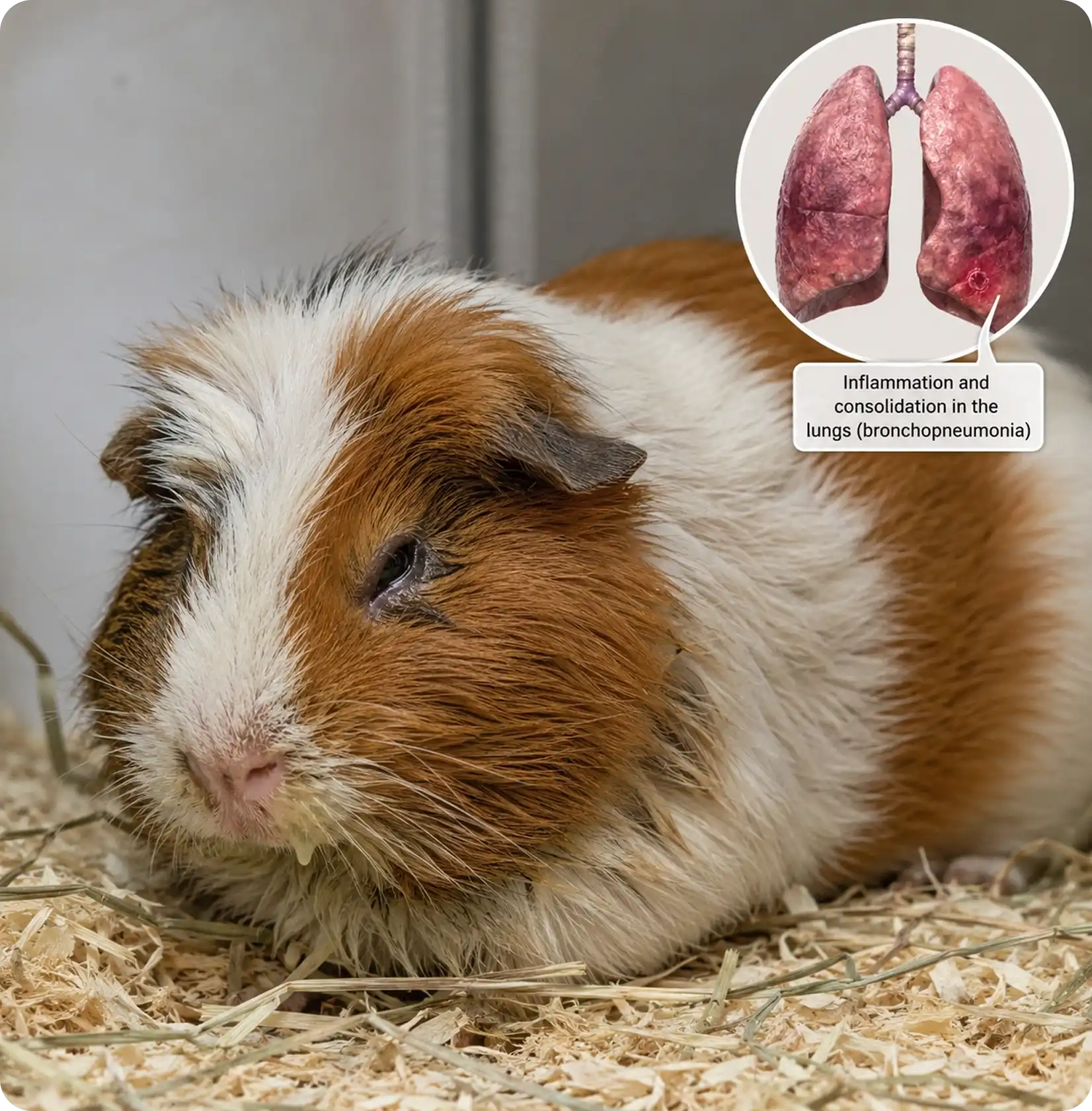
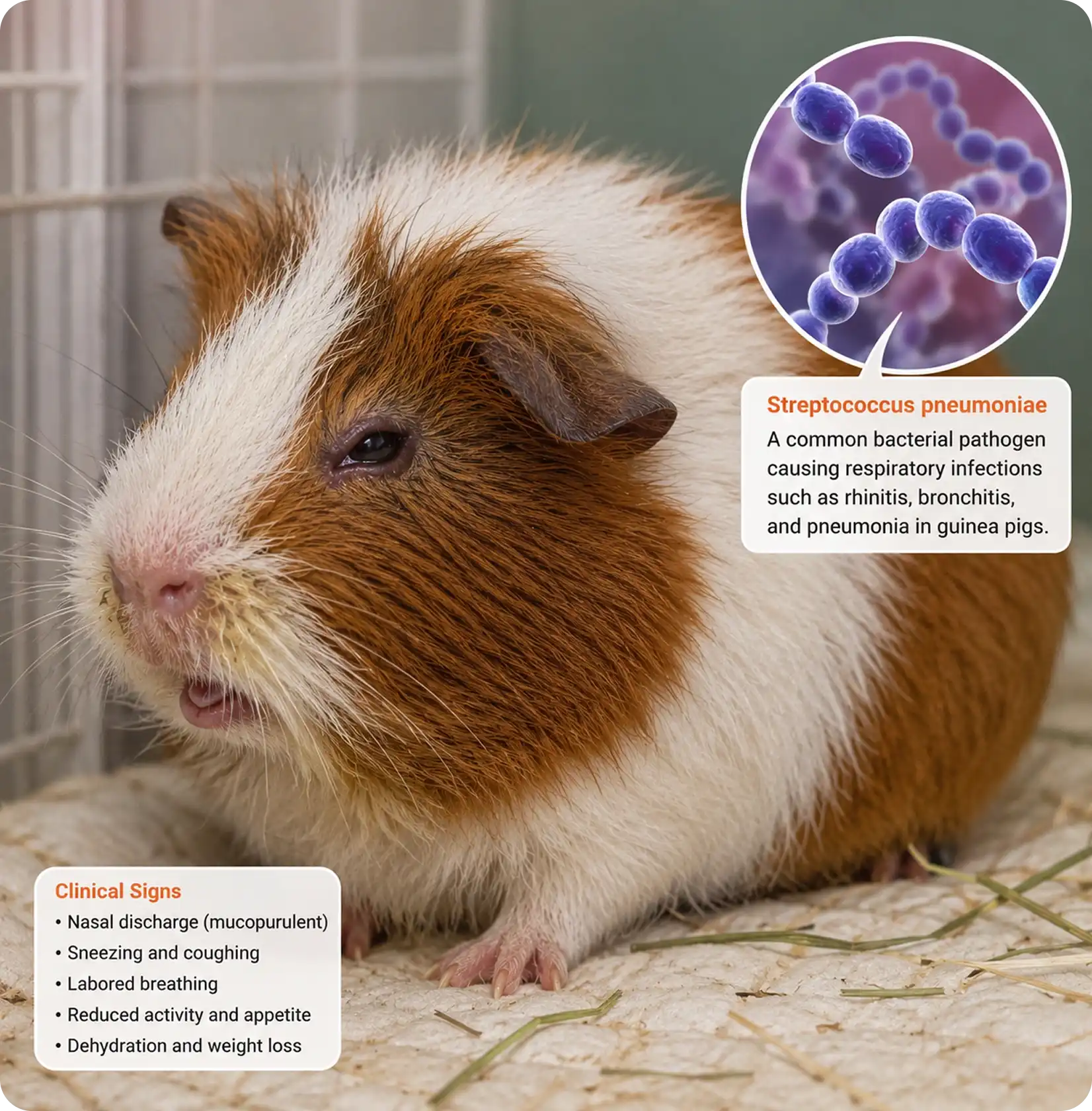
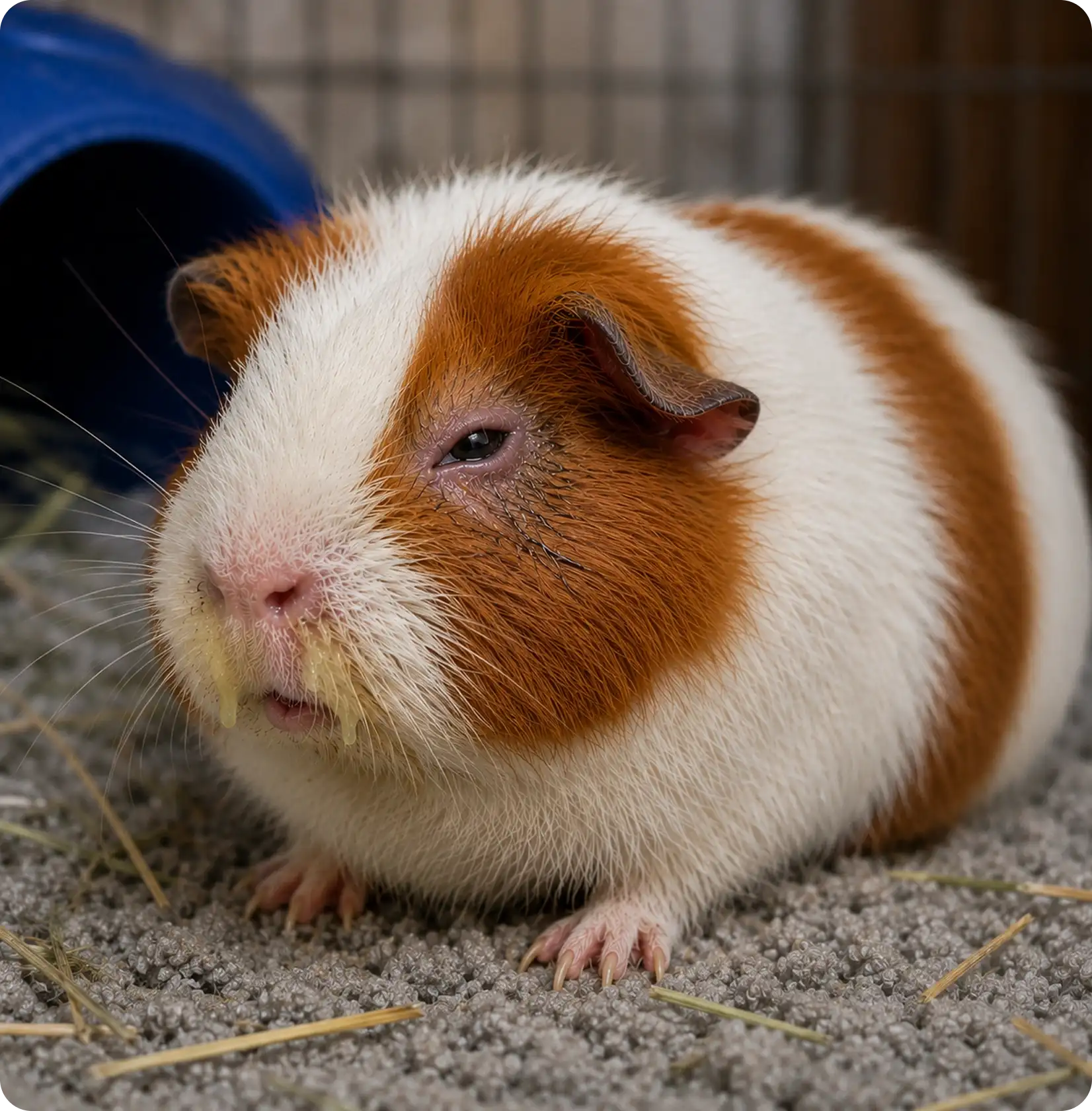
Common Signs of Respiratory Infections in Guinea Pigs

Sneezing and Frequent Nasal Discharge
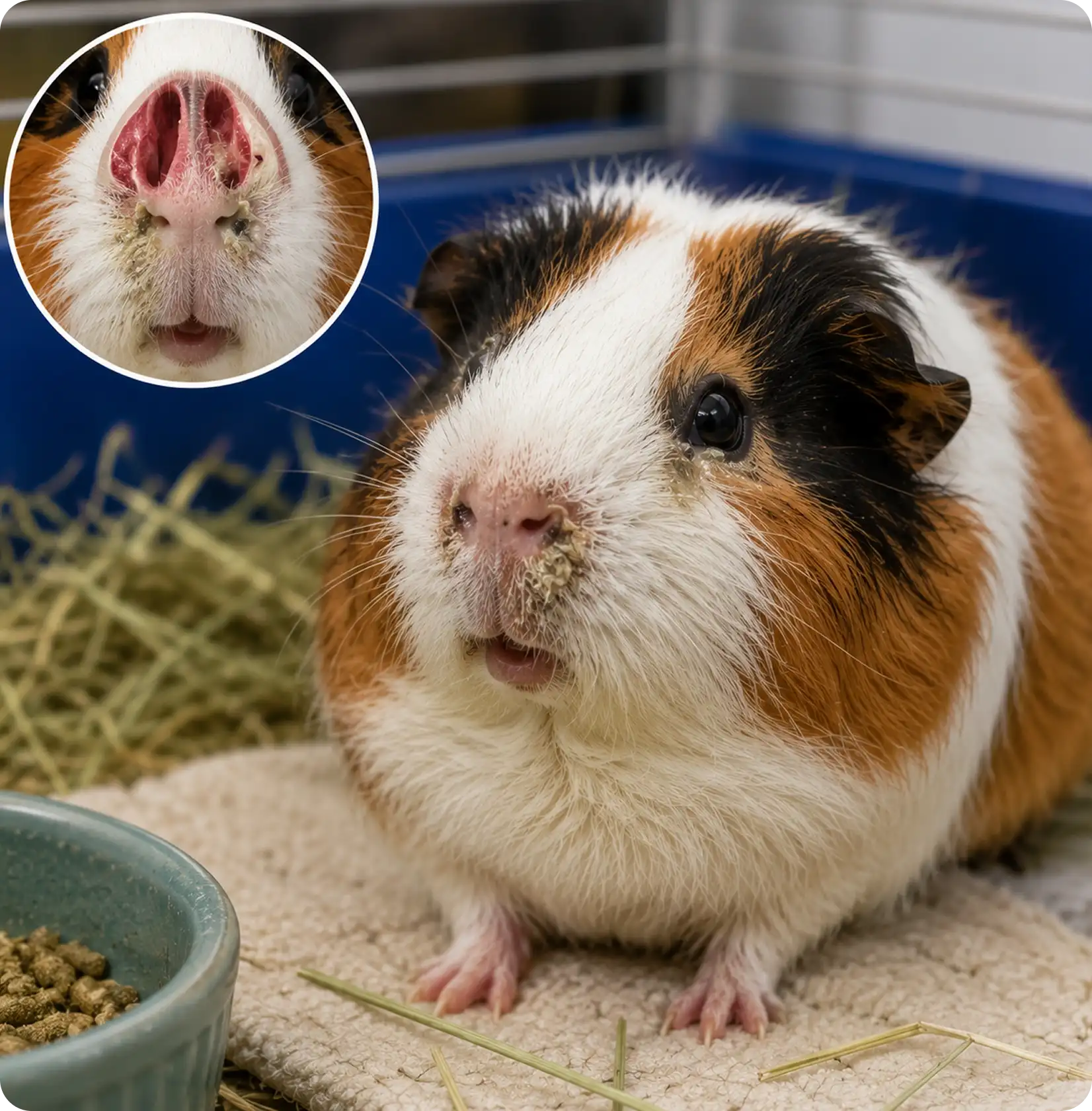
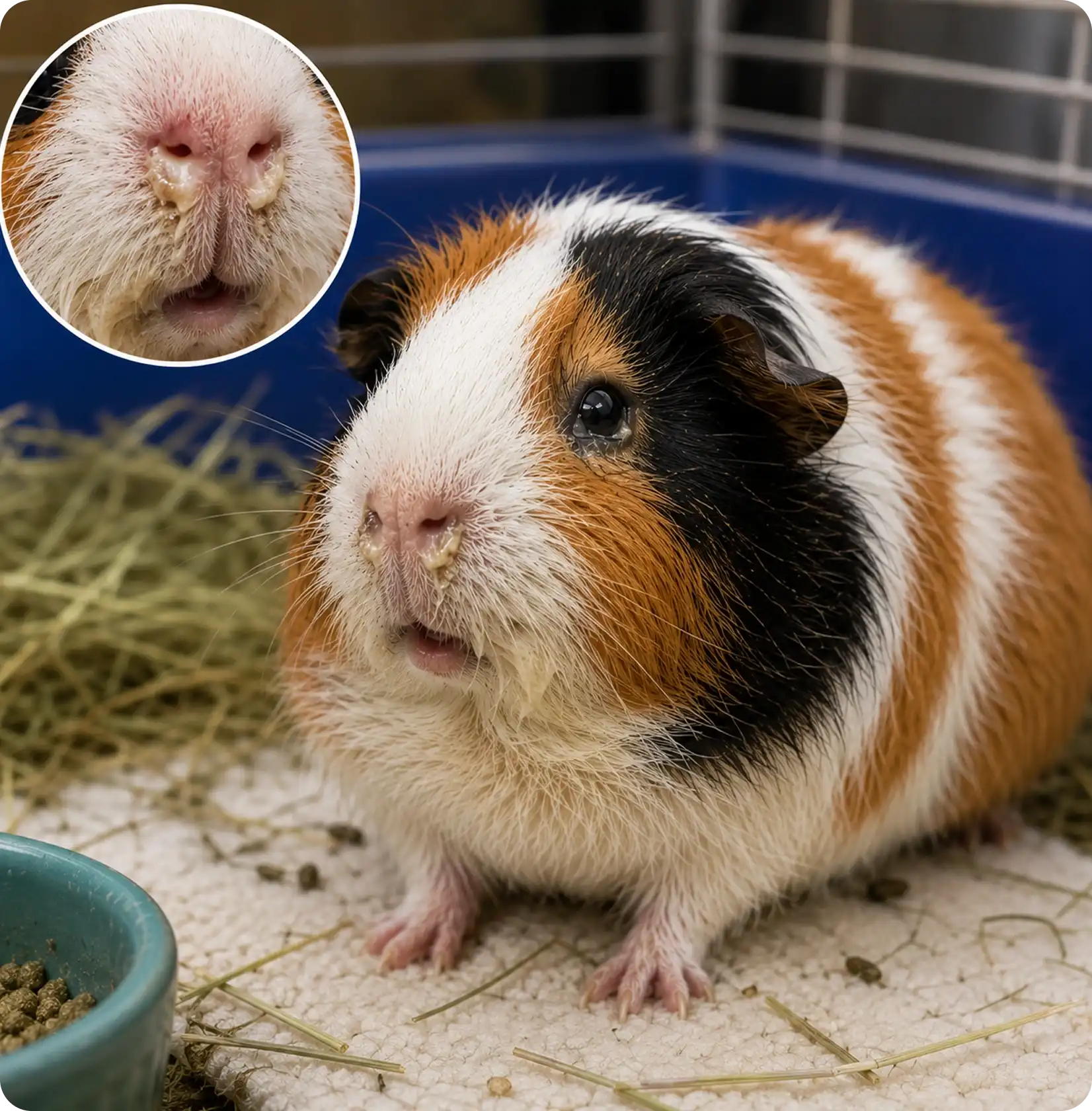
Constant sneezing with mucopurulent nasal discharge is a common sign of upper respiratory tract infection or rhinitis.

Laboured or Rapid Breathing
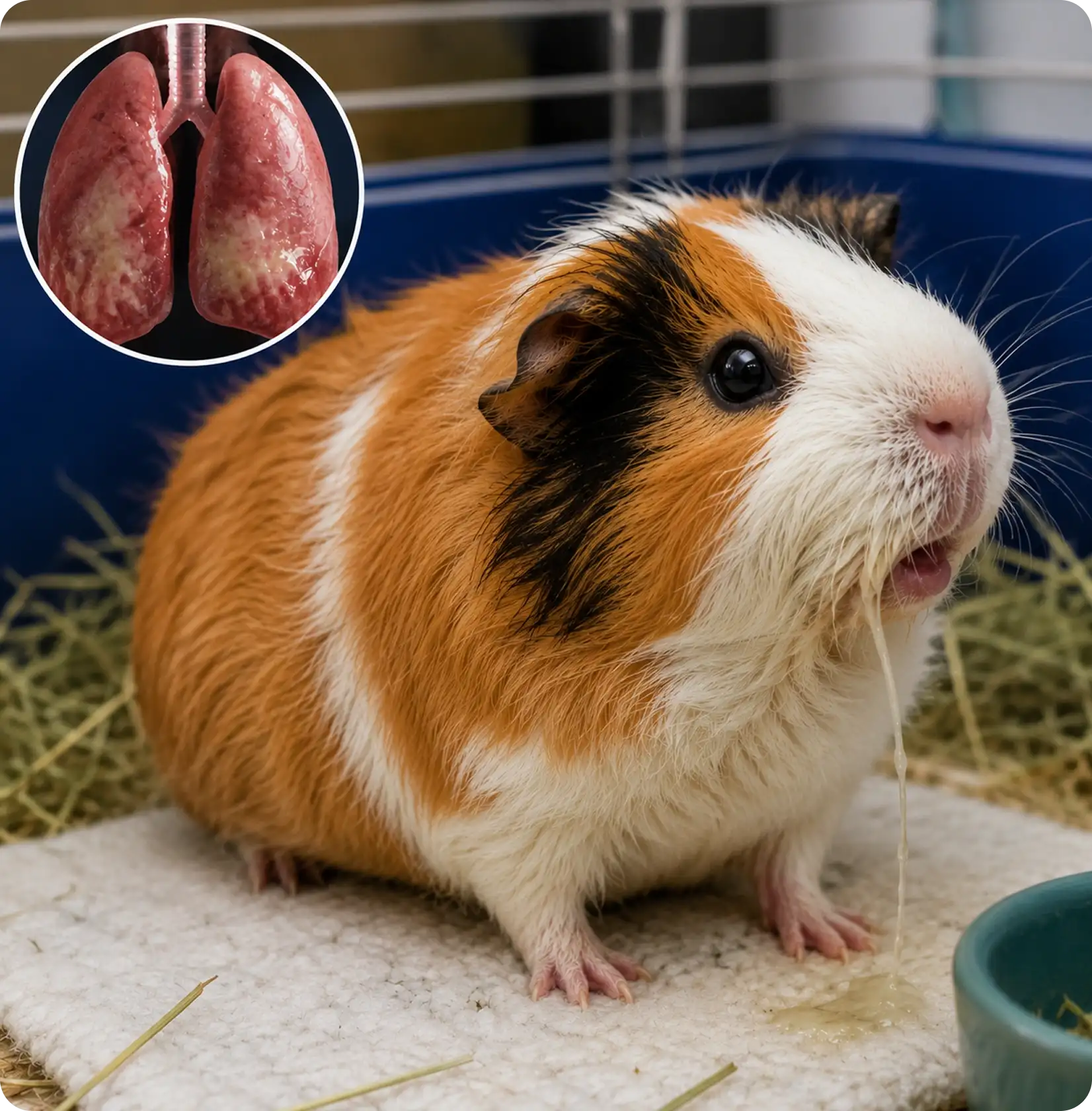
Tachypnoea and dyspnoea can develop as pulmonary inflammation can impair normal gaseous exchange and respiratory efficiency.
.svg)
Noisy Breathing (Wheezing or Crackles)
Audible wheezing, stertor or crackles suggest bronchopneumonia or airway inflammation.

Ocular Discharge and Conjunctivitis
Respiratory pathogens frequently lead to conjunctivitis, triggering epiphora, conjunctivitis and periocular crusting alongside nasal signs.

Loss of Appetite and Weight Loss
Respiratory illness may also lead to anorexia in guinea pigs, reduced hay intake and, as a result, progressive weight loss.

Lethargy and Hunched Posture
Guinea pigs with respiratory infections may have lethargy, a hunched posture and exhibit reduced interest in normal activities due to respiratory distress.
Why Do Pet Parents Choose Conbun?

24/7 Availability
Access 24/7 vet consultation through our online pet health platform, ensuring expert veterinary support whenever your pet requires immediate medical guidance.

Response in 30s
Receive an Instant Vet Consultation for urgent concerns, or schedule a remote vet appointment to get digital pet health advice for non-urgent cases.

10k+ Happy Pet Parents
Trusted by Indian pet owners for compassionate remote animal care, expert consultations, and reliable veterinary guidance across diverse pet species.

100+ Verified Vets
Consult experienced BVSc & MVSc Vets through secure online vet consultation, delivering evidence-based treatment recommendations and personalised care for every pet.
24/7 Availability
Access 24/7 vet consultation through our online pet health platform, ensuring expert veterinary support whenever your pet requires immediate medical guidance.
Get Help for Your Pet in Just a Few Simple Steps
Install Conbun and create your pet’s profile so we can understand them better.
Describe symptoms, upload photos if needed, and get quick online pet health advice from verified vets.
Talk to a vet online in just 30 seconds or schedule an appointment for later.



How To Prevent Respiratory Infections In Guinea Pigs?
Explore expert-backed care tips, health advice, and practical recommendations to help your guinea pig stay happy, healthy, and active every day.
Consult Now
Maintain Excellent Cage Hygiene
Maintain excellent cage hygiene, bacterial load, ammonia accumulation and airborne irritants that predispose guinea pigs to respiratory tract infections.

Provide Adequate Vitamin C Daily
Providing vitamin C intake supports immune function, maintains mucosal integrity and reduces susceptibility to respiratory infections.

Ensure Proper Ventilation
Ensure that you are offering proper ventilation and avoiding drafts to minimise respiratory irritation and reduce pathogen proliferation within the enclosure.

Quarantine Newly Introduced Guinea Pigs
Quarantine newly introduced guinea pigs for at least two weeks to prevent transmission of contagious respiratory pathogens.

Minimise Environmental Stress
Appropriate temperature, stable housing and gentle handling support immune competence and help reduce stress-induced susceptibility to respiratory tract infections.

Schedule Routine Veterinary Health Checks
Regular veterinary examinations facilitate early detection of respiratory disease, allowing prompt intervention before pneumonia or systemic complications develop.
Maintain Excellent Cage Hygiene
Maintain excellent cage hygiene, bacterial load, ammonia accumulation and airborne irritants that predispose guinea pigs to respiratory tract infections.
Provide Adequate Vitamin C Daily
Providing vitamin C intake supports immune function, maintains mucosal integrity and reduces susceptibility to respiratory infections.
When To Consult A Vet For Respiratory Infections In Guinea Pigs?

Laboured or Open-Mouth Breathing
Laboured or open-mouth breathing indicates severe respiratory compromise.

Thick Nasal or Ocular Discharge
Nasal or ocular discharge indicates a bacterial infection that needs antibiotic support.

Complete Refusal to Eat
Persistent anorexia indicates immediate veterinary intervention to prevent GI stasis.
Laboured or Open-Mouth Breathing
Laboured or open-mouth breathing indicates severe respiratory compromise.
Thick Nasal or Ocular Discharge
Nasal or ocular discharge indicates a bacterial infection that needs antibiotic support.



Frequently Asked Questions
The most diagnosed bacterial respiratory infections are caused by Bordetella bronchiseptica and Streptococcus pneumoniae. These pathogens commonly lead to sneezing, laboured breathing, nasal discharge, pneumonia, lethargy or loss of appetite. Without prompt treatment, these infections may escalate into pneumonia or other life-threatening respiratory conditions.
Do not administer antibiotics or human medications without vet advice as they can be unsafe for guinea pigs. Treatment for respiratory infections in guinea pigs may include supportive care, oxygen therapy, and nutritional support, depending on the severity and pathogen involved.
Respiratory infections in guinea pigs can worsen rapidly. Mild infections may respond well to early treatment, but untreated bacterial pneumonia may become fatal within days. Seek veterinary care as soon as you notice respiratory signs like sneezing, nasal discharge or difficulty breathing.
Home care should only support, not replace, veterinary treatment. Keep your guinea pig warm, minimise stress, and ensure constant access to fresh water and hay. Provide Vitamin-C-Rich foods, maintain a clean and well-ventilated closure. If breathing becomes laboured, appetite decreases, or nasal discharge persists.
Yes. With Conbun, you can connect with an experienced exotic animal veterinarian online who can assess your guinea pig’s respiratory symptoms, recommend appropriate supportive care, review diet and environment, provide online vet medication guidance, a thorough treatment plan, and advise whether emergency in-person treatment is required or not.
24/7 Veterinary Help for Guinea Pig Respiratory Infections
Respiratory infections in guinea pigs can progress more rapidly than many pet owners realise. What begins as occasional sneezing can lead to mild nasal discharge and rapidly develop into severe pneumonia, breathing difficulty or a life-threatening complication. Because guinea pigs often hide signs of illness until they become unwell, early veterinary intervention is extremely critical.
Through Conbun, connect with a certified exotic pet vet online who understands the specialised medical needs of guinea pigs and other small mammals. Whether your pet is sneezing, breathing rapidly, or wheezing, expert guidance can help you recognise the severity of the condition and take the right steps without delay.
Our virtual exotic animal vet consultations provide personalised advice on supportive care, environmental management, nutrition management and appropriate treatment recommendations. Through a convenient virtual veterinary appointment, you can discuss your guinea pig’s symptoms with qualified veterinarians from the comfort of your home, helping you make informed decisions about your pet’s care.
With Conbun’s trusted online pet care platform, expert veterinary support is always within reach. Book a consultation today and give your guinea pig the best chance of a safe, healthy and speedy recovery.