
Guinea Pig Scurvy? Consult an Online Vet Instantly
Dull coat, lethargy, swollen joints, anorexia or bleeding gums are signs indicating scurvy. Connect to an exotic pet vet online instantly to prevent irreversible complications and support faster recovery.
Consult Now
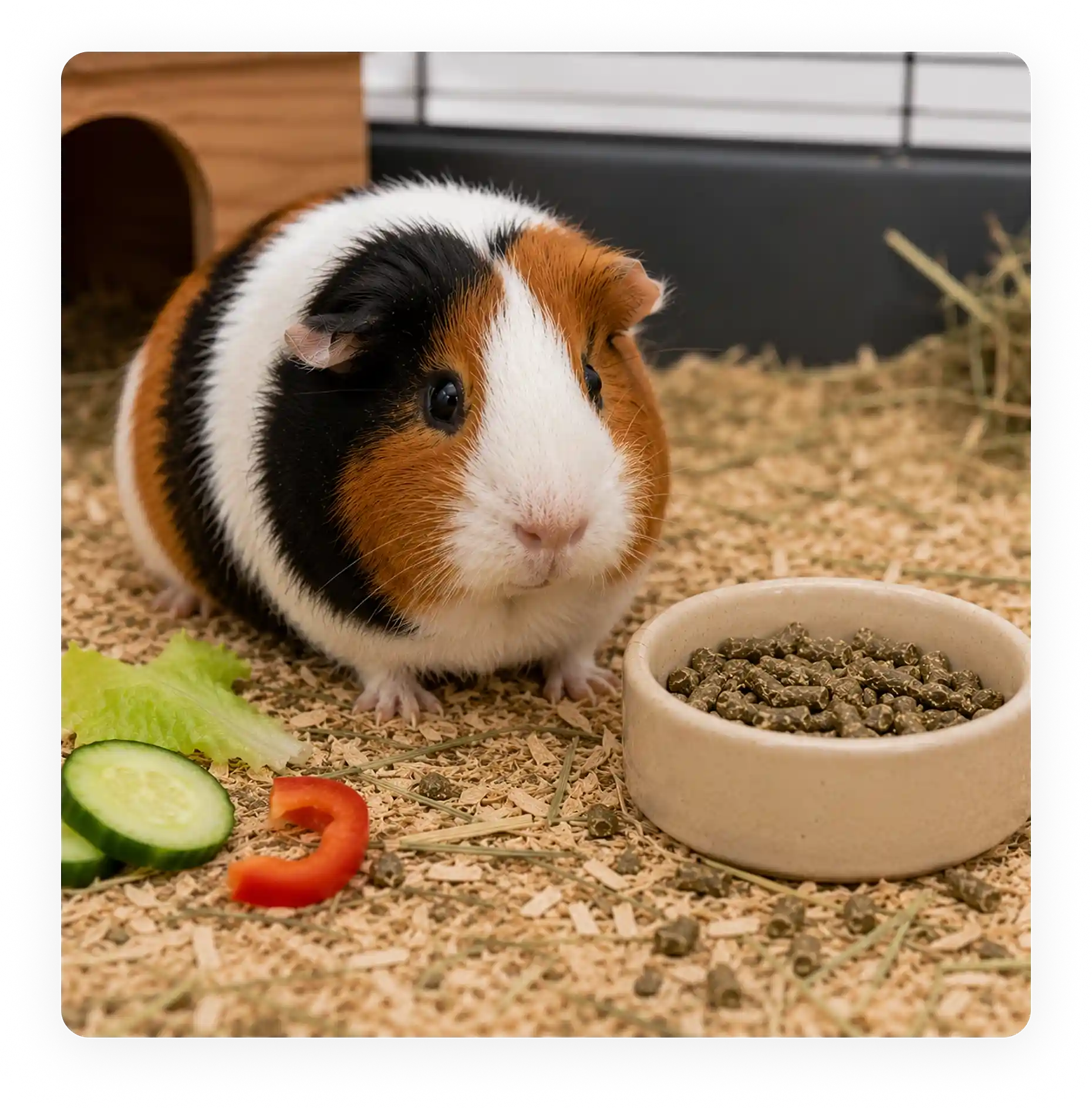
Common Causes of Scurvy (Vitamin C Deficiency) In Guinea Pigs
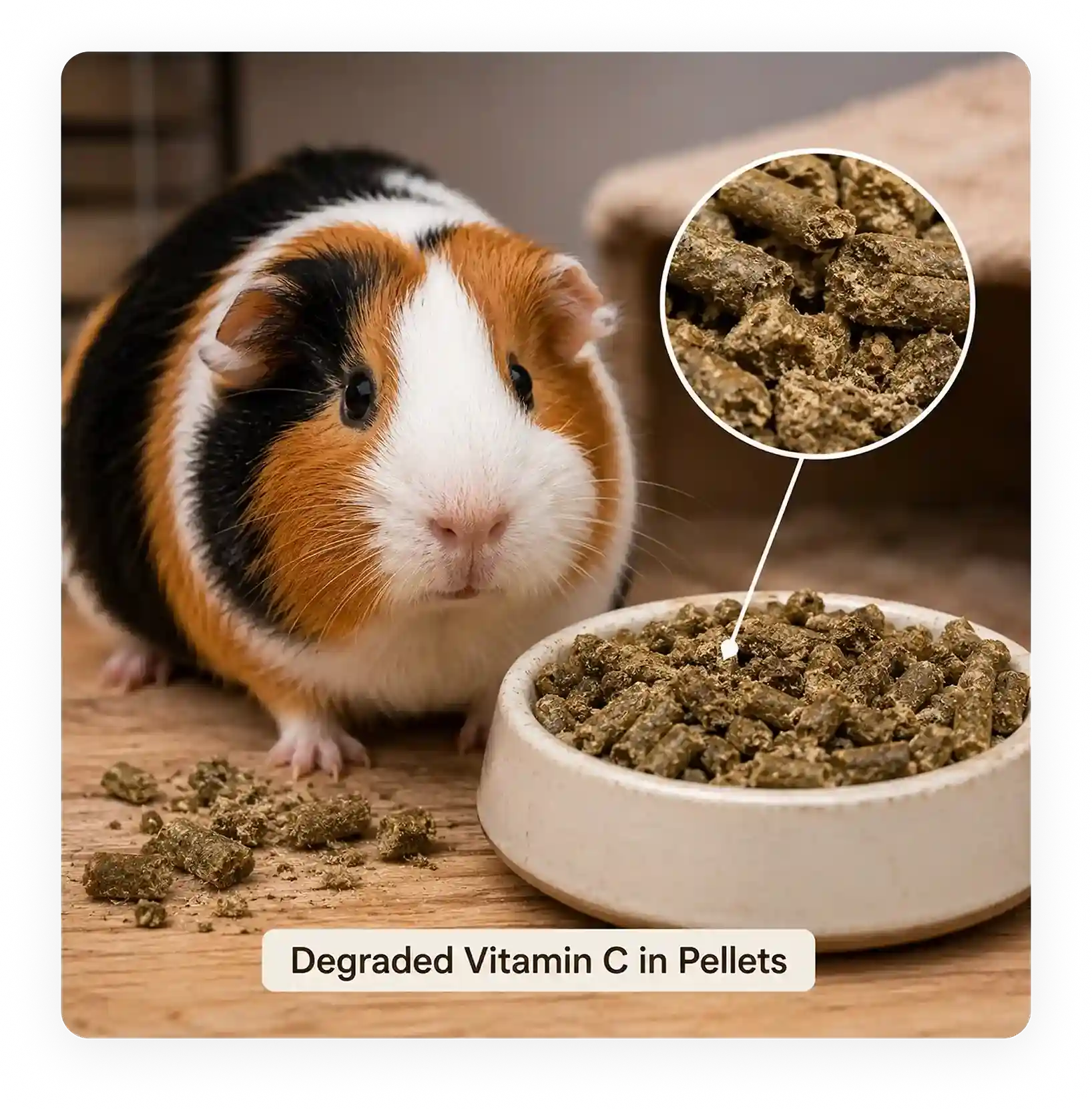
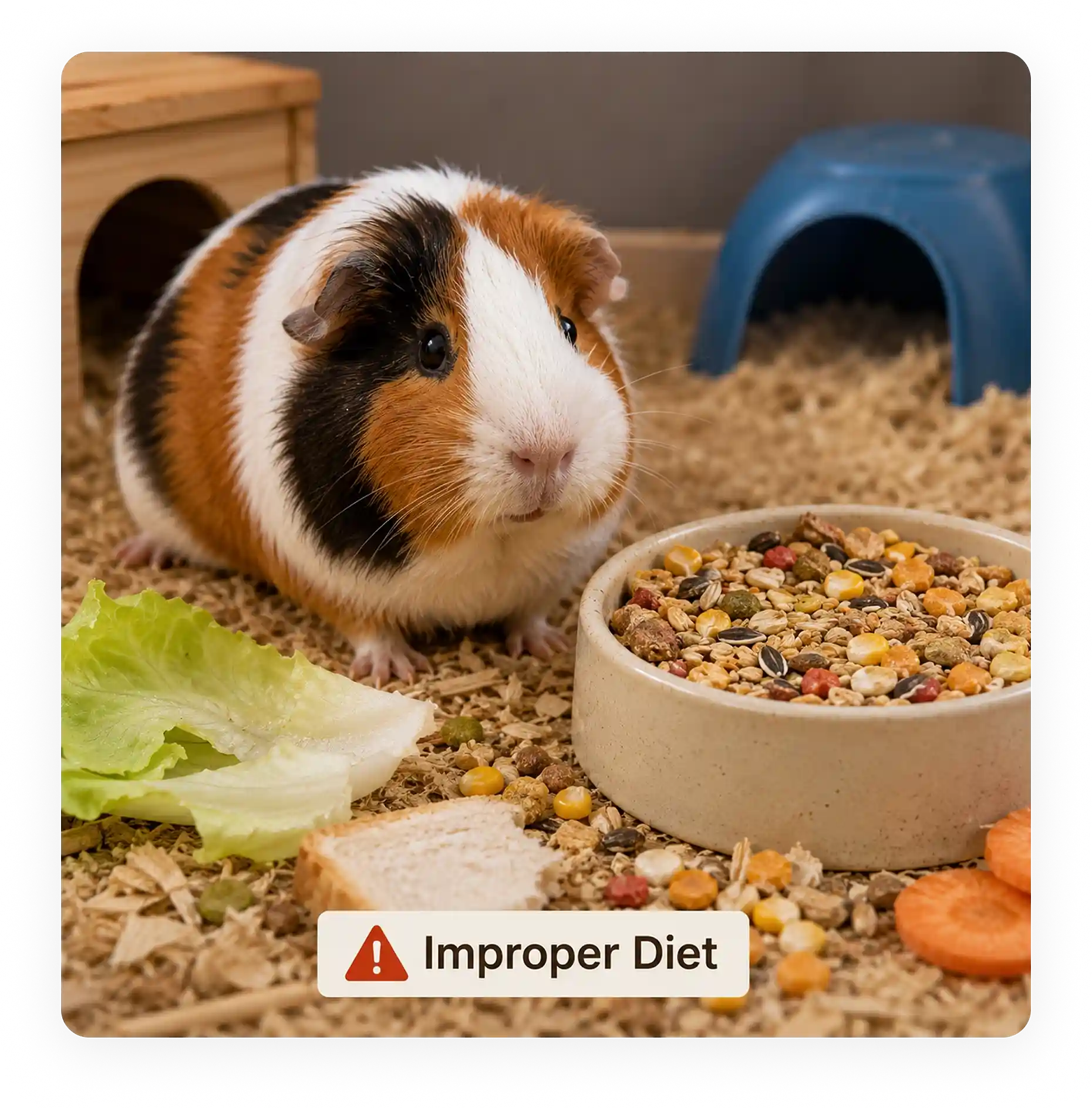
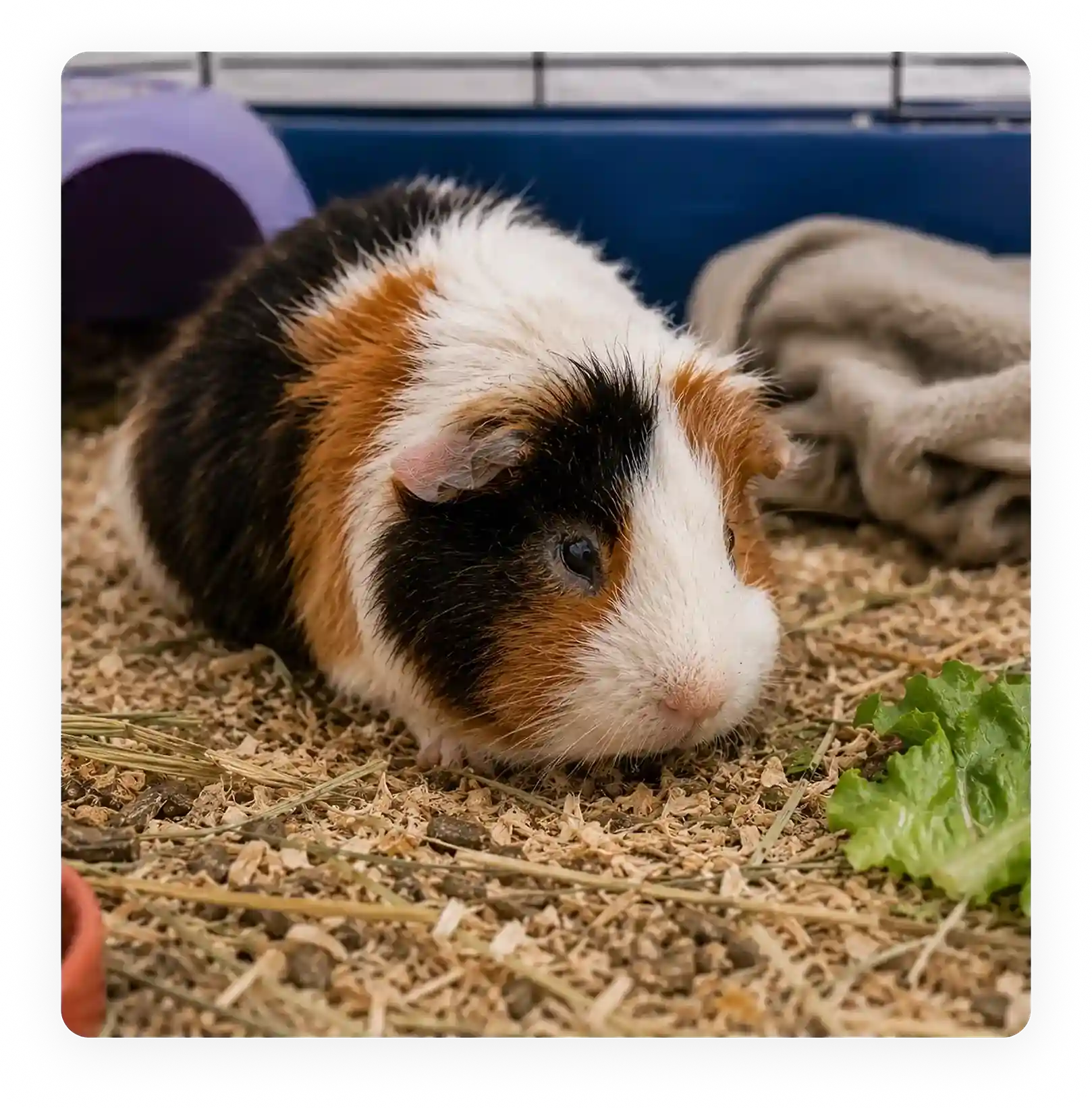
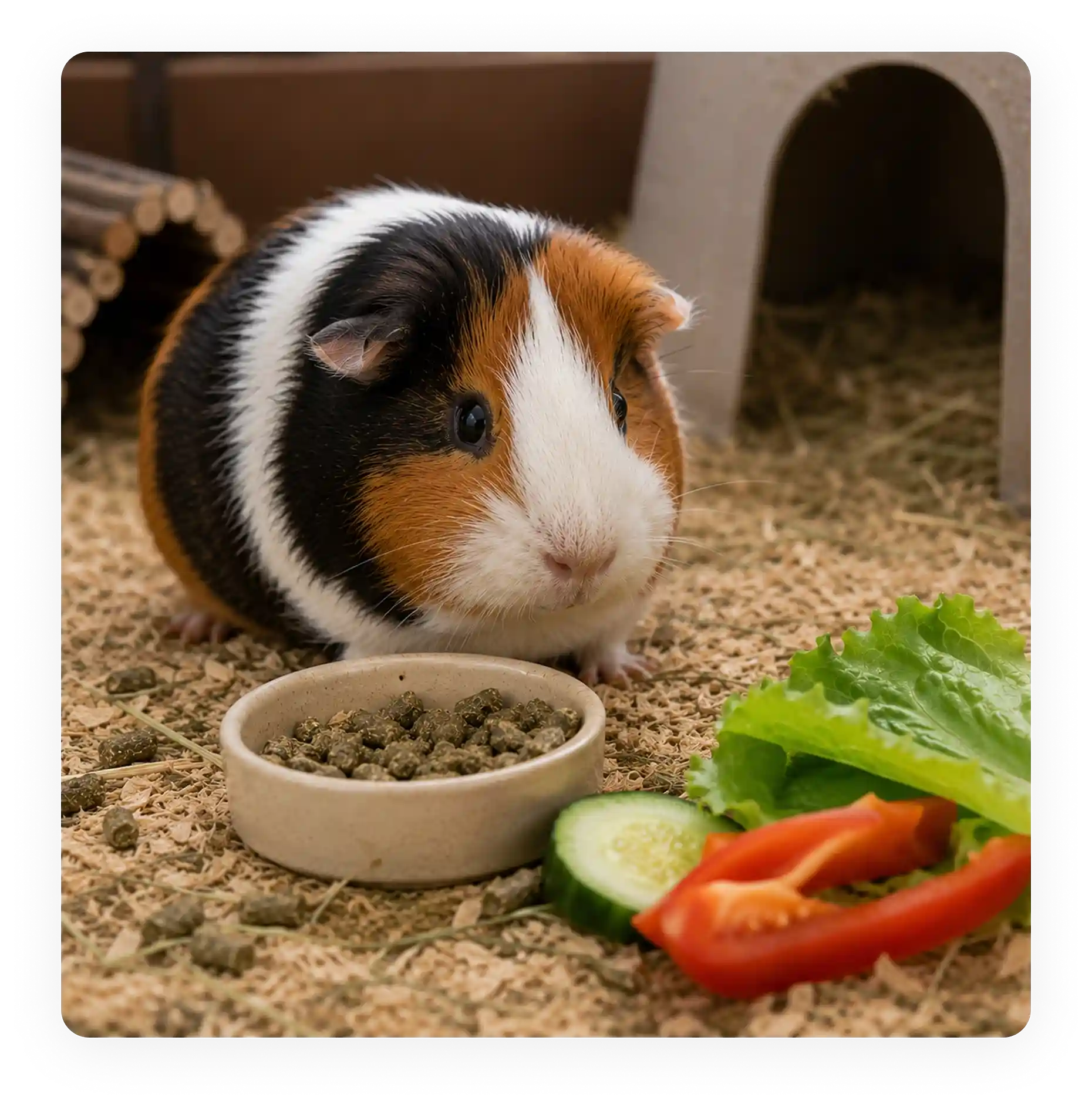
Common Signs Of Scurvy In Guinea Pigs

Swollen and Painful Joints
Inadequate vitamin C impairs collagen synthesis, leading to joint inflammation, stiffness, pain and reluctance to bear weight.

Difficulty Walking or Lameness
Guinea pigs that are affected can develop lameness, abnormal gait or reluctance to move due to musculoskeletal discomfort.

Loss of Appetite
Loss of appetite is a common sign that occurs as a result of oral lesions, pain and systemic weakness that progresses with vitamin C deficiency.
Bleeding Gums and Loose Teeth
Defective connective tissue weakens gingival (gum) support, which may lead to tooth instability, oral haemorrhage and painful mastication (chewing).

Rough Coat and Poor Grooming
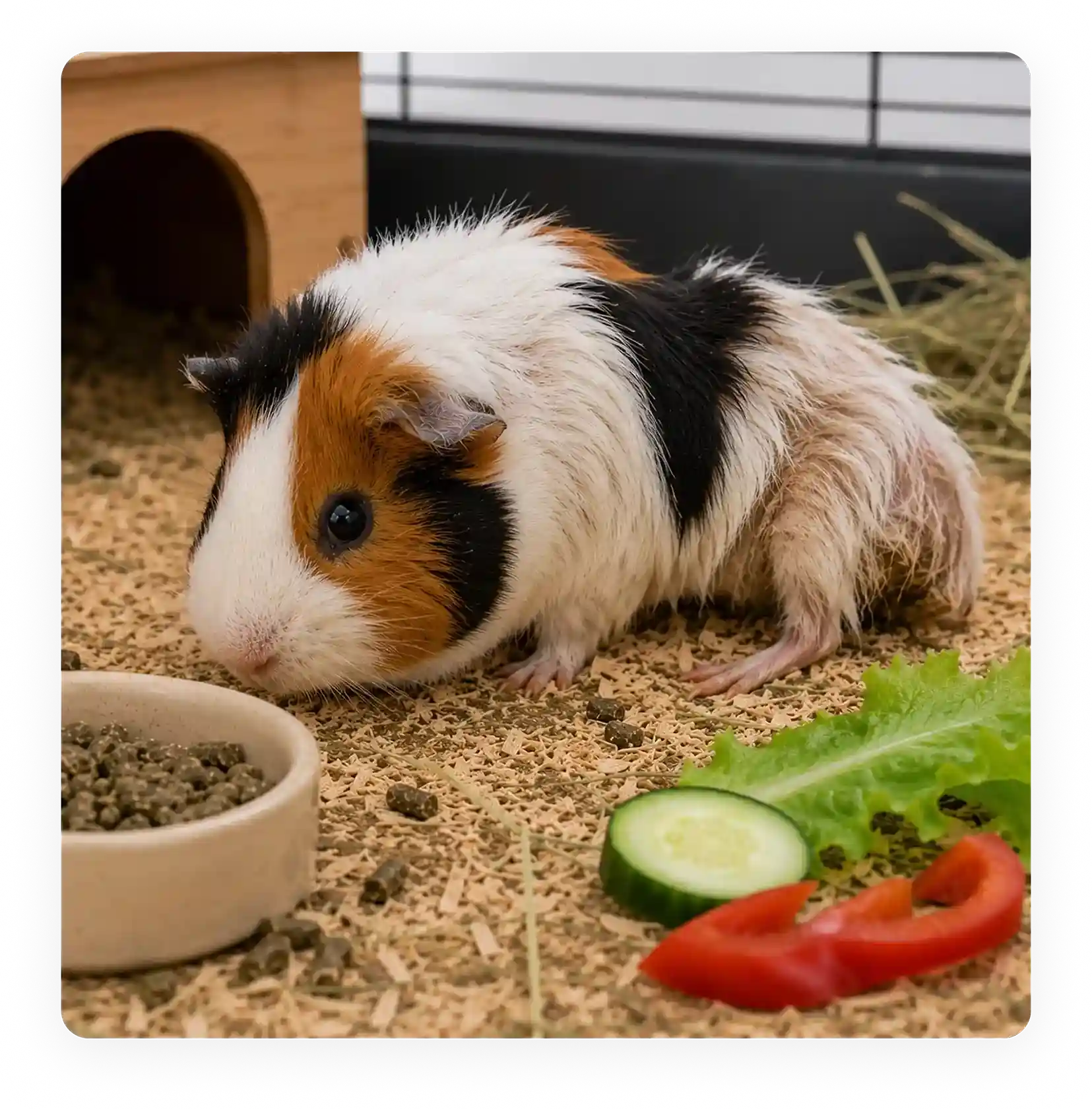
A dull, unkempt coat is a classic sign of poor nutritional status, systemic illness and reduced grooming.

Lethargy and Progressive Weakness
Affected guinea pigs exhibit decreased activity, exercise intolerance, and generalised weakness resulting from impaired collagen metabolism and tissue integrity.
Why Do Pet Parents Choose Conbun?

24/7 Availability
Access 24/7 vet consultation through our online pet health platform, ensuring expert veterinary support whenever your pet requires immediate medical guidance.

Response in 30s
Receive an Instant Vet Consultation for urgent concerns, or schedule a remote vet appointment to get digital pet health advice for non-urgent cases.

10k+ Happy Pet Parents
Trusted by Indian pet owners for compassionate remote animal care, expert consultations, and reliable veterinary guidance across diverse pet species.

100+ Verified Vets
Consult experienced BVSc & MVSc Vets through secure online vet consultation, delivering evidence-based treatment recommendations and personalised care for every pet.
24/7 Availability
Access 24/7 vet consultation through our online pet health platform, ensuring expert veterinary support whenever your pet requires immediate medical guidance.
Get Help for Your Pet in Just a Few Simple Steps
Install Conbun and create your pet’s profile so we can understand them better.
Describe symptoms, upload photos if needed, and get quick online pet health advice from verified vets
Talk to a vet online in just 30 seconds or schedule an appointment for later.



Helpful Care tips for our pets
Explore expert-backed care tips, health advice, and practical recommendations to help your guinea pig stay happy, healthy, and active every day.
Consult Now
Feed Fresh Vitamin C-Rich Vegetables Daily
Offer fresh capsicum, kale, coriander and other vegetables rich in vitamin C to support collagen synthesis and normal physiological function.

Use Vitamin C-Fortified Guinea Pig Pellets
Ensure that you are offering high-quality fortified pellets before vitamin C degradation occurs to fulfil the daily needs of ascorbic acid.

Store Pellets Correctly
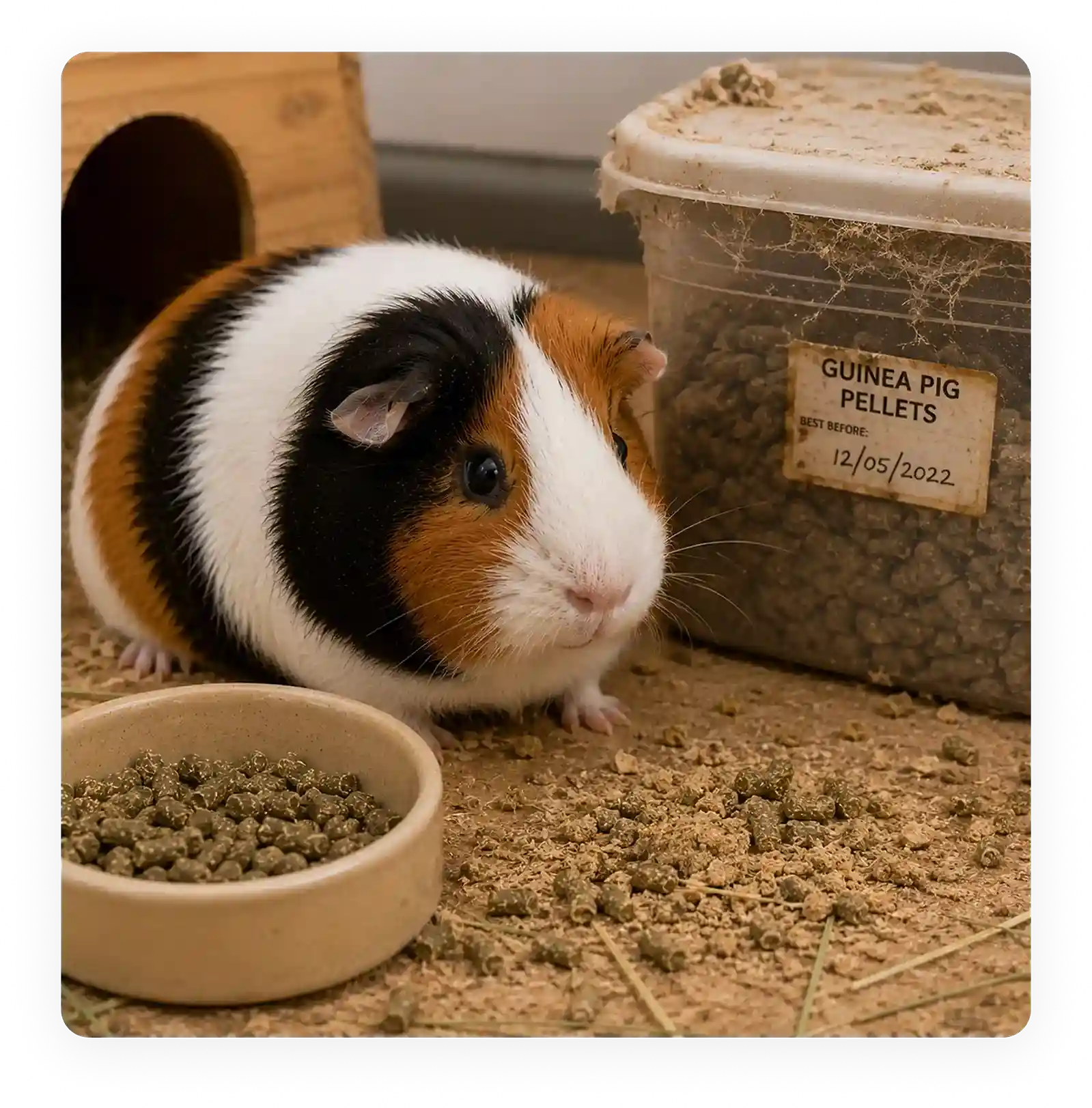
Pellets must be stored in airtight containers away from light, heat, and humidity to minimise vitamin C degradation.

Monitor Food Intake Every Day
Monitor your guinea pig’s food intake daily to identify appetite reduction, selective feeding or nutritional deficiencies before the development of clinical signs of scurvy.

Increase Vitamin C During Physiological Stress
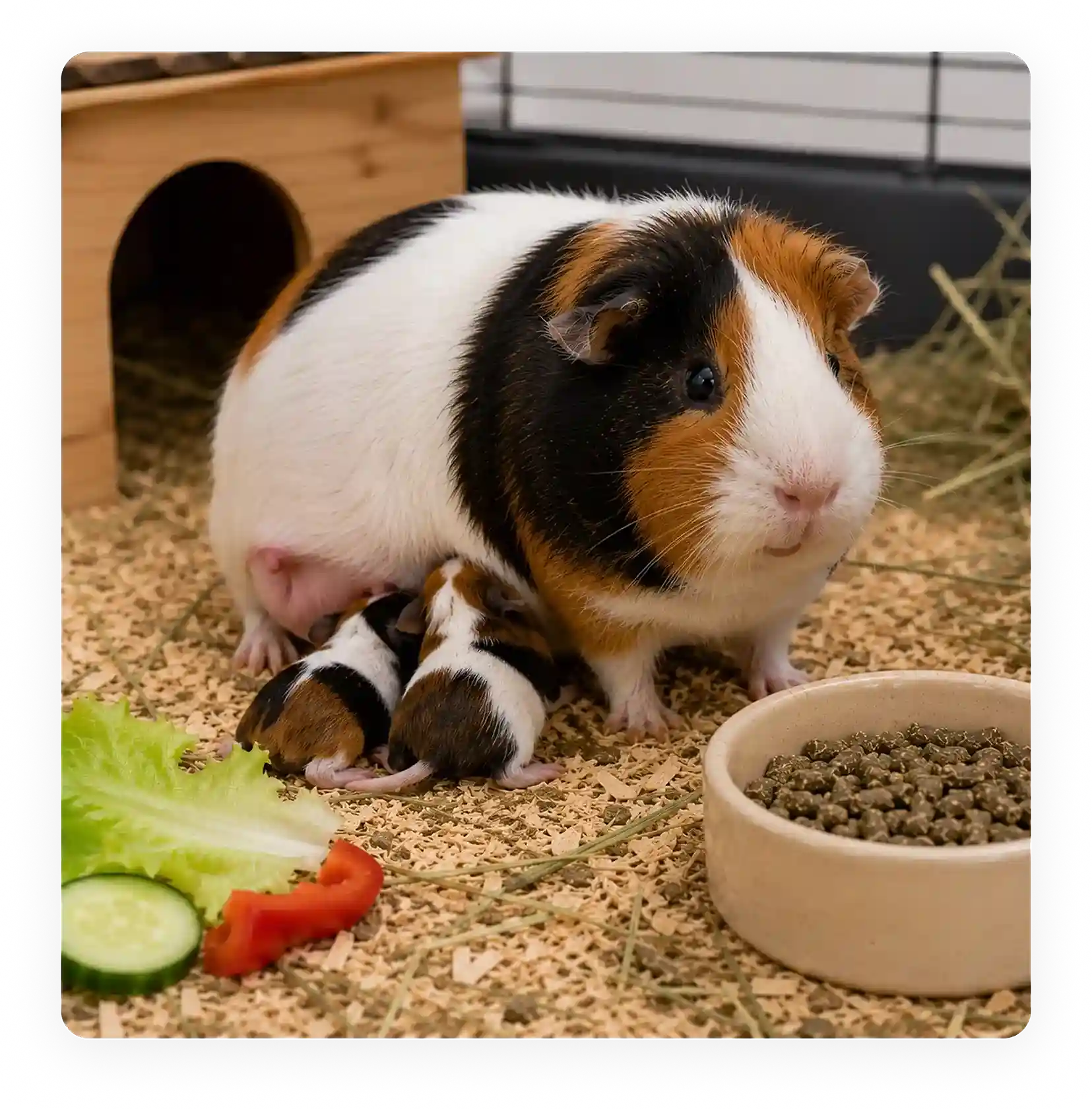
During lactation, illness, pregnancy and recovery, ascorbic acid requirements increase in guinea pigs, necessitating appropriate dietary supplementation.

Schedule Routine Veterinary Health Checks
Schedule veterinary examinations regularly to detect nutritional deficiencies and optimise dietary management to prevent irreversible complications.
Feed Fresh Vitamin C-Rich Vegetables Daily
Offer fresh capsicum, kale, coriander and other vegetables rich in vitamin C to support collagen synthesis and normal physiological function.
Use Vitamin C-Fortified Guinea Pig Pellets
Ensure that you are offering high-quality fortified pellets before vitamin C degradation occurs to fulfil the daily needs of ascorbic acid.
When to Consult A Vet for Scurvy In Guinea Pigs?

Complete Refusal to Eat
Persistent anorexia requires veterinary intervention to prevent GI stasis.

Severe Lameness or Immobility
Immobility or severe lameness is a sign of musculoskeletal pain or connective tissue damage.
Bleeding Gums or Oral Haemorrhage
Severe vitamin C deficiency or capillary fragility (weak blood vessels).
Complete Refusal to Eat
Persistent anorexia requires veterinary intervention to prevent GI stasis.
Severe Lameness or Immobility
Immobility or severe lameness is a sign of musculoskeletal pain or connective tissue damage.




Frequently Asked Questions
Common symptoms of scurvy in guinea pigs include loss of appetite, lethargy, swollen or painful joints, difficulty walking, rough coat, weight loss, bleeding gums, bruising, and poor wound healing. As the deficiency progresses, guinea pigs may become weak and reluctant to move.
Guinea pigs cannot produce their own vitamin C, unlike most mammals. Vitamin C for guinea pigs is essential for collagen synthesis, healthy bones and joints, immune function, blood vessel integrity, and wound healing. A deficiency can quickly lead to scurvy and serious health complications.
Recovery from scurvy depends on the severity of the deficiency and how early treatment begins. With prompt treatment of scurvy in guinea pigs, many show improvement within just a few days, although complete recovery of musculoskeletal tissues may take several weeks.
Offer fresh vitamin C-rich vegetables like bell peppers (capsicum), kale, parsley, coriander and fortified guinea pig pellets. Your veterinarian may also recommend vitamin C supplements when dietary intake is not sufficient. Fresh Vitamin C for guinea pigs must be offered daily as they cannot synthesise or store it in adequate amounts.
Treatment of scurvy in guinea pigs involves vitamin C supplementation, dietary correction, pain management when required, and treatment of any secondary complications. Early veterinary intervention is important to prevent permanent musculoskeletal damage and improve recovery.
Yes. An online consultation with an exotic animal veterinarian can help evaluate the Clinical signs of scurvy in guinea pigs, review your guinea pig's diet, recommend appropriate Vitamin C for guinea pigs, and guide you on the most effective Treatment of scurvy in guinea pigs. Early expert advice can significantly improve outcomes.
Online Veterinary Consultation For Scurvy In Guinea Pigs
Scurvy is a severe dietary deficiency of vitamin C in guinea pigs that leads to collagen production impairment, tissue breakdown, internal haemorrhaging, anaemia, and general weakness.
Loss of appetite, swollen joints, difficulty walking, bleeding gums, or lethargy are common signs of vitamin C deficiency requiring prompt veterinary attention. Delaying treatment can result in severe pain, impaired mobility, poor wound healing, and irreversible complications in guinea pigs.
Conbun helps you connect with an experienced guinea pig vet who understands the specialised nutritional and medical needs of guinea pigs. Whether your pet needs vitamin C supplementation, dietary guidance or evaluation of clinical symptoms, veterinary help is just a few clicks away.
Guinea pig vet online consultations help you to discuss your pet’s condition from the comfort of your home and receive evidence-based, timely care for scurvy and other guinea pig health conditions.
As the best online vet consultation platform in India, Conbun connects pet parents with qualified veterinary professionals for fast and reliable support.
Download the pet care app today and book a consultation to help your tiny four-legged friend recover from vitamin C deficiency.