
Online Guinea Pig Vet: Skin & Mange Relief
Persistent scratching, dandruff, scabs, hair loss or crusty skin may indicate mange, fungal infections, bacterial dermatitis or other skin diseases. Connect with an online exotic vet on Conbun and get veterinary help to relieve discomfort, prevent secondary infections and support faster recovery.
Consult Now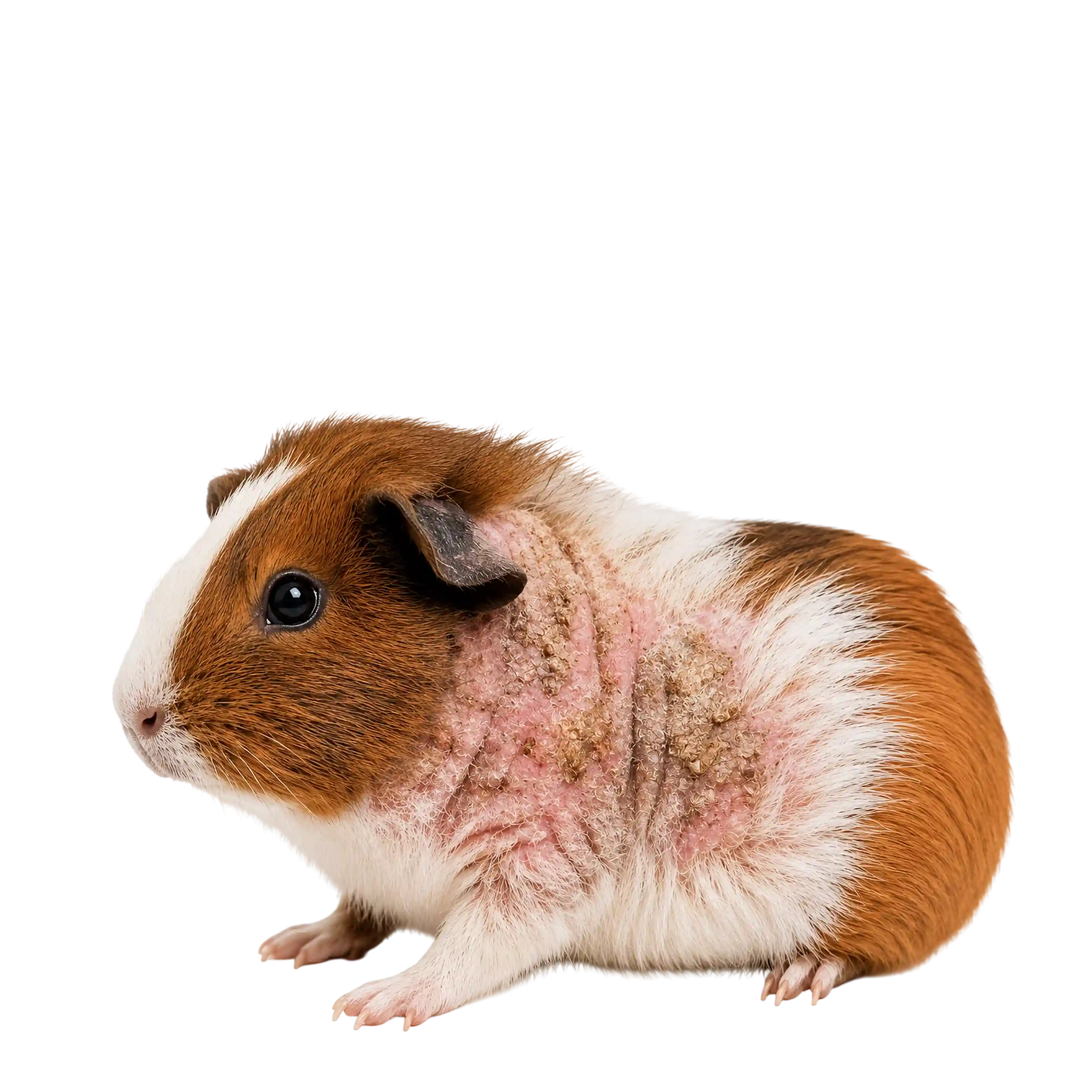
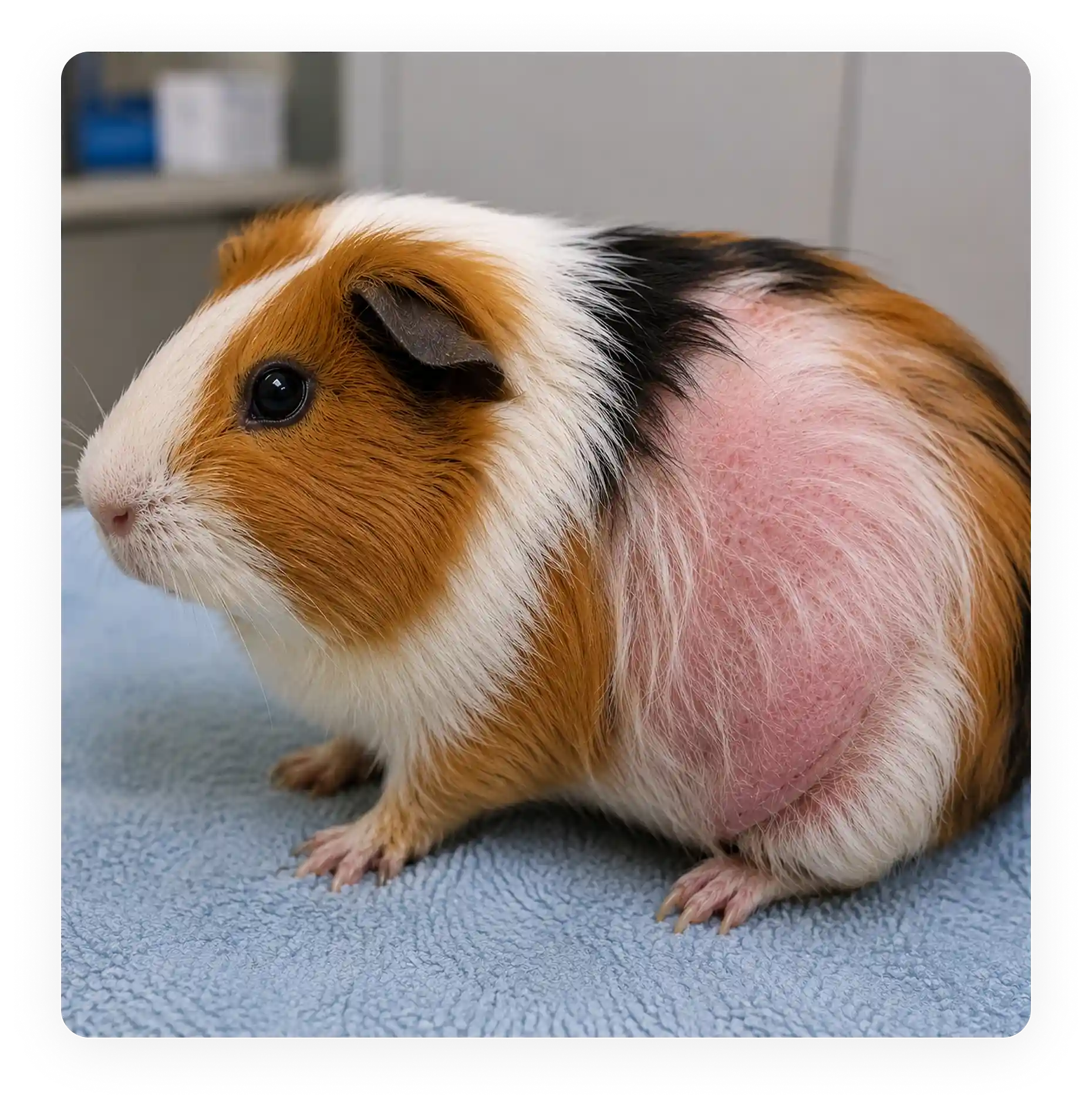
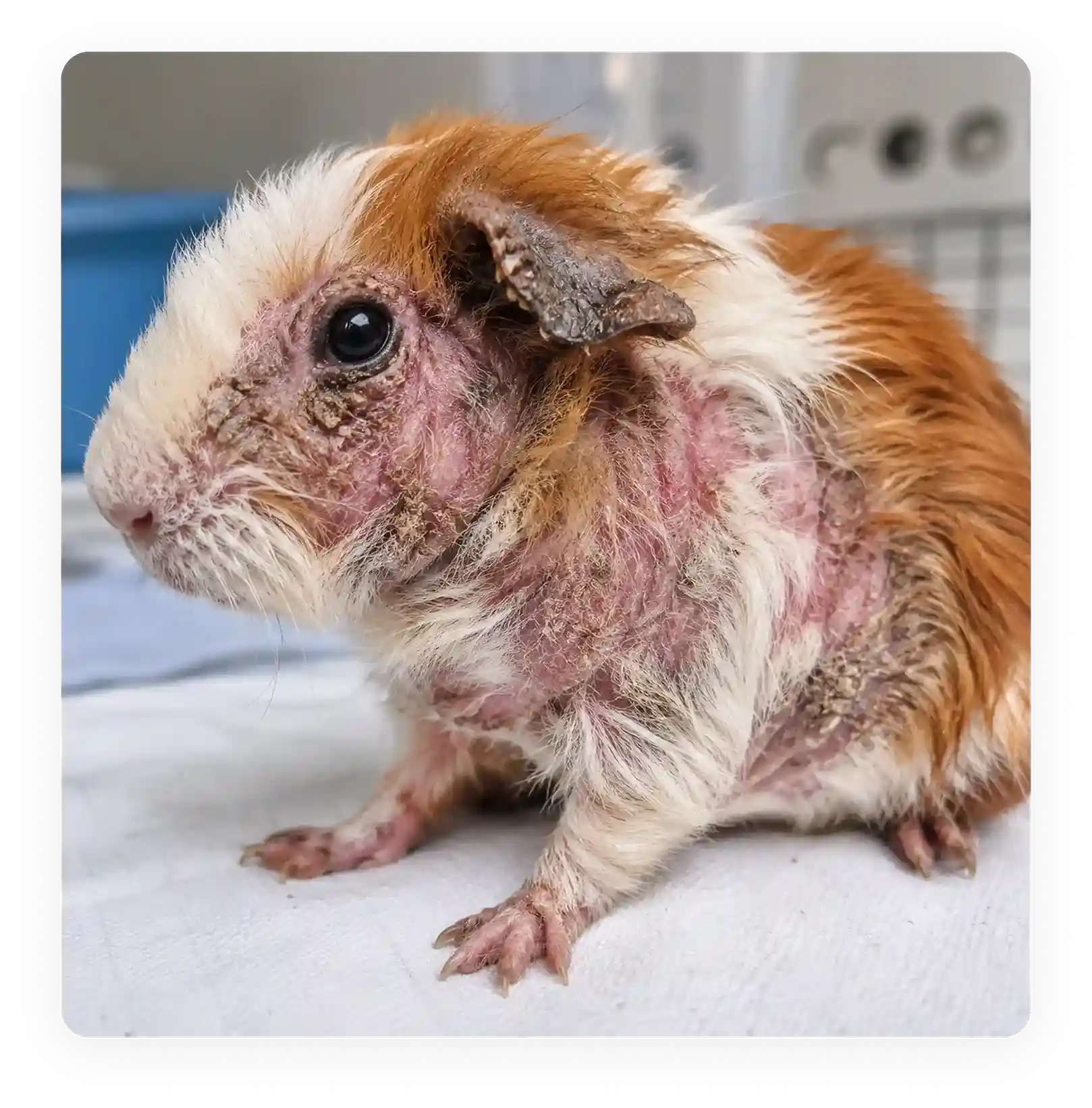
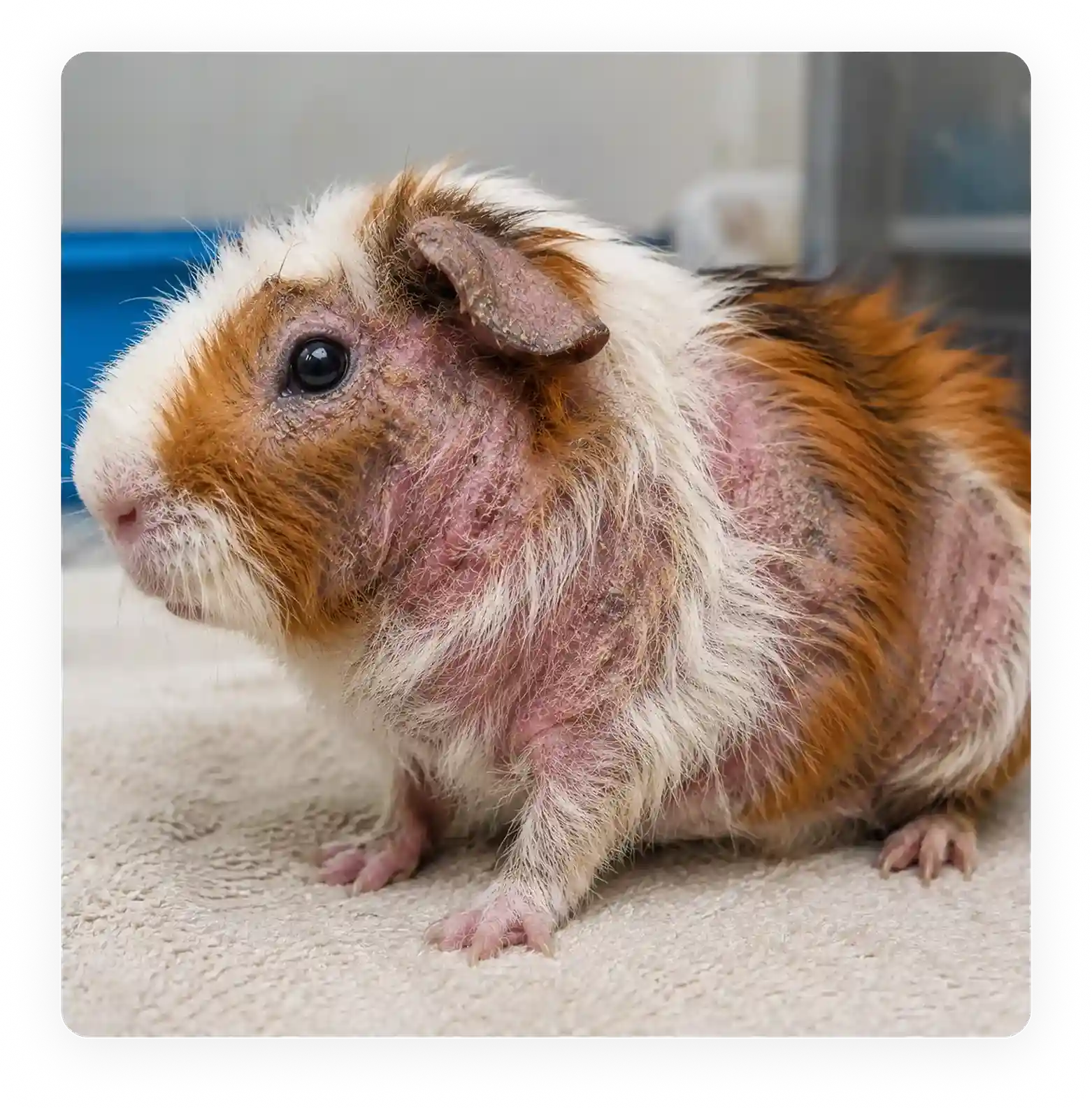
Types of Skin Issues in Guinea Pigs
.webp)
.webp)
.webp)
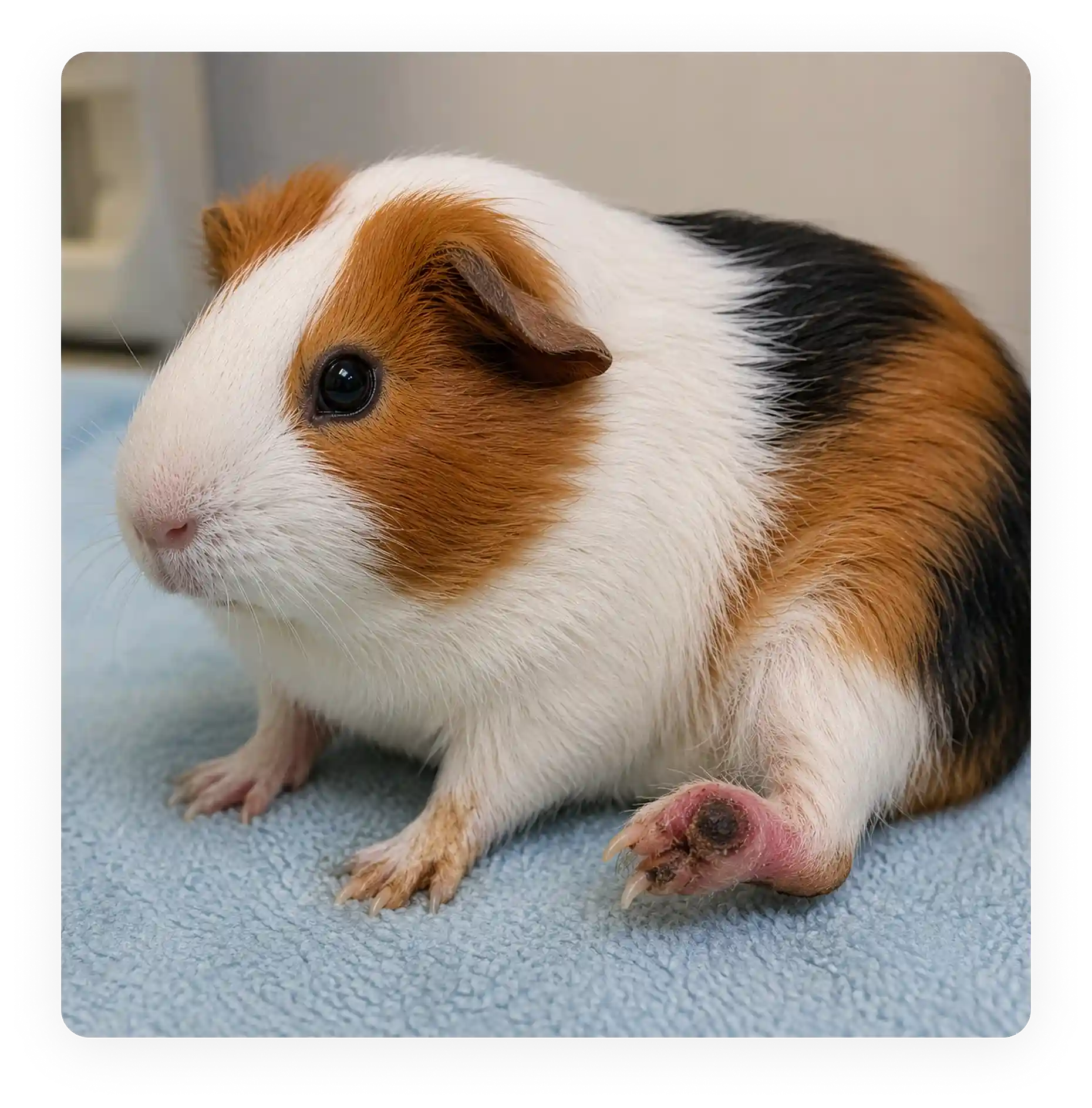
Common Signs Of Skin Issues & Mange In Guinea Pigs
.svg)
Intense Scratching
Constant scratching is a classic sign of mange mite infestation, ectoparasites, fungal infection or allergic dermatitis that requires veterinary evaluation.
.svg)
Patchy Hair Loss
Localised or symmetrical alopecia may result from parasitic infestations, endocrine disorders, dermatophytosis or chronic self-trauma.

Thick Crusts and Scabs
Hyperkeratotic scab and crust formation frequently develop with bacterial dermatitis, mange or advanced fungal skin infections.
Redness and Skin Inflammation
Redness and skin inflammation are common indicators of dermatitis, secondary bacterial or parasitic infection or hypersensitivity reaction.
Flaky Skin and Excessive Dandruff
Dandruff and diffuse scaling are characteristic of fur mite infestations, seborrhoeic disorders and certain fungal dermatopathies.

Painful Skin with Hypersensitivity
Severe mange often leads to increased skin hypersensitivity (cutaneous hyperaesthesia), making affected guinea pigs vocalise or exhibit pain during handling.
Why Do Pet Parents Choose Conbun?

24/7 Availability
Access 24/7 vet consultation through our online pet health platform, ensuring expert veterinary support whenever your pet requires immediate medical guidance.

Response in 30s
Receive an Instant Vet Consultation for urgent concerns, or schedule a remote vet appointment to get digital pet health advice for non-urgent cases.

10k+ Happy Pet Parents
Trusted by Indian pet owners for compassionate remote animal care, expert consultations, and reliable veterinary guidance across diverse pet species.

100+ Verified Vets
Consult experienced BVSc & MVSc Vets through secure online vet consultation, delivering evidence-based treatment recommendations and personalised care for every pet.
24/7 Availability
Access 24/7 vet consultation through our online pet health platform, ensuring expert veterinary support whenever your pet requires immediate medical guidance.
Get Help For Your Pet In Just A Few Simple Steps
Install Conbun and create your pet’s profile so we can understand them better.
Describe symptoms, upload photos if needed, and get quick online pet health advice from verified vets.
Talk to a vet online in just 30 seconds or schedule an appointment for later.



Help Prevent Skin Issues & Mange In Guinea Pigs
Explore expert-backed care tips, health advice, and practical recommendations to help your guinea pig stay happy, healthy, and active every day.
Consult Now
Perform Regular Coat and Skin Examinations
Perform regular coat and skin infections to detect alopecia, ectoparasites, crusting and other skin abnormalities before they escalate.

Quarantine Newly Introduced Guinea Pigs
Quarantine new guinea pigs for at least two weeks to prevent transmission of dermatophytes, mites and other contagious pathogens.

Maintain Excellent Cage Hygiene
Regular bedding replacement and enclosure disinfection help in reducing environmental pathogens and lower the risk of infectious dermatological diseases.

Provide a Balanced Vitamin C-Rich Diet
Provide adequate vitamin C and a balanced diet to support skin integrity. Provide 80% unlimited grass hay, 15% fresh leafy greens, and 5% high-quality fortified pellets.

Minimise Stress and Overcrowding
Offer appropriate housing conditions along with environmental enrichment to reduce stress and help your guinea pig maintain effective immune function.
Perform Regular Coat and Skin Examinations
Perform regular coat and skin infections to detect alopecia, ectoparasites, crusting and other skin abnormalities before they escalate.
Quarantine Newly Introduced Guinea Pigs
Quarantine new guinea pigs for at least two weeks to prevent transmission of dermatophytes, mites and other contagious pathogens.
When To Consult A Vet for Skin Issues In Guinea Pigs?

Persistent Intense Pruritus
Persistent scratching indicates severe parasitic infestations.

Bleeding Skin Lesions
Self-mutilation and bleeding skin require prompt treatment to prevent infection.

Rapidly Progressive Hair Loss
Progressive hair loss indicates ringworm, mange or endocrine disorders.
Persistent Intense Pruritus
Persistent scratching indicates severe parasitic infestations.
Bleeding Skin Lesions
Self-mutilation and bleeding skin require prompt treatment to prevent infection.



Frequently Asked Questions
Patchy hair loss, scabs, thick crusts, flaky skin and extreme sensitivity to touch are the symptoms of mange in guinea pigs. In severe cases of mange, a guinea pig may vocalise pain, develop self-inflicted wounds or even experience seizure-like episodes when handled.
Treatment of mange in guinea pigs requires medication guidance, antiparasitic medications, environmental cleaning and management of secondary bacterial infections. Getting a veterinary diagnosis early is important as mange progresses rapidly and can become extremely painful. Appropriate guinea pig skin infection treatments may be required if the skin gets infected.
Skin mites are treated with vet-prescribed treatment, depending on the diagnosis. Cleaning bedding and enclosure hygiene are also critical factors that reduce reinfestation. Prompt veterinary treatment can relieve discomfort and prevent serious complications.
Home care must be limited to maintaining a clean enclosure, reducing stress and isolating affected guinea pigs. Do not use over-the-counter flea or mite products intended for dogs and cats, as they can be unsafe. Veterinary diagnosis and treatment are essential for the complete elimination of mites.
Fungal infections in guinea pigs should not be managed with home remedies alone. Ringworm treatment for guinea pigs requires vet-prescribed antifungal medications, environmental disinfection and careful handling as ringworm may spread to humans and other animals. Early treatment lowers the risk of transmission and supports faster recovery.
Online Veterinary Doctor Consultation for Guinea Pig Skin Issues
Skin problems in guinea pigs can progress rapidly if left untreated. Skin conditions like ringworm, mange, bacterial infections, and mite infestations often cause pain, hair loss, and intense itching that can significantly impact your pet’s quality of life. Early veterinary assessments are essential to identify the underlying causes.
Conbun helps you access online vet consultation 24/7 and talk to an exotic animal veterinarian who understands the unique dermatological needs of guinea pigs. Whether your pet is suffering from crusted skin, dandruff, or unexplained hair loss, with expert guidance, you can access veterinary help whenever you need.
With our pet consultation app, you can easily seek professional advice from the comfort of your home. Through personalised pet health advice, veterinarians can assess your guinea pig’s symptoms, recommend treatment options and offer husbandry guidance.
Don’t wait until a minor skin problem becomes a painful medical emergency. Book an online vet consultation with Conbun today and help your guinea pig receive timely care.