.webp)
Complete Cat Care Guide: Everything New Cat Owners Need to Know

Written by: Anand Sen; Reviewed by: Dr. Saroja Patil
Caring for a cat starts with providing balanced nutrition, a safe home, regular veterinary care, mental stimulation, routine grooming, and understanding normal feline behaviour. Whether you’ve adopted a playful kitten or an adult cat, building healthy habits from day one helps your pet cat to stay healthy, confident and comfortable throughout its life.
This complete cat care guide is designed for cat care for beginners and serves as a practical cat care guide for new owners. You’ll learn the essentials of feeding, housing, grooming, behaviour, vaccinations, preventive healthcare and daily care. You’ll also find links to dedicated guides where you can explore each topic in greater detail.
What Does Every New Cat Owner Need?
Preparing yourself and your home before your cat arrives makes the transition smoother and less stressful. Cats thrive when they have predictable routines and a quiet place where they feel secure.
First-Time Cat Owner Checklist
Before bringing your cat home, make sure you have:
Food and water bowls
Age-appropriate cat food
Litter box and litter
Scratching post
Comfortable bed
Cat carrier
Interactive toys
Grooming brush
Nail clippers
ID tag (if applicable)
Safe hiding space
A quiet room with food, water, a litter tray and a comfortable bed gives your cat the required time to adjust at its own pace before exploring the rest of the house.
Veterinary Insight: According to the Journal of Feline Medicine and Surgery, friendly cat interactions require understanding, interpreting and appropriately responding to cats’ emotional states and giving them a perceived sense of control.
Never force a frightened cat to interact. Allow them to come out and explore when they feel comfortable. Giving cats control over their environment helps reduce stress and build trust.
Feeding Your Cat the Right Way
A balanced diet is the most important aspect of cat nutrition. Feeding your cat the right food at the right life stage supports healthy growth, maintains an ideal body weight and reduces the risk of nutritional deficiencies.
Choosing the Right Food
Cats have different nutritional needs depending on their age.
Kittens require diets with 30-45% of high-quality protein and high fat levels for rapid growth and development.
Adult cats need complete and balanced food to maintain muscle mass and overall health.
Senior cats may benefit from highly digestible proteins to preserve muscle mass, omega-3 fatty acids for joint mobility, and controlled phosphorus for kidney health,
Both wet and dry food can be part of a healthy diet. Wet food increases water intake, while dry food is convenient and can help satisfy chewing behaviour. Many veterinarians recommend feeding a combination of both, provided the overall diet remains complete and balanced.
Feeding Schedule
A consistent routine helps cats feel secure.
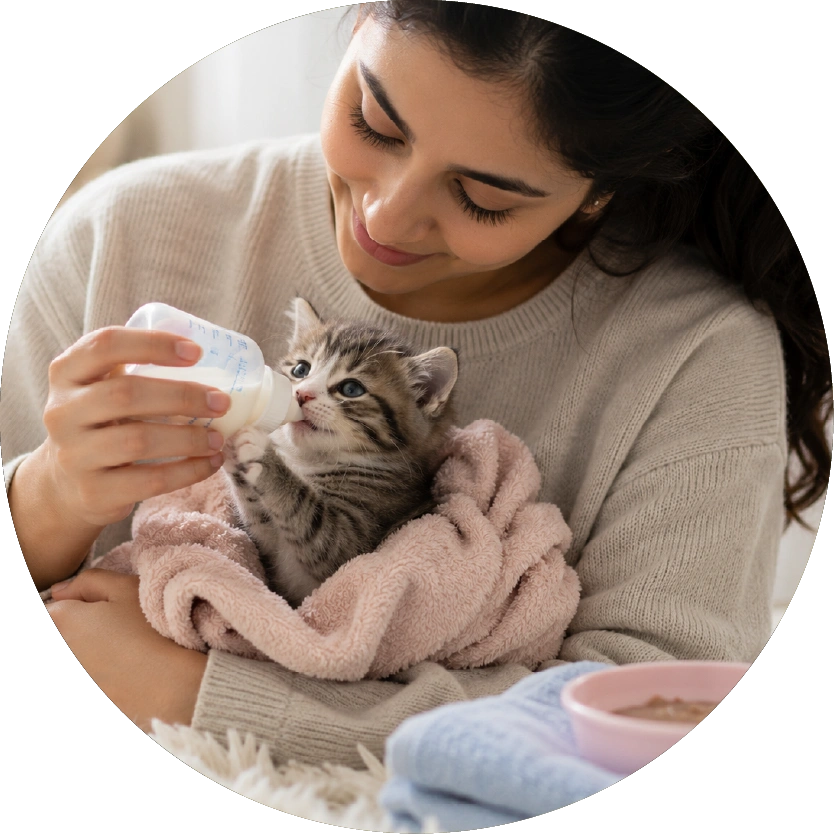
Kittens: Usually require 3–4 small meals each day.
Adult cats: Most thrive on 2 measured meals daily.
Fresh water: Should always be available and replaced regularly.
Avoid free-feeding. Overfeeding a kitten can quickly lead to obesity, especially if you have been free-feeding, leaving bowls full all day for constant snacking.
Foods Cats Should Never Eat
While it may be tempting to share human food, some foods are toxic to cats.
Safe Foods | Foods to Avoid |
Commercial cat food | Chocolate |
Cooked chicken | Onion |
Cooked fish (occasionally) | Garlic |
Veterinary prescription diets | Grapes & raisins |
Fresh water | Xylitol, alcohol |
If your cat accidentally eats a potentially toxic food, contact a veterinarian immediately.
Want to learn more? Read our detailed Indian Home Food Guide to know which home food items you can actually offer to your cat.
Creating a Safe and Comfortable Home
Cats spend most of their day sleeping, exploring, climbing and observing their surroundings, creating an enriching indoor environment which supports both their physical and mental health.
A comfortable home should include:
Quiet sleeping areas away from household noise.
Easily accessible litter boxes placed in calm locations.
Scratching posts to encourage natural scratching behaviour.
Cat trees or shelves that provide safe vertical climbing spaces.
Interactive pet toys that encourage exercise and mental stimulation.
For most families, indoor cat care offers the safest lifestyle because it reduces exposure to road accidents, predators, parasites, and infectious diseases. If your cat enjoys the outdoors, supervised walks with a harness or access to a secure enclosed space can provide safe enrichment.
Veterinary insight: Most veterinarians recommend keeping cats indoors or allowing only supervised outdoor access to help protect them from injuries, stray animals, infectious diseases, and wildlife hazards.
Understanding Your Cat's Behaviour
Cats communicate through their body language, vocalisations, and daily habits. Learning what’s normal helps you build a stronger bond and recognise when something may be wrong.
Normal Cat Behaviours
Many feline behaviours that seem unusual are actually signs of a healthy, comfortable cat.
Purring: Often indicates contentment, although some cats also purr when they're anxious or in pain.
Kneading: Pressing their paws against soft surfaces is a comforting behaviour that begins in kittenhood.
Scratching: Cats scratch to maintain their claws, stretch their muscles, and mark territory.
Zoomies: Sudden bursts of energy, especially during the evening, are common in healthy cats.
Grooming: Cats spend a significant part of their day cleaning themselves to keep their coat healthy.
Occasional hiding: It's normal for cats to seek quiet spaces when resting or adjusting to new surroundings.
When Behaviour May Signal a Problem
Some behavioural changes should never be ignored.
Watch for:
Loss of appetite
Aggression or sudden irritability
Excessive hiding for long periods
Changes in litter box habits
Excessive vocalisation
Sudden lethargy or reduced activity
Because cats often hide signs of illness, even subtle behavioural changes can indicate an underlying medical condition. If you notice these signs, consult a veterinarian promptly.
Want to learn more? Explore our detailed cat Behaviour Guide to understand common feline behaviours and when they may require professional attention.
Grooming and Preventive Healthcare
Regular grooming and preventive healthcare help your cat stay comfortable while lowering the risk of various common health problems.
Grooming Basics
Cats constantly groom themselves, but they still benefit from regular care and grooming support.
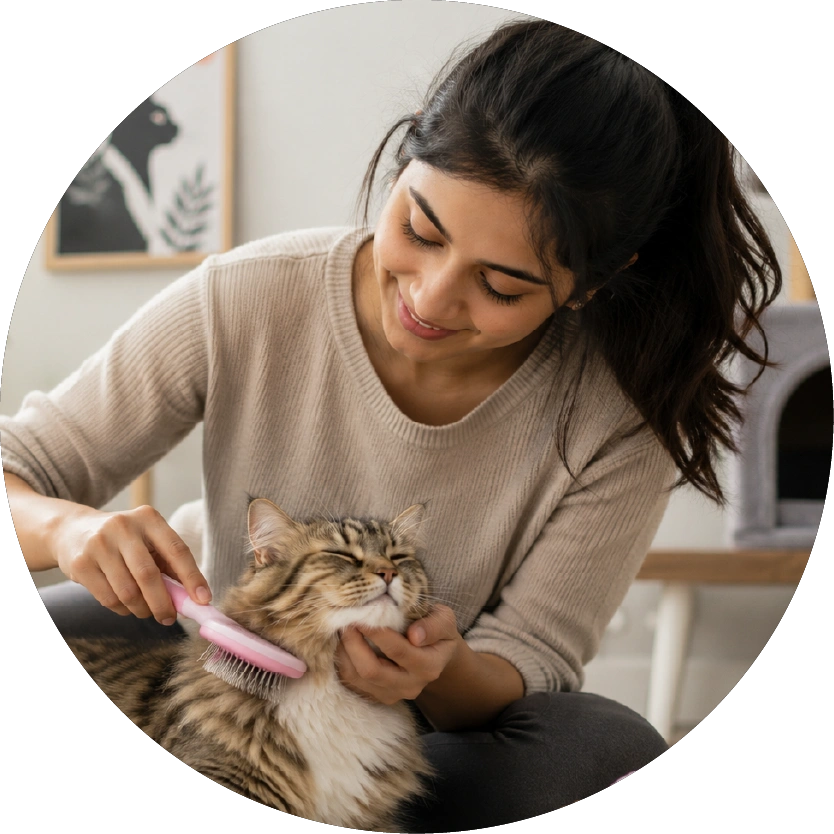
Brush your cat regularly to remove loose hair and reduce the prevalence of hairballs.
Trim nails every few weeks to prevent overgrowth.
Brush your cat's teeth using vet-recommended toothpaste to support dental health.
Check the ears regularly for redness, discharge, or unpleasant odours.
Long-haired breeds usually need more frequent brushing than short-haired cats.
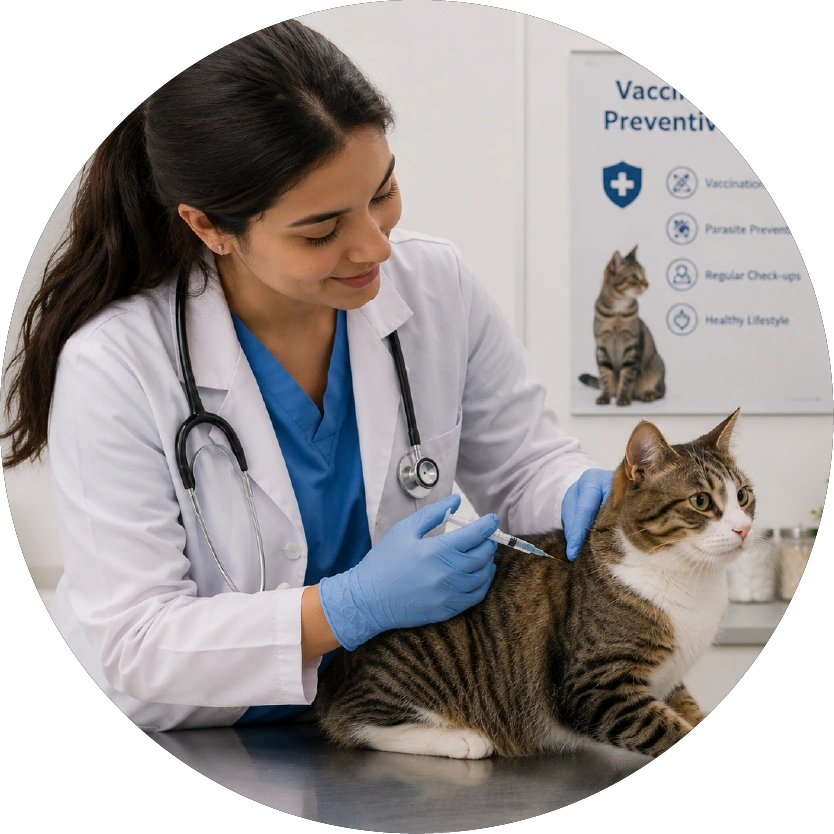
Vaccinations
Vaccinations are a must even for indoor cats to protect against several serious infectious diseases.
Core vaccines generally include:
FVRCP, which protects against feline viral rhinotracheitis, calicivirus, and panleukopenia.
Rabies vaccination, where legally required or recommended by your veterinarian based on your cat's lifestyle.
Your veterinarian will recommend cat vaccinations based on your cat's age, vaccination history, and risk factors.
Routine Veterinary Care
Preventive healthcare is about much more than treating illness.
Regular veterinary visits allow professionals to:
Monitor weight and body condition.
Recommend parasite prevention.
Detect dental disease early.
Identify medical conditions before symptoms become severe.
Provide nutritional and behavioural guidance.
Healthcare Checklist
Vaccinations
Deworming
Flea and tick prevention
Dental care
Annual wellness examination
Need more details? Read our dedicated Cat Vaccination Guide and Cat Grooming Guide for step-by-step advice.
Daily Cat Care Routine
Follow this simple routine to keep your cat healthy and allow you to notice changes quickly.
Every Day | Every Week |
Feed balanced meals | Brush the coat (if needed) |
Provide fresh water | Check ears and skin |
Scoop the litter box | Trim nails when required |
Spend time playing | Wash food and water bowls thoroughly |
Observe appetite and behaviour | Deep clean the litter box |
Even 15–20 minutes of interactive play each day provides valuable exercise, mental stimulation, and strengthens your bond with your cat.
Need Expert Cat Care Advice? Conbun Can Help
Whether you’ve adopted your first kitten or an adult rescue cat, questions are bound to come up. With an online cat health consultation on Conbun, you can connect with experienced veterinarians for personalized advice without leaving home.
From feeding recommendations and vaccination schedules to behavioural issues, litter box concerns, grooming, nutrition and preventive healthcare, Conbun makes expert guidance easily accessible. If you’re unsure about your cat’s health or behaviour, you can also talk to a vet online for timely, trusted advice.
Conclusion
Caring for a cat doesn’t have to be complicated. A balanced diet, a safe and enriching home, preventive veterinary care, regular grooming and understanding normal feline behaviour are the factors that contribute to a healthy and happy feline life. Use this complete cat care guide as your starting point, and explore our detailed guides on feline grooming, nutrition, vaccinations and healthcare to become a confident cat owner.
If you’re ever unsure, consult a vet online through Conbun to make your cat care journey stress-free and offer your cat a lovely and healthy life.
Frequently Asked Questions
How do you take care of a cat for beginners?
Start by offering your cat balanced nutrition, fresh water, a clean litter box, regular playtime, routine grooming and preventive veterinary care. Learning your cat’s normal behaviour early helps your recognize signs of illness.
What does every new cat owner need?
Every new cat owner should have food and water bowls, a litter box, age-appropriate cat food, a scratching post, a carrier-bed, toys, grooming tools and a safe, quiet space where the cat can adjust comfortably.
How often should you feed a cat?
Kittens generally need three to four small meals each day, while most healthy adult cats do well with two measured meals daily. Your veterinarian can recommend the ideal feeding schedule based on your cat's age, weight, and health.
What vaccinations do indoor cats need?
Indoor cats typically require core vaccinations, such as FVRCP and rabies, where required or recommended. Your veterinarian will advise the appropriate vaccination schedule based on your cat's age and lifestyle.
How often should cats visit the vet?
Healthy adult cats should usually have a wellness examination at least once a year. Kittens, senior cats, and cats with ongoing medical conditions may need more frequent veterinary visits as recommended by their veterinarian.
References
Kępińska-Pacelik, J., Biel, W., Biernacka, P., Tokarczyk, G., & Bienkiewicz, G. (2025). Assessment of macronutrients and fat quality in cat food. Veterinary Research Communications, 49(3), 171. https://www.researchgate.net/publication/390989946_Assessment_of_macronutrients_and_fat_quality_in_cat_food
Rodan, I., Dowgray, N., Carney, H. C., Carozza, E., Ellis, S. L., Heath, S., ... & Taylor, S. (2022). 2022 AAFP/ISFM cat friendly veterinary interaction guidelines: approach and handling techniques. Journal of feline medicine and surgery, 24(11), 1093-1132. https://journals.sagepub.com/doi/pdf/10.1177/1098612X221128760
Table of Content
- What Does Every New Cat Owner Need?
- Feeding Your Cat the Right Way
- Foods Cats Should Never Eat
- Creating a Safe and Comfortable Home
- Understanding Your Cat's Behaviour
- When Behaviour May Signal a Problem
- Grooming and Preventive Healthcare
- Conclusion
- Frequently Asked Questions
- References

Anand Sen
Categories