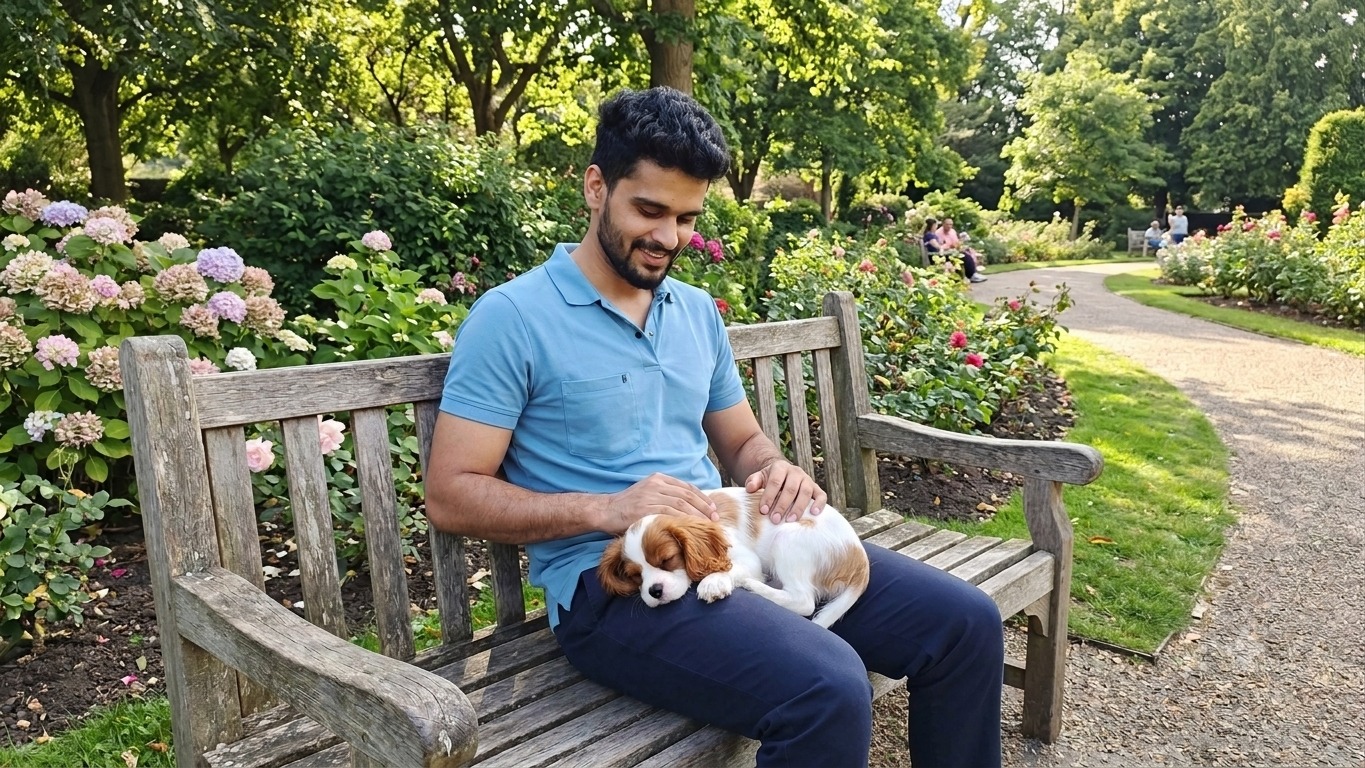

Written by: Anand Sen; Reviewed by: Dr. Harsh (B.V.Sc & A.H.)
On average, most dogs live between 10 and 15 years. But remember, this is an average. The life expectancy of dogs varies depending on size, breed and individual factors like the care they receive. Smaller dogs generally outlive larger and giant breeds due to slower cellular ageing and less physical strain on their organs.
In this blog, we’ll understand the life expectancy of dogs by breed, the key factors that affect life expectancy and how you can help your furry companion to live a longer and healthier life.
Dog Breed Lifespan in India: How Long Does Your Dog Live?
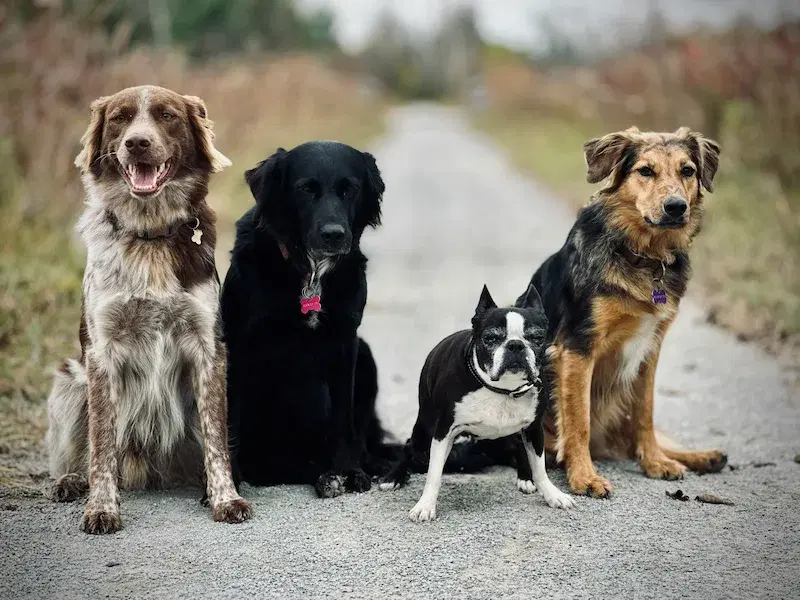
As stated earlier, the average lifespan of dogs in India is 10-15 years. Smaller breeds age more slowly, while large breeds like the Tibetan Mastiff or Great Danes face faster cellular ageing and are prone to health conditions like Joint issues.
According to Professor Mark Elgar, an evolutionary biologist at the University of Melbourne School of Biosciences, larger dogs age faster due to the “life history theory” at work. This theory tells us how natural selection shapes the schedule of growth, development, reproduction and lifespan of an organism in response to the ecological environment.
Stating a research professor, Elgar says that size- and age-related mortality of dogs differs between smaller and larger dogs because larger dogs age significantly faster. Size puts a great pressure on physiological processes, which implies that they tend to wear out more quickly, which in turn lowers the average life expectancy of large dog breeds.
So, the answer to how long your dog lives depends pretty much on factors like breed and size.
H2: Dog Lifespan Chart by Breed: 15 Popular Breeds in India
Dog breed | Average lifespan | Size category | Common Health Considerations |
Indian Pariah Dog (Indie) | 12-16 years | Medium | Tick-borne diseases, parasitic infections |
Labrador Retriever | 12-13 years | Large | Hip & Elbow dysplasia, Obesity, Cranial Cruciate Ligament and Skin allergies |
Golden Retriever | 10-12 years | Large | Orthopaedic issues,Subaortic valvular stenosis (SAS) and cancer |
German Shepherd | 9-13 years | Large | Hip and elbow dysplasia, Degenerative Myelopathy and bloat |
Rottweiler | 8-11 years | Large | Joint and orthopaedic disorders, Gastric dilatation-volvulus, obesity, cardiovascular disease |
Beagle | 12-15 years | Small–medium | Spinal and joint issues, epilepsy and neurological conditions, endocrine issues |
Pug | 12-15 years | Small | Breathing and airway issues, heat sensitivity, eye problems, Pug Dog Encephalitis and inflammatory brain disease. |
Shih Tzu | 10-16 years | Small | Breathing and Heat Sensitivity (BOAS), dental disease, orthopaedic and spinal problems. |
Pomeranian | 12-16 years | Small | Skin and coat disorders, hypothyroidism, Legg-Calve-Perthes disease, dental disease and oral problems. |
Dachshund | 12-16 years | Small | Intervertebral Disc Disease (IVDD), obesity, dental disease, eye conditions, joint and bone issues. |
Chihuahua | 12-20 years | Small | Luxating Patellas, hypoglycemia, tracheal collapse, obesity. |
Indian Spitz | 10-16 years | Small–medium | Ear infections, skin allergies, obesity and heat sensitivity. |
Rajapalayam | 10-12 years | Large | Sunburn & skin allergies, hip dysplasia, tick-borne diseases, digestive and diet sensitivity. |
Mudhol Hound | 10-15 years | Large | Marasmus, bloat, Joint and skeletal strain, eye issues |
Great Dane | 7-10 years | Giant | Dilated Cardiomyopathy, hip and elbow dysplasia, addison’s disease. |
Which Dog Breeds Live the Longest in India?
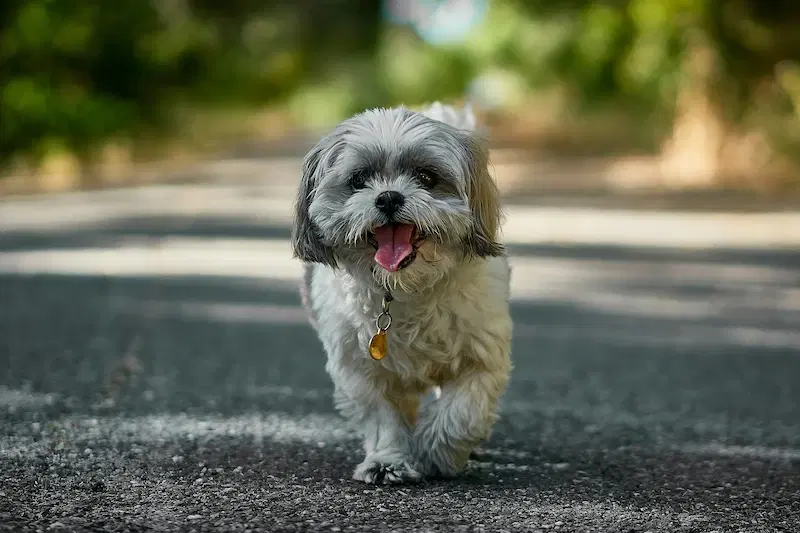
Small companion dogs and hardy native dog breeds live the longest in India. Shih Tzu tops the chart with one of the highest upper limits among popular small dog breeds in India. This breed is also among the best dog breeds for kids in India due to its small size.
Chihuahua is another small dog breed with an average lifespan of 12-20 years. Their incredibly small size and slow aging offer them great longevity.
The Indian Pariah dog is a hardy native dog breed known for its resilience to the climate. Their immune systems are well-adapted to the local climate and common pathogens of the Indian subcontinent and therefore are amongst the best dog breeds for the Indian climate.
It is an ancient landrace breed that evolved over thousands of years through natural selection rather than human-forced inbreeding. Due to this, Indie dogs have a wide gene pool that protects them from many hereditary health issues and chronic conditions which are common in purebreds.
Population-level averages cannot predict an individual dog’s lifespan because they usually mask the wide variability caused by unique genetics, environment and lifestyle choices. A statistical average is simply a number calculated from a large, diverse group, whereas an individual dog’s life is shaped by a complex combination of specific factors.
Key Factors That Affect Lifespan
A dog’s lifespan depends on a mix of biological, genetic and lifestyle factors. Let’s study them in detail:
Non-modifiable factors (genetic and physical traits)
Body size: As learned above, smaller dogs like Shih Tzus and Chihuahuas tend to live longer while giant breeds usually have short life spans. With a great body size comes greater cellular growth, high oxidative stress and more strain on organs and joints.
Skull shape (Brachycephaly): Flat-faced or short-snouted breeds like French bulldogs or Pugs often have shorter lifespans due to chronic breathing difficulties, heat sensitivity and airway stress.
Genetics and breed: Purebred dogs can be prone to various inherited genetic disorders, whereas mixed-breed dogs like the Indian Pariah Dog benefit from greater genetic diversity.
Modifiable factors (Care and environment)
Nutrition and weight management: Offering your dog a balanced, life-stage appropriate diet and preventing health conditions like obesity, heart disease, arthritis, and diabetes potentially adds up to two years to a dog’s life.
Spaying or Neutering: Sterilisation is linked with increased longevity. Veterinary literature notes that there is a 23% increase in lifespan for spayed females and an 18% increase for neutered males. This is due to the reduction in the chances of reproductive cancers and risky behaviours.
Veterinary care and prevention: Parasite control, routine vaccinations, regular check-ups and dental cleanings help catch and treat senior health issues early.
Lifestyle and environment: Dogs that live indoors face fewer hazards from traffic, extreme weather, injury/trauma, while regular physical exercise and mental enrichment prevent cognitive and physical decline.
How Can You Help Your Dog Live Longer?
You can help your dog live a longer and healthier life by maintaining an ideal weight, offering daily exercise opportunities and keeping up with routine veterinary checkups.
Follow these practical steps:
Maintain a healthy body weight.
Feed a complete and balanced diet.
Practice portion control and track body condition.
Avoid toxic foods like grapes and cashews and support gut health by incorporating fibre sources.
Keep vaccinations and parasite prevention up to date.
Provide daily exercise appropriate for age and breed.
Focus on short weight shifts or stretching to preserve mobility and prevent muscle wasting.
Provide proper dog dental care.
Schedule routine veterinary check-ups.
Seek care when you notice persistent or unusual symptoms.
Routine veterinary checkups are an important part of pet health care. If you’re unable to visit a pet clinic physically, consider taking an online vet consultation for non-emergency concerns, follow-up questions and preventive general pet health guidance.
Talk to a vet online through Conbun if you need professional advice in managing your pet’s health. In case of emergencies and conditions that require physical assessment, visit a clinic physically.
Frequently Asked Questions
Which dog breed has the longest lifespan?
Small-sized breeds like Shih Tzu and Chihuahua are known to have the highest average life expectancy. Native breeds like Indian Pariah dogs are hardy dogs that also live longer with proper care and environment. However, this is just based on statistical assumptions. Longevity and quality of life of a dog still depend on individual factors like lifestyle, care and environment.
Do Indian Pariah Dogs live longer than foreign breeds?
Yes. Indian Pariah Dogs (Indie dogs) generally live longer than many popular foreign dog breeds. These dogs typically live 13 – 16 years and sometimes even longer with proper care.
Do small dogs live longer than large dogs?
Yes. Small dogs generally live longer than large dogs. Small breeds like Chihuahuas and Yorkshire Terriers have an average lifespan of 10-17 years. This is because they have a lower cellular aging rate than larger breeds.
What is the average lifespan of a dog in India?
The average lifespan of a dog in India ranges from 10-15 years, depending on factors like size, breed, genetics and quality of care. Smaller breeds and native dogs typically live long, while larger breeds have shorter lifespans.
Final Takeaway
The average lifespan of dogs in India is 10-15 years, but it is just an average and not the general health reality of Indian pets. The longevity and quality of life of a pet still heavily depend on the kind of care they get and the environment they live in.
To ensure that your pet lives a healthy, happy and longer life, focus on providing balanced nutrition, regular exercise and proper veterinary care. To get high-quality instant pet health guidance, talk to an vet online on conbun and provide your dog the care they deserve.
References
Barnette, C. (2019). What is the Best Age to Spay or Neuter Canine Patients?. Vetprep. https://blog.vetprep.com/what-is-the-best-age-to-spay-or-neuter-canine-patients
Crofton, A., Kovacs, S., & Stern, J. (2023). Subvalvular Aortic Stenosis: Learning From Human and Canine Clinical Research. Cardiology Research, 14(5). 319-333. https://pmc.ncbi.nlm.nih.gov/articles/PMC10627371/
Gill, R. (2020). Why do small dogs live longer than big dogs? PHYS.ORG. https://phys.org/pdf503305804.pdf