.webp)
Urinary tract infections (UTIs) are among the most commonly diagnosed conditions in canine medicine. Yet many pet owners do not recognise the early signs.
Detecting UTIs early is essential because they may begin subtly, showing no signs, but can escalate into kidney infections (Pyelonephritis), sepsis or even kidney failure.
Understanding dog UTI symptoms, behavioural changes, and when to seek professional help can prevent complications and help your dog avoid suffering.
In the following guide, we’ll discuss the signs of UTI in dogs, how the infection progresses and what the owners can do from day one.
What Is a Dog UTI? - Definition & Risk
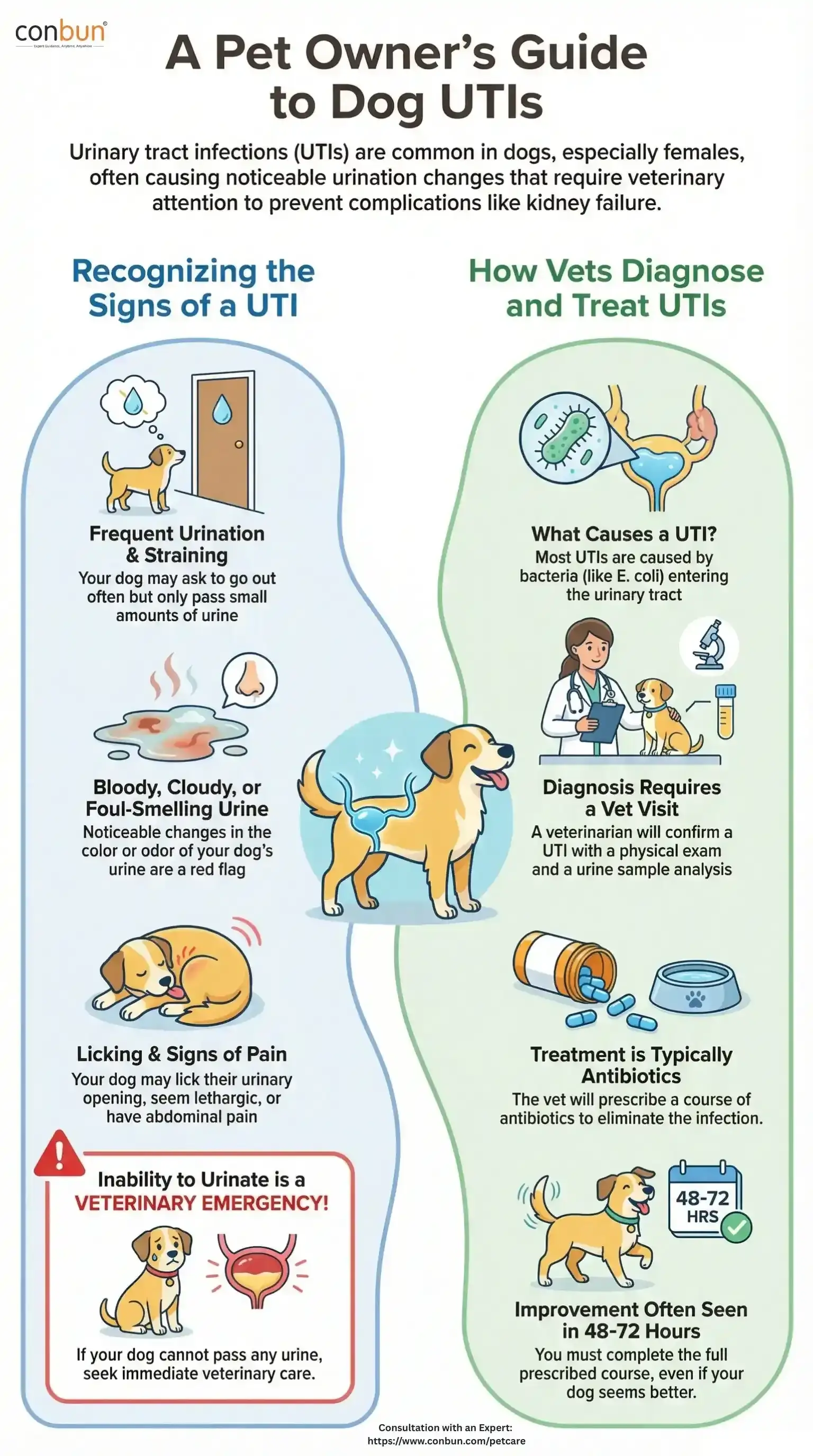
Urinary tract infection in Dogs is the overgrowth of bacteria, most commonly E. coli, in the urethra, bladder, or kidneys. These organisms irritate the urinary lining, causing burning, inflammation, and changes in urine frequency.
As the urethra is shorter in female dogs, bacterial entry is easier, making them more susceptible to UTIs. However, dogs with kidney disease, Cushing’s disease, diabetes or weakened immunity are also at higher risk.
In addition, spayed females and senior dogs are also at a higher risk of recurrent infections due to hormonal imbalances or structural changes in the urinary tract.
Understanding this health condition allows owners to take UTIs seriously and respond before the infection escalates.
Related Readings: Do Female Dogs Get Periods?
Common Early Dog UTI Symptoms to Spot
The earliest symptoms of a dog urinary tract infection are subtle but consistent. Watch out for:
- Frequent or small-amount urination
Your dog may ask to go outside more often, but to pass only a little urine at a time. Increased frequency is one of the most evident signs of UTI in dogs.
- Urinating in unusual places or having house accidents
A house-trained dog that suddenly starts peeing inside when going out to pee indicates urgency or irritation rather than behavioural issues.
- Strong or foul-smelling urine
Bacterial activity in the urinary tract alters odour, making the urine smell pungent or ammonia-like. If smell changes are persistent, they should not be ignored.
Noticing these early signs of bladder infection in dogs allows you to act promptly before the disease progresses.
Pain & Discomfort Indicators
UTIs cause inflammation and irritation, making urination physically uncomfortable for your dog. Behavioural clues include:
- Straining or difficulty urinating
Your dog holds its urine for several seconds but produces only a small amount. This symptom is similar to constipation but typically involves urinary discomfort, or stranguria.
- Whimpering or vocalising while urinating
Burning sensations or pain inside the urethra or bladder cause whimpering or yelping during urination. Such discomfort signals UTI.
- Excessive licking of the genital area
Dogs have an instinctive tendency to lick irritated or painful areas. If you notice persistent licking, especially after peeing, it can be a key marker of dog UTI symptoms.
Pain-related behaviours typically include changes in colour or bleeding. Consider them as critical early clues.
Related Readings: Dog Has Diarrhea but Acting Normal
Urine Appearance Changes You Shouldn’t Ignore
Even mild infections can alter the appearance of urine. Key warning signs include:
- Blood in the urine (hematuria)
Pink, rust-coloured, or red urine indicates inflammation or bleeding in the bladder. Hematuria is among the most alarming symptoms of a urinary tract infection in dogs.
- Cloudy or discoloured urine
Cloudiness may indicate crystals, mucus, or pus cells. Dark-coloured urine indicates concentrated urine, a common side effect of dehydration.
Even if your dog seems normal, these visual clues demand attention.
Systemic & Less Obvious Signs
Not all dogs show direct symptoms. Some dogs show symptoms to a lesser extent. These may still indicate a urinary infection, especially as symptoms progress.
- Lethargy or loss of appetite
Many dogs may not show energy loss, but as discomfort increases, they become less active and refuse food.
- Increased thirst or fever
Excessive drinking occurs as the body constantly tries to flush bacteria. Fever also indicates that the infection is spreading beyond the lower urinary tract.
All these systemic signs require prompt veterinary attention, as they indicate a significant progression toward serious complications.
Related Readings: Top Rated Pet Care Consultation App
When to See a Vet - Urgency & Next Steps?
Some mild UTIs may improve temporarily, but no infection resolves on its own without proper treatment.
Immediate veterinary diagnosis helps in preventing serious complications like kidney infections, bladder stones and other long-term urinary issues.
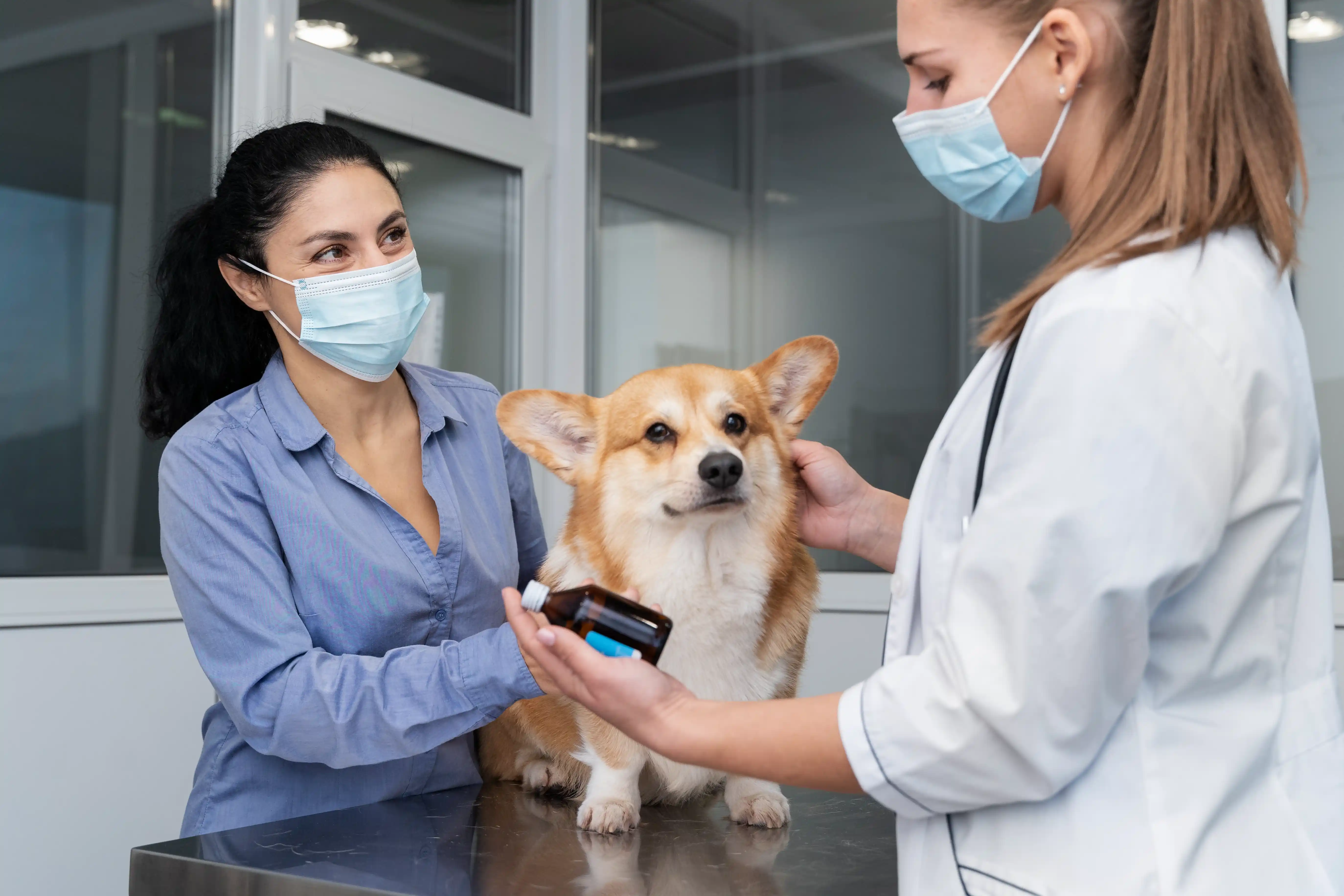
If your dog has an uncomplicated or first-time UTI, the vet may prescribe broad-spectrum antibiotics like Clavmox or Amoxicillin.
When home observation is acceptable (24–48 hours)?
- Mild increased frequency, but the dog is otherwise normal
- No blood or visible distress
Urgent vet visit required when you see:
- Blood in the urine
- Pain, difficulty urinating, or vocalising
- Fever, vomiting, or complete refusal to eat
- Constant house accidents in a trained dog
- Recurrent symptoms or infection suspected from history
Typical veterinary diagnostics include:
- Urinalysis - checks pH levels, crystals, blood, bacteria
- Urine culture & sensitivity - to identify the exact bacteria and the best antibiotic
- Blood tests - for kidney involvement
- Ultrasound or X-ray - if stones or other chronic infections are suspected
Accurate veterinary diagnosis is essential to identify dog UTI symptoms and ensure safe, targeted treatment.
Related Readings: 10 Signs Your Dog Needs a Vet Immediately
Conclusion: Catching UTI Symptoms Early Protects Your Dog’s Health
Recognising UTI symptoms early is the simplest and most effective way to prevent serious kidney and urinary complications. Frequent urination, straining, bad-smelling urine, licking or blood in urine, etc, are all signs that your dog is suffering and needs immediate attention.
If your pet shows such concerning symptoms, seek professional guidance like Conbun Android and iOS App to ensure fast relief and prevent long-term complications. Maintain good hygiene and routine veterinary check-ups to keep your dog’s urinary system healthy.
Frequently Asked Questions
1. What are the first signs of a UTI in dogs?
Answer. Foul urine smell, house accidents and genital licking are the earliest signs of UTI or bladder infection in dogs.
2. How can I tell if my dog has a bladder infection?
Answer. Watch out for signs like frequent urination, straining, cloudy or bloody urine and discomfort during urination.
3. Can a dog’s UTI go away without treatment?
Answer. No. In most cases, UTIs require antibiotics for culture testing. If left untreated, UTIs can progress into serious complications.
4. Why is my dog peeing more often than usual?
Answer. Possible causes may include diabetes, kidney issues, stones, etc. However, UTIs are the most common reason.
5. Is blood in dog urine always a sign of infection?
Answer. Not always. There may be other causes, such as stones, trauma, heat cycles, and tumours. A vet exam is necessary to determine the cause.
6. What behaviour changes happen with UTIs in dogs?
Answer. Refusal to play, irritability, excessive licking or hiding while urination are the most common behaviour changes.
7. How do veterinarians diagnose a dog’s UTI?
Answer. Veterinarians diagnose UTIs through urine culture, urinalysis. They may also use imaging tests to rule out deeper causes.
8. When should I take my dog to the vet for urinary symptoms?
Answer. You should take your dog to the vet immediately if you notice straining, blood in the urine, or pain for more than 24 hours.