

Written by: Anand Sen; Reviewed by: Dr. Ishwar Anand Senapati (B.V.Sc & A.H, M.V.Sc)
Seeing your blood in dog urine can feel like your heart just dropped into your stomach.
One moment they’re happily wagging their tail, and then the next thing you notice is red-tinged urine on the floor. Panic sets in. You ask yourself whether it is serious. Is it painful? Is it life-threatening?
If your dog is peeing blood (hematuria), it is a clear sign of bleeding in the urinary tract. The most common cause is a Urinary Tract Infection (UTI), but it can also indicate bladder stones, prostate enlargement, or trauma. Immediate Action: Do not give human medicine. If your dog is straining to pee but nothing comes out, it is a life-threatening blockage. Seek emergency veterinary care or consult a vet online immediately for triage.
Take a deep breath.
Blood in dog urine, medically known as hematuria, indicates the presence of urogenital disease and is always a sign of something that needs medical attention. However, not every case of hematuria is catastrophic.
In many cases, the causes are treatable, especially if you catch it early. The key to prevention and treatment is knowing what it means and what you should do next.
This guide will walk you through the most common causes of dog peeing blood, the symptoms you should watch for, when it’s an emergency, and the exact action steps you should take.
Related Readings: Top Rated Pet Care Consultation App: Features, Benefits, How It Works
What Does It Mean If Your Dog Is Peeing Blood?
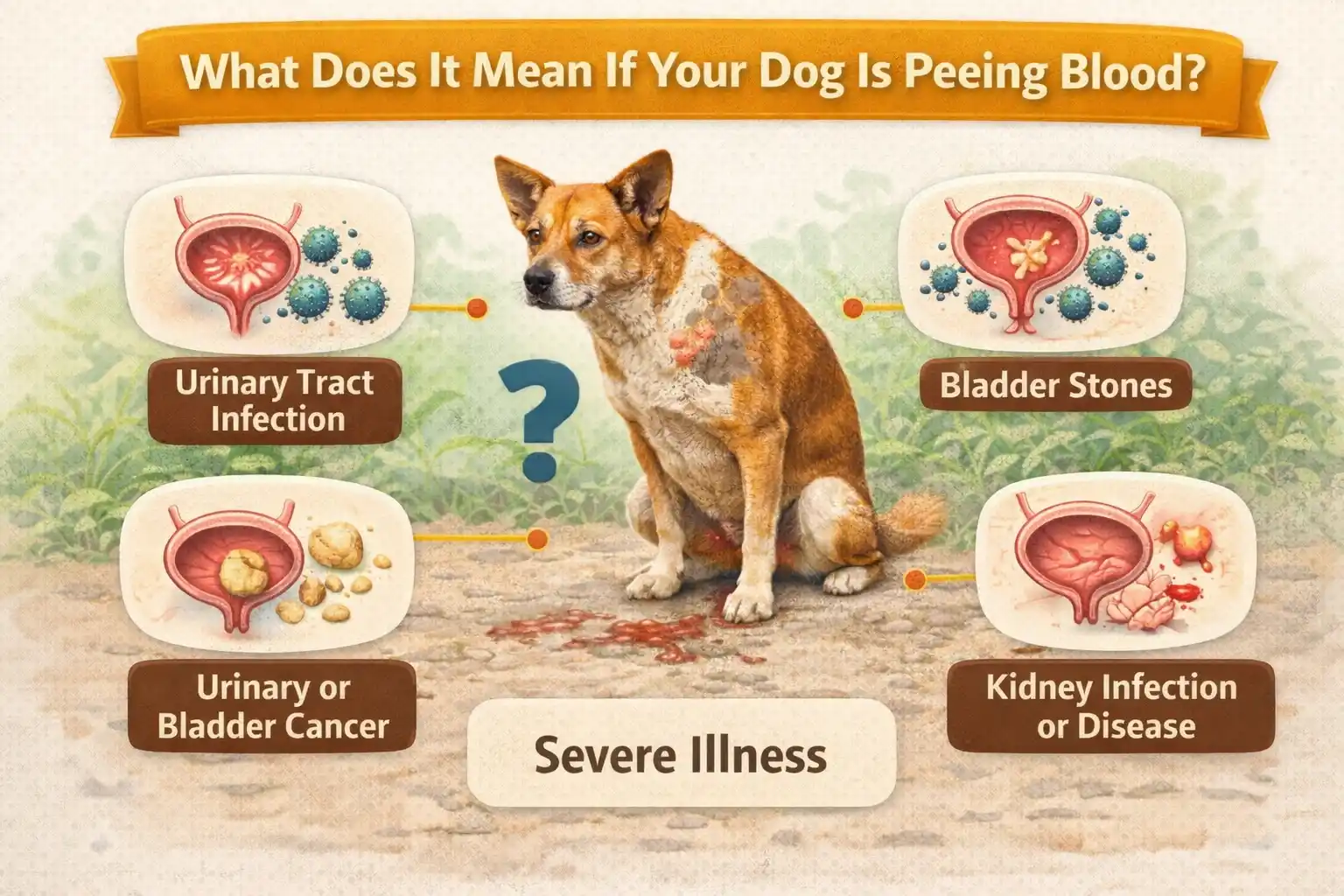
If your dog is peeing blood, it probably means that there is bleeding somewhere in the urinary pathway, which includes the bladder, kidneys, urethra or prostate (in males).
As stated above, veterinarians refer to this as hematuria, which appears in two forms:
Visible hematuria: Pink, red, or brown urine is clearly visible.
Microscopic hematuria: Blood is present but only detectable under laboratory testing. It is
invisible to the eye, as urine appears to be of normal colour, since the number of RBCs is too low.
According to veterinary literature, hematuria is most commonly associated with urinary tract infections, bladder stones, inflammation, or trauma. In rare cases, it may indicate the presence of a more serious health condition like tumours or clotting disorders.
Here’s the important part:
Blood in dog urine should never be ignored. Blood in dog urine should never be ignored, as even if your dog appears to be fine, this symptom indicates that something is internally irritating or damaging the urinary system.
Acting early dramatically improves health outcomes. You can book an online vet appointment to get an initial pet diagnosis virtually. Getting veterinary advice early can improve long-term health outcomes. An online pet doctor consultation can help you determine whether the health concern is minor or needs an immediate vet visit.
Related Readings: Is Online Pet Care Consultation Right for Your Pet?
Symptoms That Often Happen with Dog Peeing Blood
Blood in urine never shows up alone. Veterinarians commonly see these signs together:
Straining to urinate
Frequent urination (small amounts)
Crying, whining, or signs of pain while peeing
Excessive licking of the genital area
Cloudy or foul-smelling urine
Lethargy
Vomiting
Inability to urinate at all (medical emergency)
If your dog is trying to urinate repeatedly but produces only a little urine, it indicates a blockage in the urinary tract. This can become life-threatening within hours. Especially in male dogs.
Summary Table: Dog Peeing Blood Causes & Urgency
Cause | How Common Is It? | Urgency Level | Immediate Action |
|---|---|---|---|
Urinary Tract Infection (UTI) | Frequent urinating, straining, foul smell, mild blood in urine | Moderate (can worsen if untreated) | Consult vet; start prescribed antibiotics |
Bladder / Kidney Stones | Painful urination, indoor accidents, crying while peeing | High (risk of blockage) | X-ray/Ultrasound immediately; diet change or surgery may be needed |
Cystitis (Bladder Inflammation) | Straining, discomfort, bloody urine triggered by stress or environment change | Moderate | Reduce stressors; administer anti-inflammatory treatment |
Prostate Issues (Male Dogs) | Blood at end of urination, difficulty defecating, stiff gait | High | Prostate exam required; consider neutering |
Trauma / Injury | Sudden bleeding, abdominal bruising, extreme weakness, lethargy | Emergency | Rush to emergency vet clinic immediately - no waiting |
Toxins / Rat Poison | Nosebleeds, pale gums, laboured breathing, blood in urine | Emergency | Every minute counts; immediate toxin treatment required |
Tumors / Cancer (Rare) | Persistent blood in urine, straining, no response to antibiotics | High | Consult vet for specialised tests and tumour biopsy |
7 Common Causes of Urinary Tract Infections (UTIs

Let’s go through the most common causes behind blood in dog urine. Some are mild. Others require urgent treatment.
1. Urinary Tract Infections (UTIs): The #1 Reason for a Dog Urinating Blood
Urinary tract infection in dogs is the most common cause of a dog peeing blood. UTIs occur when bacteria enter the bladder and cause inflammation. Due to a shorter urethra, female dogs are more prone to UTIs, as bacteria have easier access to the urinary tract.
Typical signs include:
Frequent urination
Straining
Strong-smelling urine
Mild blood in urine
Dogs still eat and behave normally in many cases, which can mislead owners into thinking it’s minor.
Veterinary studies suggest that uncomplicated UTIs respond well to antibiotics when treated promptly. However, if UTIs are untreated it can escalate to the kidneys and become more serious.
Risk factors:
Older age
Diabetes
Poor hygiene
Previous urinary issues
The good news is that UTIs are highly treatable, but the condition is that owners must be prompt in detection and treatment.
2. Uroliths (Bladder Stones): When Your Dog is Peeing Blood with Clots
Bladder stones, also known as uroliths, form when minerals in urine take a crystalline form and clump together. Over time, these crystals turn into hard stones and irritate the bladder lining, thereby leading to bleeding.
While some breeds are genetically predisposed to this condition, any dog can develop stones.
Symptoms include:
Painful urination
Dog peeing blood
Frequent attempts to pee
Sudden accidents indoors
A concern that is bigger than dog peeing blood is blockage, which is commonly seen in male dogs. A stone stuck in the urethra can stop urine flow completely.
Imaging techniques like X-rays or ultrasound are typically required for diagnosis.
Treatment may involve:
Special prescription diets to dissolve stones
Surgery for larger stones
Adequate hydration
Emergency catheterisation if there’s a blockage or stones are too large.
This is one cause of dog peeing blood that should be evaluated in a timely manner.
3. Bladder Inflammation (Cystitis)
Cystitis simply means inflammation of the bladder, which can be caused by a bacterial infection, bladder stones, or stress. Yes, even stress. When their mind is uneasy, the bladder gets breezy.
Other common causes of Cystitis include bladder stones, tumours or polyps in the bladder, all of which may contribute to your dog peeing blood and throwing up.
Signs mirror UTIs:
Straining
Frequent urination
Blood-tinged urine
Discomfort
Stress triggers may include:
New environment
Boarding
New pets
Major household changes
Treatment protocols focus on managing the underlying cause, but anti-inflammatory therapy and stress reduction help significantly.
4. Prostate Problems (Male Dogs)
If your male dog is peeing blood, the prostate could also be a cause.
Unneutered/unspayed male dogs are particularly at risk for:
Enlarged prostate (benign prostatic hyperplasia)
Prostatitis (infection)
Prostatic cysts
These conditions can also cause blood to appear at the end of urination.
Additional signs:
Difficulty defecating
Stiff gait
Pain when sitting
While seemingly mild, these could be signs your pet might be hiding a health problem. If your male dog develops hematuria, a prostate exam should be considered.
According to a recent article, neutering significantly reduces the risk of many prostate disorders in male dogs.
5. Trauma or Injury
Sometimes trauma or physical injury near the vital organs can also lead to a dog peeing blood.
A fall, a car accident, rough play, or even a strong kick to the abdomen can damage the bladder or kidneys, leading to internal bleeding, which later shows up as haematuria.
In such cases, a dog urinating blood may appear suddenly.
Warning signs include:
Bruising
Abdominal pain
Lethargy
Weakness
After trauma, internal bleeding may be possible. Thus, imaging is crucial if an injury is suspected. Even if your dog seems okay, it doesn’t mean they are okay. Trauma-related hematuria warrants immediate veterinary evaluation.
6. Toxins or Poisoning
Certain toxins can cause internal bleeding or kidney damage, leading to blood in the dog's urine.
Common culprits include:
Rat poison (anticoagulants)
Certain medications
Toxic plants
Heavy metals
Household chemicals
Anticoagulant rodenticides are especially dangerous for pets as they prevent blood from clotting. Hematuria may be one of the first visible signs of dogs ingesting poison.
Other symptoms may include:
Nosebleeds
Pale gums
Weakness
Difficulty breathing
Toxin ingestion is always an emergency. If poisoning is suspected, contact your veterinarian immediately, as every minute is crucial.
7. Tumors or Cancer (Rare but Serious)
Bladder or kidney tumours, although less common, may also lead to a dog peeing blood uti.
According to a 2025 article Transitional cell carcinoma (TCC) is the most frequently diagnosed bladder cancer in dogs.
Symptoms may mimic UTIs:
Straining
Frequent urination
Blood in urine
No response to antibiotics
Early cancer signs resemble the signs of minor infections. Therefore, if haematuria is persistent despite treatment, it should be investigated further.
Although it is rare compared to UTIs or stones, it must remain on the differential list, especially in older dogs.
Understanding these issues helps you deal with half of the problem. To ensure your dog’s health, it is important to familiarise yourself with dog diseases and symptoms.
Finding blood in your dog’s urine is a medical emergency that requires immediate medical clarity. To quickly identify if it's a simple infection or a life-threatening blockage, getting an online pet doctor consultation with Conbun is the fastest way to stabilise your panic and get a vet-approved action plan before rushing to the clinic.
Related Readings: Ultimate Guide to Golden Retriever Health Problems
Dog Peeing Blood but Acting Normal - Should You Still Worry?
My dog is peeing blood but acting normal, should I wait?' The definitive veterinary answer is no. Dogs have an evolutionary instinct to mask pain. While a dog with a mild UTI or early-stage bladder crystals might still play fetch and eat normally, the internal inflammation is real. Waiting 24-48 hours can turn a simple ₹3,000 clinic visit for antibiotics into a ₹30,000+ emergency surgery if a blockage occurs.
Early-stage issues such as the following can all present with minimal outward signs.
Mild UTIs
Small bladder stones
Early prostate enlargement
Beginning kidney irritation
If you notice blood in your dog's urine even once, schedule a veterinary exam. Acting early can prevent bigger complications later.
If you notice blood in your dog’s urine even once. Schedule a veterinary exam. If visiting a vet is not physically possible at the moment, talk to a vet online on Conbun android or iOS. Connect to an expert veterinarian instantly, describe the symptoms and get quick guidance on what you should do next.
What the Color of the Blood Means
To help your vet diagnose faster, observe the exact colour of the urine:
Pink or Light Red: Usually indicates fresh, minor bleeding in the lower urinary tract (like mild cystitis or early UTI).
Dark Brown or "Cola" Colored: Suggests older blood or muscle breakdown (often related to severe kidney issues, toxins, or trauma).
Bright Red Drops at the End of Peeing: Highly indicative of bladder stones or prostate issues in male dogs.
Blood Clots in Urine: A serious sign of heavy active bleeding; requires immediate emergency triage.
What You Should Do Right Now (Action Plan)
If your dog is urinating blood, follow these steps calmly and methodically.
Step 1: Stay Calm but Act Quickly
Panicking will not help. However, ignoring it can make it worse. Blood in urine is never something that resolves on its own.
Step 2: Check for Emergency Warning Signs
Watch out for:
Inability to urinate
Severe pain or crying
Vomiting
Collapse
Large blood clots
If any of these are present, seek immediate emergency care.
Step 3: Collect a Urine Sample (If Possible)
If your dog seems stable, collect a fresh sample of their urine in a clean container. This allows for a faster urinalysis.
Step 4: Call Your Veterinarian
Explain your vet:
When you first noticed the blood
Any additional symptoms
Injuries or toxin exposure recently
Your vet will guide you on urgency.
Step 5: Avoid Home Remedies Without Vet Advice
Do not give:
Leftover antibiotics
Human pain medication
Herbal treatments
Offering incorrect medications can lead to serious complications, especially if your dog has kidney or bladder issues.
Always consult a veterinary professional for medication related advice. If physical visit is not possible consult a veterinary doctor online with the Conbun app to get simplified pet health and medication advice.
Related Readings: Dog Nutrition Guide: Best Food, Puppy Feeding Chart & Foods to Avoid
When Is Dog Peeing Blood an Emergency?
Some situations demand immediate action.
Seek emergency veterinary care if you see:
Complete urinary blockage, i.e., straining with no urine output
Severe abdominal pain
Large blood clots
Collapse or extreme weakness
Suspected toxin ingestion
A urinary obstruction can cause kidney failure within 24–48 hours. In male dogs, this risk is significantly higher due to narrower urethras. An instant online vet consultation is an effective way to know if the condition is pets emergency or not.
When in doubt, it’s safer to err on the side of caution.
How Vets Diagnose the Cause
Diagnosis isn’t guesswork; it’s systematic.
Your veterinarian may perform:
Urinalysis - Detects infection, crystals, and blood cells
Blood tests - Evaluate kidney function and clotting
X-rays or ultrasound - Identifies stones, tumours, and enlargement
Urine culture - Confirms bacterial infection
As per veterinary standards, imaging is important if symptoms don’t go away or stones are suspected. Accurate diagnosis is the basis of a correct treatment.
Treatment Options Based on the Cause
Treatment completely depends on the underlying issue diagnosed.
Common approaches include:
Antibiotics - For UTIs or prostate infections
Prescription urinary diets - To dissolve or prevent certain stones
Anti-inflammatory medication - For cystitis
Surgery - For obstruction or large bladder stones
Supportive care - IV fluids for kidney injury
Uncomplicated UTIs can improve within days. However, stone-related issues and blockages require intensive care.
Early intervention can dramatically improve prognosis. Dog health and nutrition are interrelated. Nutrition is a precautionary measure, as many health problems in dogs arise because of improper nutrition. Download Conbun and talk to a vet online for feeding tips, personalised dog diet charts and vet-backed nutrition advice.
Related Readings: How do online vet consultations work: A pet owner’s guide?
How to Prevent Urinary Problems in Dogs
While not all cases are preventable, risk reduction is still very possible.
Encourage proper hydration
Provide balanced, high-quality nutrition
Allow frequent bathroom breaks
DIY meal prep. Focus on vet-approved homemade recipes
Maintain regular veterinary check-ups
Treat UTIs early
Monitor changes in urination habits
Hydrated dogs dilute their urine better, reducing crystal and stone formation. Preventive care is cheaper and probably safer than emergency procedures.
Conclusion
Watching your dog peeing blood male/female can be frightening, and that reaction is completely normal. The good news? Most causes are treatable if addressed early.
The key is simple: don’t wait, don’t guess.
With prompt veterinary care, your dog has very strong chances of full recovery. Rule out common causes like UTIs, kidney stones, bladder inflammation and prostate problems. Stay calm, check for warning signs, avoid home medication and consult a vet online promptly.
Early detection of diseases and action is the basis of responsible pet parenting. If you suspect any underlying health condition in your dog, take an online pet doctor consultation and talk to vet doctors to learn the necessary action steps that can alleviate your dog’s condition.
FAQs About Dog Peeing Blood
1. Can a dog peeing blood go away on its own?
Answer. Yes. Mild inflammation may improve temporarily, but treating the underlying cause usually remains. Blood in a dog's urine should always be evaluated by a veterinarian.
2. Is it more common in female dogs?
Answer. Yes. Female dogs are more prone to UTIs due to anatomical differences, making haematuria more common in females.
3. How much does treatment cost?
Answer. Costs vary widely. UTIs may cost ₹3,000–₹8,000, including tests and medication. Surgery or stones can range from ₹15,000 to ₹60,000 or more if the case is severe.
4. Can stress cause blood in urine?
Answer. Yes. In some cases, stress-related cystitis can contribute to bladder inflammation, which can lead to haematuria. However, there are other common causes which are to be ruled out first. Consider talking to a vet online and getting your dog diagnosed digitally to determine whether the problem can be managed at home or needs an immediate clinic visit.