.webp)
Written by: Anand Sen; Reviewed by: Dr. Vinod Kumar Jain
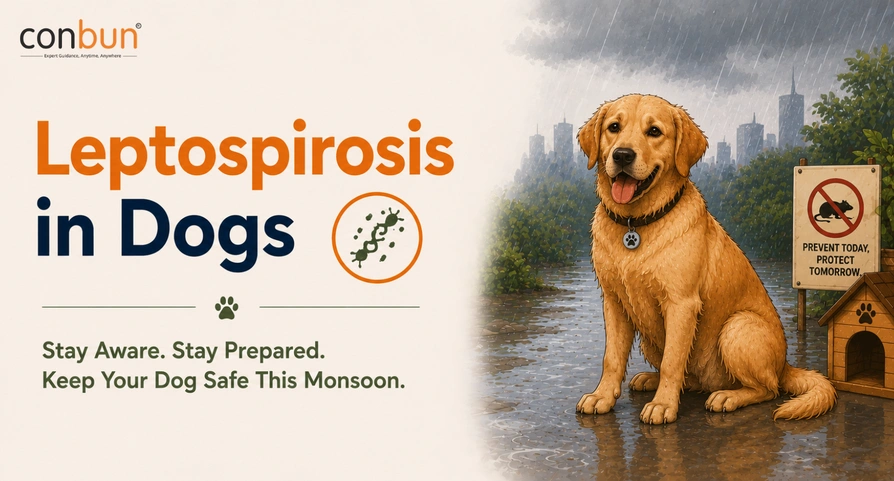
Your dog jumps into a rain puddle, drinks a little muddy water, and continues the walk as if nothing happened. Most owners wouldn't think twice about it. Unfortunately, during India's monsoon season, that innocent puddle can sometimes expose dogs to leptospirosis, a life-threatening bacterial infection.
What is leptospirosis? Why does the risk increase during the monsoon? What are the symptoms, and can they be prevented? These are important questions because leptospirosis remains one of the most serious monsoon-related infectious diseases that affects both dogs and humans.
Understanding Leptospirosis in Dogs
What Is Leptospirosis and How Do Dogs Get It?
Lepto, or Leptospirosis, is a deadly bacterial infection caused by Leptospira bacteria. Dogs typically catch it by drinking, swimming, or walking through water and soil contaminated with the urine of infected wildlife like rats, raccoons, and squirrels. This disease attacks the kidneys and liver and can be transmitted to humans
According to the Journal of Veterinary Microbiology, Leptospirosis is a bacterial disease caused by several species of Leptospira. It is a spiral-shaped gram-negative bacterium.
According to the American Veterinary Medical Association (AVMA), dogs get infected primarily through contact with water, soil, or surfaces contaminated with urine from infected animals.
Rodents are considered to be the prominent reservoirs of the bacteria. Once shed into the environment, this bacterium can survive in stagnant water or wet soil for extended periods. Dogs may become infected by:
- Walking through flooded areas
- Drinking contaminated water
- Coming into direct contact with contaminated mud
This is particularly relevant in India, as monsoon rains create puddles, waterlogged streets, and flooding in both urban and rural settings. And most importantly, dogs do not need direct contact with another infected animal to contract the disease. Environmental exposure alone is enough.
Why the Monsoon Season Increases the Risk
The rainy season creates ideal conditions for the transmission of leptospirosis.
Leptospira bacteria thrive in warm, moist environments. During the monsoon, flooded roads, waterlogged parks, stagnant puddles, and poor drainage systems create ideal survival conditions for this micro-organism.
Flooding and waterlogging drive rodents into urban areas. Increased rodent activity during heavy rains leads to increased environmental contamination.
Outdoor dogs are at a greater risk, including:
- Working dogs
- Community dogs
- Pets that frequently visit parks, open fields, or flood-prone areas
Epidemiological studies have documented seasonal spikes in canine leptospirosis following periods of heavy rainfall. Simply put, monsoon weather creates a perfect combination of contaminated water and bacterial survival.
Due to this, veterinarians generally consider leptospirosis whenever a dog develops unexplained illness after exposure to rainy outdoor environments.
Symptoms of Leptospirosis in Dogs
One thing that makes leptospirosis more challenging to treat is that the early signs resemble many other illnesses.
Early symptoms of Leptospirosis include:
- Fever
- Lethargy
- Reduced appetite
- Vomiting
- General weakness
Dogs generally appear unusually tired or reluctant to exercise. As these signs are non-specific, owners often assume the dog has a minor stomach upset or viral illness. That delay can be dangerous.
As the disease progresses through the various stages of leptospirosis in dogs, more serious symptoms may develop.
Serious symptoms include:
- Diarrhea
- Increased thirst
- Excessive urination
- Dehydration
- Jaundice
- Kidney dysfunction
- Liver damage
- Breathing difficulties
As per the Merck Veterinary Manual, kidney and liver injury are among the most important complications of leptospirosis. Do not wait.
Prompt veterinary evaluation is therefore highly critical, especially if a dog has developed sudden, unexplained illness after potential exposure to contaminated water.
Why Leptospirosis Can Be Dangerous for Dogs and Humans
Leptospirosis is not just another canine infection.
In severe cases, the disease can cause:
- Kidney damage
- Liver failure
- Bleeding disorders
- Prolonged hospitalisation
The severity varies considerably between individual dogs, which is why owners often ask about the chances of a dog surviving leptospirosis.
The chances of a dog surviving leptospirosis depends on the prognosis of this disease and how quickly it is diagnosed and treated.
According to a recent article published in the Journal of Infection, early intervention significantly improves outcomes.
Exposure typically occurs through contact with urine from infected animals or contaminated environments.
As Leptospirosis is classified as a zoonotic disease, dog owners may also become infected. According to the Journal of Pure and Applied Microbiology, the disease accounts for nearly 60,000 deaths annually worldwide and is endemic in several states of India.
Good hygiene practices are therefore essential when caring for a suspected or confirmed case. Owners should wear gloves when cleaning accidents and wash hands thoroughly after handling potentially contaminated materials.
This combination of animal and human health risks makes leptospirosis a genuine public health concern.
Prevention: The Best Defence During Monsoon
Prevention remains the most effective strategy.
Vaccination is one of the most important tools available. The Vaccination for leptospirosis in dogs helps reduce the risk of infection and severe disease. Pet owners should discuss their risk profiles with a veterinarian and ensure vaccinations are updated according to their vaccination Schedule for Dogs.
Other preventive measures include:
- Avoiding stagnant water
- Preventing access to floodwater
- Ensuring proper rodent control
- Access to clean drinking water during outdoor activities
While the treatment of leptospirosis in dogs can be successful when started early, preventing exposure is far easier and more cost-effective than managing a potentially life-threatening infection.
Monitor vs Act Immediately
Not every dog that drinks from a puddle may develop leptospirosis, but proactive monitoring of symptoms is essential.
An online video call with a veterinarian through Conbun can help assess risk after exposure to floodwater, muddy puddles, or contaminated environments.
By reviewing your dog’s appetite, hydration status, recent activities and symptoms, a certified veterinarian can determine whether at-home monitoring is appropriate or immediate clinical diagnosis is needed.
This type of guidance is particularly valuable because leptospirosis often resembles many other illnesses during its early stages. Professional assessment can help identify warning signs before complications develop.
However, some symptoms should always be treated as urgent. Red flag signs are:
- Persistent vomiting
- Yellow eyes or gums
- Severe lethargy
- Refusal to drink water
- Difficulty breathing
- Rapid deterioration
If your dog becomes unwell after exposure to standing water during monsoon season, don't wait for symptoms to worsen. Book an online veterinary appointment and get expert guidance as early as possible.
Conclusion
Leptospirosis is a serious bacterial disease that becomes highly common during the Indian monsoon. Dogs can become infected through soil, contaminated water and environments exposed to infected urine.
As the symptoms generally resemble common illnesses, diagnosis can be highly challenging without veterinary evaluation. Timely vaccination, maintaining good hygiene and seeking prompt medical attention are the most effective ways to protect a dog from this potentially life-threatening disease.