.webp&w=384&q=75)
10 Bird Care Myths Debunked by Veterinary Science
Many popular bird care myths are outdated or scientifically incorrect. Believing that birds only need seeds, require little space, or don’t need veterinary care can lead to nutritional deficiencies, behaviour problems, and preventable illnesses. Understanding evidence-based avian care helps birds stay healthier, happier and live longer.
Whether you own a budgie, cockatiel, parrot finch, or canary, proper nutrition and suitable housing, routine healthcare, and enrichment are essential. In this guide, we’ll debunk ten common myths using avian veterinary recommendations so you can make informed decisions for your feathered companion.
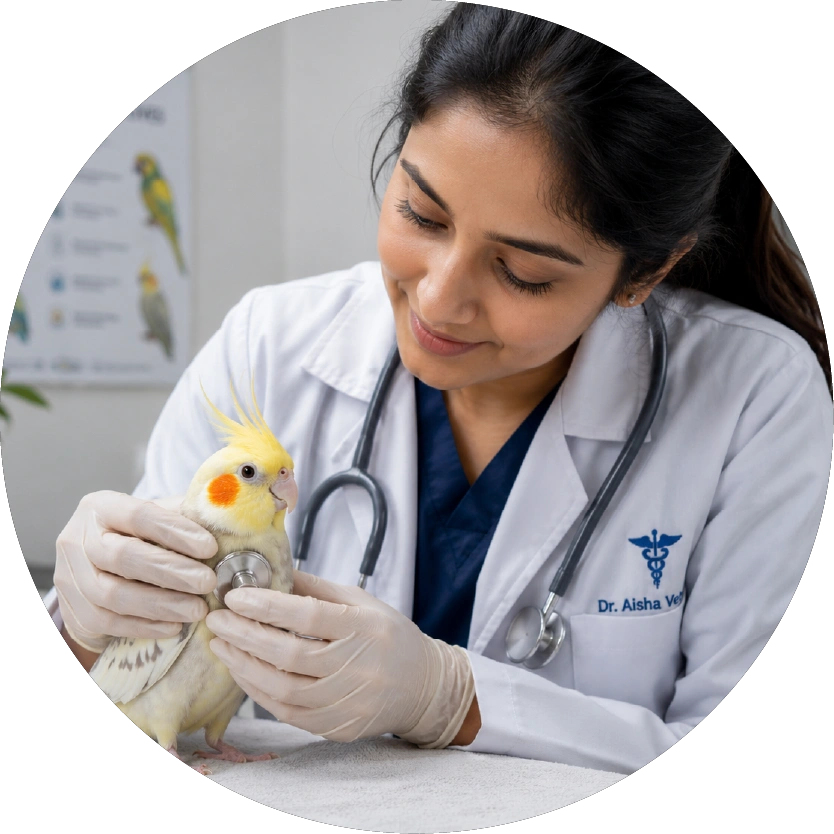
Veterinary Insight: According to the Association of Avian Veterinarians (AAV), birds instinctively hide signs of illness to avoid appearing vulnerable. This makes preventive healthcare and proper husbandry especially important.
Myth #1: Birds Only Need a Seed-Based Diet
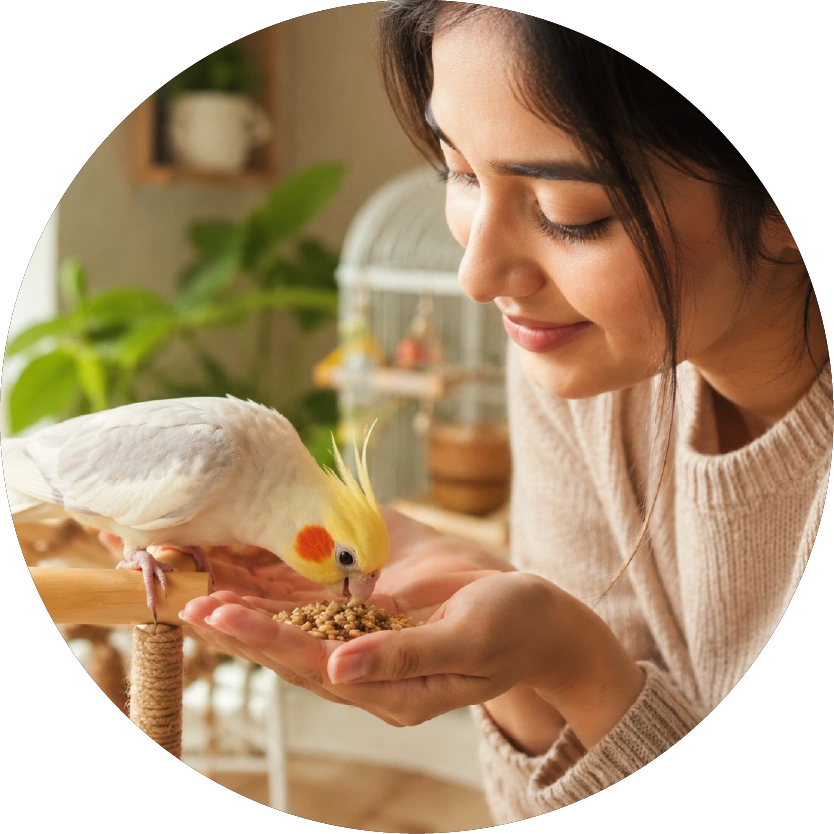
Many people believe that seed-based diets provide adequate nutrition. However, this is one of the most common myths about bird nutrition. While many species enjoy seeds, a seed-only diet is often deficient in essential nutrients like vitamin A, calcium and certain amino acids.
Over time, excessive seed consumption leads to obesity, fatty liver disease and nutritional deficiencies.
An essential pet bird care tip is to offer a balanced diet that includes species-appropriate formulated pellets (60-70%), fresh vegetables and limited fruits (20%) and seeds (10-15%). Nutritional needs differ between age groups, species and health conditions.
Veterinary Insight: The Association of Avian Veterinarians and Lafeber Veterinary recommend balanced, species-specific diets rather than relying on seeds for long-term health.
Myth #2: Small Birds Do Not Need Much Cage Space
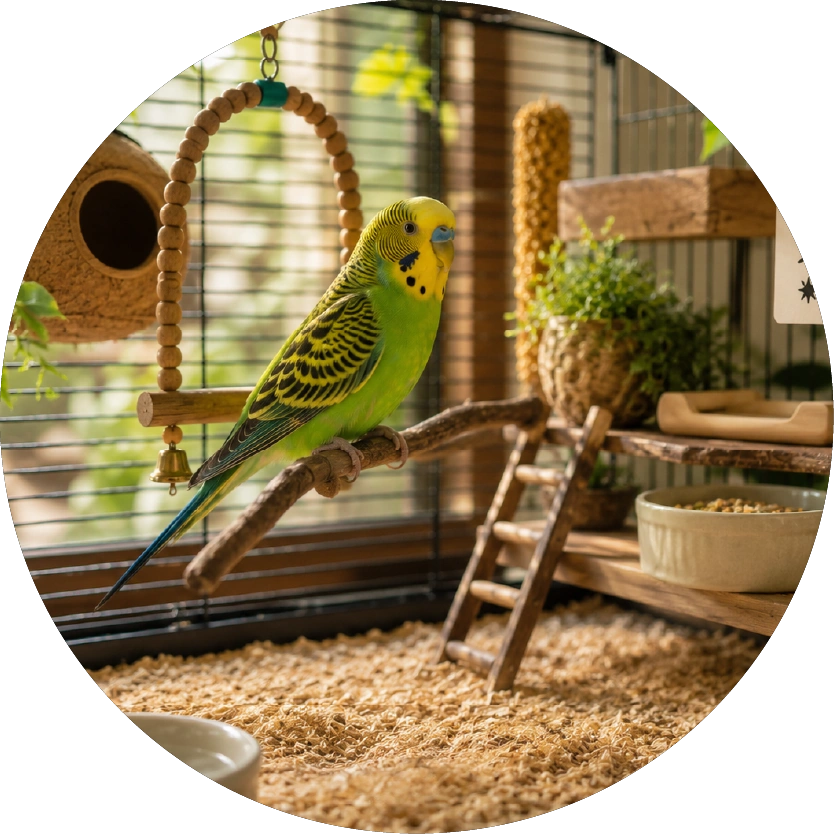
Because budgies, canaries, and finches are small, owners generally assume that they can live comfortably in tiny cages. But the reality is quite the opposite. Small birds are highly active. They require enough room to fly, climb, stretch and explore throughout the day.
A spacious cage encourages exercise, supports muscle health and reduces boredom. It should also include natural perches of different diameters, food and water stations and safe enrichment toys. In addition, you must also provide supervised out-of-cage time in a secure environment for enrichment.
Providing adequate space is one of the simplest yet most effective bird care tips for promoting physical and mental wellbeing.
Myth #3: Birds Are Low-Maintenance Pets
Birds are marketed as easy pets. But they are not. Responsible pet ownership requires daily commitment. Birds need fresh food and water, cage cleaning, mental stimulation, social interaction and regular health monitoring.
Highly intelligent species like African Greys, Cockatoos, Amazons and Macaws require several hours of interaction and enrichment every day. Even smaller birds benefit from foraging opportunities, toys and positive human interaction.
Ignoring these needs can lead to chronic stress, feather-destructive behaviour, excessive vocalisation or behavioural disorders. Birds may be smaller than dogs or cats, but they are not maintenance-free companions.
Myth #4: Mirrors Are Good Companions for Every Bird
Many owners place mirrors inside cages believing they prevent loneliness. While some birds may briefly enjoy mirrors, others become overly attached and begin treating their reflection as another bird.
This encourages hormonal behaviour, frustration, territorial aggression and reduced interest in interacting with humans or enrichment toys. Mirrors should never be replaced with genuine social interaction or environmental enrichment.
Instead, provide rotating toys, natural branches, foraging activities, and regular interaction to keep your bird mentally stimulated and emotionally healthy.
Myth #5: Birds Can Live Happily in Small Cages
A cage should function as your bird's home, not a prison. Birds need enough space to fully extend their wings, move freely between perches, and engage in natural behaviours such as climbing and playing.
Birds in small cages live with restricted movement. This may contribute to obesity and poor muscle development. In addition, it may also lead to boredom and stress, which in turn leads to behavioural problems like destructive chewing or feather plucking in birds.
A cage must be selected according to the bird species and wingspan rather than convenience or available household space. Read our detailed pet bird care guide to learn effective cage set-up and maintenance tips.
Veterinary Insight: Appropriate housing supports both physical health and psychological wellbeing. A larger cage combined with supervised exercise and enrichment encourages healthier behaviour and improves overall quality of life.
Myth #6: All Bird Species Can Eat the Same Foods
Not all birds have identical dietary requirements. Cockatiels, finches, conures, budgies and parrots differ in their nutritional needs. This makes universal feeding and diet plans inappropriate.
Some foods, including avocado, chocolate, caffeine, alcohol and foods high in salt or sugar, can be toxic to birds. Before introducing new foods, always research species-specific dietary recommendations or consult an avian veterinarian online through an online pet care app like Conbun.
Myth #7: Touching a Fallen Baby Bird Causes the mother to Reject It
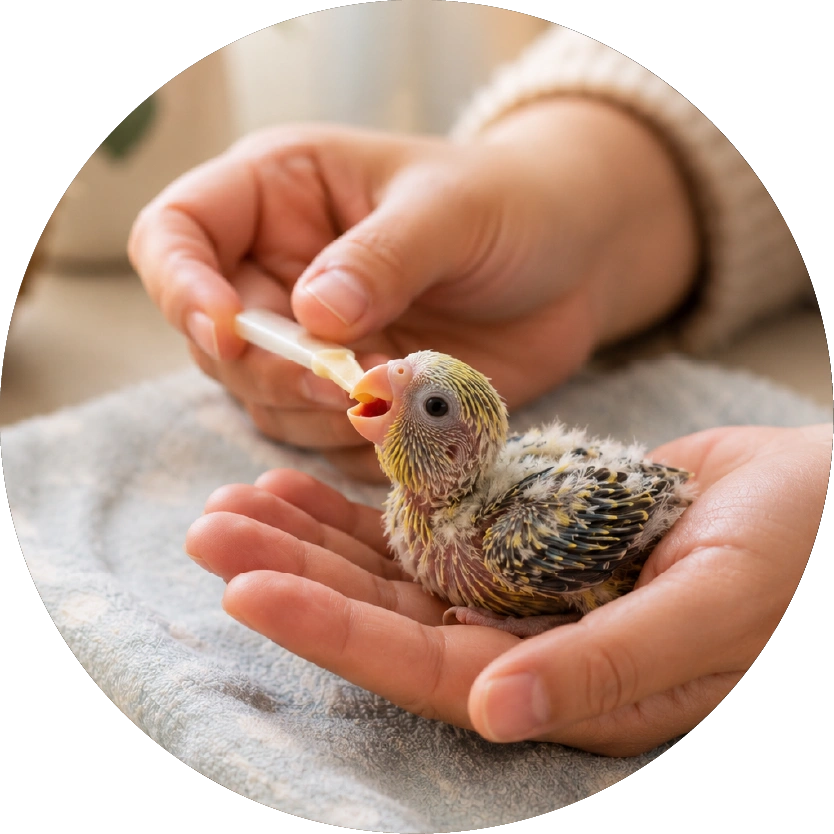
A common belief is that if a person touches a baby bird, its parents will reject it because of the human scent. In reality, most birds have a relatively poor sense of smell and identify their chicks primarily through sight, sound, and location rather than scent.
If a healthy nestling has accidentally fallen, it is usually safe to gently return it to the nest if you can do so safely. However, if the bird is injured, featherless, or the nest cannot be reached, contact a licensed wildlife rehabilitator or veterinarian instead of attempting to raise it yourself.
Veterinary Insight: Wildlife organisations, including the Cornell Lab of Ornithology, state that parent birds generally do not abandon healthy chicks simply because they have been touched by humans.
Myth #8: All Parrots Learn to Talk
Parrots are famous for mimicking human speech, but not every parrot develops this ability. Even within the same species, talking ability varies drastically depending on genetics, personality, training and socialisation.
African Grey Parrots are among the most accomplished vocal mimics. Budgies, Amazons, Indian Ringnecks and Quaker parrots may also learn words. However, some parrots may never speak despite receiving excellent care. A bird’s intelligence should never be judged by its vocabulary. Instead, focus on enrichment, communication and trust rather than expecting speech.
Choosing a bird based solely on its talking ability often leads to unrealistic expectations and disappointment.
Myth #9: Birds Only Bite Because They're Aggressive
Biting is a form of communication, not necessarily aggression. Birds may bite because they are frightened, stressed, in pain, protecting territory, experiencing hormonal changes, or feeling uncomfortable in a situation.
Biting is a form of communication that birds use. It is not necessarily aggression. Birds may bite when they are stressed, frightened, in pain, experiencing hormonal changes, feeling uncomfortable or protecting their territory.
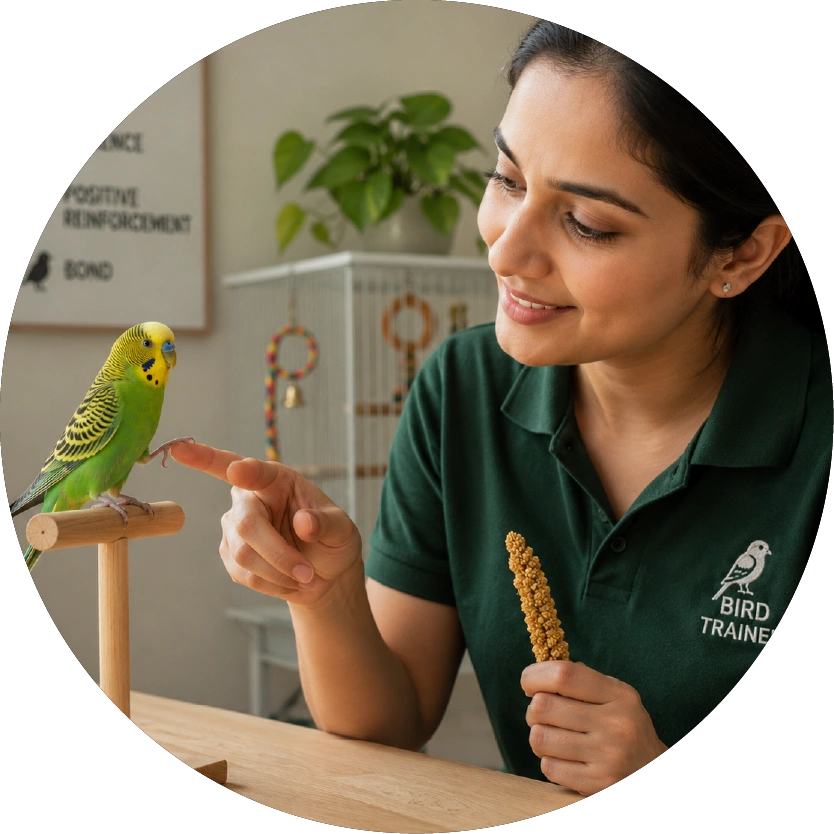
Understanding their body language helps prevent bites. Lunging, raised feathers, pinned eyes, or moving away indicate discomfort. Punishing a bird after it bites may damage trust and increase fear. Instead, identify the trigger, respect your bird’s boundaries and use positive reinforcement to encourage desired behaviours.
Myth #10: Birds Can Safely Roam Anywhere Inside the House
Allowing birds to fly freely indoors without preparation can expose them to serious hazards. Everyday household items that seem harmless to people may be life-threatening to birds.
Common dangers include:
Ceiling fans
Open windows and doors
Mirrors and glass panels
PTFE (Teflon) fumes from non-stick cookware
Aerosol sprays and air fresheners
Toxic houseplants
Electrical cords
Open water containers
Bird-proof your home before supervised flight sessions by removing hazards, switching off ceiling fans, closing windows, and keeping birds away from kitchens while cooking. Prevention is always safer than emergency treatment.
Need Reliable Bird Care Advice? Conbun Can Help
Caring for pet birds involves much more than just providing food and a cage. Diet, behaviour, feather health, housing and early recognition of illness all require informed decision-making. With Conbun, you can connect with experienced veterinarians through an online vet consultation and get expert guidance on behavioural concerns, preventive healthcare, dietary planning and species-specific care.
Whether you need an instant vet consultation or want to schedule an appointment with a veterinary doctor, Conbun’s online pet care app makes professional advice accessible whenever your bird needs it.
Conclusion
Many bird care myths continue to circulate despite decades of veterinary research. Following evidence-based advice instead of outdated beliefs helps prevent nutritional deficiencies, behavioural problems, and avoidable health issues. Feed a balanced, species-appropriate diet, provide spacious housing and enrichment, schedule preventive veterinary visits, and always seek professional advice when you're unsure. Small improvements in everyday care can make a significant difference to your bird's health, welfare, and lifespan.
Frequently Asked Questions
Q1. What are the most common bird care myths?
Ans. Some common myths include birds only needing seeds, being low-maintenance pets, not requiring veterinary visits, all parrots talking, and small birds needing tiny cages. These misconceptions can negatively affect nutrition, behaviour, and overall health.
Q2. Do pet birds need regular veterinary check-ups?
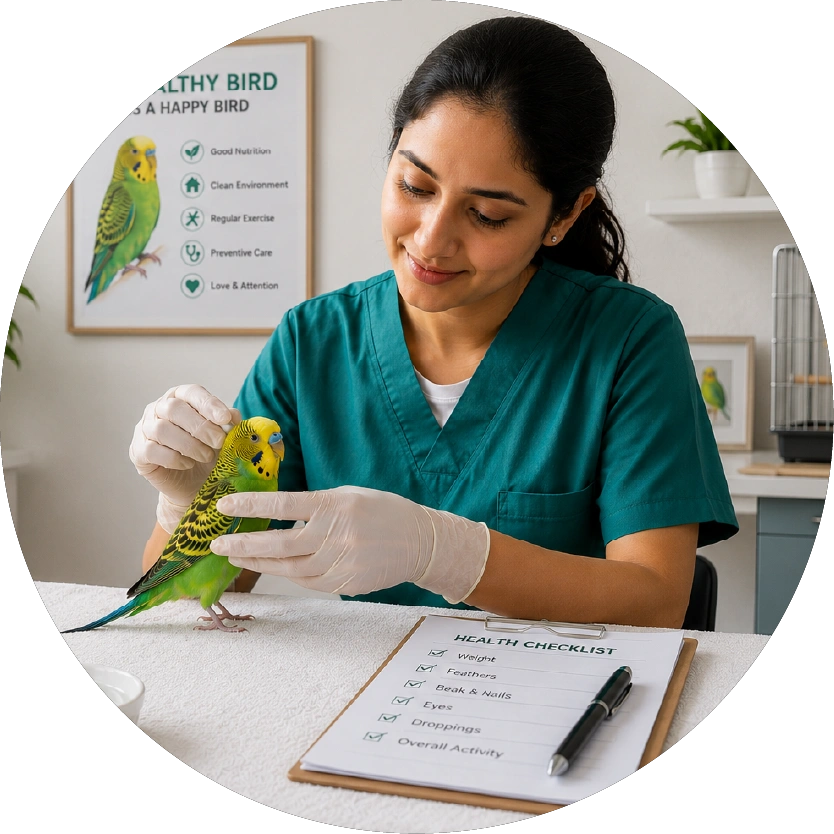
Ans. Yes. Birds often hide illness until diseases become advanced. Annual wellness examinations help detect health problems early, assess nutrition, monitor weight, and provide preventive care that supports long-term health.
Q3. Can birds survive on a seed-only diet?
Ans. A seed-only diet may keep birds alive but is rarely nutritionally complete. Most companion birds require species-appropriate pellets, vegetables, limited fruits, and seeds in moderation to maintain optimal health.
Q4. Are birds really low-maintenance pets?
Ans. No. Birds need daily feeding, fresh water, cage cleaning, social interaction, mental stimulation, enrichment, and routine veterinary care. Many intelligent species also require several hours of engagement every day.
Q5. What household items are dangerous for pet birds?
Ans. Common hazards include non-stick cookware fumes (PTFE), ceiling fans, open windows, mirrors, electrical cords, aerosols, toxic houseplants, candles, and smoke. Bird-proofing your home greatly reduces the risk of accidents and poisoning.
References
Cornell Lab. (2009). If I handle a baby bird, will the parents abandon it? Cornell Lab – All About Birds. https://www.allaboutbirds.org/news/if-i-handle-a-baby-bird-will-the-parents-abandon-it/
Orosz, S. E. (2007). Formulated Diets in Avian Nutrition. LafeberVet. Published September, 18. https://lafeber.com/vet/formulated-diets-in-avian-nutrition/?srsltid=AfmBOorWjr5-A_H4tJ7VgxM0FkrWsGaBso2O9LCL6_
Table of Content
- Myth #1: Birds Only Need a Seed-Based Diet
- Myth #2: Small Birds Do Not Need Much Cage Space
- Myth #3: Birds Are Low-Maintenance Pets
- Myth #4: Mirrors Are Good Companions for Every Bird
- Myth #5: Birds Can Live Happily in Small Cages
- Myth #6: All Bird Species Can Eat the Same Foods
- Myth #7: Touching a Fallen Baby Bird Causes the mother to Reject It
- Myth #8: All Parrots Learn to Talk
- Myth #9: Birds Only Bite Because They're Aggressive
- Myth #10: Birds Can Safely Roam Anywhere Inside the House
- Need Reliable Bird Care Advice? Conbun Can Help
- Conclusion
- Frequently Asked Questions
- References

Anand Sen
Categories