.webp)
Betta Fish Care Guide 2026: Tank Setup, Food, Lifespan, Price in India & Expert Tips

A betta fish, also known as the Siamese fighting fish (Betta splendens), is one of the most popular pet fish in the world. And for some good reasons. Bettas are expressive, colourful, and surprisingly interactive for a fish that fits in the palm of your hand.
First, pronunciation check. It’s Beh-tuh, not “bay-ta.” You’re welcome.
Bettas are often marketed as “easy” pets, but that reputation is half-truth, half-myth. Yes, they’re hardy. But no, they don’t thrive in tiny bowls without a heater. With the right care, a betta can live a long, active, and genuinely happy life.
Quick snapshot for beginners:
Average lifespan: 3-5 years (sometimes longer if you’re an excellent caretaker)
Price in India: Usually affordable, prices depend on colour and fin type
Tank needs: Heated, filtered aquarium, not a vase or fish bowl
Personality: Interactive, territorial, curious, and very aware of their humans
The following guide will teach you about proper betta fish care, from tanks and food to health and their lifespan.
Betta Fish Basics
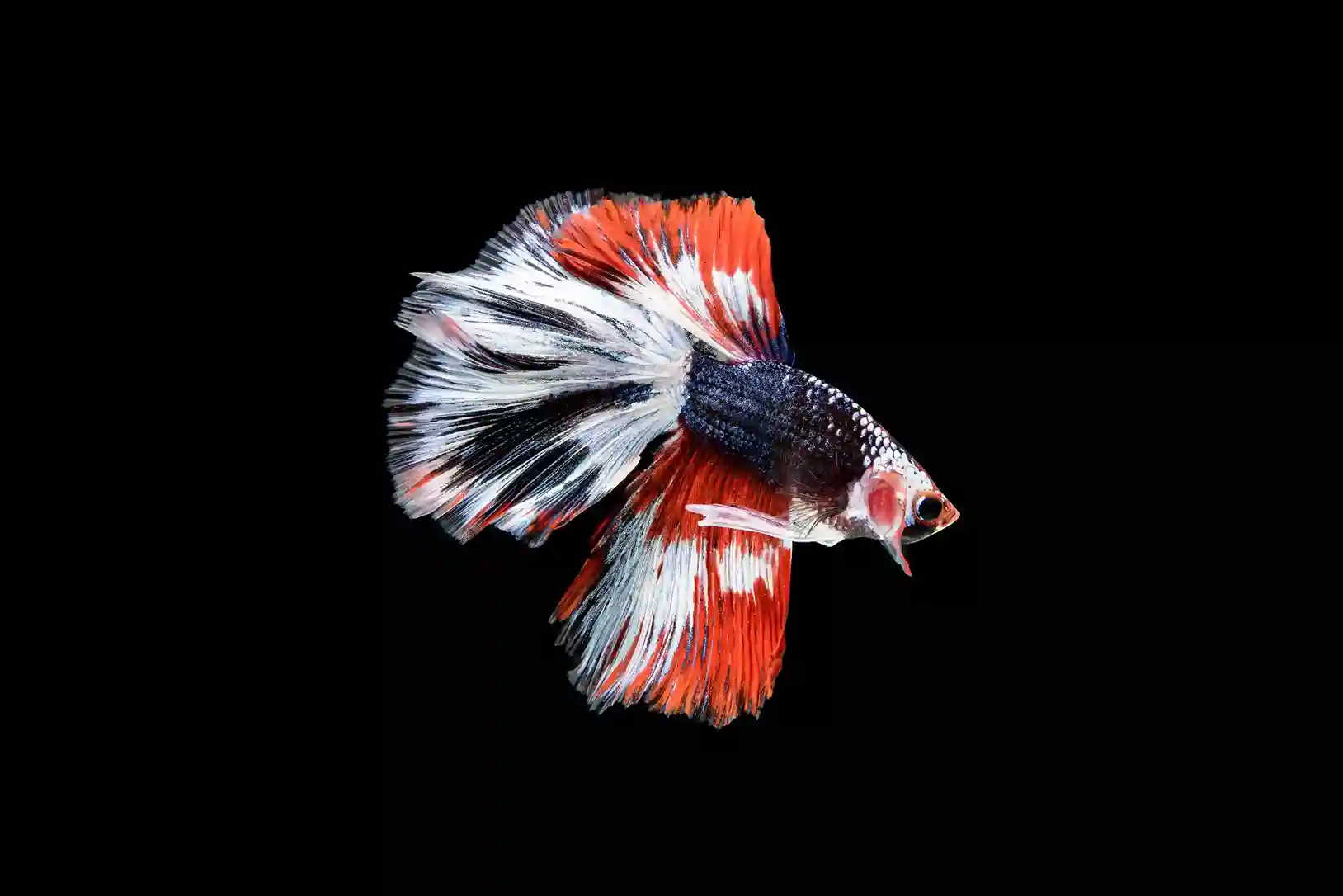
Betta Fish Overview
Betta fish come from slow-moving waters such as rice paddies and shallow streams. They mostly come from Southeast Asian countries like Cambodia, Thailand, Laos, and Vietnam.
Bettas are highly interactive due to their curiosity, high intelligence and territorial nature. They can recognise their owners and often greet them, showing excitement when they approach the tank.
Bettas are:
Territorial (especially males)
Intelligent and interactive (they recognise routines and people)
Air breathers thanks to a special organ called the labyrinth organ
So, is a betta fish good for the home?
Yes, if you’re willing to give them basic care. Bettas can be excellent beginner pets as they’re resilient, but they still need warmth, clean water, and mental stimulation.
Related Readings: Top Rated Pet Care Consultation App: Features, Benefits, How It Works
Betta Fish Lifespan
Betta fish can live up to 5 years in captivity. However, lifespans can vary depending on diet, genetics and environment.
Though it is less common, betta fish can live from 6 to 7 years with proper care.
Key factors that affect betta fish lifespan:
Tank size (bigger is better) (minimum 5 gallons)
Stable warm temperature (75-80∘F)
High-quality protein-rich food
Low stress and clean water
Poor environmental and dietary conditions, such as cold water or overfeeding, can dramatically shorten their life. In the case of betta fish, longevity isn’t luck. It’s environment.
So, if you’re asking, how long would a betta fish live?
The honest answer is: as long as the care is optimum
Betta Fish Price in India
The price of betta fish in India depends on where and what you buy.
Typical ranges:
At local pet shops: ₹150-₹400
Special colour or fin types: ₹500-₹1,500+
Imported or show-grade bettas: Even higher
Price differences depend on:
Colour intensity
Fin shape (crowntail, halfmoon, plakat)
Health and age
A more expensive betta isn’t always healthier. Look for:
Bright colour
Smooth, intact fins
Active swimming
These features indicate their health, so it's better to focus on them than on rare patterns.
Should I Get 1 or 2 Betta Fish?
Short answer: start with one.
Here’s why:
As Male bettas are highly territorial in nature, they must never live together. They will fight, often to death.
Female bettas can live in groups (called sororities), but only in large tanks with experience.
Beginners should always keep one betta per tank.
If you’re wondering, should I get 1 or 2 betta fish?
One betta = happy betta. Two bettas = stress, injuries, or worse.
Related Readings: Pet Care Goes Digital: How Apps Are Making Vet Consultations Faster, Cheaper & More Reliable
Setting Up the Betta Fish Tank
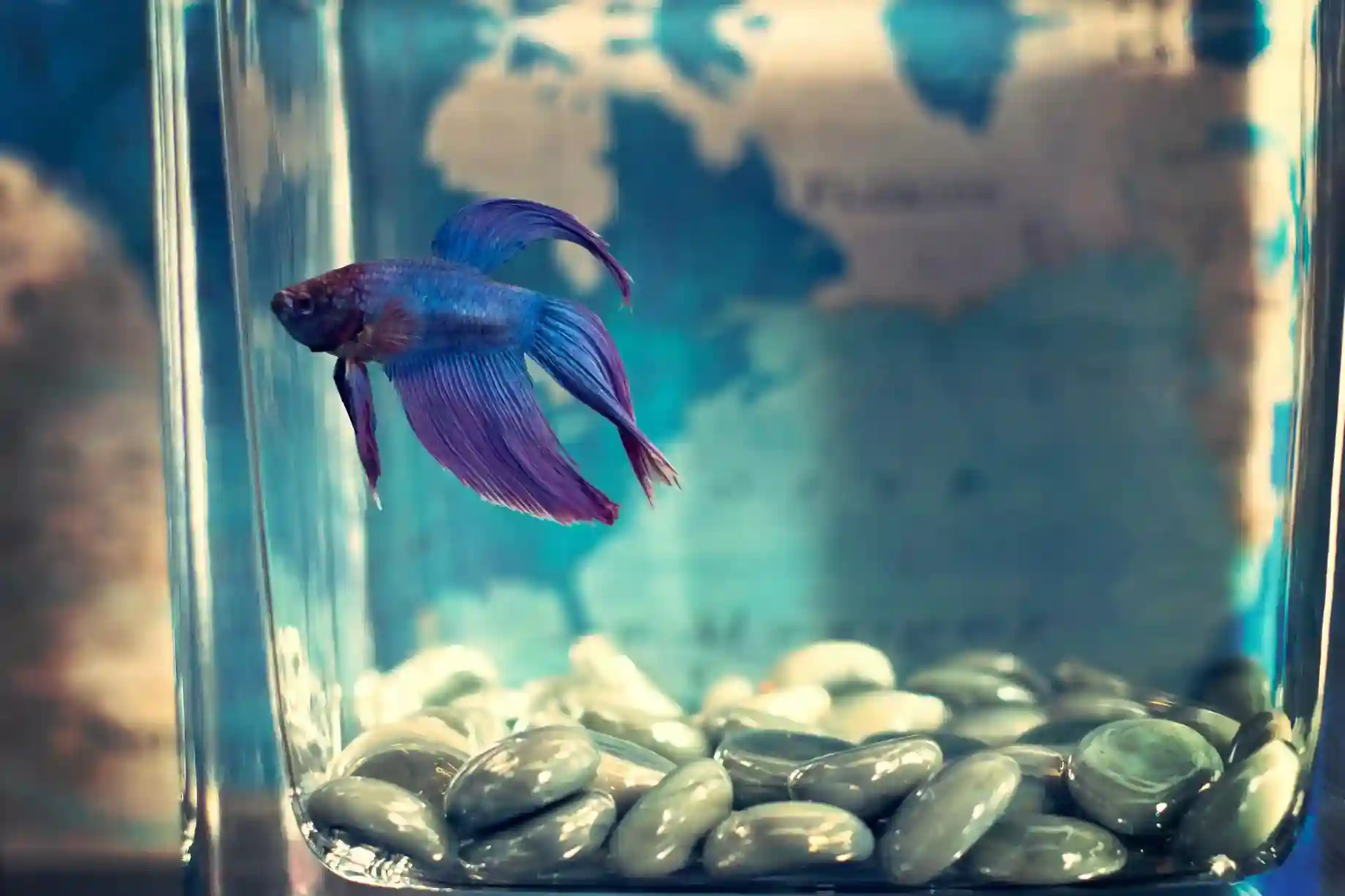
Choosing the Right Tank
The bigger the tank, the better. Ideally, betta fish thrive in tanks of about 10 Gallons. However, if space is an issue, you can get a betta fish tank of 5 gallons (about 19 litres).
Why bowls are a bad idea:
No stable temperature
Poor water quality
Bettas are swimmers; bowls offer no space to swim
A proper betta fish aquarium will offer your fish a better environment to explore, rest and behave naturally.
Water Conditions & Essentials
Bettas are tropical fish, so warm water is non-negotiable.
Ideal conditions:
Temperature: 24-27°C (75-81°F)
pH: 6.5-7.5
Heater: Yes, always (unless room is constantly warm)
Filter: Gentle flow, not a strong current
Another critical step is cycling the tank.
If you are a fish lover, you probably know about Ammonia toxicity. All these steps ensure that you are letting beneficial bacteria grow. It prevents ammonia spikes, which can burn gills and fins.
Betta Fish Aquarium Setup Essentials
Your betta’s home should be safe and interesting.
Essentials include:
Tank lid: As Bettas are natural, instinctual jumpers
Soft substrate: Sand or smooth gravel to provide a natural-looking habitat
Plants: Live plants can be used, but silk plants work as they offer live plant appeal and require no maintenance
Hiding spots: Caves or décor without sharp edges
Avoid plastic decorations that can tear fins.
Tank Maintenance Tips
Clean tanks = Healthy fish
Basic maintenance:
Water changes: 20-30% once a week
Filter cleaning: Rinse in tank water, not tap water
Water testing: Check ammonia, nitrites, and nitrates occasionally
Water should not be changed completely, unless there’s an emergency. Stability is more important than perfection.
To get more fish tank care tips take an online fish tank consultation to offer a better living environment to your beloved pet fish.
Related Readings: Is Online Pet Care Consultation Right for Your Pet?
Betta Fish Food & Nutrition
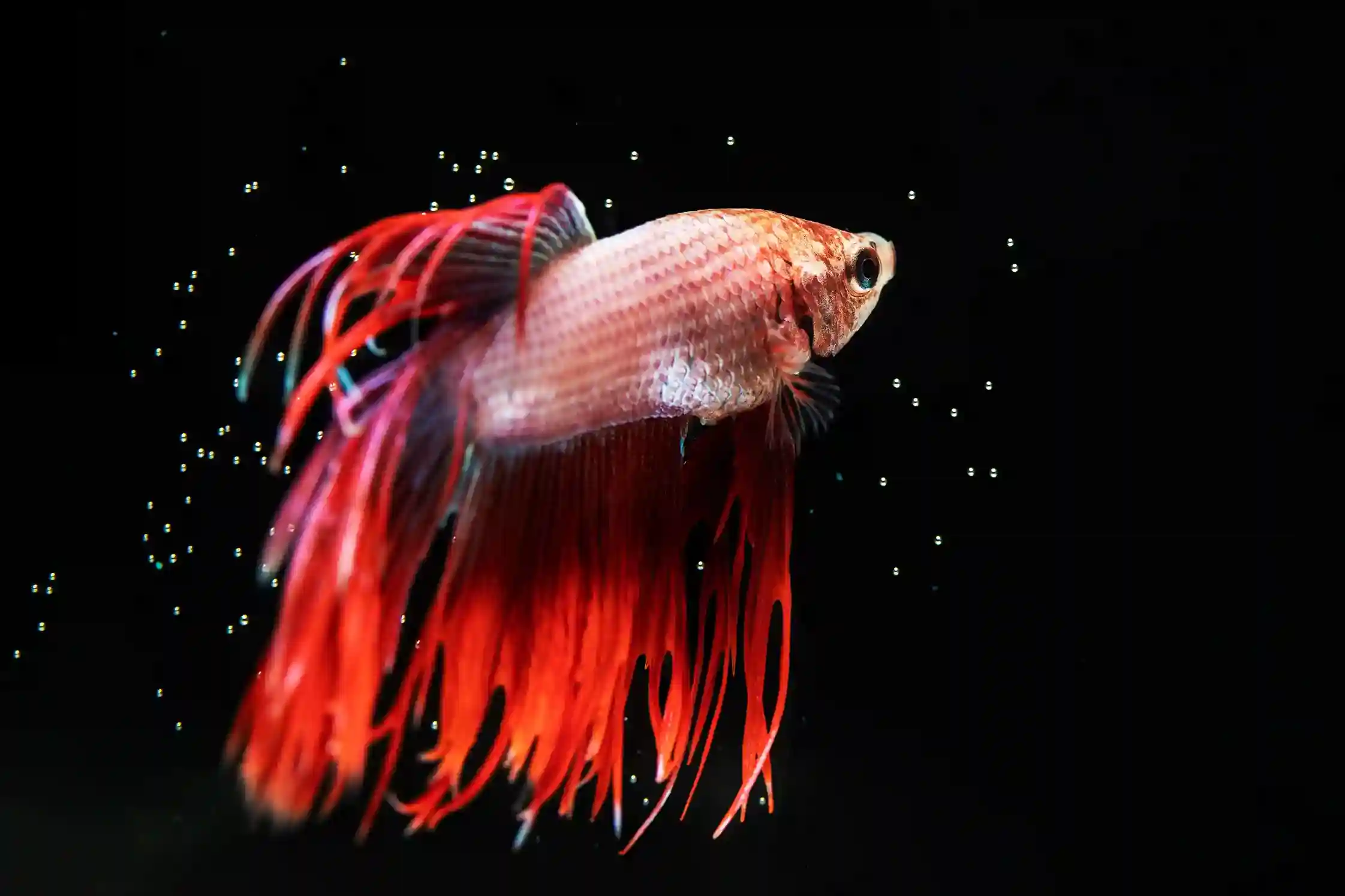
What Do Betta Fish Eat?
Betta fish are carnivores. Thus, they require a high-protein diet, not generic tropical flakes.
Best betta fish food options:
Main diet - High-quality betta pellets
Frozen or freeze-dried bloodworms
Brine shrimp or daphnia as treats
Avoid feeding only treats. Think of them like dessert, not dinner.
Feeding Schedule & Tips
How much to feed:
Only 2-4 pellets per meal
Once or twice daily, depending on age
A good rule:
Always feed only what your betta can eat within 1-2 minutes, as leftover food can lead to ammonia spikes.
Fish care tips says that overfeeding is one of the most common mistakes in betta fish care. It leads to:
Bloating and constipation
Dirty water resulting in ammonia buildup
Shorter lifespan
Adults generally thrive on routine, but for baby bettas, smaller food and more frequent meals are needed.
Betta Fish Health & Common Diseases
Signs of a Healthy Betta
A healthy betta fish shows:
Bright, even colour
Active swimming
Smooth fins without tears
Strong appetite
Your fish doesn’t need to be hyper. Calm confidence is a good sign.
Common Diseases & Symptoms
Some common betta fish diseases include:
Fin rot
Ragged or shrinking fins
Usually caused by poor water quality
ICH (White spot disease)
White spots like salt or sugar grains
Highly treatable if caught early
Fungal infections
White or fuzzy patches
Often secondary to stress or injury
Stress signs like clamped fins, hiding, or loss of appetite.
Preventing Illness
Most health problems in betta fish are preventable.
Key prevention steps:
Clean, warm water
Proper feeding
Low stress environment
Good betta fish health isn’t about constant treatment. It’s about consistency. However, being consistent about fish care can be complicated for many busy pet fish owners.
Best online pet care consultations on the Conbun app can help people drive away from these complications to become better fish parents.
Related Readings: How do online vet consultations work: A pet owner’s guide?
Betta Fish Social Behaviour
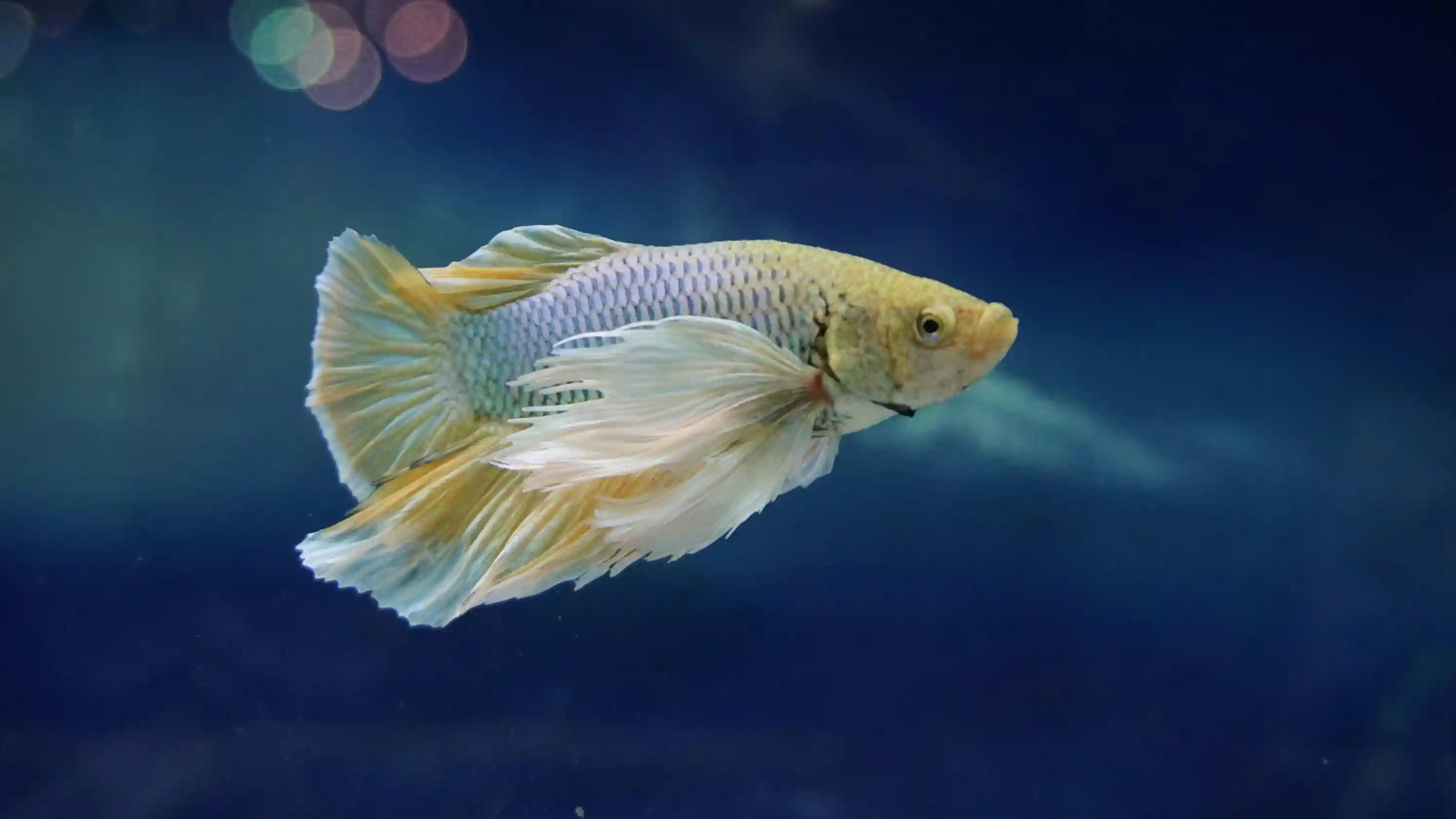
Can Betta Fish Live with Other Fish?
Yes, but only with the right tank mates and setup. Yes. However, this requires the right tank setup and tank mates.
Betta fish are territorial in nature. However, this does not mean that they are loners. They can live with other fish, but compatibility matters.
Generally safer tank mates include:
Small, peaceful fish like ember tetras, rasboras
Bottom dwellers like corydoras, snails
Shrimps, but with caution, as some bettas view them as snacks
Avoid at all costs:
Other male bettas
Bright, long-finned fishlike guppies, fancy mollies
Aggressive or fin-nipping species like Tiger Barbs, Zebra Danios
Key rules for success:
Tank size should be 10 gallons or more
Add tank mates before introducing the betta
Provide proper play/hide spaces and plants
If you observe your betta constantly attacking others, separating it would be the kindest option.
Fish behaviour is influenced by environmental factors like light, temperature, water quality, flow and internal factors like stress, appetite, gut microbiome etc. Take a fish behaviour consultation online to better understand which of these factors is impacting your pet's behaviour.
Betta Fish Temperament
Betta fish have big personalities in their small bodies.
After just a few days of captivity, owners can notice their betta:
Following fingers outside the glass
Responding to feeding routines
Exploring décor and plants
Female bettas are calm but still territorial. Males, on the other hand, are more aggressive.
Sororities (female groups) are advanced setups and not recommended for beginners.
Stress builds silently in fish, which shortens their lifespan.
Betta Care Tips by Life Stage
Caring for Baby Betta (Fry)
Baby bettas need extra care and patience.
Key points:
Feed very small foods (infusoria, baby brine shrimp)
Feed 2-3 times daily in small amounts
Keep water extremely clean and warm
Gentle filtration only
Baby bettas grow fast, but mistakes at this stage can cause lifelong issues.
Adult Betta Care Essentials
Adult bettas thrive on routine.
Daily care includes:
Consistent feeding schedule
Stable water temperature
Visual stimulation (plants, décor changes)
Weekly care:
Partial water changes
Quick health check (fins, appetite, behaviour)
Stress reduction is the secret weapon that can extend betta fish's lifespan.
FAQs (People Also Asked)
1. How long would a betta fish live?
Answer. Most bettas live 3-5 years with ideal care. A heated tank, clean water and good food actually make the difference.
2. Can betta fish live without a heater?
Answer. Yes, but only temporarily, that too in the regions with warm climates. Long-term exposure to cold water weakens their immune systems and shortens their lifespan.
3. Is it okay to keep betta fish in a bowl?
Answer. No. Bowls do not have a stable, warm temperature. In addition, there is no filtration. A minimum 5-gallon tank is recommended to keep a betta fish healthy.
4. What tank mates can betta fish have?
Answer. Non-fin-nipping and peaceful fish in larger tanks can be good tank mates. However, compatibility still varies by individual betta.
5. How can I improve my betta fish’s lifespan?
Answer. Focus on a protein-rich diet, low stress, clean water and routine care.
6. How can I take fish expert consultation?
Answer: Instead of searching for fish experts near me, download the Conbun app and get access to a big pool of fish experts and certified fish veterinarians to enjoy fish care advice online.
Conclusion
Betta fish are small, but their needs are big. Proper betta fish care comes down to five things: space, warmth, clean water, good food, and low stress.
When these basics are met, bettas reward you with vibrant colours, curious behaviour, and years of companionship. They are not decorative fish. They are living pets with personalities.
If you ever notice changes, loss of appetite, lethargy, torn fins, or unusual behaviour, early guidance matters. Go for a fish expert consultation online to understand the condition of your pet fish and take prompt action.
Conbun Android & iOS allows you to connect with online veterinary doctors and verified pet experts through Conbun, an online veterinary doctor app, and get quick, reliable guidance for fish health, tank setup, nutrition, or behaviour concerns, from the convenience of your home.
Instead of panic-searching forums, talk to someone who actually understands your pet.
Table of Content
- Betta Fish Basics
- Setting Up the Betta Fish Tank
- Betta Fish Food & Nutrition
- Betta Fish Health & Common Diseases
- Betta Fish Social Behaviour
- Betta Care Tips by Life Stage
- FAQs (People Also Asked)
- Conclusion

Anand Sen
Related Articles

Why do dogs roll in the grass? Is this Normal?
Dogs roll in grass to enjoy scents, scratch irritation, cool down, or express happiness. Usually normal unless excessive or uncomfortable.
Read More ↗Why do dogs roll in the grass? Is this Normal?
Dogs roll in grass to enjoy scents, scratch irritation, cool down, or express happiness. Usually normal unless excessive or uncomfortable.
Read More ↗Why do dogs roll in the grass? Is this Normal?
Dogs roll in grass to enjoy scents, scratch irritation, cool down, or express happiness. Usually normal unless excessive or uncomfortable.
Read More ↗Why do dogs roll in the grass? Is this Normal?
Dogs roll in grass to enjoy scents, scratch irritation, cool down, or express happiness. Usually normal unless excessive or uncomfortable.
Read More ↗Why do dogs roll in the grass? Is this Normal?
Dogs roll in grass to enjoy scents, scratch irritation, cool down, or express happiness. Usually normal unless excessive or uncomfortable.
Read More ↗