.webp)
Contrary to popular belief, keeping a pet turtle is not difficult. You just need to have the right information. Most turtle health problems begin with two things that most owners often overlook: Diet mistakes and early warning signs.
This guide is written for the confused and first-time owners who want clear and practical answers without jargon. It will cover turtle nutrition and common turtle disease in a simple, problem-first way so that owners can act early with care and confidence.
Turtle Nutrition & Health
What Do Pet Turtles Eat?
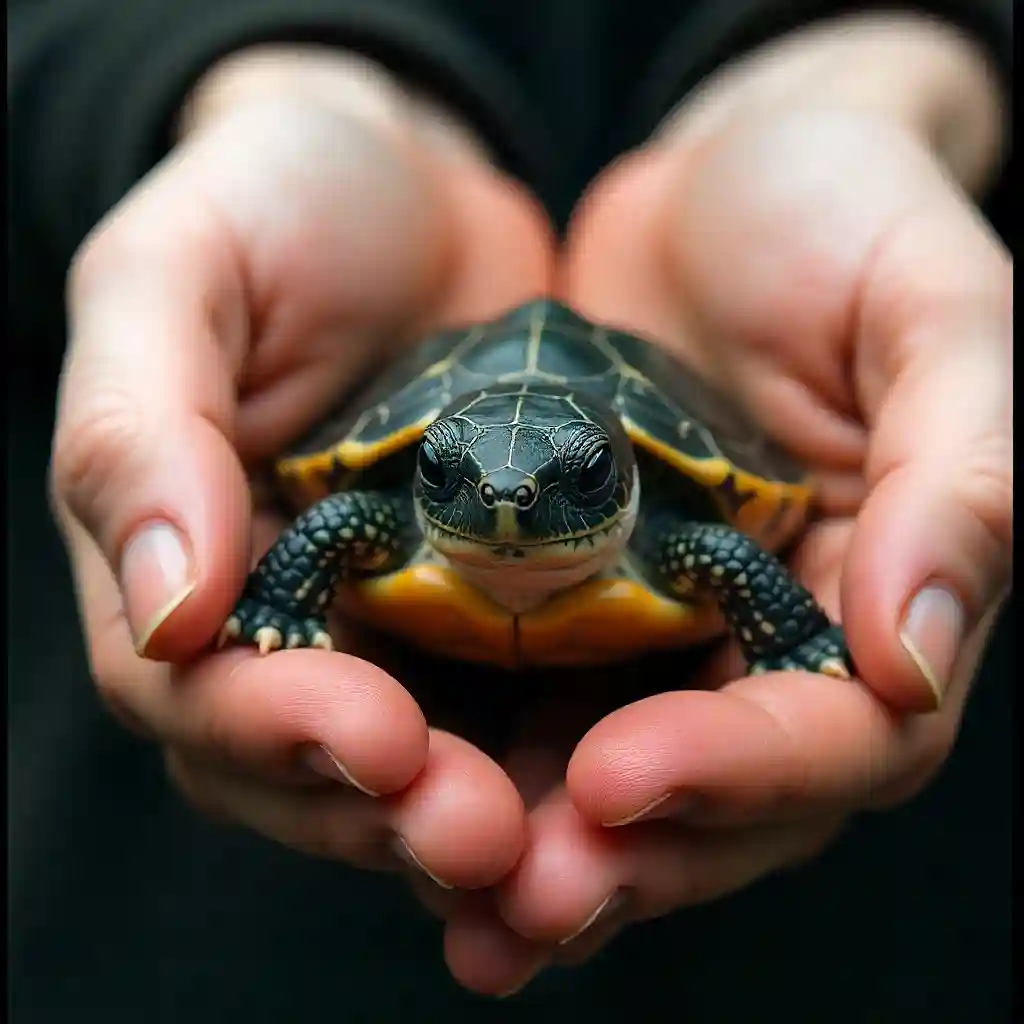
Pet turtles are to be fed with a mix of protein sources, vegetables and commercial turtle food. The exact balance depends on their species and age.
Baby turtles require more protein to grow, and hence they are naturally more carnivorous. Adult turtles, on the other hand, gradually shift towards a more plant-based diet. Feeding only vegetables or only pellets can lead to nutrient deficiencies and long-term health complications.
In simple terms:
Baby turtles: More protein-rich sources, some vegetables
Adult turtles: Limited protein, more vegetables,
All turtles: Occasional high-quality pellets for balance
Wild studies referenced in the MSD Veterinary Manual show that aquatic turtles are opportunistic feeders, which means that they feed on plants, insects, and small aquatic animals depending on availability.
Therefore, captive diets must mimic this variety to ensure positive health outcomes, especially for baby turtles, as their shells are in the developmental phase..
Related Readings: How do online vet consultations work: A pet owner’s guide?
Complete Turtle Food List (Safe & Unsafe Foods)
The following is a proper turtle food list that can help prevent shell-related deformities, vitamin deficiencies, and digestive trouble.
Vegetables Turtles Can Eat
These should form the base of an adult turtle’s diet:
Romaine lettuce (not iceberg)
Dandelion greens
Mustard greens
Squash (boiled and cooled)
Carrots (occasionally, grated)
Protein Foods Turtles Need
Best offered 2–3 times a week:
Earthworms
Mealworms
Crickets
Small fish (species-appropriate)
Boiled egg (rare treat)
Foods Turtles Should Never Eat
These cause digestive upset or toxicity:
Bread, rice, pasta
Dairy products
Processed or salty food
Raw meat
Iceberg lettuce (nutrient-poor)
According to the literature on reptile nutrition, variety is crucial in preventing micronutrient deficiencies in turtles and tortoises.
Healthy Diet for Turtles (Simple Rule)
A healthy diet for turtles follows one simple rule: balance, not excess.
Think of the plate like this:
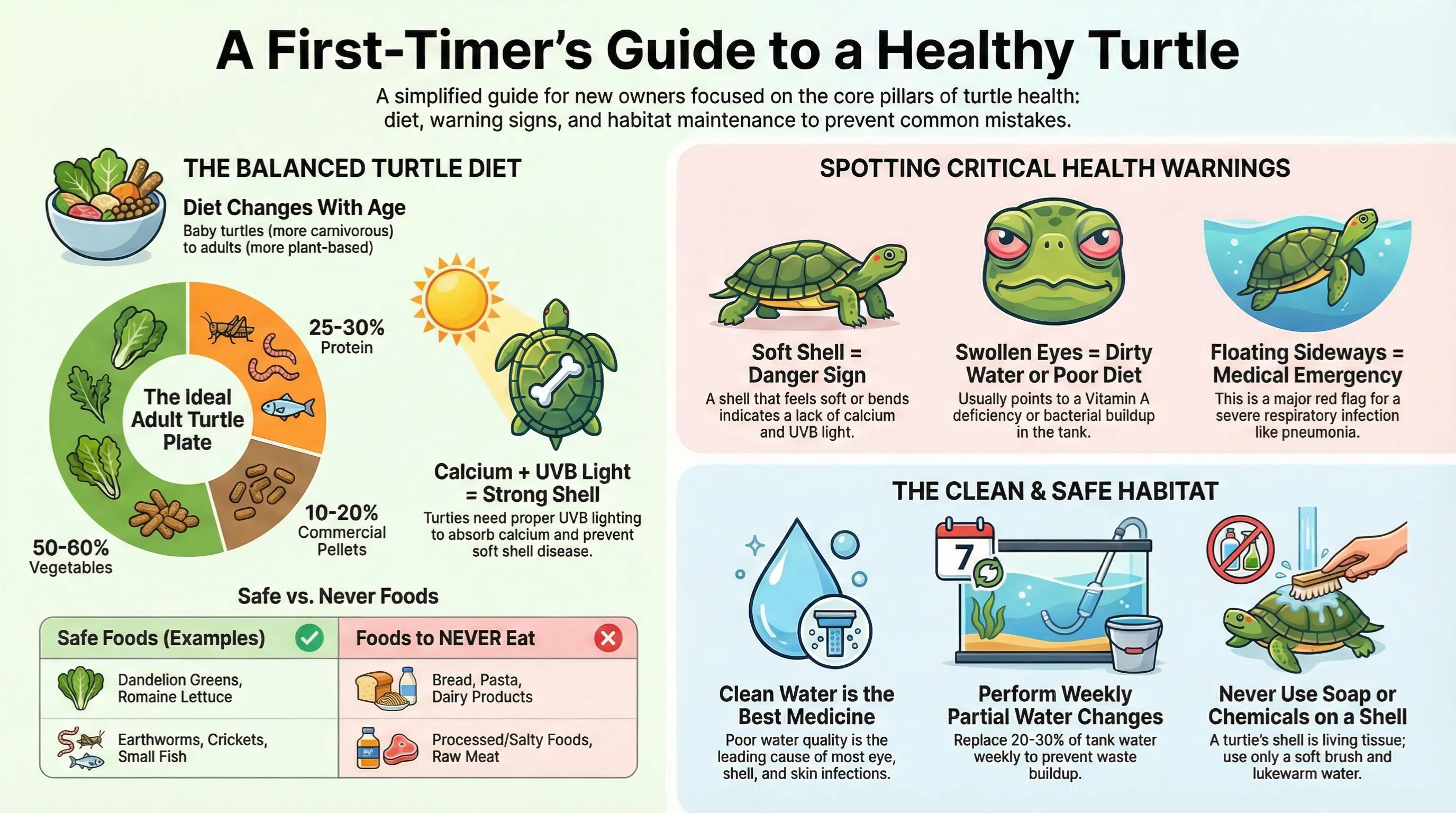
50–60% vegetables
25–30% protein
10–20% pellets
Calcium is essential for turtles’ shell strength. Without it, turtles develop soft shell disease.
Calcium comes from:
Cutlebone
Calcium-rich greens
Proper UVB lighting (crucial for absorption)
Vitamin imbalances, especially excess vitamin A, can be just as harmful as a deficiency. Always avoid supplements unless advised by a qualified turtle expert.
There are many such minute details about reptiles and exotic pets you need to take care of. You can learn many such things from Top-rated pet care consultation apps like Conbun, which will make pet parenting easy.
Related Readings: Talk to Experts Online: Real Use Cases Across Life Problems
How Often Should Turtles Eat?
Understand how often turtles eat depends on age:
Baby turtle feeding schedule:
Once daily
Small portions
Protein-heavy meals
Adult turtle feeding frequency:
Every other day
Vegetable-focused meals
Signs of overfeeding:
Rapid shell growth with softness
Constant begging
Foul-smelling tank water
Obesity around the legs and neck
Overfeeding is one of the most common mistakes seen in turtle nutrition and leads to various long-term health complications.
Turtle Tank Feeding Tips
For turtle health management, where and how you feed matters as much as what you feed.
Best turtle tank feeding tips:
Feed in shallow water to prevent choking
Remove uneaten food after 15 minutes
Feed in a separate container to keep water clean
Use portion sizes no larger than the turtle’s head
Sanitation is the key to the long-term health of your turtle. If the water is dirty, it increases the risk of shell-fungus, eye infections and respiratory diseases in turtles.
Related Readings: Pets Emergency or Not? How to Know If Your Pet’s Condition Can’t Wait
Why Is My Turtle Not Eating Food?
If your turtle is not eating food, it is usually a sign of stress or environmental problems, not stubbornness.
Common reasons include:
Water temperature too low
Sudden tank change
Lack of UVB light
New environment stress
Early illness
Healthy turtles usually skip food for a day or two while they are adjusting to new environmental changes. If refusal to eat food lasts for more than 5-7 days and is accompanied by other symptoms, evaluation by a reptile specialist is recommended.
Turtle Diseases & Common Symptoms
Turtle Not Moving Much – Normal or Dangerous?
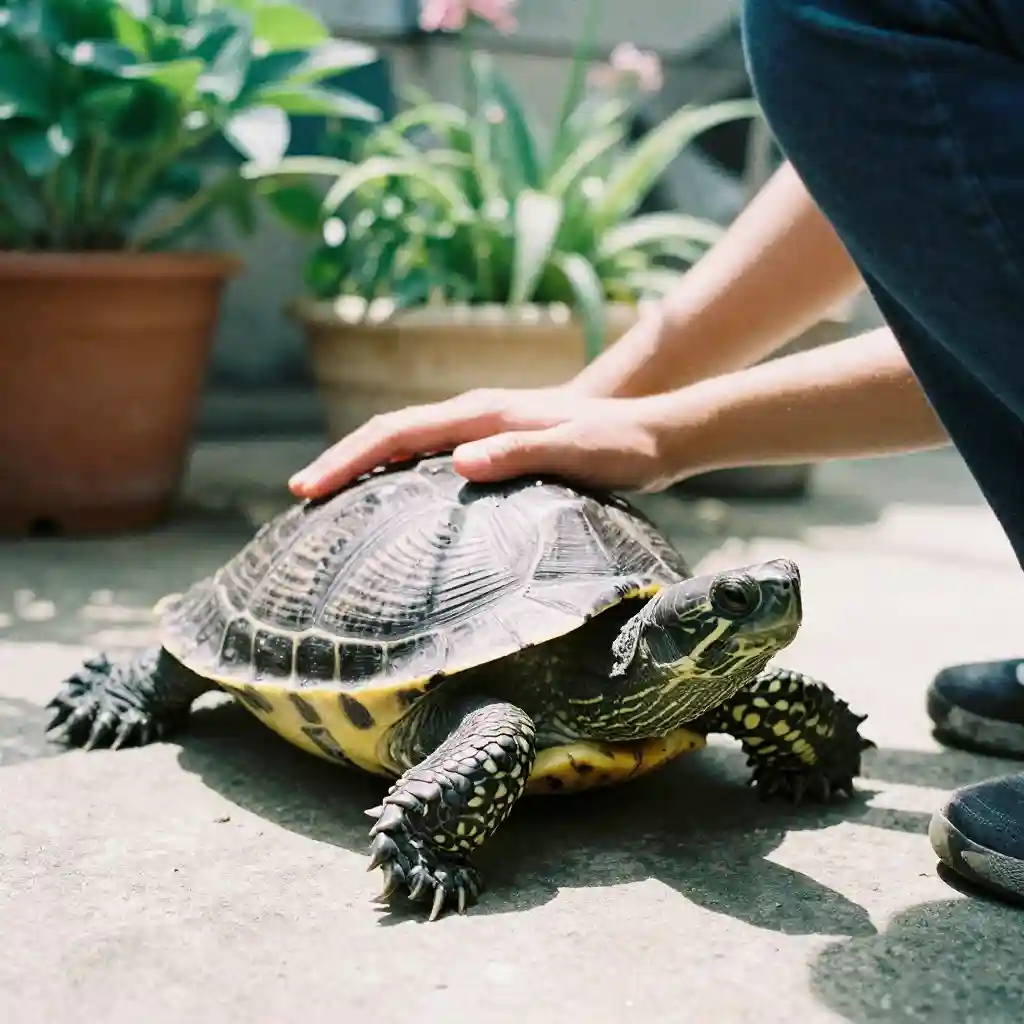
Depending on the context, a turtle not moving much can be normal or a warning sign.
Turtles may slow down during colder months due to brumation, which is their natural energy-conserving state.
However, indoor turtles that live in stable temperatures should not become inactive suddenly.
Worry signs include:
No responses to touch
Refusal to eat
Staying at the bottom constantly
Weak limb movement
Inactivity in combination with appetite loss signals illness.
Turtle Shell Looks Soft (Soft Shell Disease)
If your turtle’s shell feels soft, then it is not normal and requires immediate veterinary attention.
Soft shell disease is commonly caused by:
Calcium deficiency
Poor diet balance
Early signs:
Shell bends under pressure
Uneven shell growth
Reduced activity
If left untreated, this condition may lead to internal damage and fractures. Early correction of diet and adequate UVB lighting can significantly improve outcomes in soft shell disease.
Related Readings: Pets for Adoption: How to Find the Right Pet for Your Home?
Turtle Shell White Spots – Fungus or Shedding?
Turtle shell white spots confuse many owners.
Shedding (normal):
Thin, flaky pieces
No bad smell
Turtle acts normal
Fungal infection (problem):
Chalky or fuzzy patches
Soft areas
Foul odor
Lethargy
Shell fungus thrives in dirty, stagnant water. Improving turtle tank cleaning routines is often the first step, but persistent cases need expert care.
Turtle Eyes Swollen or Not Opening
Swollen eyes or a turtle not opening its eyes usually point to vitamin A deficiency or poor water hygiene.
Common causes:
Dirty tank water
Pellet-only diet
Bacterial buildup
First steps at home:
Improve water cleanliness
Review diet variety
Ensure UVB lighting is functional
Do not attempt eye treatments on your own. Eye infections can worsen quickly if handled incorrectly.
Turtle Floating Sideways
A turtle floating sideways should be considered as a medical red flag. This abnormal buoyancy is a significant symptom of underlying health issues, most notably respiratory infections like pneumonia.
This usually indicates:
Air imbalance
Respiratory infection
Fluid in lungs
Emergency checklist:
Is the turtle struggling to dive?
Is breathing laboured?
Is appetite reduced?
Quick Summary Checklist for Turtle Owners
Daily basics:
Clean water
Optimum water temperature between 78-80°F
Working UVB light
Balanced feeding and nutrition
Watch closely if you see:
Turtle not eating food
Turtle shell looks soft
Turtle eyes are swollen
Turtle floating sideways or showing abnormal buoyancy
Sudden changes in behaviour
Turtle Grooming & Hygiene
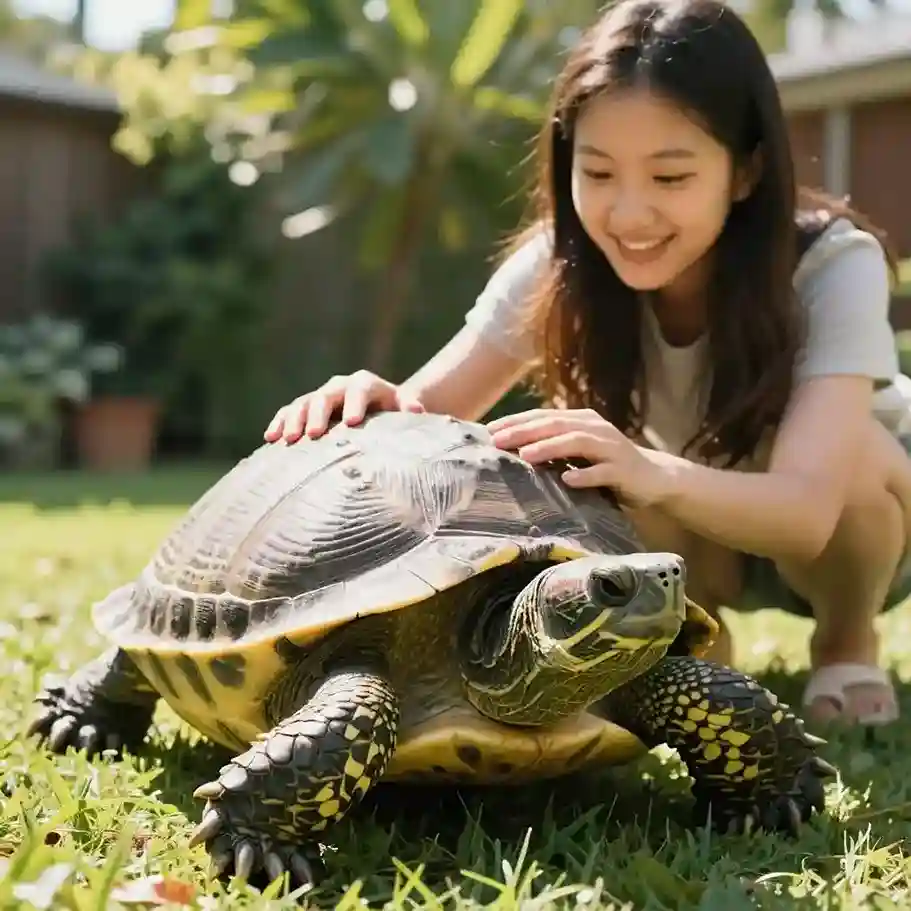
Optimum grooming and hygiene do not necessarily mean frequent handling or scrubbing. For turtles, cleanliness is prevention, not cosmetic care.
It is crucial to note that most eye, skin and shell problems in turtles are associated to poor water quality and hygiene.
How to Clean a Turtle Shell Safely?
You should clean a turtle's shell only when it looks dirty, has algae buildup or has stuck debris, but not as a daily routine.
You have to understand that a turtle’s shell is a living tissue. Aggressive scrubbing or over-cleaning can damage it and also increase the risk of shell infections.
What tools to use:
Soft toothbrush or baby brush
Clean and lukewarm water
A shallow container for handling
What NOT to use:
Soap, detergent, disinfectants
Vinegar, bleach, chemicals or other irritating agents
Hard brushes or scrapers
Gently brush in one direction, rinse well and let the turtle return to clean water immediately.
Safe Turtle Shell Care Tips
A healthy turtle’s shell may shed naturally. It is normal, and there’s nothing to panic about.
Natural shell shedding looks like:
Thin, transparent flakes
No foul smell
The turtle is active and has a strong appetite.
Warning signs of shell damage:
Soft spots
Deep cracks
White or fuzzy patches
Bad odour
To avoid shell rot:
Maintain clean water
Ensure proper basking area
Provide UVB light for daily; Use UVB bulbs or reptile lamps
Provide a balanced diet with adequate calcium
It is crucial to note that safe turtle care is more about environmental control than physical cleaning.
Turtle Hygiene Tips for Owners
Turtle hygiene also protects the owners.
Turtles carry bacteria like Salmonella and may not appear sick. This does not mean turtles are unsafe for you. But if you have a turtle or are planning to adopt one, hygiene is important.
Basic turtle hygiene tips:
Wash hands after handling
Avoid cleaning tanks in kitchen sinks
Never kiss turtles or bring them near the face, especially the one you found at deserts
Keep turtle equipment separate from household items
According to public health guidance cited by the CDC, simple hygiene steps significantly reduce zoonotic risk.
Turtle Tank Cleaning & Maintenance
Tank cleanliness is one of the most important aspects of turtle health. Poor turtle water quality is the leading cause of eye infections, shell fungus, and respiratory illness.
Tank cleanliness can be regarded as the most important aspect of turtle health.
Turtle Tank Cleaning Tips (Beginner-Friendly)
While cleaning the tank, you don’t need to deep-clean. Turtle tanks just need consistent maintenance.
Daily tasks:
Remove uneaten food from the tank
Check filter function
Observe water clarity and smell
Weekly cleaning routine:
Replace 20–30% of tank water
Rinse filter media in old tank water
Wipe tank walls gently
These turtle tank cleaning tips help you maintain beneficial bacteria while preventing waste buildup.
Related Readings: 10 Benefits of booking vet consultation online vs. in-person visits?
How Often Should You Clean a Turtle Tank?
Cleaning a turtle tank depends on the filtration and size of the tank.
General guideline:
Small tanks (under 40 gallons): partial cleaning every 3–4 days
Large tanks (40+ gallons): weekly partial cleaning
Full deep clean: once every 3–4 weeks
You may reduce the cleaning frequency with a good filter, but you cannot eliminate the need for water changes. Clean turtle habitat conditions reduce the risks of illness and stress significantly.
Mistakes That Make Turtles Sick
Many turtle owners unknowingly cause illnesses through cleaning mistakes.
Common errors:
Using soap or chemicals
Overcleaning and removing all beneficial bacteria
Skipping water changes because the tank “looks clean”
Ignoring filter maintenance
Overcleaning tanks can be just as harmful as neglect, as it disrupts the beneficial nitrifying bacteria that process harmful waste products like ammonia. Therefore, balance is the key in turtle tank maintenance.
Quick Turtle Care Checklist
Use this simple checklist to stay on track with pet turtle care
Feeding
Offer age-appropriate turtle food
Avoid overfeeding
Health Signs
Normal activity level
Provide a nutritionally balanced turtle diet
Clear eyes
Firm shell
Regular appetite
Cleaning Routine
Weekly partial water changes
Gentle shell cleaning only when needed
Clean basking area
When to Seek Expert Help for Your Turtle
Many turtle-related problems cannot be treated at home.
Seek expert help if you notice:
Turtle not eating food for several days
Turtle floating sideways
Turtle eyes swollen or not opening
Soft or foul-smelling shell
Sudden turtle behaviour changes
Many turtle owners face difficulties in accessing turtle-related emergency care, especially due to the lack of exotic pet veterinarians. An best online pet care consultation on apps like Conbun with a turtle-experienced professional can help you decide the next steps quickly.
Conclusion
Caring for a turtle is not about doing more. It is about doing what’s needed. It’s about doing things with consistency. Balanced diet, safe shell care, clean water and early attention to warning signs are what you need to do to keep your pet turtle healthy.
When something feels off, like a turtle not eating, unusual behaviour or shell changes, waiting will only make things worse. With Conbun android and iOS, you can talk to a vet online to get quick clarity on what to do next without guesswork.