.webp)
First Week with Your New Dog: A Complete 7-Day Checklist for New Pet Parents
Written by: Anand Sen; Reviewed by: Dr. Saroja Patil MVMS
Key Takeways :
The first week with a new dog is all about helping them feel safe and establishing a consistent routine.
Before bringing your dog home, dog-proof your house and prepare essentials like food, a bed, bowls, a crate, toys, and an ID tag.
During the first 48 hours, keep the environment calm, feed the same diet, introduce family members gradually, and begin a regular feeding and toilet schedule.
By Days 4–5, start short training sessions, gentle handling, and safe socialisation using positive reinforcement.
The first week with a new dog is all about helping them feel comfortable, safe and secure. During these days, focus on creating a calm environment, establishing toilet routines, following a consistent feeding schedule, and scheduling your dog’s first veterinary health check. Avoid overwhelming the dog with too many people or sudden changes, as this adjustment period lays the foundation of lifelong trust and good behaviour.
Whether you’re bringing a new dog home for the first time or adopting an older dog, this first-time dog owner guide offers a practical day-by-day plan. You’ll learn how to prepare your home, what to expect during the first 48 hours with a new puppy, how to build a healthy routine and when to arrange your puppy’s first vet visit.
Before Your Dog Arrives: Prepare Your Home
Preparing your home before your dog arrives makes the transition much smoother. A safe, quiet environment allows your dog to explore confidently while reducing the risk of accidents and injuries.
Dog-Proof Your Home
Before bringing your dog home:
Store medicines and household chemicals safely.
Remove electrical cords from chewing areas.
Secure gates, balconies, and stairways.
Keep toxic foods like grapes, chocolate, onions, and xylitol out of reach.
Remove small objects that could be swallowed.
Gather the Essentials
Having everything ready helps your dog settle in more comfortably.
New Dog Owner Essentials
Comfortable bed
Food and water bowls
Recommended puppy or dog food
Collar with ID tag
Leash and harness
Crate or puppy pen
Safe chew toys
Waste bags
Cleaning supplies
Designate a quiet area where your puppy can relax without constant interruptions. This space should remain available throughout the first week so your dog always has somewhere safe to retreat.
Day 1: Help Your Dog Feel Safe
Your dog’s first day is exciting, but it can also be highly stressful. Everything, from new sights and smells to unfamiliar people, is completely different.
Instead of introducing your dog to everyone immediately, keep the environment calm. Allow them to explore one room at a time at their own pace. Do not force interaction, speak softly, and let the dog approach your family members voluntarily.
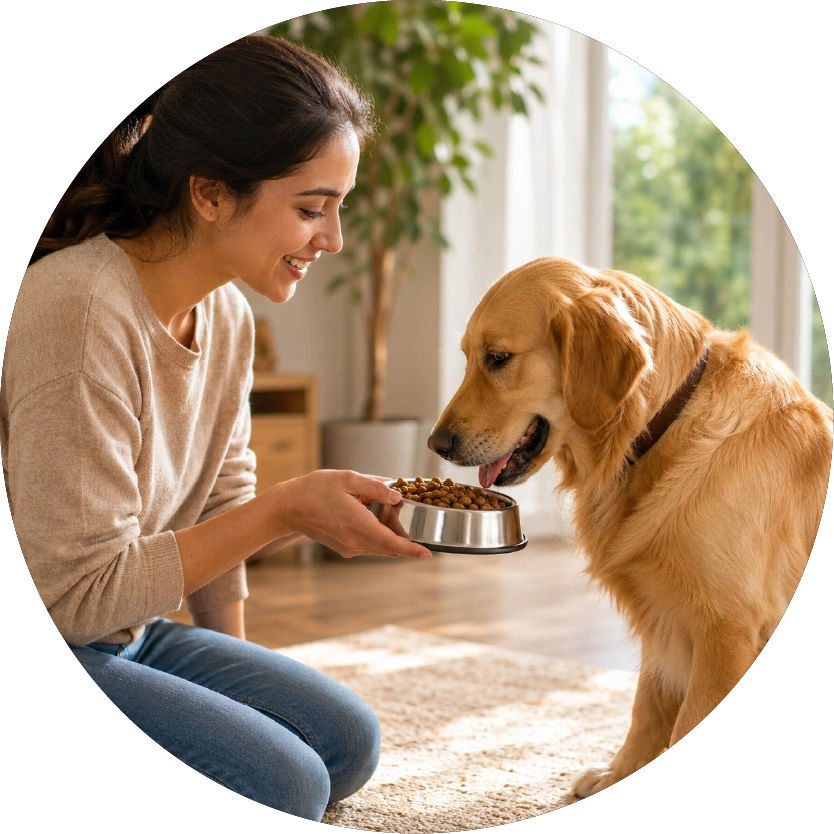
Continue feeding the same food they were eating previously unless your veterinarian recommends otherwise. Abrupt dietary changes can cause digestive upset during an already stressful period. Ensure that fresh water is always accessible and take the puppy outside regularly after meals, naps and play sessions to establish a toilet routine.
Do not be surprised if your dog eats less, sleeps more or seems quieter during the first day. Mild appetite loss during the first 24-48 hours may occur because of stress. However, prolonged refusal to eat must be discussed with a veterinarian.
What to Expect on the First Night
Your dog may:
Cry or whine.
Wake up during the night.
Need extra toilet breaks.
Seem anxious in unfamiliar surroundings.
You have to be patient. Comfort your dog but avoid rewarding excessive vocalisation with constant attention.
Days 2–3: Build a Routine
Dogs thrive on consistency. By the second, start establishing routines that your dog can rely on every day.
Feeding Schedule
Feed your dog at the same time each day using high-quality food appropriate for their age and size. Young puppies usually require three to four meals daily, while most healthy adult dogs eat twice a day. Do not offer treats between meals, as they can interfere with appetite, training and feeding routine.
Feed your dog at the same time each day using high-quality food appropriate for their age and size.
Toilet Training
Take your dog outside:
After waking up
After eating
After drinking
After play sessions
Before bedtime
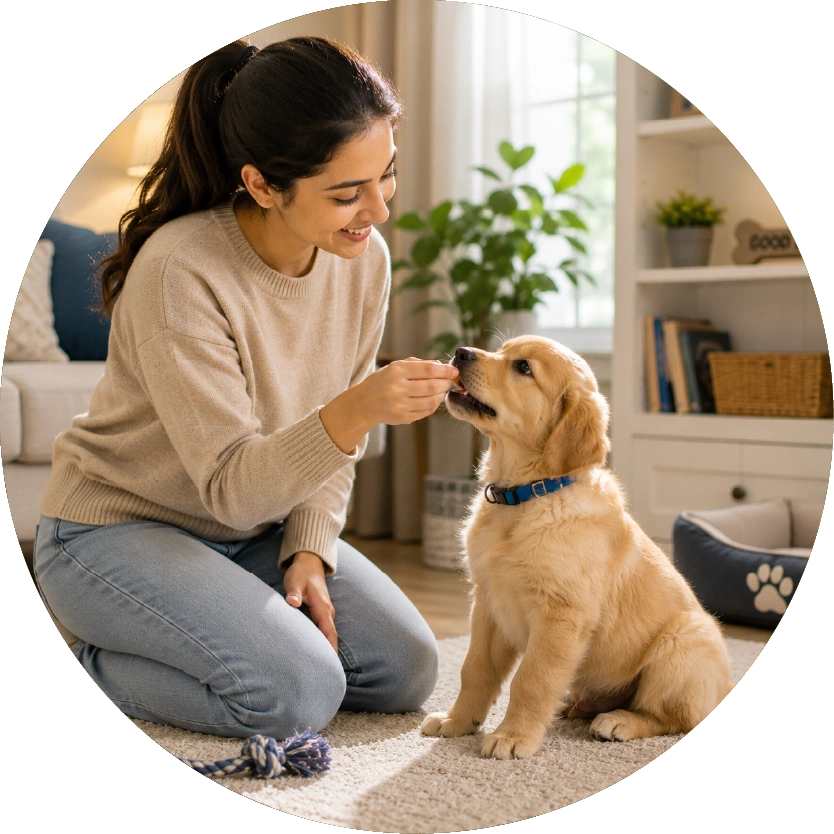
Reward successful elimination immediately with a small treat or praise. Positive reinforcement is the most effective training method for pets, helping them learn faster.
Sleep and Gentle Bonding
Ensure the puppy gets plenty of rest, as puppies may sleep 18-20 hours a day. Spend quiet time together through gentle play, calm handling and short training interactions to build trust without overwhelming your dog.
Short Walks
If your veterinarian confirms it’s medically appropriate based on your dog’s age and vaccination status, introduce short, enjoyable walks. Keeping outings brief and allowing your dog to explore the environment at their own pace rather than forcing long distances.
Veterinary Insight: According to the American Animal Hospital Association (AAHA), predictable routines and positive experiences during the first week reduce stress and help dogs adapt more successfully to a new environment.
Days 4–5: Start Training and Socialisation
By the fourth day, your dog should be feeling more comfortable in their new home. This is the ideal time to introduce basic training and gentle socialisation. Early positive experiences can help build confidence and instil good behaviour throughout your dog’s life.
Teach Basic Commands
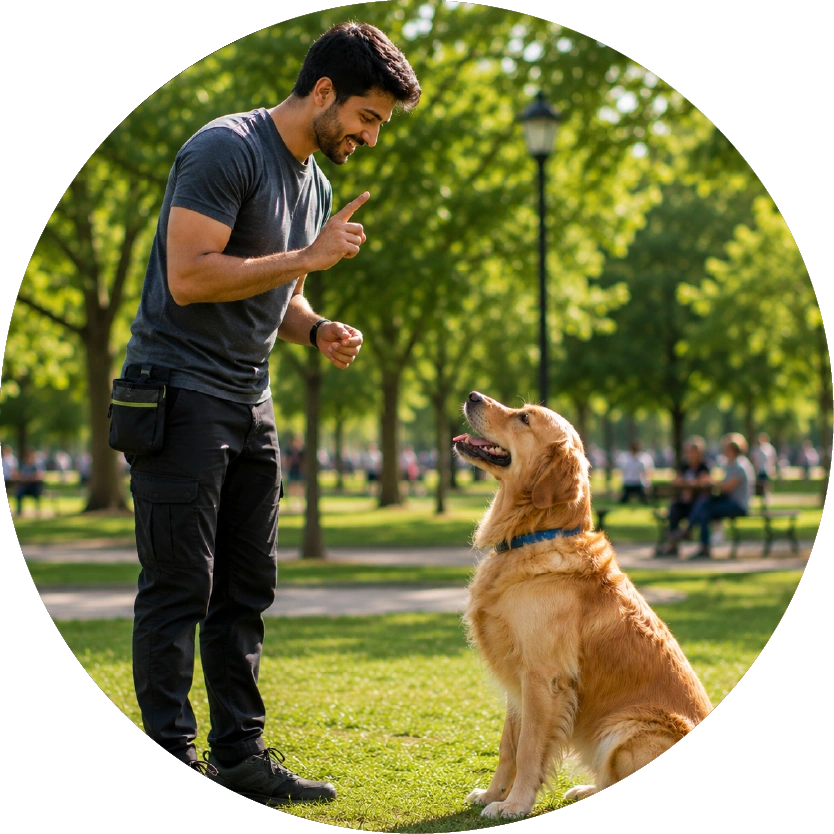
Keep training sessions short, around 5–10 minutes, and always end on a positive note. Start with simple commands such as:
Responding to their name
Sit
Come
Stay (basic introduction)
However, your commands must be consistent in tone and language. Inconsistency in commands is a common puppy training mistake. If commands are not identical, your puppy may have difficulties in learning multiple versions of the same instruction.
Reward every success with treats, praise or play. Positive reinforcement, recommended by veterinary behaviourists, helps dogs learn faster while strengthening the bond between you and your pet.
Introduce Gentle Handling
Help your dog become comfortable with everyday care by gently touching and rewarding them during handling.
Practice:
Looking inside the ears
Touching the paws
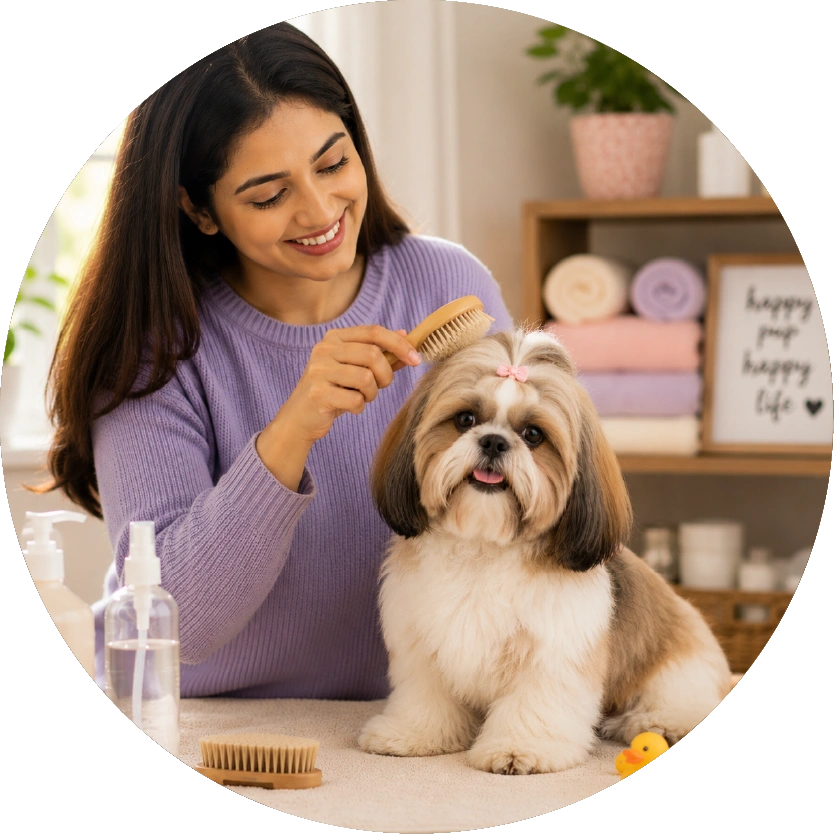
Brushing the coat
Checking the mouth
Wearing a collar or harness
These small sessions make future grooming and veterinary examinations much less stressful.
Safe Socialisation
If your dog’s vaccination status allows, gradually introduce them to new sights, sounds and people. Keep every interaction calm and positive. Avoid crowded parks or contact with unknown dogs until your veterinarian confirms it’s safe.
Veterinary Insight: Quality socialisation is more important than quantity. A few positive experiences are far more beneficial than exposing your dog to too many new situations at once.
Days 6–7: Schedule Your First Veterinary Visit
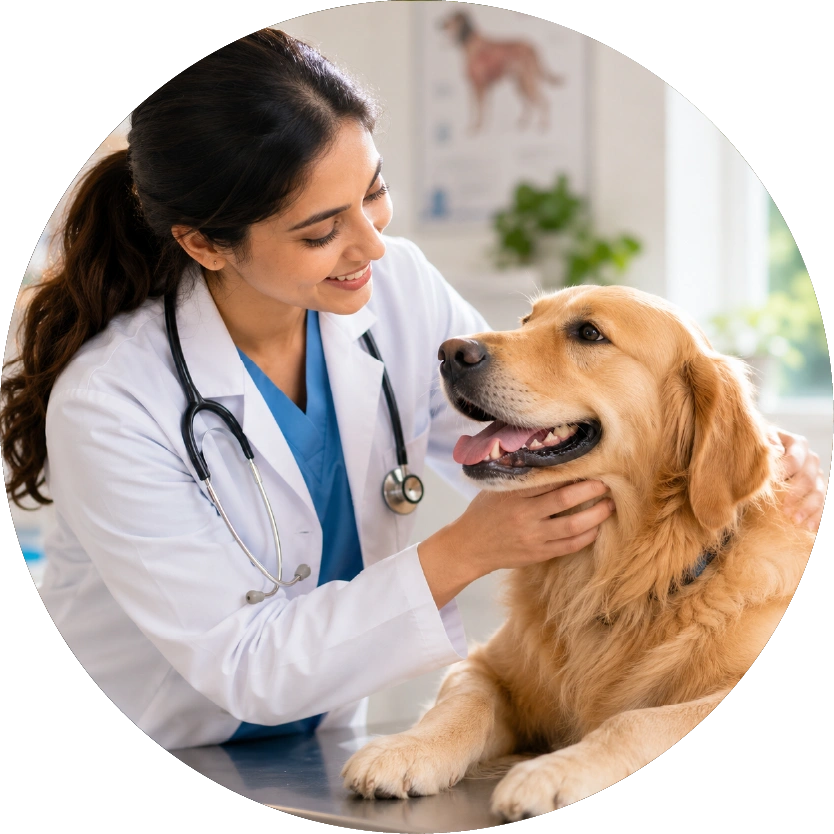
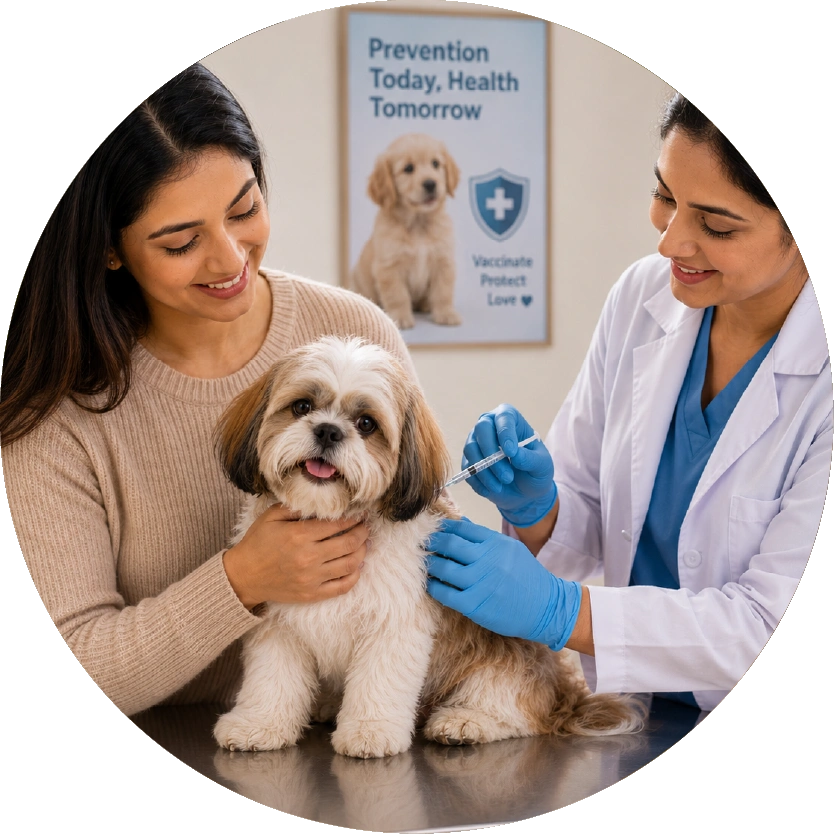
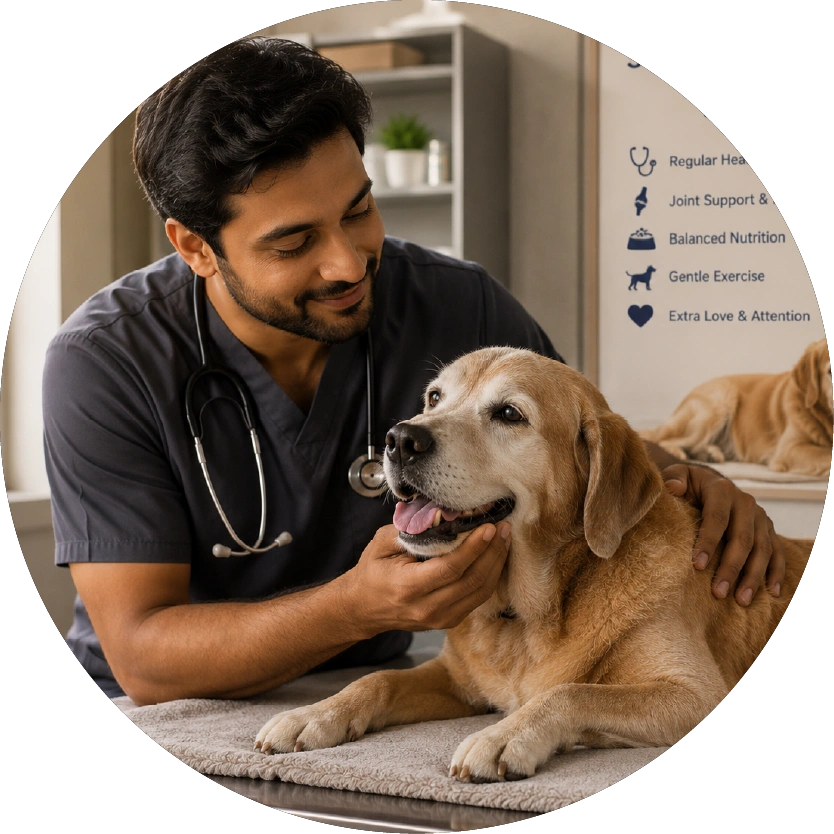
One of the most important items on any first-time dog owner checklist is arranging your dog’s first veterinary examination within the first week. Even healthy-looking dogs can have underlying medical conditions that aren’t immediately obvious.
During the visit, your veterinarian may assess:
Health Check | Why It Matters |
Weight and body condition | Ensures healthy growth and nutrition. |
Vaccination status | Plans or continues the dog vaccination schedule. |
Parasite control | Recommends flea, tick, and deworming treatments. |
Nutrition | Confirms your dog's diet meets their age and breed requirements. |
Dental health | Detects early oral health concerns. |
Behaviour | Discusses settling-in, training, and anxiety. |
Microchipping | Confirms identification or recommends implantation if needed. |
This is also the perfect opportunity to ask questions about exercise, toilet training, feeding, grooming and preventive healthcare. Early veterinary guidance can help prevent common health and behavioural problems before it becomes more difficult to manage.
Common Mistakes During the First Week
Many first-time dog owner mistakes happen with good intentions. Fortunately, they’re easy to avoid.
Don't:
Switch your dog's food immediately unless advised by your veterinarian.
Invite lots of visitors during the first few days.
Expect perfect toilet training right away.
Punish accidents or fearful behaviour.
Take your puppy on long walks before receiving veterinary advice.
Leave your dog alone for extended periods during the adjustment phase.
Skip the first veterinary examination because your dog "looks healthy."
Remember that every dog adjusts at a different pace. Patience and consistency are key.
Need Help During Your Dog's First Week? Conbun Can Help
The first week with a puppy brings plenty of questions, but the good news is that you don’t have to figure everything out alone. With online dog behaviour consultation on Conbun, you can connect with experienced veterinarians from the comfort of your home.
Whether you need advice on vaccinations, feeding schedules, toilet training, behaviour, parasite prevention, nutrition or settling-in concerns, an online veterinary doctor consultation provides personalised guidance whenever you need it. You can also talk to a vet online if your new dog isn’t eating, seems anxious, has digestive issues or if you’re unsure whether something is normal during the adjustment period.
Frequently Asked Questions
How do I dog-proof a room?
Remove electrical cords, toxic plants, medicines, small objects, cleaning products and anything your dog could chew or swallow. Secure balconies, gates, and bins, and provide a safe resting area with a bed, water and appropriate toys.
Which dog is best for first-time owners?
Breeds such as the Golden Retriever, Labrador Retriever, Beagle and Cavalier King Charles Spaniel are often recommended because they are generally friendly, trainable and adaptable. However, the best dog is one whose needs match your lifestyle.
What should I do during the first week with a new puppy?
Focus on creating a consistent routine, feeding the same diet, starting toilet training, introducing basic commands, providing a safe environment and scheduling a veterinary health check within the first few days.
What should I buy as a first-time dog owner?
Essential supplies include food and water bowls, age-appropriate food, a comfortable bed, a crate, a leash collar with an ID tag, toys, grooming tools, waste bags, and cleaning supplies for accidents.
How can I prepare as a first-time dog owner?
Research your dog’s breed, dog-proof your home, gather essential supplies, choose a veterinarian, establish a daily routine, and learn positive reinforcement training techniques before bringing your dog home.
Conclusion
The first week with a new dog sets the tone for your relationship. By creating a safe environment, following a consistent routine, using positive reinforcement, and scheduling an early veterinary check-up, you'll help your dog settle in with confidence. Every dog adjusts differently, so be patient, celebrate small milestones, and remember that trust is built through consistency, kindness, and daily care.
If you’re unsure about how to take care of your new puppy, talk to a vet online on Conbun to learn behavioural tips, get nutrition-related guidance and access critical veterinary insight to keep your tiny four-legged friend happy and healthy.
Table of Content
- Before Your Dog Arrives: Prepare Your Home
- Day 1: Help Your Dog Feel Safe
- Days 2–3: Build a Routine
- Days 4–5: Start Training and Socialisation
- Days 6–7: Schedule Your First Veterinary Visit
- Common Mistakes During the First Week
- Frequently Asked Questions
- Conclusion
Anand Sen
Categories