.webp)
Single Bird vs Pair: Should You Get One Bird or Two?

Choosing between one bird or two depends on the species, the time you can dedicate each day, the space available and also your budget. Some birds thrive as single companions when they receive adequate human interaction regularly, while others prefer being with another bird. Understanding the social needs of your bird before bringing it home can help prevent stress, boredom and behavioural problems.
If you’re a first-time owner, it’s tempting to assume that every bird needs a companion. In reality, there is no universal answer. Some species are highly social and benefit from living in pairs, while others are comfortable living alone, provided their emotional and environmental needs are met. In this guide, I’ll explain how bird companionship, cage size, costs and owner interaction can influence your decision, along with safe ways to introduce a second bird when appropriate.
Do All Birds Need a Companion?
Not all birds have the same social requirements. Some species naturally live in large flocks and enjoy constant interaction, while others are more independent. Understanding the natural behaviour of your bird can help you decide when keeping one bird or a pair is the better option.
Bird Type | Typical Social Preference |
Finches | Usually happiest in groups or pairs |
Canaries | Often comfortable alone, especially males |
Budgies | Usually enjoy companionship |
Cockatiels | Social and may thrive alone with regular human interaction |
Lovebirds | Often enjoy companionship but can live singly with dedicated care |
Large parrots | Strong social needs and require extensive daily interaction |
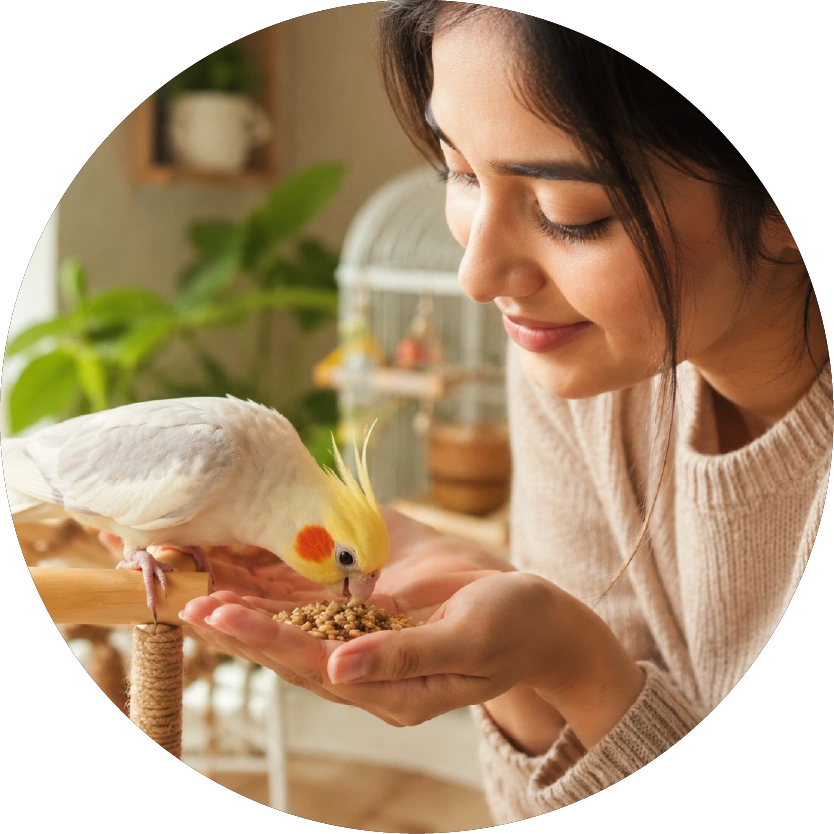
In the wild, many birds rely on flock members for communication, protection, grooming, and learning. Companion birds retain many of these instincts. However, a dedicated owner who spends quality time with a single bird can often meet many of its social needs.
The biggest considerations are your lifestyle and availability. If you are busy most of the day or spend little time at home, a compatible companion bird may help reduce loneliness for social species. On the other hand, owners who interact daily with their bird through play, training and enrichment may successfully raise a single bird.
One important thing to note is that individual personalities still vary. Even within the same species, some birds prefer independence while others constantly seek companionship. Species characteristics provide useful guidance, but they cannot predict every bird’s behaviour.
Veterinary Insight: According to the Zoological and Botanical Gardens, many companion birds are flock animals whose welfare is influenced by adequate social interaction. This interaction may come from another compatible bird or from consistent, positive engagement with their human caregivers.
Single Bird vs Pair: Pros and Cons
Whether you keep one bird or two, each option offers advantages and challenges. Understanding both helps you choose the arrangement that best suits your lifestyle and your bird's wellbeing.
Keeping One Bird | Keeping Two Birds |
Stronger human bond | Constant companionship |
Easier training | Less loneliness |
Lower ongoing costs | Natural social interaction |
Smaller cage required | Higher expenses |
Easier health monitoring | More complex introductions |
Advantages of Keeping One Bird
A single bird may develop a strong bond with the owner because it relies more heavily on human interaction for companionship. Taming, training, and socialisation also become easier since the bird focuses its attention on the owners. Housing, cleaning and routine healthcare become simple and inexpensive when caring for a single bird.
Advantages of Keeping Two Birds
Keeping two compatible birds allows them to communicate, groom each other and engage in natural social behaviours throughout the day. Birds that live together experience less boredom when owners are away. They often benefit from observing and learning from one another. This arrangement is rewarding, especially for highly social species like finches and budgies.
Possible Challenges
Adding a second bird also introduces new responsibilities. Some birds compete for food, favourite perches, or owner attention. Territorial behaviour may occur, particularly if introductions are rushed. Owners should also expect increased cleaning, larger cages, additional toys, and higher veterinary expenses over the birds' lifetime.
A second bird should never be purchased solely because a single bird "looks lonely." The decision should always consider species compatibility, available space, financial commitment, and your ability to properly care for both birds.
Keeping two birds together can be challenging if they are not compatible with each other. A lack of compatibility may lead to behavioural problems like feather plucking, destructive chewing etc.
Will Two Birds Stop Bonding with You?
A common concern among many pet bird owners is that two birds will ignore their human family and bond only with each other. While birds that are kept together often spend more time interacting with one another, it doesn’t mean that they will not form strong relationships with their owners.
The outcome depends on the species, personalities of the birds and the time you invest in daily interaction.
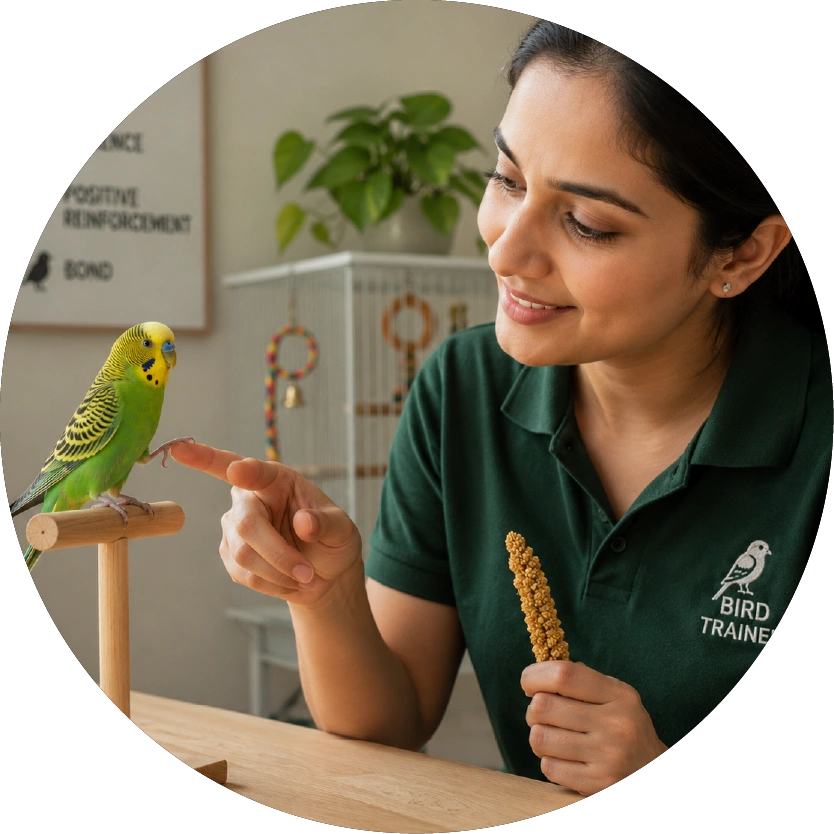
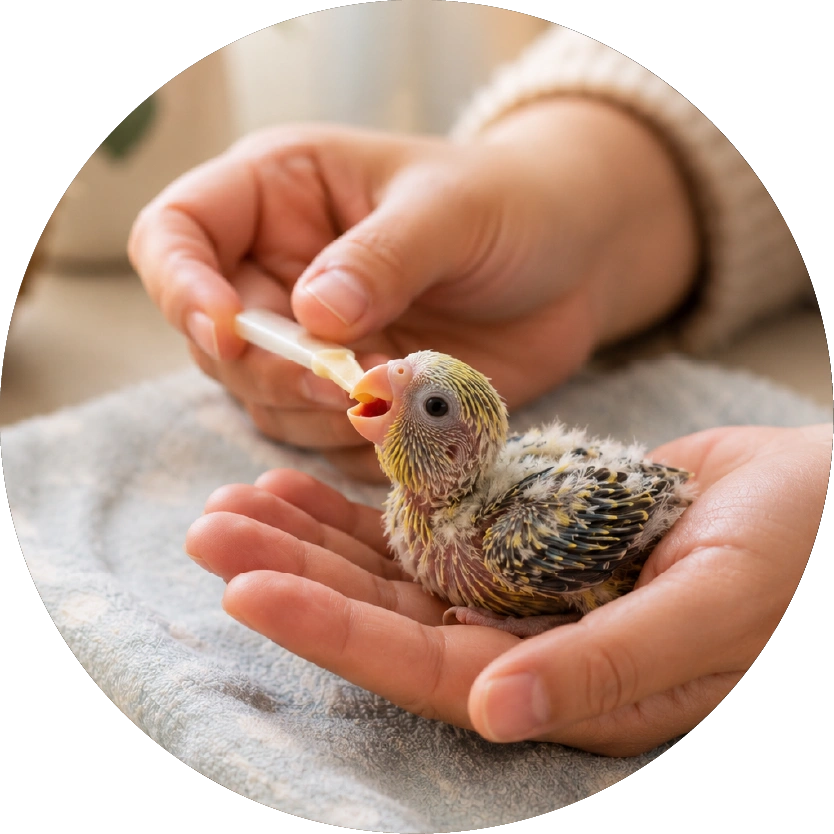
Birds naturally seek companionship, so paired birds may groom, vocalise, and play together more frequently than they interact with humans. However, regular handling, positive reinforcement, training sessions, and calm socialisation help maintain a trusting bond with both birds. Early socialisation also plays an important role, especially in young birds that become accustomed to human contact from the beginning.
Veterinary Insight: Even if you keep two birds together, spend individual time with each bird every day. Short training sessions and positive interactions help strengthen trust while allowing the birds to enjoy each other's company.
Cage Space, Time, and Budget Considerations
Keeping two birds as pets requires much more than buying twice as much food. You must provide them a living environment that supports their natural behaviours like climbing, flying, perching and feeding without causing competition.
Cage Size
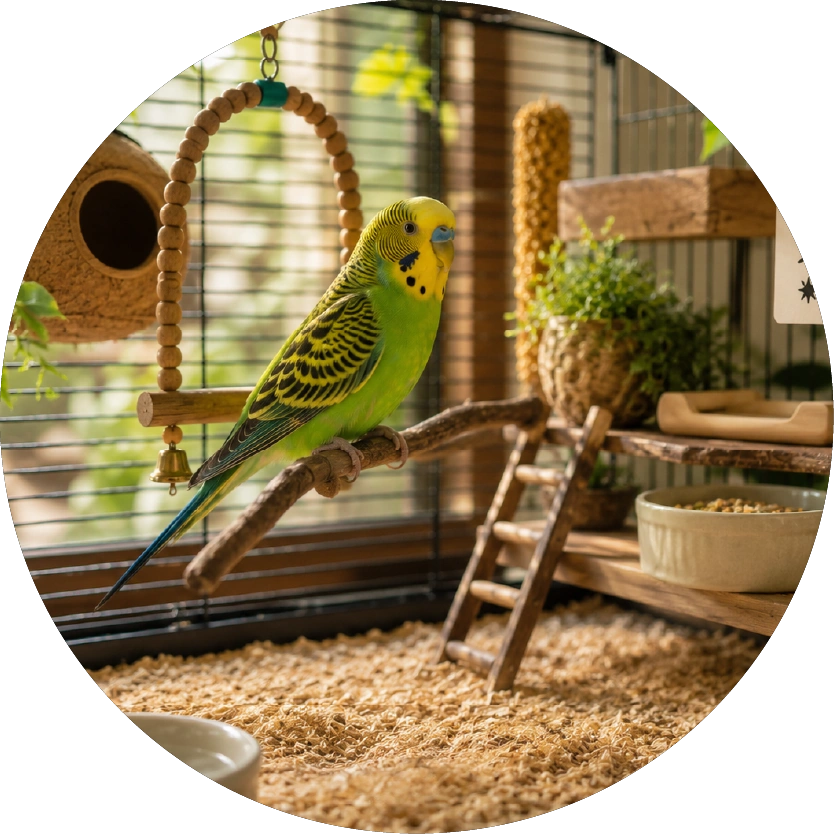
A pair of birds needs a significantly larger cage than a single bird. Provide multiple natural perches of different diameters, separate food and water bowls where appropriate and plenty of interactive pet toys to encourage exploration. Offering extra space reduces territorial disputes and allows each bird to retreat when needed.
Budget
While some equipment can be shared, caring for two birds can increase ongoing expenses.
Expense | One Bird | Two Birds |
Food | ₹300–₹1,000/month | ₹600–₹2,000/month |
Toys & enrichment | ₹300–₹800/month | ₹500–₹1,500/month |
Veterinary care | One annual wellness exam | Two annual wellness exams |
Cage | Standard size | Larger cage with additional accessories |
Larger bird species like the African Greys, Macaws, and Amazons require significantly bigger cages, stronger toys and expensive veterinary care than smaller birds like finches and budgies.
While housing two birds does not always double every expense, veterinary examinations, preventive healthcare, and nutrition costs generally increase for each additional bird. For more tips, read our detailed pet bird care guide.
How to Introduce a Second Bird Safely
Introducing another bird should always be gradual. Rushing the process can increase stress and may lead to infectious disease or trigger aggressive behaviour.
Step 1: Quarantine the New Bird
Keep the new bird in a separate room for at least 30 days, or as advised by an avian veterinarian. This reduces the risk of transmitting infectious diseases that may not show obvious signs immediately.
Step 2: Arrange a Veterinary Health Examination
Before introducing the birds, schedule a wellness check to assess overall health and discuss parasite screening or diagnostic testing if recommended.
Step 3: Place the Cages Nearby
After quarantine, position the cages where the birds can see and hear one another without direct physical contact. Observe their behaviour over several days.
Step 4: Watch Their Body Language
Curiosity, calm vocalisations, and a relaxed posture indicate comfort. Lunging, persistent screaming or aggressive behaviour suggests that they need more time.
Step 5: Allow Supervised Interaction
Once the birds appear comfortable, allow short supervised interactions in a neutral, bird-safe space. Do not leave unfamiliar birds together unattended.
Step 6: Share a Cage Only If Compatible
Only move birds into the same cage if they consistently interact peacefully. Even compatible birds should have adequate space, multiple feeding stations, and enough perches to minimise competition.
Veterinary Insight: The Association of Avian Veterinarians recommends quarantine and health assessments because many infectious diseases can spread before visible symptoms develop.
Need Help Choosing the Right Setup? Conbun Can Help
Whether you're deciding between one bird or two, introducing a companion, or managing behaviour changes, professional guidance can help you make informed decisions. With a quick vet consultation online on Conbun, you can connect with experienced avian veterinarians for advice on species compatibility, nutrition, cage setup, behaviour, preventive healthcare, and safe introductions.
Conbun is the most trusted pet care app in India, making pet parenting easy. It is a digital vet clinic online that allows you to enjoy 24/7 vet consultation from anywhere in India.
Conclusion
There is no universal answer to whether one bird or two is better. The right decision depends on the bird species, the time that you’re going to invest, cage space, financial commitment and the ability to provide daily interaction.
By understanding your bird's social needs, introducing companions gradually, and seeking veterinary advice when needed, you can create a safe, enriching environment that supports lifelong health and wellbeing.
Frequently Asked Questions
Q1. Should I keep one bird or two?
Ans. It depends on the species and your lifestyle. Highly social birds generally benefit from compatible companions, while others may thrive alone if they receive consistent human interaction, mental enrichment and proper daily care.
Q2. Can a single pet bird be happy?
Ans. Yes. A single bird can live a happy, healthy life when provided with regular social interaction, exercise, enrichment, training and appropriate veterinary care. Owners should spend quality time with solitary birds every day.
Q3. Will two birds bond less with people?
Ans. Not necessarily. Two birds usually interact more with each other. However, with regular handling, positive reinforcement and individual attention, owners can build a strong human-bird relationship.
Q4. Which bird species should be kept in pairs?
Ans. Finches, budgies, and various other flocking species enjoy living with compatible companions. Canaries may be comfortable alone, while larger parrot species have complex social needs that require careful planning and individual assessment.
Q5. How do I safely introduce a second bird?
Ans. Quarantine the new bird for at least 30 days, arrange a veterinary health check, introduce the birds gradually using separate cages, monitor their behaviour closely, and only house them together if they consistently show compatible interactions.
Table of Content
- Do All Birds Need a Companion?
- Single Bird vs Pair: Pros and Cons
- Will Two Birds Stop Bonding with You?
- Cage Space, Time, and Budget Considerations
- How to Introduce a Second Bird Safely
- Need Help Choosing the Right Setup? Conbun Can Help
- Conclusion
- Frequently Asked Questions

Anand Sen
Categories