
Rabbit Not Eating and Inactive – What Does It Mean?
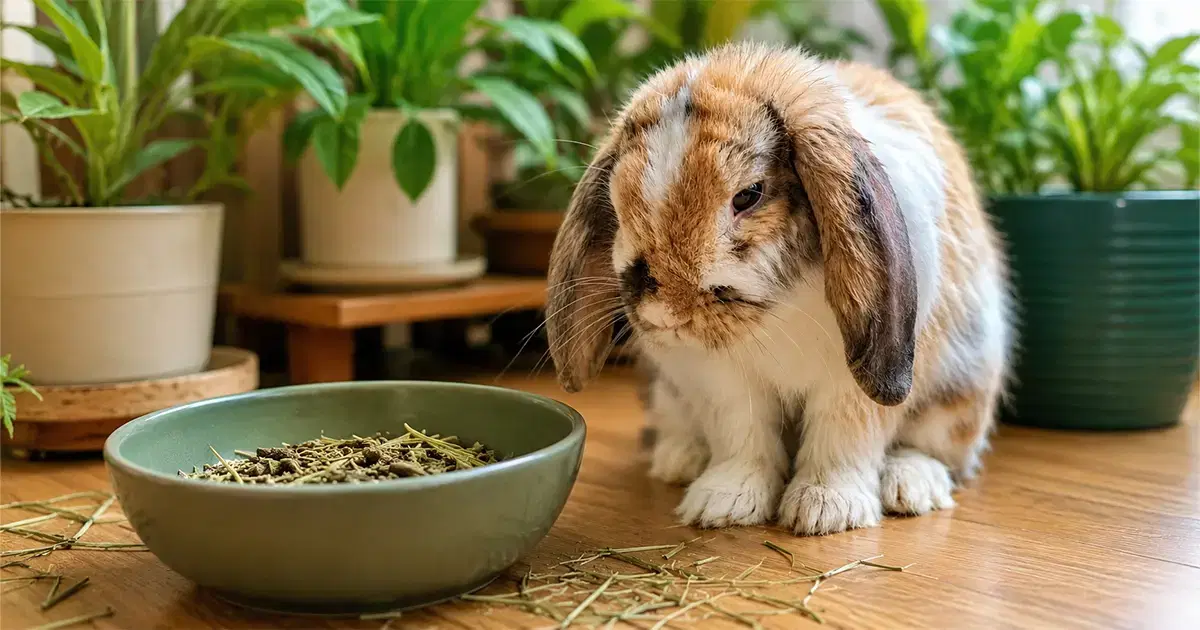
Is It Serious If a Rabbit Not Eating But Acting Normal?
Yes. It can be serious and even life-threatening.
Pet rabbits frequently chew on anything that comes in between their teeth. Thus, it makes pet owners concerned when their rabbit not eating. While it may be normal for your dog or cat to skip a meal, in the case of rabbits, it may indicate an emergency.
Your roommate is not a rabbit behaviour expert and no your rabbit not eating because he is angry at your for giving his treat to a squirrel in the park.
Rabbits require a constant supply of food, especially fibrous food like hay, to ensure their specialised digestive system, called the hindgut, is continuously moving.
Therefore, when a rabbit not eating and becomes inactive, it often indicates digestive shutdown, pain, heat stress or an underlying illness. If this lasts more than 8-12 hours, it should be considered as a rabbit emergency.
This guide explains what are the common reasons a rabbit not eating and what you can do immediately to deal with such a situation.
Common Signs That Something Is Wrong
As rabbits are prey animals, they have an innate survival instinct of hiding weaknesses. If you see the following signs together, consider it an urgency.
Refusing hay, favourite food or treats
Sitting still for extended periods or lying stretched out
Teeth grinding (a classic sign that the rabbit is in pain)
Small, fewer, or no droppings
Hunched posture with eyes half-closed (another classic and serious sign of pain or severe illness)
Cold ears or body
Hiding, avoiding interaction, or sudden aggression
Signs Your Pet Might Be Hiding a Health Problem. Waiting for obvious signs of distress could be a dangerous mistake.
Related Readings: Are Bleeding Disorders Normal in Small Pets?
Most Common Reasons a Rabbit Not Eating and Becomes Inactive
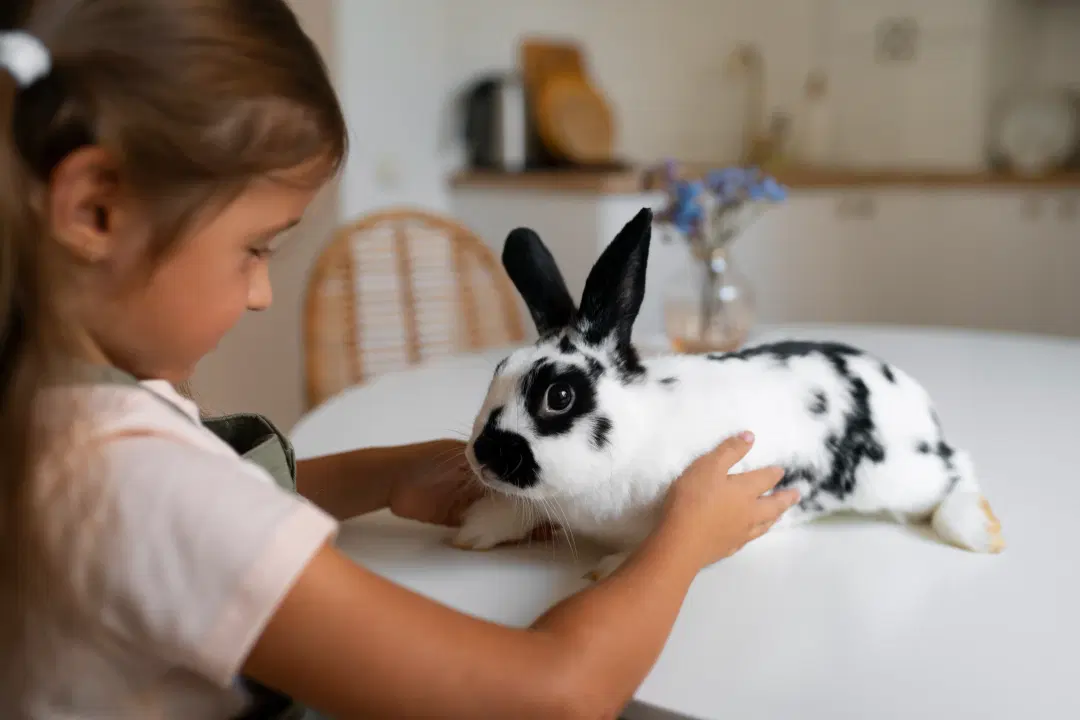
A. Digestive Slowdown (GI Stasis) - Most Common Cause
What happens:
It is one of the most common rabbit diseases, where food passage slows down in the GI tract. It may be due to true outflow obstruction from hairballs or even due to a secondary neurological disorder caused by Encephalitozoon cuniculi.
During this condition, gas also builds up, which causes severe pain. Pain leads to less eating, thereby slowing down the gut further. It is a vicious cycle.
Why does it happen?
Low-fibre diet (too many pellets, not enough hay)
Stress (travel, noise, predators, handling)
Pain from another condition (teeth, urinary issues)
According to the MSD Veterinary Manual, GI stasis is one of the most common emergencies in pet rabbits, and delays in treatment significantly increase mortality.
Key clues:
Rabbit is not eating, not pooping, sitting hunched, grinding teeth.
B. Dental Problems
Why teeth matter so much:
Rabbit teeth grow continuously throughout their lives to compensate for wear. If they don’t wear down evenly, sharp points and overgrowth develop, making chewing painful. Even if they want to eat, they won’t because of the pain.
What you may notice:
They may approach the food but drop it
Drooling or wet chin
Selective eating, like avoiding hay and preferring soft foods
Continuous weight loss despite food availability
Dental disease is one of the leading underlying triggers of GI stasis.
C. Stress or Sudden Change
Rabbits are extremely sensitive to change, both environmentally and in their routine. This means even slight changes can trigger significant stress, leading to illness and behavioural issues.
Common triggers:
Loud noises (construction, fireworks)
New pets or people
Cage relocation
Travel or vet visits
Abrupt diet changes
Even short-term stress can shut down a rabbit’s appetite within hours. Stress is a modifiable risk factor for numerous health issues, and thus, you can deal with this factor through various means.
Distracting your pets with interactive pet toys can be an effective way, as they provide both mental and physical stimulation.
D. Pain or Injury
Most rabbit veterinary doctors suggest that when in pain, rabbits often become motionless and silent, not vocal.
Possible causes include:
Slips or falls
Arthritis in senior rabbits
Improper handling
Internal pain (urinary tract, reproductive organs)
Owners generally mistake a still sitting rabbit for resting. But they are actually coping with pain. Do not rely on search engines as a veterinary guide for rabbit behaviour advice. If in doubt, always consult a veterinarian.
E. Heat Stress (Very Common in India)
Rabbits can’t tolerate heat like they can tolerate cold because of the lack of sweat glands, relying on large ears to radiate heat, which becomes inefficient in ambient temperatures.
Why heat is dangerous:
Rabbits do not sweat
Temperatures above 30°C increase risk
Heat stress reduces appetite significantly and causes lethargy
Heat stress signs:
Rapid breathing
Weakness
Refusal to eat
Warm ears initially, then cold extremities
Heat stress alone can trigger GI stasis, which can complicate their health condition further.
F. Infection or Underlying Illness
Less common but serious causes include:
Urinary tract infections
Liver disease
Parasitic infections
Systemic bacterial illness
Consider a rabbit care expert consultation to connect with a veterinary doctor online and find out the underlying condition. Loss of appetite is often the first sign of an underlying disease, appearing before other symptoms emerge.
Related Readings: Is Online Pet Care Consultation Right for Your Pet?
How Long Can a Rabbit Go Without Eating?
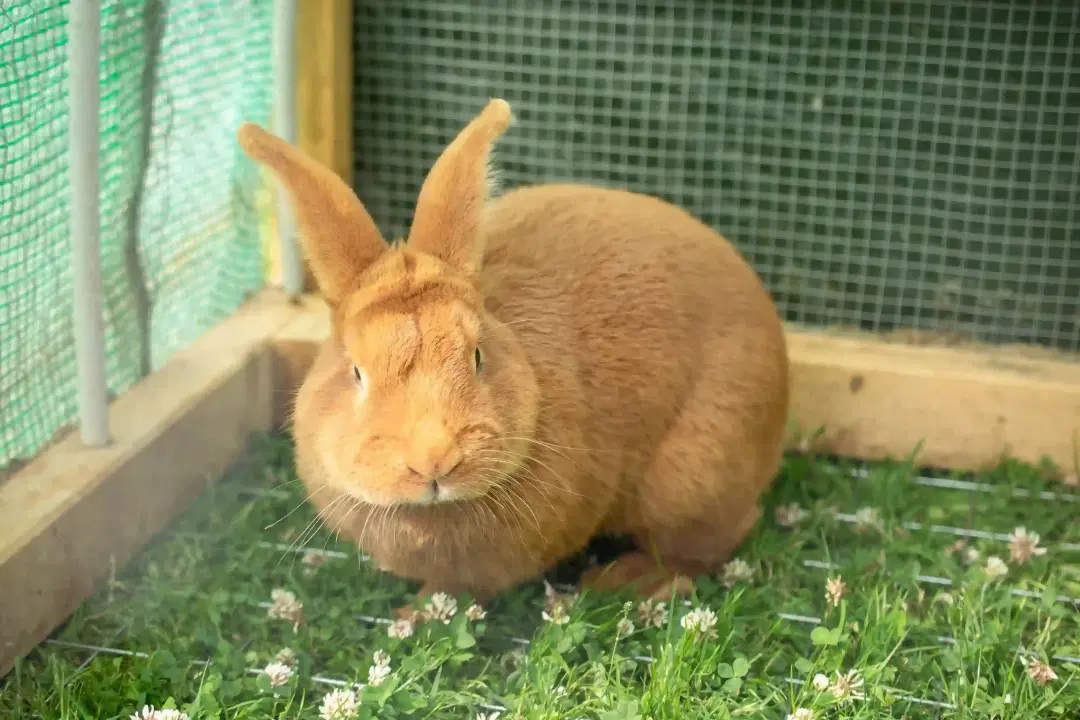
This is where rabbits differ drastically from dogs or cats. While other pet animals do well if they skip meals for some hours, it is considered problematic if your rabbit does not eat for:
4-6 hours → Medical emergency
12 hours → high risk
24 hours → life-threatening
Veterinary studies show that prolonged anorexia in rabbits rapidly leads to hepatic lipidosis, severe dehydration, and shock. Rabbits cannot fast safely.
What To Do Immediately (Step-by-Step)
Do This Now
Offer unlimited fresh hay (not pellets first)
Check droppings for size, number, and presence
Keep the rabbit quiet, warm and stress-free
Offer water in a bowl (not only a bottle)
Observe posture and breathing closely
Do NOT
Do not try to force-feed without veterinary guidance
Do not give human medicines as they can be toxic
Do not wait “to see if it improves tomorrow”
Early supportive care plus veterinary assessment dramatically improves survival. You can get a virtual diagnosis done through rabbit health consultation apps like Conbun to get rabbit health advice from experts to rule out medical issues or plan for emergency veterinary care.
Related Readings: How do online vet consultations work: A pet owner’s guide?
When to See a Vet Immediately?
Treat it as an emergency if you observe any of the following signs:
No food intake for 8–12 hours
No droppings or very tiny droppings
Severe lethargy or collapse
Loud or constant teeth grinding
Rapid breathing or abnormal posture
Rabbits' health declines faster when compared to other pets. Thus, hours matter, not days.
Can You Treat This at Home?
Honest answer: sometimes, but carefully.
Mild stress only: short observation may be reasonable
Digestive slowdown: needs vet guidance even if mild
Pain, dental disease, infection: no home treatment
One of the most important rabbit care advice is that home care without proper diagnosis may risk masking pain and worsening of underlying health problems in the long run.
Veterinary management may include:
Pain relief (critical)
Gut motility support
Dental correction
Fluid therapy
Temperature stabilization
How to Prevent This Problem in the Future?
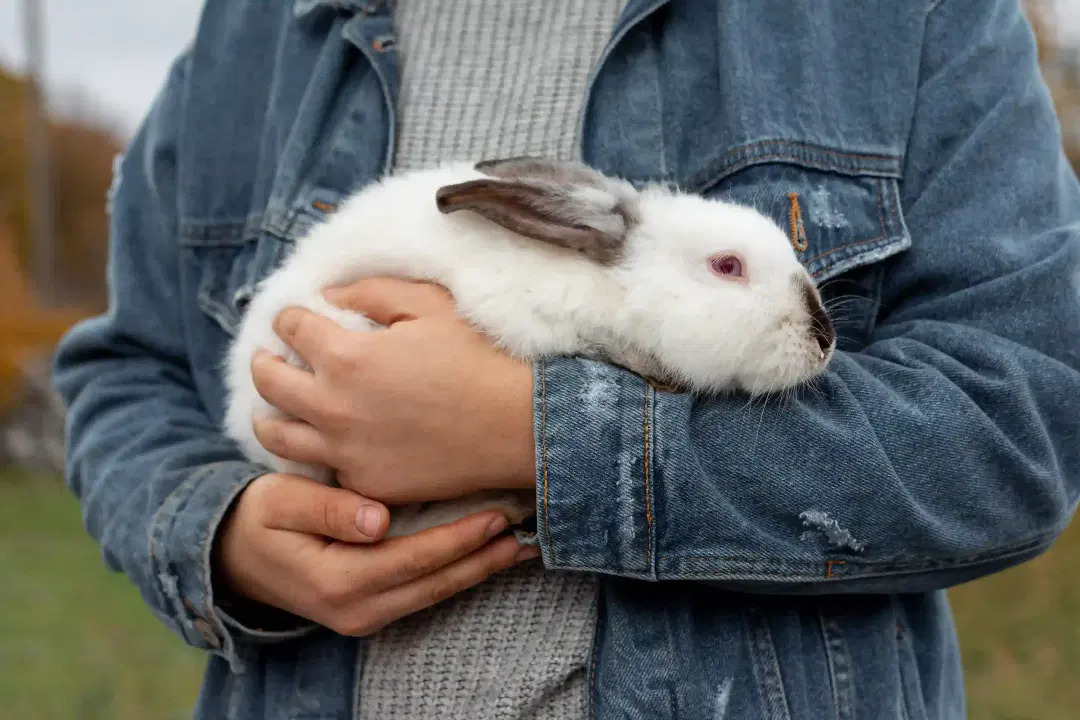
Prevention is where rabbit care truly saves lives.
Daily Essentials
Unlimited grass hay (80–90% of diet)
Fresh water always available
Regular observation of appetite and droppings
Diet & Environment
Introduce greens gradually
Always avoid sudden pellet or brand changes and to get tailored diet advice consider taking an rabbit diet consultation on the Conbun app and get connected to rabbit doctors online instantly.
Keep the living area cool and well-ventilated
Always avoid dusty bedding
Health monitoring
Regular dental checks
Monitor weight monthly
Take immediate action if you observe appetite changes
A 2020 study revealed that rabbits on high-fibre diets with early dental care have significantly lower rates of GI stasis and other emergency admissions.
Rabbit not eating is a serious rabbit health concern and should be taken seriously. To ensure that your rabbit has access to the best food and nutrition he can get, take an rabbit diet consultation to talk to rabbit doctors online and get personalized nutritional plans and diet charts for your pet rabbit.
Related Readings: How do online vet consultations work: A pet owner’s guide?
Final Takeaway
If your pet rabbit has stopped eating and seems inactive, time can be your biggest enemy. Rabbits are fragile animals, and delaying even a few hours can turn a manageable condition into a life-threatening emergency.
If you are worried and unsure or unable to reach a clinic immediately, an best online vet consultation india through Conbun Android and iOS can help you assess the urgency of the situation, take the first steps and decide what you should do next.
Acting early is not overreacting. It is responsible pet parenting.
FAQ (People Also Ask):
Q1.) Why is my rabbit alive but not moving?
Ans. Stillness does not mean they are calm. Fear, heat stress, pain or digestive slowdown may be the causes.
Q2.) Can stress alone cause a rabbit to stop eating?
Ans. Yes. Even mild stress can lead to anorexia in rabbits within hours.
Q3.) Should I syringe-feed my rabbit?
Ans. Yes, but only under veterinary advice. Improper feeding can worsen pain or aspiration risk.
Q4.) Is this common in baby rabbits?
Ans. Yes. Anorexia is common in young rabbits due to energy loss and rapid dehydration.
Table of Content
- Is It Serious If a Rabbit Not Eating But Acting Normal?
- Common Signs That Something Is Wrong
- Most Common Reasons a Rabbit Not Eating and Becomes Inactive
- How Long Can a Rabbit Go Without Eating?
- What To Do Immediately (Step-by-Step)
- When to See a Vet Immediately?
- How to Prevent This Problem in the Future?
- Final Takeaway
- FAQ (People Also Ask)

Anand Sen
Get Conbun in your Google results
Add Conbun as a preferred source and Google will show our vet-written guides more often in your Search results and AI answers.