Written by: Anand Sen; Reviewed by: Dr. Devyani Mate (B.V.Sc & A.H, M.V.Sc)
Just like you, rabbits are also experts at hiding pain. By the time you see symptoms appearing in your tiny four-legged friend, common rabbit disease would already have reached the critical stage. Veterinarians see preventable rabbit deaths simply because common warning signs are missed or misunderstood.
This guide aims to change that by helping you recognise danger early and act fast. If you share your home with a rabbit, this knowledge is not optional but life-saving.
Why Common Rabbit Diseases Are Often Missed (And Why That’s Dangerous)
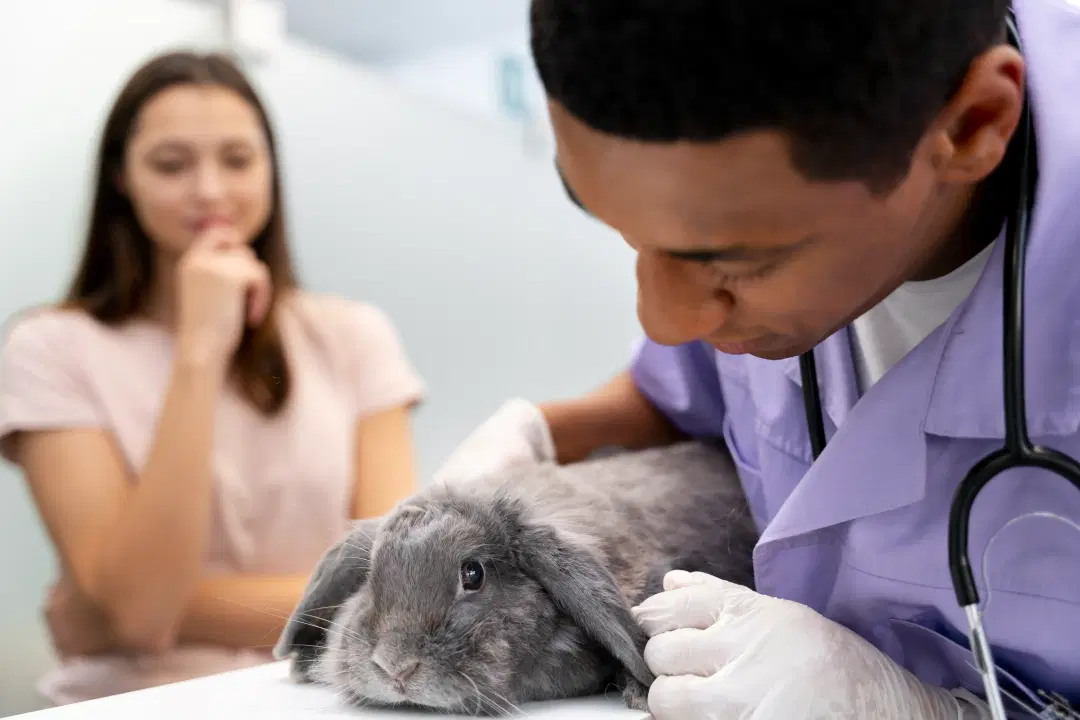
Why do rabbits suddenly get very sick?
As rabbits are prey animals, their instincts make them hide their weaknesses to survive in the wild. This biological trait works against them in our homes.
What looks “minor” in rabbits, like slightly reduced appetite, fewer droppings, mild lethargy, signals severe internal disease.
Veterinary studies argue that physical disorders in rabbits are misdiagnosed or missed completely due to the lack of familiarity of veterinarians and pet owners with the normal behaviour and physiology of rabbits.
This lack of knowledge, especially on the part of pet owners lead to delayed treatment and hence increased mortality rates.
Key danger point:
In rabbits, due to their unique and sensitive physiology, hours matter. Waiting for “one more day” can define the difference between recovery and fatal collapse.
Digestive Disorders – The Most Common Diseases Affecting Rabbits
Why is my rabbit not eating or pooping?
A rabbit not eating or pooping is a life-threatening emergency, often indicating GI stasis (digestive slowdown) where gut muscles stop moving food.
It is one of the most common and dangerous digestive disorders in rabbits.
Gastrointestinal Stasis (GI Stasis)
GI stasis is one of the most critical conditions in rabbits, where food passage is slowed down due to a change in bacterial volume in the GI tract that digests food.
It may be due to true outflow obstruction from hairballs or even due to a secondary neurological disorder caused by Encephalitozoon cuniculi.
What happens:
The gut slows or stops completely, leading to gas buildup, dehydration, pain, and toxin absorption.
Early signs you must act on:
Refusing food or treats
Very small or no droppings
Rapid teeth grinding
Hunched posture,
Lethargy and cold ears
Why it’s deadly:
Studies published in contemporary veterinary medicine show that untreated GI stasis can become fatal, with death occurring in almost 100% of cases within 24 hours.
Therefore, always treat GI Stasis as a medical emergency.
Enteritis & Diarrhea
Enteritis is an infection of the intestinal tract, more common in young rabbits, especially after abrupt dietary changes, with diarrhoea being the most common symptom.
It may be a result of factors like dysbiosis (imbalance in gut microbiome due to diet changes like low fibre and high carbs) or bacterial or viral infections.
Causes include:
Low-fibre, high-carb diets
Excess sugary foods or pellets
Bacterial overgrowth
Risks:
Rapid dehydration
Starvation due to anorexia
Electrolyte imbalance
Shock within hours
You should never treat rabbit diarrhoea by yourself. An immediate rabbit health consultation online or clinic visit is essential.
Respiratory Infections – The Silent Killers
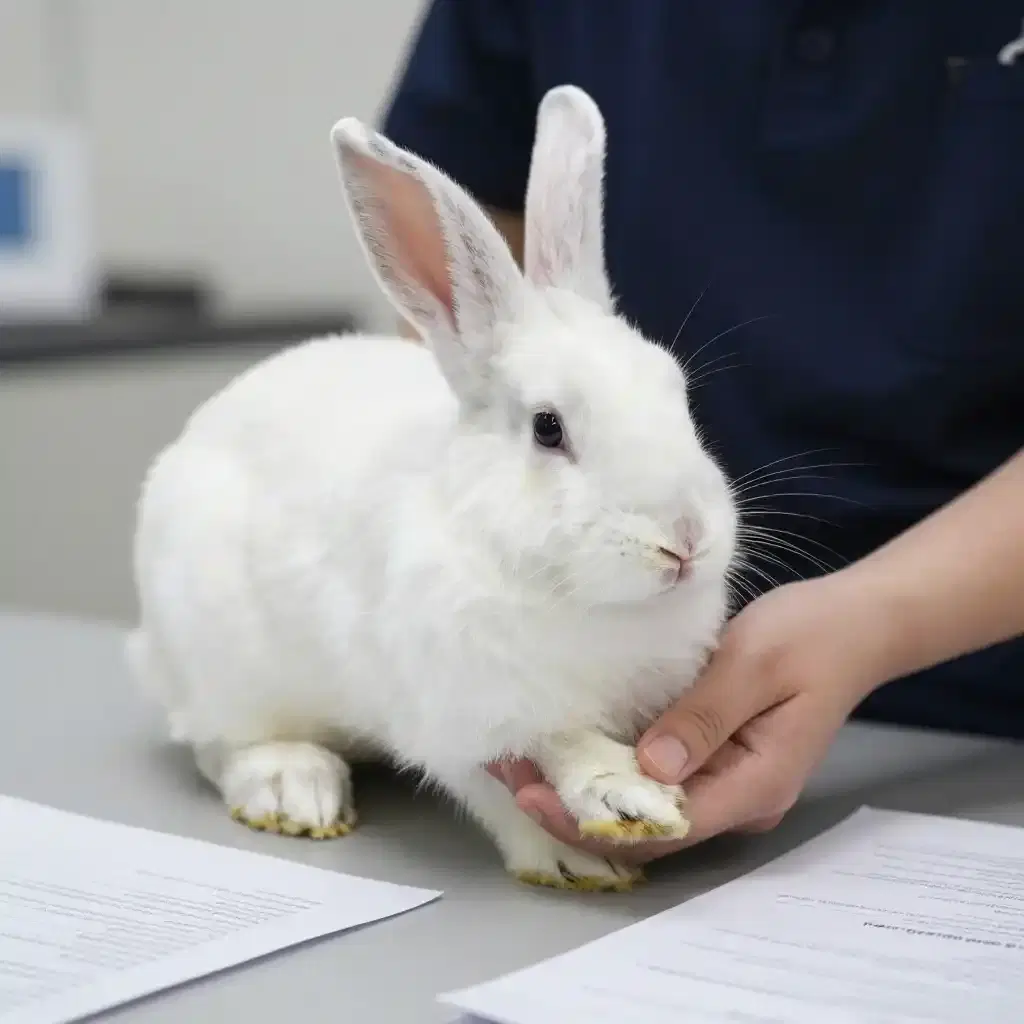
Is sneezing normal in rabbits?
Occasional sneezing is normal in rabbits, but if it is persistent respiratory it should not be regarded as “just a cold.”
Snuffles (Pasteurellosis)
One of the most overlooked common rabbit diseases is caused by the bacterium Pasteurella multocida. It is common and is commonly caused due to poor or stressful conditions, airborne droplets or direct contact.
Symptoms:
White or yellow nasal discharge
Persistent sneezing
Wet, crusty front paws
Reduced appetite
Why is it dangerous?
Snuffles often become a chronic condition and can spread to the lungs, ears, or even the bloodstream.
Treatment of snuffles requires long-term, vet-managed antibiotics, not guesswork.
Pneumonia in Rabbits
Pneumonia is often the advanced stage of untreated snuffles in rabbits. It is a severe inflammation in a rabbit’s lungs, leading to dysfunction of the entire respiratory system.
Red flags:
Rapid or laboured breathing
Severe lethargy
Refusal to eat
Excessive salivation
Facial abscesses
Treatment of pneumonia in rabbits requires hospitalisation, oxygen therapy, and intensive care.
Dental Diseases That Affect the Entire Body
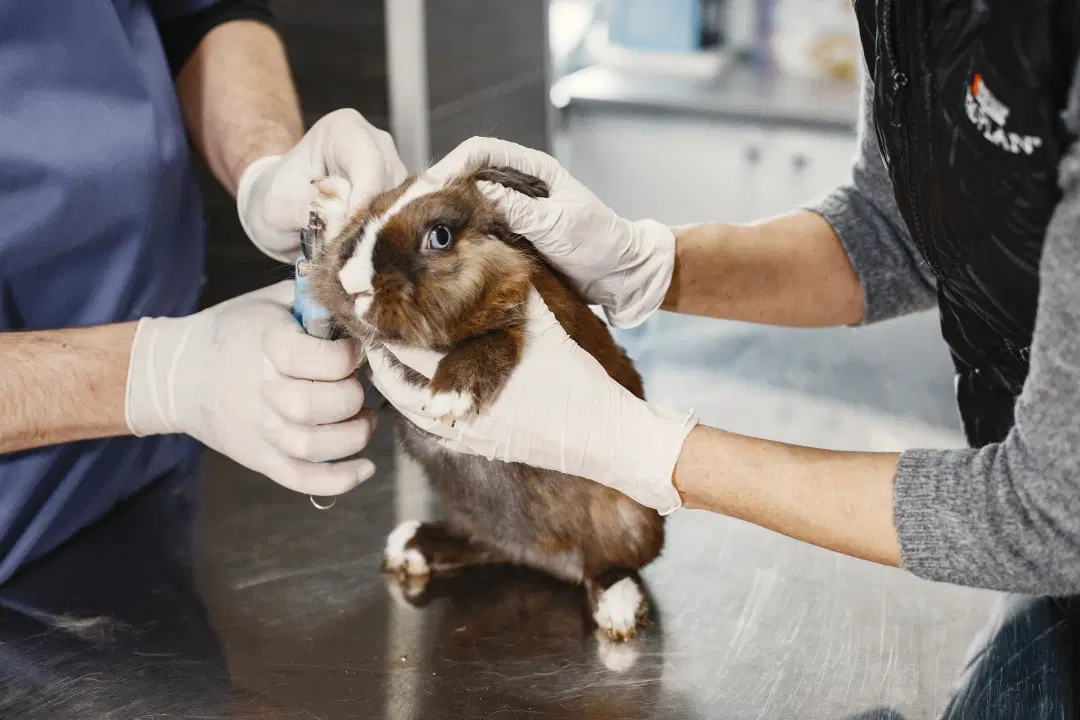
Can rabbit teeth really cause illness?
Yes, and often far beyond the mouth.
Dental pain reduces their food intake, leading to digestive imbalance and GI stasis. Infection from tooth roots can spread and cause ear infection, bulging eyes, and jaw abscesses.
Overgrown Teeth & Malocclusion
Rabbit teeth grow continuously throughout life. Therefore, overgrown teeth are common and lead to sharp points that cause difficulty in eating, drooling, weight loss, etc.
When wear is inadequate:
Sharp spurs cut the tongue and cheeks
Pain prevents eating
Jaw misalignment
Lead to tooth and jaw abscesses
GI stasis often follows
Drooling (“slobbers”)
Dropping food
Weight loss
Tooth Root Abscesses
Why they’re missed:
Symptoms mimic eye or sinus disease
Swelling may be internal and thus invisible to the owners
Treatment usually involves surgery plus long-term antibiotics, often very costly for many owners.
Parasitic & Skin Conditions You Should Never Ignore
Why is my rabbit itching or losing fur?
Ear Mites, skin infections, allergies due to poor diet, and common culprits like fur mites are the causes of rabbits' itching or losing fur.
Ear mites are extremely common and easily treatable if caught early.
Signs:
Head shaking
Thick crusts inside the ears
Loss of balance in advanced cases
Left untreated, ear mites can cause permanent ear damage.
Fur Mites & Fleas
Can cause:
Hair loss
Dandruff-like flakes
Severe itching
Heavy infestations can lead to anaemia and stress-induced illness, especially in young or rescued rabbits.
Rescued rabbits are more vulnerable to illnesses, predators and injuries. A rabbit care expert consultation can offer specialized veterinary advice to address unique medical, nutritional and behavioural needs of these rescued creatures.
Viral & Infectious Diseases That Can Be Fatal
Can rabbits die suddenly from infections?
Yes, and sometimes without warning.
Rabbit Hemorrhagic Disease (RHDV)
It is one of the deadliest viral diseases in rabbits and is caused by calicivirus (genus Lagovirus). Transmission of this disease follows contact with infected rabbits or via indirect contact through vectors like birds, insects and even humans.
Key facts:
Extremely contagious
High mortality rate of up to 90% reported in veterinary studies
Often causes sudden death (within 1-3 days) without prior symptoms
Vaccination is the only reliable protection where available.
Symptoms include:
Loss of coordination
Lethargy
Fever
Lack of appetite
Convulsions
Myxomatosis
Myxomatosis is a highly contagious and fatal disease. It primarily affects domestic rabbits, causing severe swelling around the eyes, limbs and genitals, fever, lethargy and skin tumours. It is caused by a Pox virus called Myxoma virus and is spread by mosquitoes, fleas, and direct contact.
Symptoms:
Facial swelling
Eye discharge and blindness
Severe weakness
Prevention through insect control and vaccination is far more effective than treatment.
What Are the 10 Common Rabbit Diseases and Treatment (Quick-Action Checklist)
Bookmark this section; you may need it urgently.
Disease Immediate Action
GI Stasis | Emergency feeding + vet care |
Snuffles | Antibiotics + isolation |
Dental Malocclusion | Dental trimming/surgery |
Ear Mites | Antiparasitic medication |
Fur Mites | Topical treatments |
Enteritis | Fluid therapy + antibiotics |
Pneumonia | Hospitalization |
RHDV | Vaccination only |
Myxomatosis | Supportive care |
Abscesses | Surgical drainage + antibiotics |
When to See a Vet Immediately (Never “Wait and Watch”)
When is it an emergency for rabbits?
Seek immediate veterinary or online veterinary consultation if:
The rabbit is not eating anything for 6–8 hours
There are no droppings
Observe laboured breathing or nasal discharge
Sudden lethargy, collapse, or imbalance
Rabbits, due to their sensitive physiology, deteriorate faster than dogs or cats. Therefore, delays can be dangerous.
How to Prevent Common Rabbit Diseases Before They Start
Prevention is always easier and cheaper than treatment.
If you are a potential pet parent, adopt a pet from a local pet adoption centre. They provide information about any pre-existing health condition the rabbit may have, allowing you to act accordingly.
Vet-recommended prevention plan:
Unlimited high-fibre hay (diet is everything)
Limited pellets and avoid sugary treats
Regular dental checks
Clean, dry housing
Parasite prevention
Stress reduction (safe handling, enrichment)
Even simple enrichment, like offering interactive pet toys, can help reduce stress-related digestive problems, a factor often overlooked.
Conclusion – Your Rabbit Depends on You Acting Fast
Rabbits don’t limp, cry or whine when they are not well. Silence is their survival instinct. But for domestic cats, this survival instinct brings a great risk.
Almost all common rabbit diseases are preventable with early care. Acting immediately does not show panic, but shows how responsible you are towards your four-legged friend.
Your rabbit’s health depends on you to notice what others miss. If you notice any symptoms related to the common rabbit health problems consider taking an online rabbit health consultation on the Conbun app and get access to the best veterinary doctors for rabbit in India.
Whether you rely on local pet care services or digital pet care tools like pet care apps, timely action can save lives.
Frequently Asked Questions
1. What are the most common rabbit diseases?
Answer. GI stasis, snuffles, dental disease, parasites, and respiratory infections are the most common rabbit diseases.
2. How fast can rabbit illnesses become serious?
Answer. Due to their unique and sensitive physiology, some conditions become critical within 12–24 hours.
3. Can rabbits recover fully?
Answer. Yes, early diagnosis and treatment make a major difference.
4. Is skipping a vet visit ever safe?
Answer. No. Rabbits' health declines faster than that of cats or dogs. Thus, skipping is not a good idea.
5. Are common rabbit diseases preventable?
Answer. Yes. Many are with proper diet, hygiene, and regular veterinary care.