.webp)
Indoor vs Outdoor Living: Which Is Safer for Your Pet Rabbit
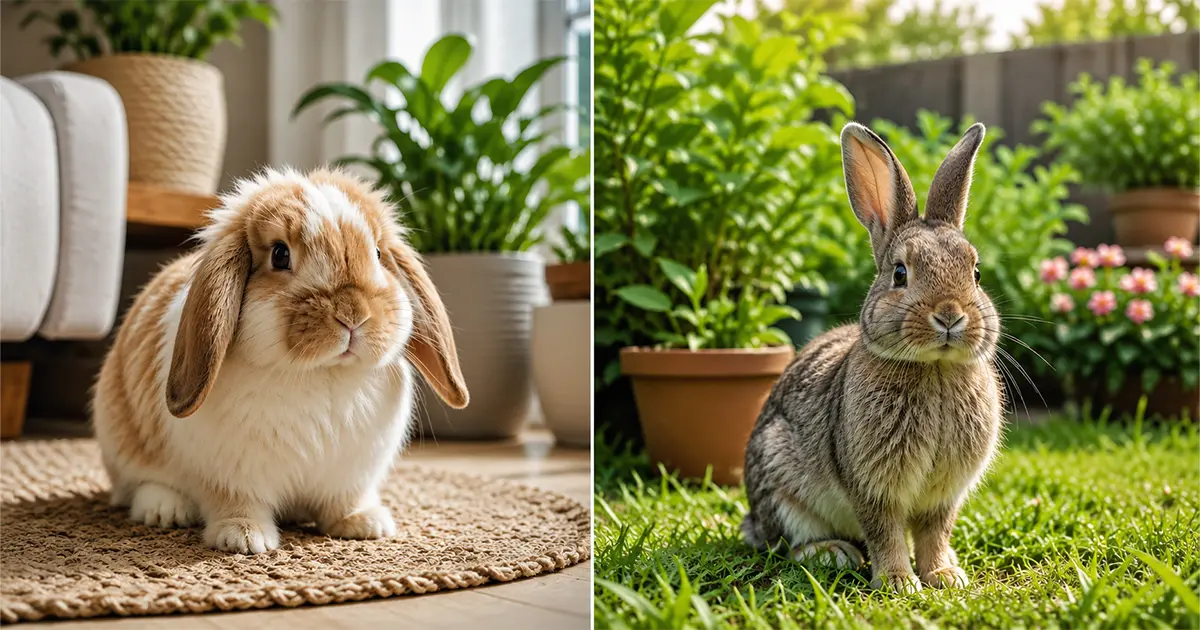
Indoor living is generally a safer option for most pet rabbits. Keeping a rabbit indoors reduces exposure to extreme weather, predators and outdoor hazards. Indoor living also makes it easier to monitor eating, droppings, drinking and behaviour. While rabbits may live outdoors, it would require a carefully designed, predator-proof and weather-protected environment.
Indoor vs Outdoor Rabbits: Which Is Safer?
When comparing indoor vs outdoor living for rabbits, indoor housing is generally safer as it offers greater protection and easier health monitoring.
Indoor rabbits benefit from:
Protection from predators like cats, dogs and birds of prey
More stable temperatures and protection from rain and extreme weather
Easier observation of appetite, droppings and activity
More opportunities for interaction, exercise and enrichment
Easier access to veterinary care
Outdoor rabbits face challenges like exposure to predators, extreme temperatures, parasites, traffic accidents and other environmental hazards. Their housing needs secure shelter, shade and regular supervision.
Predator Risks for Outdoor Rabbits
A safe outdoor enclosure should use strong mesh, secure locks, a covered top and protection against digging. Rabbits also need a sheltered sleeping area. A basic hutch alone is not enough protection.
Predation is one of the biggest risks that rabbits face. Dogs, cats, foxes, birds of prey, and snakes injure or kill rabbits. Even when a predator cannot reach a rabbit, its presence may cause fear and stress. Stress and anxiety are the major triggers of GI Stasis in rabbits.
Weather and Environmental Risks Outdoors
Weather is another important consideration in rabbit care. Rabbits can be vulnerable to heat stress, particularly during hot weather. Outdoor housing should provide shade, airflow and constant access to fresh water.
Cold weather can become dangerous when rabbits are exposed to prolonged dampness, drafts or inadequate shelter. Wet bedding also creates hygiene problems and may contribute to skin irritation and respiratory concerns.
Outdoor rabbits are also vulnerable to parasitic & skin conditions, which are common health problems in rabbits. Provide a healthy diet rich in hay, ensure you are grooming them regularly and keeping their environment clean to prevent skin problems.
Can rabbits live outside in winter or summer?
Some rabbits can live outdoors when their housing is appropriately designed, and conditions are carefully managed. However, extreme heat, severe cold, storms and sudden temperature changes increase risk. During extreme weather, moving rabbits into a suitable indoor environment may be safer.
Does Indoor Living Increase a Rabbit's Lifespan?
Indoor living does not automatically guarantee a longer rabbit lifespan, but it can reduce several preventable risks. Indoor rabbits have less exposure to predation, extreme weather, accidental injury and some parasites and infectious diseases.
Lifespan also depends on nutrition, exercise, genetics, dental health, neutering, hygiene and veterinary care. Good indoor rabbit care supports overall health.
How to Set Up a Safe Indoor Rabbit Home
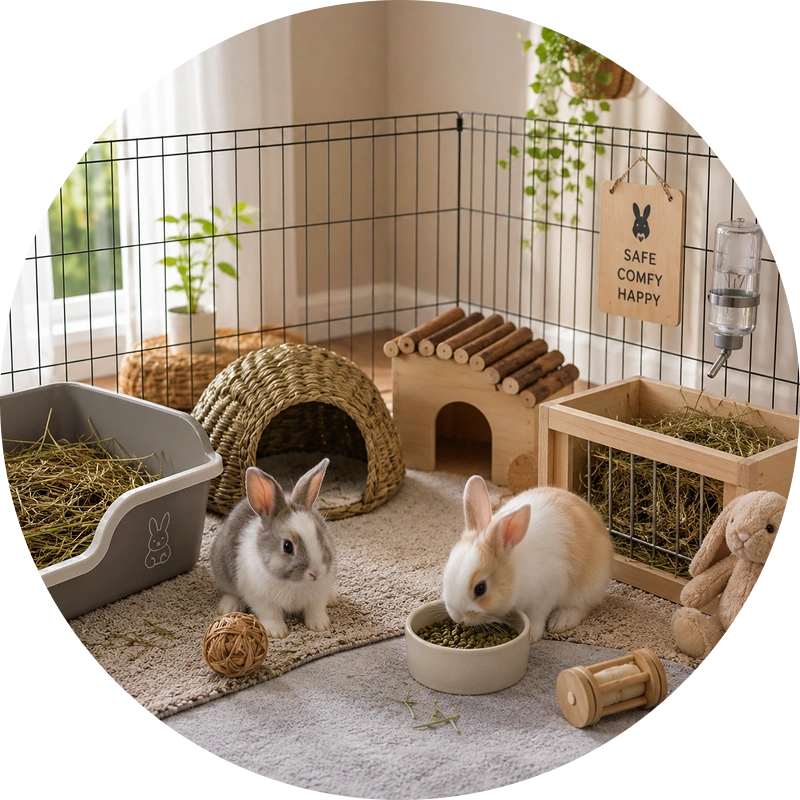
Indoor living should provide more than a small cage. Rabbits need enough space to move, stretch, exercise and explore.
A suitable indoor setup should include:
A spacious exercise area
A comfortable hiding or resting space
Unlimited access to good-quality hay
Fresh, clean water
A rabbit-safe litter area
Non-slip flooring
Safe toys and chew items
Rabbit-proofed cables and furniture
Remove toxic plants, secure electrical wires and block narrow gaps where a rabbit could become trapped. Lack of physical and mental stimulation can lead to aggression and behavioural problems. This makes exercise and enrichment essential parts of rabbit care.
How to Create a Safe Outdoor Rabbit Setup
If outdoor rabbit housing is necessary, the enclosure should be secure, spacious and weather-resistant. It should have predator-proof mesh, protection against digging, a dry sheltered area, adequate ventilation, shade and clean bedding. Food and fresh water should always be available.
Inspect the enclosure regularly and monitor appetite, droppings, activity and behaviour.
How to Transition an Outdoor Rabbit to Indoor Living
Moving an outdoor rabbit indoors can provide greater protection, but the new environment should be prepared first.
Step 1: Prepare the indoor area
Set up food, hay, water, litter and hiding spaces before bringing the rabbit inside.
Step 2: Rabbit-proof the room
Cover electrical cables, block dangerous gaps and remove toxic plants or unsafe objects.
Step 3: Introduce the space gradually
Start with a secure area and allow the rabbit to become comfortable before expanding access.
Step 4: Keep familiar routines
Maintain consistent feeding, litter and exercise routines to reduce unnecessary stress.
Step 5: Monitor health and behaviour
Watch appetite, droppings, activity and behaviour during the transition. Discuss significant health changes with a veterinarian.
Frequently Asked Questions
Q1. Is it better to keep rabbits indoors or outdoors?
Ans. For most pet rabbits, indoor living is safer. It reduces exposure to predators, extreme weather and environmental hazards while making health monitoring easier.
Q2. Do indoor rabbits live longer than outdoor rabbits?
Ans. Indoor rabbits may have fewer risks from predation, severe weather, parasites and accidental injuries. However, rabbit lifespan depends on genetics, diet, exercise, healthcare and overall husbandry.
Q3. Do rabbits smell if kept indoors?
Ans. Healthy rabbits are not usually strongly odorous. Good litter habits, regular cleaning, fresh hay, ventilation and proper rabbit care can keep indoor housing clean. A sudden unpleasant smell may indicate a hygiene or health problem.
Q4. Can humans get infections from rabbits?
Ans. Some infections can pass from rabbits to humans, although this is uncommon with healthy, well-cared-for pets. Good hand hygiene, regular cleaning and veterinary care help reduce the risk. Seek veterinary advice if a rabbit shows signs of illness.
Conclusion
For most companion rabbits, indoor living is the safer choice. It provides better protection from predators, extreme weather and environmental hazards. It also allows owners to monitor health more closely. With enough space, enrichment, exercise and proper care, an indoor rabbit can thrive.
If you ever have difficulties managing the living conditions of your pet rabbit, consult a veterinarian on Conbun to get safe and effective tips on rabbit care, husbandry, nutrition and much more.
Table of Content
- Indoor vs Outdoor Rabbits: Which Is Safer?
- Does Indoor Living Increase a Rabbit's Lifespan?
- How to Set Up a Safe Indoor Rabbit Home
- How to Create a Safe Outdoor Rabbit Setup
- How to Transition an Outdoor Rabbit to Indoor Living
- Frequently Asked Questions
- Conclusion

Anand Sen
Categories