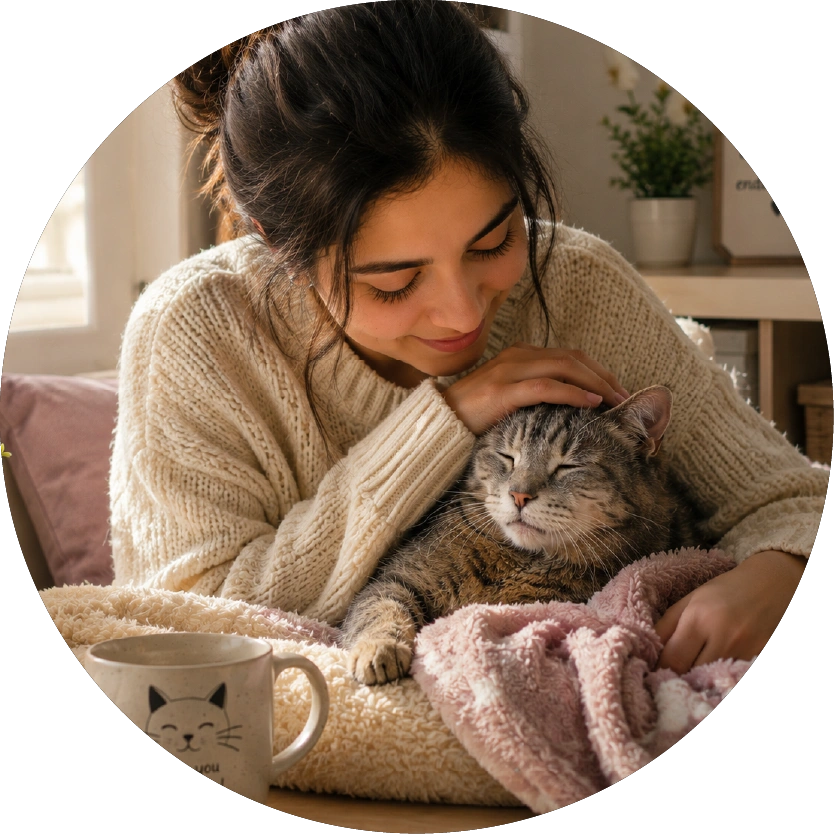
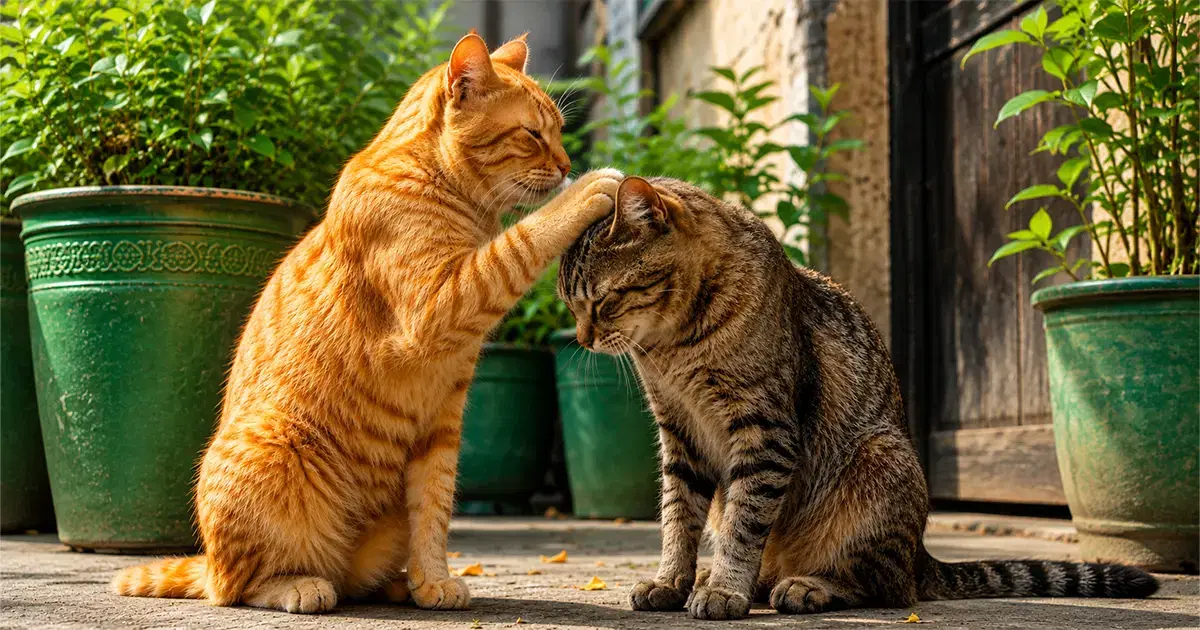
Indoor vs Outdoor Cats: Which Is Right for Your Home?
Written by: Anand Sen; Reviewed by: Dr Devyani Mate B.V.Sc & A.H, M.V.Sc
There’s no definitive answer to whether cats should live indoors or outdoors. However, veterinary organisations generally recommend keeping companion cats indoors or providing supervised outdoor access whenever possible.
Indoor cats generally live longer compared to outdoor cats because they face fewer risks from traffic, predators, infectious diseases, poisoning and injuries. That said, indoor living requires daily enrichment to keep cats physically active and mentally stimulated.
This guide compares indoor vs outdoor cats, including safety concerns, lifespan differences, disease risks, enrichment requirements and safe outdoor alternatives like catios and leash training. Understanding these factors can help you choose the lifestyle that best suits your cat's health, temperament and your home environment.
Indoor vs Outdoor Cats: A Quick Comparison
Choosing between an indoor or outdoor cat requires owners to balance safety, welfare and a cat’s behavioural needs. While both these lifestyles have their own advantage, they also present unique challenges.
Indoor Cats | Outdoor Cats |
Lower injury risk | Higher accident risk |
Lower infectious disease exposure | Greater exposure to diseases |
Longer average lifespan | Shorter average lifespan |
Require environmental enrichment | Natural stimulation available |
Better supervision | Greater independence but less monitoring |
Indoor cats benefit from greater protection against accidents, predators, and infectious diseases. Owners can also monitor eating habits, litter box use, and behaviour more easily, allowing health problems to be detected earlier.
As stated earlier, indoor cats often benefit from greater protection against predators, accidents and infectious diseases. Outdoor cats enjoy opportunities to climb, hunt and explore naturally. However, with increased freedom, they are also exposed to hazards that owners cannot always control. The best choice depends on a cat’s personality, health and local environment and the ability to provide safe enrichment.
Why Indoor Cats Usually Live Longer
Indoor cats usually live for 10-15 years, while outdoor cats often live for only 2-5 years. Research consistently shows that cat lifespan indoors vs outdoors differs significantly because indoor cats encounter fewer life-threatening hazards.
Reduced Risk of Traffic Accidents
One of the most common causes of fatal injuries in free-roaming cats is road traffic accidents. Indoor cats are protected from moving vehicles, reducing the likelihood of severe trauma.
Lower Exposure to Infectious Diseases
Cats that are allowed to roam outdoors have a greater chance of encountering infectious diseases through contact with other cats.
Examples include:
Feline leukaemia virus (FeLV)
Feline immunodeficiency virus (FIV)
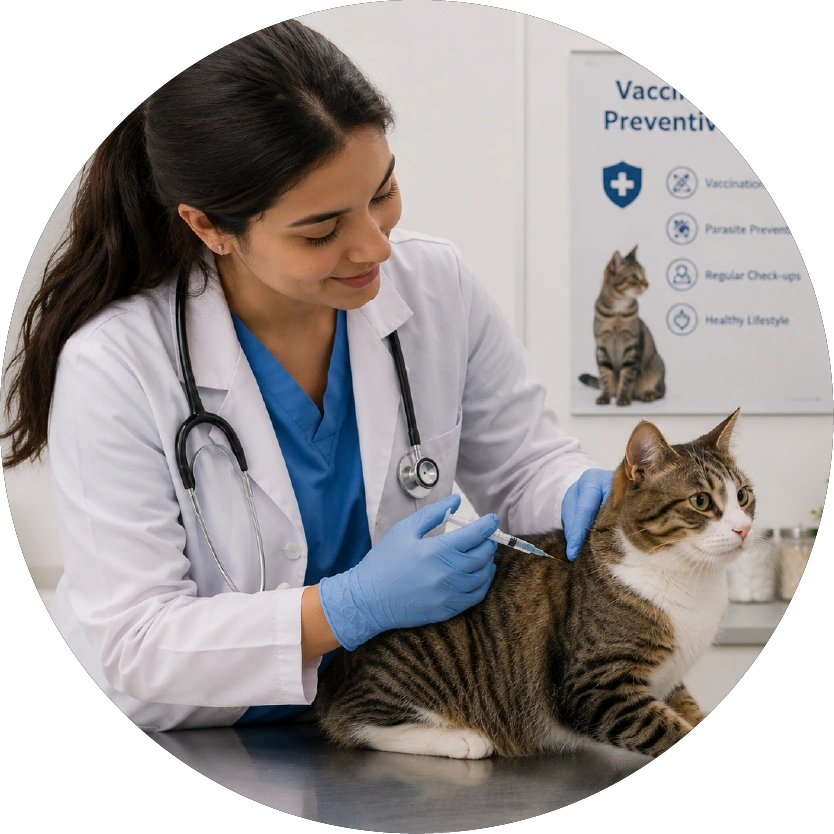
Routine cat vaccination and preventive healthcare reduce risk but cannot eliminate exposure.
Fewer Injuries
Outdoor cats are more likely to experience:
Animal fights
Bite wounds
Falls
Poisoning
Injuries from traps or sharp objects
Many bite wounds appear minor initially but can develop into painful abscesses requiring veterinary treatment.
Easier Health Monitoring
Owners of indoor cats often notice changes in appetite, grooming, litter box habits, drinking behaviour or activity levels much sooner because the cat spends more time under direct observation.
Veterinary Insight: Early recognition of illness allows earlier diagnosis and treatment, improving outcomes for many feline diseases.
What Are the Risks of Letting Cats Roam Outdoors?
Outdoor exploration offers mental stimulation but also exposes a cat to hazards that are difficult to predict or prevent. The degree of risk depends on where you live. No outdoor environment is completely free of danger.
Risk | Possible Consequence |
Traffic | Serious injury or death |
Parasites | Fleas, ticks, worms |
Cat fights | Bite wounds, abscesses |
Toxic substances | Poisoning |
Wildlife | Injury or disease |
Extreme weather | Heat stress or hypothermia |
Additional risks include:
Dog attacks
Getting lost
Theft
Exposure to pesticides and rodenticides
Contact with toxic plants
Severe weather conditions
These hazards can lead to expensive emergency veterinary care and long-term health complications. While some cats adapt well to outdoor environments, owners must carefully evaluate the risks in their neighbourhood before allowing unsupervised access.
Veterinary Insight: The American Association of Feline Practitioners (AAFP) recommends indoor living for most companion cats, provided owners offer adequate environmental enrichment and opportunities to express natural behaviours.
Keeping Indoor Cats Happy and Healthy
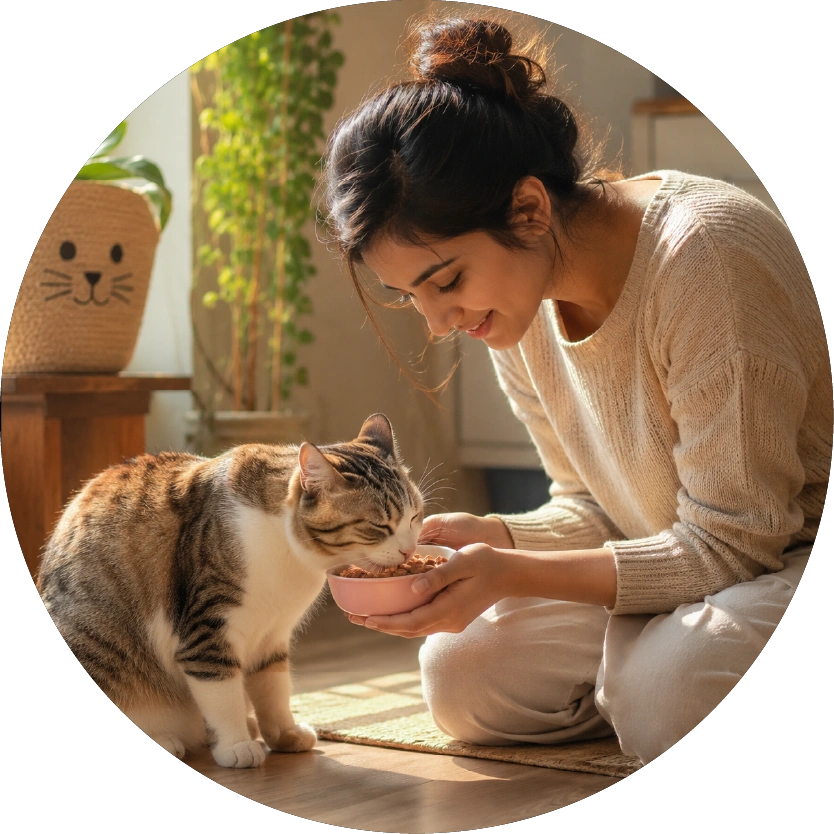
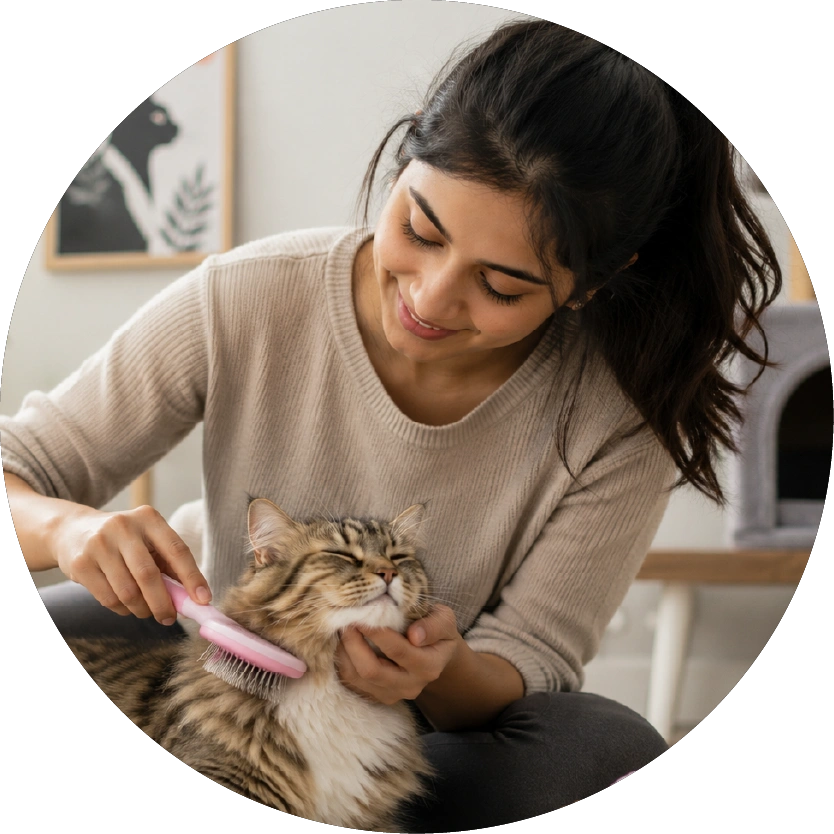
While indoor cats are generally safe, they depend completely on their owners to meet their physical, mental and behavioural demands. Without sufficient indoor cat enrichment, boredom can lead to stress, excessive grooming, obesity, inappropriate urination, scratching furniture or other behavioural problems.
A stimulating environment helps indoor cats to express natural behaviours while supporting both physical and mental wellbeing.
Physical Exercise
Encourage daily activity through:
Interactive wand toys
Climbing trees and cat towers
Balls and toy mice
Laser toys (used responsibly and followed by a tangible reward)
Use of interactive pet toys and short play sessions two or three times a day often provide better exercise than one long session.
Mental Enrichment
Challenge your cat's mind with:
Food-dispensing toys
Rotating toys every few days
Scent-based games
Changing enrichment items regularly helps maintain curiosity and prevents boredom.
Supporting Natural Behaviours
Cats naturally enjoy climbing, scratching, hiding, and observing their surroundings. Provide:
Scratching posts
Window perches
Cat shelves
Covered beds or hiding boxes
Vertical climbing spaces
Veterinary insight: An enriched indoor environment reduces stress-related behaviours and helps indoor cats remain active, confident and mentally engaged throughout their lives.
Safe Ways to Let Your Cat Enjoy the Outdoors
Outdoor access doesn’t mean you should allow your cat to roam freely. Several supervised options let cats enjoy fresh air while reducing the risks associated with unrestricted outdoor living.
Catios
A catio for cats is an enclosed outdoor structure attached to a house or garden.
Benefits include:
Fresh air
Natural sunlight
Safe wildlife observation
Protection from traffic and predators
Catios can be simple window enclosures or large outdoor spaces with climbing areas, shelves and scratching posts.
Harness and Leash Training
Many cats can learn cat leash training through gradual, reward-based methods.
Successful cat training involves:
Introducing the harness indoors first
Using positive reinforcement
Starting with short supervised sessions
Never forcing a fearful cat
Some cats naturally enjoy exploring quiet outdoor areas in a harness, while some may prefer remaining indoors.
Supervised Garden Time
If you have a secure garden, supervised outdoor sessions can provide enrichment while eliminating risk.
Remember to:
Check fencing regularly
Supervise continuously
Remove toxic plants
Prevent access to busy roads
These controlled options allow cats to enjoy many benefits of the outdoors without exposing them to the full range of environmental hazards.
Need Help Deciding What's Best for Your Cat? Conbun Can Help
Every cat has unique health, behavioural, and environmental needs. Through online vet consultation, Conbun's veterinarians can provide personalised guidance on lifestyle assessment, indoor cat care, outdoor safety, behaviour concerns, enrichment strategies, kitten care, senior cat management, and preventive healthcare.
Whether you need a cat health consultation online or simply want to talk to a vet online before making lifestyle changes, professional advice can help you choose the safest and healthiest environment for your cat.
The Best Lifestyle Is the One That Keeps Your Cat Safe
For most companion cats, indoor living combined with supervised outdoor experiences offers the best balance between safety and enrichment. Whatever lifestyle you choose, prioritise regular exercise, mental stimulation, preventive healthcare, and close observation of your cat's behaviour.
Consider your cat's age, temperament, medical history, and local environment, and consult your veterinarian if you're unsure which living arrangement is most appropriate.
Frequently Asked Questions
Q1. Should cats live indoors or outdoors?
Ans. Most veterinarians recommend keeping cats indoors or providing supervised outdoor access. Indoor living eliminates the risk of injuries, traffic accidents and infectious diseases to a great extent while also allowing cat owners to monitor health closely.
Q2. Do indoor cats live longer than outdoor cats?
Ans. Yes. Indoor cats generally live longer than outdoor cats because they face fewer hazards, including road traffic, predators, poisoning, infectious diseases and severe injuries from accidents or fights.
Q3. How can I safely let my cat outside?
Ans. Safe outdoor options include enclosed gardens, catios and gradual harness-and-leash training. These approaches offer fresh air and enrichment while reducing risks associated with free-roaming.
Q4. How do I keep an indoor cat entertained?
Ans. Provide interactive toys, puzzle feeders, climbing structures, scratching posts, window perches, hiding spaces, and regular play sessions. Rotating toys and encouraging natural behaviours help prevent boredom and support good physical and mental health.
Q5. Is leash training safe for cats?
Ans. Yes. With positive reinforcement, patience and a properly fitted harness, many cats can safely learn to walk on a leash. Training should always be gradual and supervised.
Table of Content
- Indoor vs Outdoor Cats: A Quick Comparison
- Why Indoor Cats Usually Live Longer
- What Are the Risks of Letting Cats Roam Outdoors?
- Keeping Indoor Cats Happy and Healthy
- Safe Ways to Let Your Cat Enjoy the Outdoors
- Need Help Deciding What's Best for Your Cat? Conbun Can Help
- The Best Lifestyle Is the One That Keeps Your Cat Safe
- Frequently Asked Questions

Anand Sen
Get Conbun in your Google results
Add Conbun as a preferred source and Google will show our vet-written guides more often in your Search results and AI answers.
Categories