.webp)
How Much Does It Cost to Own a Cat? A Complete Budget Guide

Written by: Anand Sen; Reviewed by: Dr. Saroja Patil MVMS
Owning a cat involves far more than the initial adoption fee. Responsible cat ownership includes recurring monthly costs for food and litter, routine veterinary care, an emergency medical fund and preventive healthcare in addition to one-time setup expenses. The total cost of owning a cat depends on your cat’s age, health, breed, lifestyle and whether it lives primarily indoors or has outdoor access.
In this cat budget guide, I’ll explain the first-year setup costs, monthly expenses, healthcare budgeting, indoor versus outdoor ownership costs and emergency planning to help you make informed financial decisions before bringing home a feline companion.
One-Time Costs Before Bringing Your Cat Home
Bringing home a new cat requires an initial investment in essential supplies and healthcare. These expenses help your cat settle comfortably while supporting its long-term health and wellbeing.
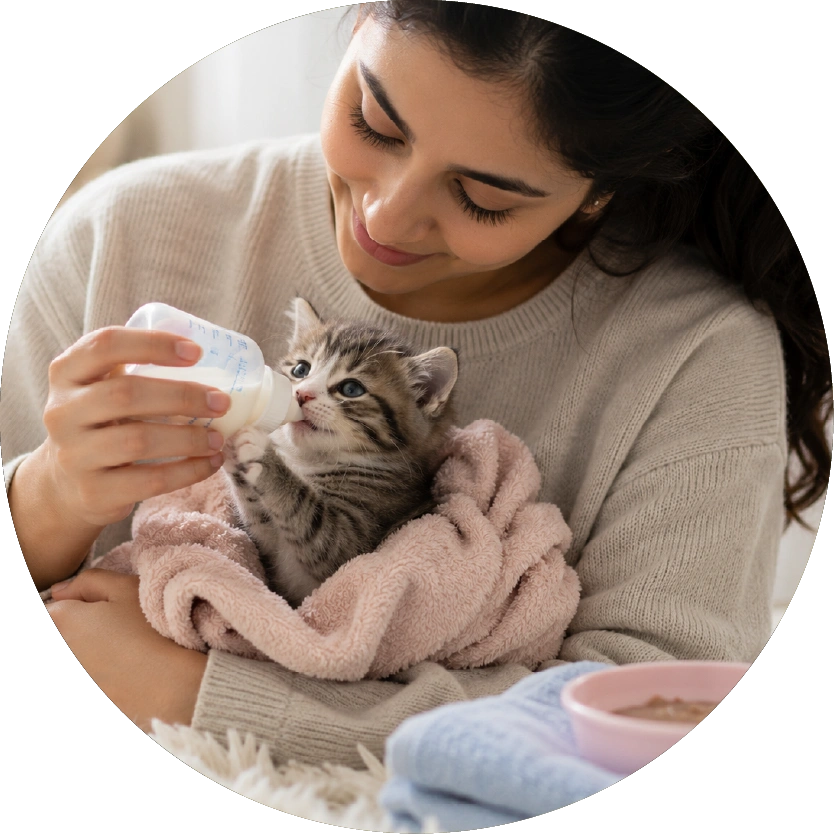
During the first-year, costs of owning a cat are higher because of multiple vaccinations, deworming treatments and, if not already performed, sterilisation.
Expense | Why It's Needed | Cost |
Adoption or purchase | Bringing your cat home | 0-5000 |
Initial veterinary examination | Baseline health assessment | 500-1500 |
Vaccinations | Disease prevention | 1200-3500 |
Litter box | Toilet training and hygiene | 200-800 |
Litter scoop | Daily cleaning | 100 |
Food and water bowls | Daily feeding | 500-800 |
Cat bed | Comfortable resting place | 399-10000 |
Carrier | Safe transport | 500-4000 |
Scratching post | Behavioural enrichment | 300-15000 |
Toys | Mental stimulation | 100-1500 |
Grooming supplies | Coat care | 150-3000 |
In addition to these essentials, owners may also spend on window perches, cat trees, water fountains or microchips, which increase the initial budget. However, it does improve a cat’s welfare and convenience.
When comparing adoption with purchasing from a breeder, remember that adopted cats are often already vaccinated, dewormed, microchipped, or sterilised, potentially reducing your upfront costs.
Monthly Costs of Owning a Cat
The monthly cost of having a cat in India depends entirely on the quality of food, litter type, grooming requirements, healthcare needs, your cat's lifestyle and the amount of time you are willing to invest in preventive healthcare. While cats generally cost less to feed than many dogs, recurring expenses still require careful planning.
The most common cat expenses in India include:
Complete and balanced cat food
Cat litter
Healthy treats
Grooming (breed dependent)
Flea, tick, and worm prevention
Routine household supplies
Monthly Expense | Typical Purpose | Cost |
Food | Daily nutrition | 800-8000+ |
Cat litter | Hygiene | 300-1500 |
Preventive care | Flea, tick, and worm control | 100-300 |
Toys | Mental enrichment | 300-500 |
Miscellaneous | Replacement supplies | 200-1500 |
Food and litter usually account for the largest recurring expenses. Premium diets, prescription foods, and specialised litters cost more but may benefit cats with medical conditions or specific health needs.
Long-haired cat breeds like the Persian cats generally require more grooming equipment and professional grooming services than short-haired breeds, which increases monthly maintenance costs. Similarly, kittens generally consume more food per kilogram of body weight than adults because of their growth needs.
Establishing a realistic monthly budget helps prevent unexpected financial strain while ensuring your cat gets consistent nutrition, hygiene, and preventive care throughout its life.
Healthcare Costs You Should Budget For
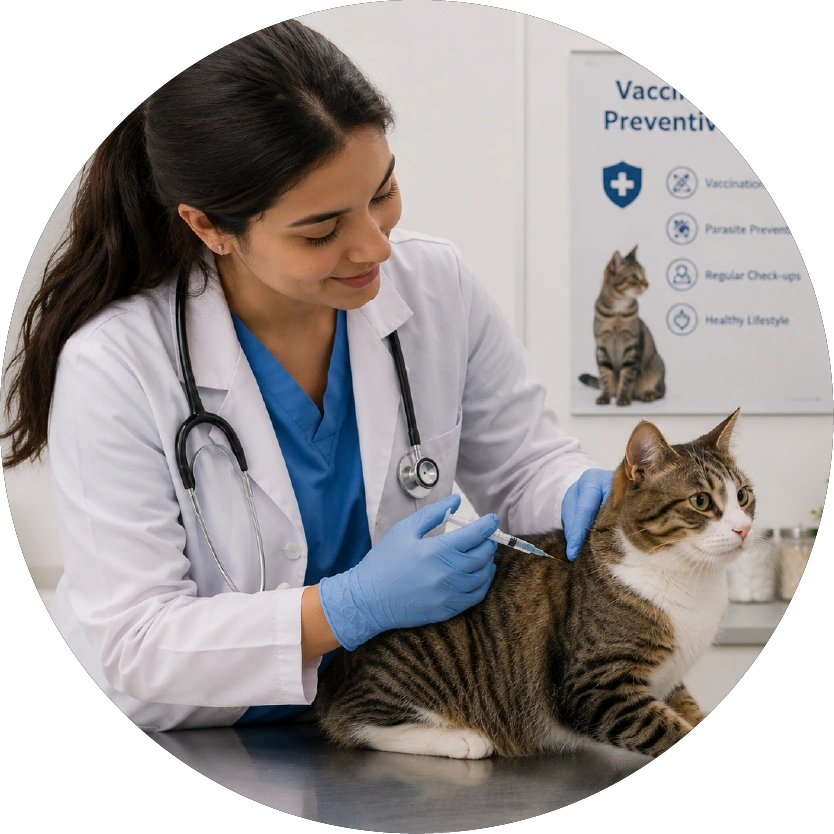
Routine healthcare is one of the most important ongoing cat care costs. Although these expenses may seem significant initially, preventive veterinary care often reduces the likelihood of expensive medical treatments later.
Healthcare expenses commonly include:
Annual wellness examinations
Deworming
Flea and tick prevention
Dental examinations and cleaning
Diagnostic tests when required
Spaying or neutering (if not already completed)
Regular veterinary visits help with early detection of health conditions like cat obesity, dental disease, kidney disease, diabetes, and arthritis before they become more advanced and costly to manage.
Preventive healthcare also helps protect your cat from infectious diseases, improves quality of life, and supports a longer lifespan. Rather than viewing routine veterinary care as an optional expense, it should be considered an essential part of responsible cat parenthood and long-term financial planning.
Veterinary Insight: Preventive healthcare, including vaccinations, parasite control, routine examinations and dental care, is generally more affordable than treating preventable disease later in life.
Indoor vs Outdoor Cats: Which Costs More?
Whether your cat lives indoors or has outdoor access can significantly influence the overall cost of cat ownership. Indoor cats generally require greater investment in litter, toys, scratching posts and environmental enrichment. Outdoor cats may use litter but often face higher healthcare costs due to increased exposure to injuries, parasites, traffic accidents and infectious diseases.
Indoor Cats | Outdoor Cats |
Higher litter expenses | Lower litter use (may vary) |
More toys and enrichment | More parasite prevention |
Lower injury risk | Higher accident risk |
Lower infectious disease exposure | More frequent emergency care risk |
Indoor cats rely on owners to provide climbing structures, scratching posts, puzzle feeders, and interactive play to meet their physical and mental needs.
While these enrichment items add to the monthly budget, indoor living is generally associated with fewer traumatic injuries and a lower risk of certain infectious diseases.
Outdoor cats may appear less expensive initially, but veterinary expenses can increase due to bite wounds, fractures, poisoning, road traffic accidents, and diseases spread through contact with other animals. Regardless of lifestyle, routine veterinary care remains essential.
Why Every Cat Owner Needs an Emergency Vet Fund
Unexpected medical emergencies can occur even in otherwise healthy cats. Building an emergency veterinary fund can help you respond quickly without delaying treatment because of financial concerns.
Examples of emergencies include:
Urinary blockage
Foreign body ingestion
Falls or trauma
Poisoning
Emergency surgery
Hospitalisation
Some conditions, for example urinary obstruction in male cats, require immediate treatment and can become life-threatening within hours if left untreated.
Even if you choose pet insurance, maintaining an emergency savings fund is advisable because some policies involve waiting periods, exclusions, deductibles, or reimbursement after treatment has already been paid for. Planning helps ensure your cat receives prompt medical care whenever an emergency arises.
Need Help Managing Your Cat's Healthcare Costs? Conbun Can Help
As stated earlier, preventive care and early veterinary advice often reduce long-term healthcare expenses. With online vet consultation, Conbun connects you with experienced veterinarians who can guide you about your cat’s nutrition, vaccination, weight management, lifestyle, behavioural concerns, senior cat care and preventive healthcare.
Whether you need an online cat health consultation or just want to talk to a pet doctor online about routine care, early veterinary guidance can help you prevent minor issues from becoming expensive health complications.
Planning Makes Cat Ownership More Affordable
Responsible cat ownership begins with realistic financial planning. Budget for both routine and unexpected expenses, prioritise preventive healthcare and build an emergency veterinary fund before problems develop.
As your cat grows from kitten to senior, review their growth regularly and adjust your budget to meet changing health and nutrition needs. Proper planning supports better financial stability while helping your feline companion enjoy a healthier, longer and happier life.
Frequently Asked Questions
1. How much does it cost to own a cat?
The cost of owning a cat includes one-time expenses like vaccinations, adoption, litter boxes and supplies, along with recurring costs of food, litter, deworming, preventive healthcare and routine veterinary care. You should also save for emergency medical expenses in your budget.
2. What are the monthly costs of owning a cat?
Monthly expenses generally include litter, cat food, replacement toys, parasite prevention, grooming supplies when needed and optional pet insurance. Costs vary depending on your cat’s age, breed, health status and lifestyle.
3. Are indoor cats cheaper than outdoor cats?
Indoor cats often have higher litter and enrichment expenses, while outdoor cats require more veterinary treatment because of parasites, injuries and infectious diseases. Overall, indoor cats are generally associated with lower emergency healthcare costs over their lifetime.
4. Is owning a cat expensive?
Cat ownership is generally more affordable than caring for many larger pets, but it still requires ongoing financial commitment. Responsible owners should budget for food, litter, preventive healthcare, routine veterinary visits, and unexpected medical emergencies.
5. How much should I budget before getting a cat?
Before bringing a cat home, budget for adoption or purchase costs, essential supplies, vaccinations, a litter box, food, carrier, and an emergency veterinary fund. Planning these expenses help you provide lifelong, responsible care.
Table of Content
- One-Time Costs Before Bringing Your Cat Home
- Monthly Costs of Owning a Cat
- Indoor vs Outdoor Cats: Which Costs More?
- Why Every Cat Owner Needs an Emergency Vet Fund
- Need Help Managing Your Cat's Healthcare Costs? Conbun Can Help
- Frequently Asked Questions

Anand Sen
Categories