Written by: Anand Sen; Reviewed by: Dr. Pratyush Singh (B.V.Sc & A.H)
Why New Year Fireworks Cause Pet Stress (And Why You’re Not Overreacting)
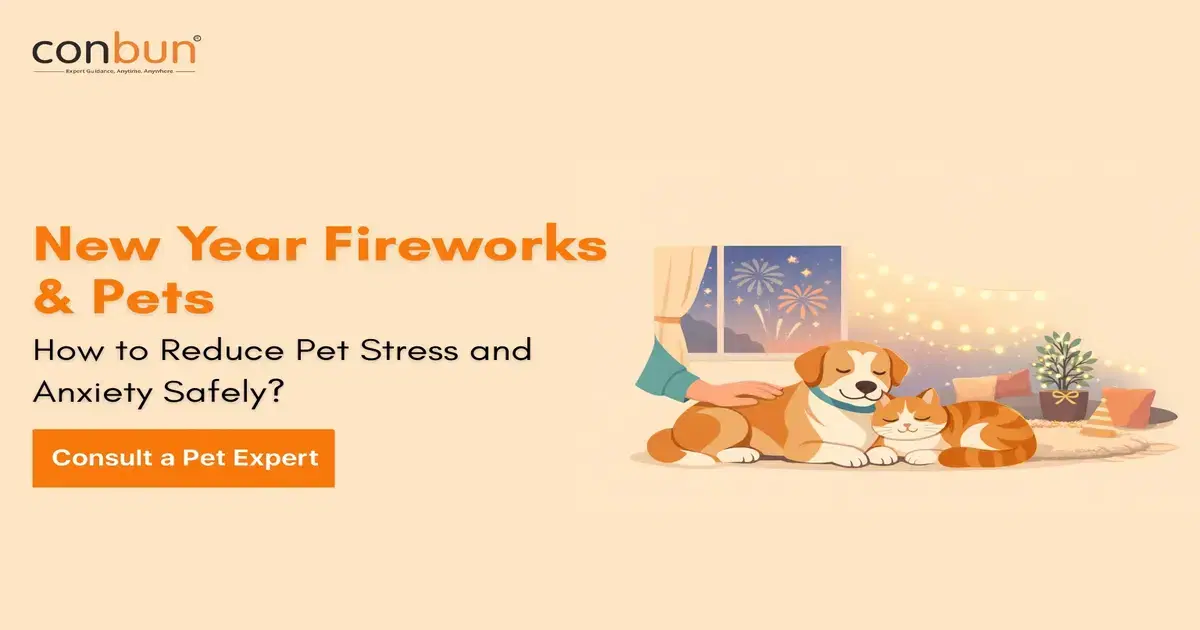
Humans associate fireworks with celebration, but for pets, they often trigger panic, intense fear and confusion. New Year’s Eve is one of the most stressful nights for animals, with many experiencing signs of stress and anxiety-driven injuries.
Some pets even hide and go missing trying to escape. Loud noises, flashing lights, explosions, vibrations through walls and disrupted routines overwhelm pets whose sensory systems are far more sensitive than humans’.
If your cat hides under the bed or your dog trembles, don’t label them as “over-dramatic. It is their biological reaction.
The Good news is that there are simple steps you can take to minimise firework stress and anxiety in your pets and ensure their safety during celebrations.
This guide will tell you how you can prepare your home before fireworks begin, what steps you can take to soothe a stressed pet and what special steps you can take to ensure the safety of your puppies and senior pets.
Why Are Pets Terrified by New Year’s Eve Fireworks?
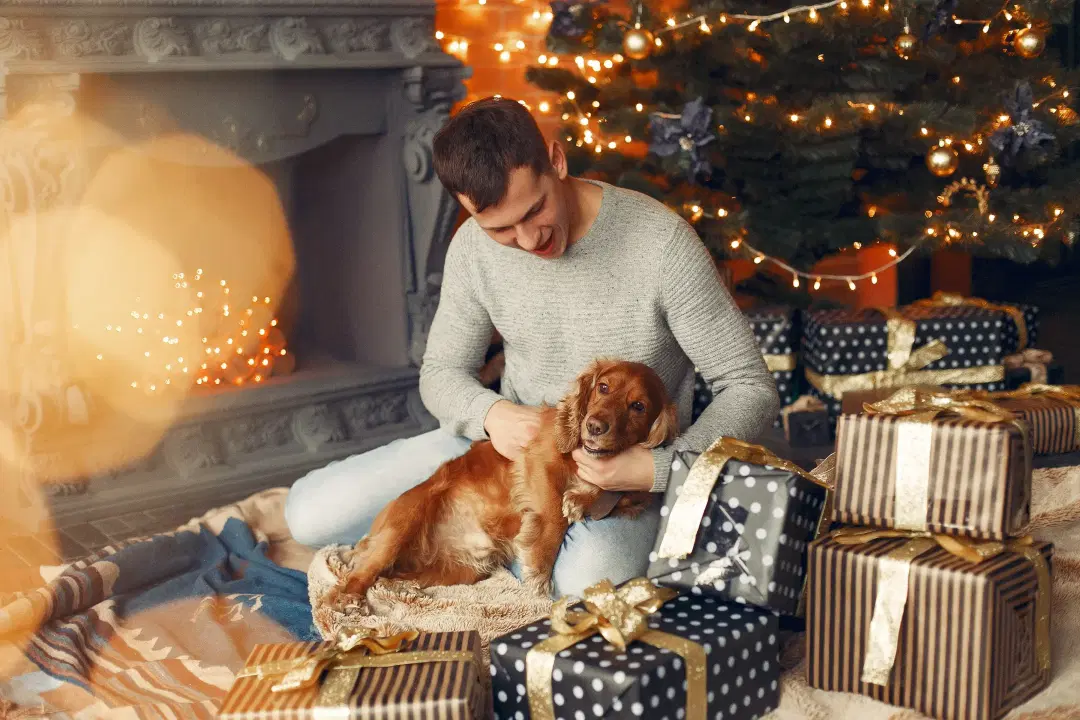
Firework fear is one of the most well-documented noise-related anxieties in veterinary behavioural medicine.
According to a recent study, fear of fireworks is one of the most common behavioural problems in dogs. Dogs exhibit static fearful behaviours like freezing, trembling and hiding, with some exhibiting more active behaviours like running, barking, aggression and even self-mutilation.
An article published in Applied Animal Behaviour Science, noise fear, which is a non-social fear, has been observed to make dogs more susceptible to diseases as well as decrease their life expectancy.
The Science Behind Noise Fear in Pets
Many animals, including humans, hear higher frequencies and farther than humans. For example, a dog can hear frequencies up to four times higher than humans. What sounds “loud” to us can be physically painful to them.
According to the RSPCA, UK, more than 45% of dogs exhibit fear responses to fireworks.
Cats, while quieter in their experiences and reactions, go through the same level of distress. Their anxiety is an outcome of strong vibrations, random bursts and flashing lights that they cannot escape from.
Small animals like guinea pigs, hamsters and rabbits are prey animals. From an evolutionary standpoint, sudden explosive sounds signal immediate predator danger. Hiding, freezing, or frantic escape attempts are instinctive survival responses.
How Fireworks Trigger Pet Stress Responses?
Fireworks activate in your pet’s brain their threat centre (the amygdala), triggering the classic fight or flight response, which leads to:
Rapid heart rate and cortisol release
Trembling, panting and pacing
Vocalising, hiding, and destructive behaviour
Sudden shutdown or aggression
It has to be noted that, like all other behaviours, pets are to be trained and taught behaviours in respect to fireworks also.
Fear can worsen over time. A pet that handled it well past year may react more intensely this year as fear memories can strengthen if unmanaged.
Signs Your Pet Is Stressed During New Year Celebrations
Pet stress is not always the same across species. Recognising subtle signs is important.
Stress Signals in Dogs (New Year for Dogs)
Common New Year’s Eve dog symptoms include:
Trembling or shaking
Excessive barking or whining
Panting unrelated to heat
Trying to escape doors or windows
Puppies exhibit stress signs differently. New year puppy reactions include clinginess, sudden fear, even in familiar spaces and indoor accidents.
Puppies lack coping memory, which makes them more vulnerable to long-term fear conditioning.
Stress Signals in Cats (Cats & New Year Anxiety)
Cats do not have a habit of vocalising their panic. Therefore, instead of vocal signs, look for:
Hiding for prolonged periods
Refusing food or water; Indicator of high stress
Sudden aggression
Complete withdrawal
New Year stress in cats is often missed because silence is mistaken for calm. The lack of vocalisation makes it hard for cat owners to detect panic or fear.
Stress in Small Pets
An anxious hamster or rabbit may:
Freeze completely
Thump repeatedly
Bite cage bars
Stop eating
Do not mistake their stillness for peace. It is the most immediate signal of extreme fear.
How to Prepare Your Home Before Fireworks Begin?

Right preparation is the single most effective way you can reduce firework stress in pets.
Create a safe and quiet zone to make them comfortable
Choose one secure room well before midnight. A windowless room can be more helpful.
Keep the lighting soft and steady
Add familiar bedding, toys, and your clothing
Use calming nutraceuticals and pheromones.
For cats, you can use catnip to provide a calming effect
Routine in a pet's life implies safety. Familiar smells and environments can help in reducing anxiety during New Year stress.
Sound and Visual Buffering Techniques
You can mask fireworks with controlled sound:
White noise
Television at low volume
Calming music
Research from veterinary literature shows that using noise recordings of fireworks and thunderstorms can be an effective technique for desensitisation and counter-conditioning.
Prep Checklist for Pet Parents
Walk dogs earlier in the evening
Ensure that your pet’s litter boxes, food, and water are ready
Keep ID tags on pets as panic escapes spike on New Year’s Eve
How to Soothe a Stressed Dog or Cat During Fireworks?
What to Do (And What Not to Do)
Your emotional state matters. Pets mirror human stress.
Stay calm and neutral
Do not punish fear-based behaviour as it does more harm than good
Do not force exposure to sounds
Contrary to outdated beliefs, gentle reassurance does not reinforce fear. Studies show calm support helps regulate stress hormones in pets.
If you suspect any other health condition, you can consult certified veterinarians on Conbun, India’s top pet care consultation app, for quick guidance. This can help you rule out any medical conditions.
Proven Calming Techniques
Pressure therapy using snug wraps or blankets
Slow, rhythmic petting along the chest or shoulders
Grounding routines such as chewing toys or lying down
These techniques stimulate the parasympathetic nervous system, helping the body exit panic mode.
Calming Devices for Dogs and Cats
Tools that may help include:
Anxiety wraps or thunder shirts
Pheromone diffusers for dogs and Catnip for cats
Calming collars
Interactive pet toys can keep your pets busy and entertained
These work best when introduced days before New Year’s Eve, not during peak stress.
Special Care Tips for Puppies, Senior Pets, and Small Animals
Puppies and Senior Pets
Puppies are immature neurologically, and thus, even a single traumatic exposure can create lifelong noise phobia.
Senior pets, especially those with conditions like arthritis or cognitive decline, experience amplified stress due to pain and sensory confusion.
Extra padding, warmth, and reassurance are essential.
Small Pets Need Extra Protection
Move cages away from windows
Cover cages partially for darkness (allow airflow)
Avoid handling fireworks, as it increases stress
Digital pet care is redefining how pet parents seek vet advice. You can learn many more special care tips for puppies instantly with digital pet care apps like Conbun.
When Pet Stress Becomes a Medical Concern?
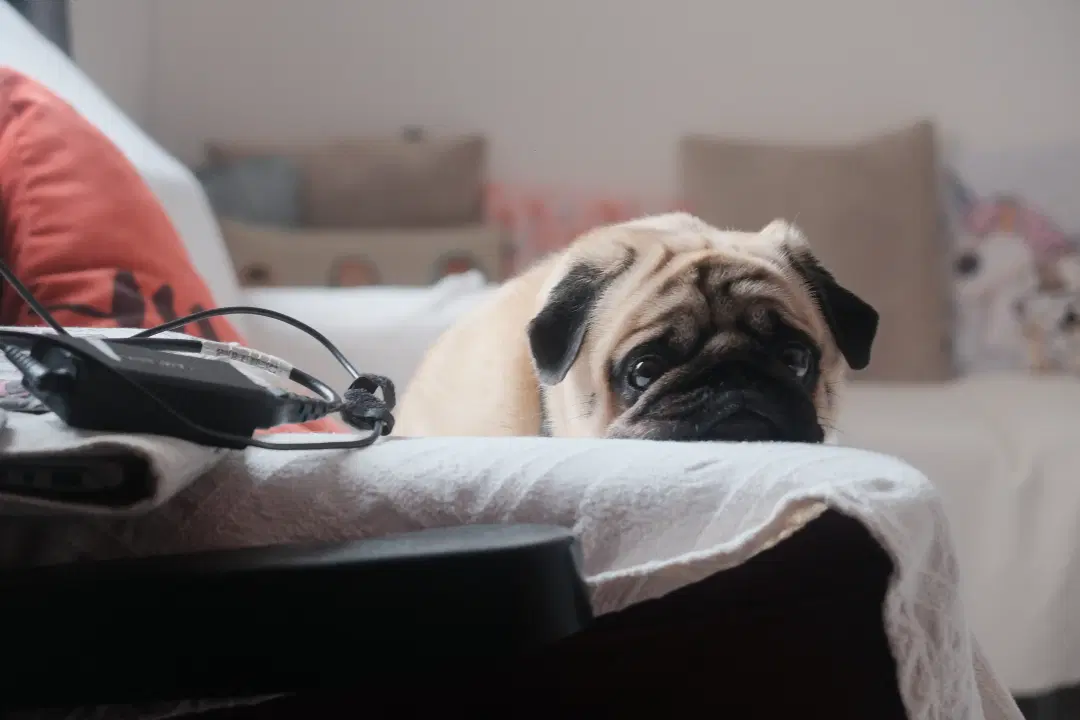
Red Flags You Should Never Ignore
Seek veterinary help immediately if you notice:
Self-injury from panic
Continuous distress lasting hours
Refusal to eat for over 24 hours
Vomiting, diarrhoea, or collapse
Chronic pet stress can lead to gastrointestinal issues, immune suppression, and even cardiac strain.
Professional Help Options
Veterinarians may recommend:
Short-term, vet-approved calming medication
Behaviour modification plans
Effective desensitisation strategies
Long-term desensitisation for future festivals
Planning matters, not just for New Year’s Eve, but for Diwali, weddings, and every other celebration.
Conclusion: A Calm New Year for You and Your Pets Is Possible
New Year’s Eve doesn’t have to come at the cost of your pet’s mental health. Fireworks-related pet stress is real, predictable, and most importantly, manageable if you handle it early and correctly. The difference between a frightened pet and a safe one often comes down to timely guidance.
If your pet displays intense fear, panic, or lingering anxiety before or after fireworks, don’t wait for it to fade out. With online vet consultations through Conbun, you can connect to qualified veterinarians from your home, get immediate advice, and build a personalised stress-management plan for your pet before anxiety and stress escalate into a medical issue.
Because responsible celebrations include caring for those who can’t tell us they’re scared.
Frequently Asked Questions
1. Why do pets hate fireworks more than thunderstorms?
Answer. Fireworks are louder, sharper, closer and unpredictable. They also lack natural signs, making the pet stress more intensely.
2. Should I ignore my dog during fireworks?
Answer. No. Comforting your dog in a calm and reassuring way can help in regulating fear.
3. Are calming devices safe for puppies?
Answer. Most are safe, but the introduction matters more as some may cause harm or distress.
4. Can cats be traumatised by fireworks?
Answer. Yes. Loud and unpredictable noise combined with bright flashes and unfamiliar smells can cause significant stress and fear in pets.
5. How early should I prepare?
Answer. Ideally, 2–3 days in advance, especially for puppies and anxious pets. Desensitisation and training can be started months in advance.