Parrot Fluffed Up? Emergency Signs & What To Do
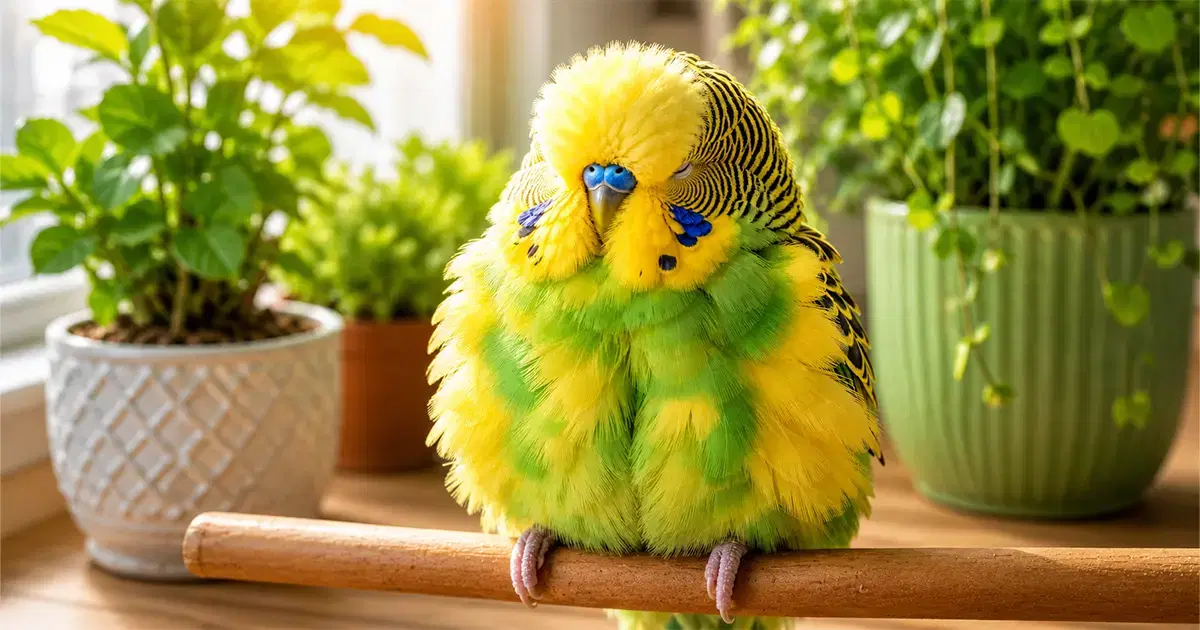
If your parrot is fluffed up and not moving, it may simply be resting or trying to stay warm. However, if the behaviour persists for several hours or is accompanied by other symptoms like poor appetite, breathing difficulties, lethargy or parrot fever symptoms, it must be treated as a medical emergency.
Birds hide illnesses instinctively, which implies that signs become visible only after they are significantly unwell. This guide explains why parrots fluff their feathers, how to distinguish normal from abnormal behaviour and the emergency signs you should watch for.
Is It Normal for a Parrot to Fluff Up?
Yes. Parrot fluffed-up behaviour is not always a cause for concern. Healthy parrots regularly fluff their feathers as part of their normal daily routine.
Common healthy reasons for parrot fluffing up include:
Keeping warm by trapping air beneath their feathers.
Relaxing before or after activity.
Sleeping or taking a daytime nap.
Preening to clean and maintain healthy feathers.
Drying themselves after bathing or misting.
In these situations, feather fluffing in parrots is usually temporary. Once the bird has warmed up, finished preening, or woken from its nap, it should become alert, active, and resume its usual behaviour.
A fluffy parrot perched peacefully after a bath may be perfectly healthy. A fluffy parrot sitting quietly at the bottom of the cage all day is a different situation.
The key difference is duration and behaviour. Normal fluffing lasts only for minutes, not hours. A healthy bird eats normally, remains responsive, vocalises, and maintains good balance on its perch. But if a parrot stays fluffed up for an extended period or becomes unusually quiet, it is a sign of an underlying health concern.
Why Is My Parrot Fluffed Up and Not Moving?
Several conditions can cause a bird to appear fluffed up and become inactive. While some are harmless, others require prompt veterinary care.
They're Sleeping or Resting
Parrots naturally fluff their feathers while sleeping because it helps them conserve body heat and promote relaxation. During sleep, they may tuck one into their feathers or rest with one eye closed.
After waking, a healthy bird should stretch, become alert, and return to normal activity. If your parrot is inactive long after waking, further investigation is needed.
They’re breeding
Parrots fluff their feathers during the breeding season in India, often accompanied by head bobbing, wing drooping/quivering, and tail wagging.
They will rapidly fluff and shake their entire body, flare their tails, and make specific loud vocalisations. This kind of fluffing is usually temporary and tied directly to interacting with a mate, a favourite toy, or you.
They're Feeling Cold
Birds also fluff their feathers when they are feeling cold to create an insulating layer of warm air against their bodies. This is a normal response when temperatures drop.
Companion parrots are usually comfortable in indoor temperatures of approximately 20–25°C. Avoid cold drafts, sudden temperature changes, or placing your parrot’s cage near air conditioners or open windows.
Stress or Fear
Environmental stressors can also temporarily alter a parrot's behaviour, making them fluff their feathers.
Common triggers include:
Moving to a new cage or home
Loud noises or fireworks
Travelling
Introduction of another pet
Major changes in routine
Frequent handling by unfamiliar people
A stressed bird generally remains quiet, reduces its activity and fluffs its features temporary. Once the stressor is eliminated, their behaviour should return to normal.
Illness
According to the MSD Veterinary Manual, fluffed-up feathers are among the most common symptoms of illness in birds. Monitor behavioural signs in your pet because a bird sitting fluffed up should never be ignored.
Possible medical causes include:
Bacterial infections like Psittacosis can cause respiratory distress and a fluffed-up posture.
Viral diseases like Psittacine Beak and Feather Disease (PBFD) and Pacheco’s Disease can affect feather follicles and lead to abnormal feather growth.
Fungal infections commonly Aspergillosis, can lead to emergency signs like laboured breathing, wheezing, alongside feather fluffing in parrots.
Internal or external parasites like air sac mites, worms, and leg mites can also cause feather fluffing and other symptoms.
Nutritional deficiencies, particularly vitamin A deficiency
Metabolic disorders like fatty liver disease, gout (kidney disease), or hypocalcemia (low blood calcium can lead to fluffing.
Unlike many mammals, birds instinctively conceal signs of illness because appearing weak makes them vulnerable in the wild. By the time a parrot develops obvious sick parrot symptoms, the disease may already be well advanced. Persistent fluffing combined with reduced activity should therefore always be taken seriously.
Pain or Injury
Pain is another common reason a parrot may remain fluffed up and inactive. You may notice fluffing due to bird injuries. Injuries to the wings, legs, or feet, internal trauma, or painful medical conditions often cause birds to conserve energy by sitting quietly and moving less than usual. If your bird refuses to perch, favours one leg, or avoids flying after an accident, prompt veterinary evaluation is recommended.
Emergency Signs You Should Never Ignore
Fluffed-up feathers in parrots can be normal; persistent fluffing with lethargy is one of the most common signs of illness in parrots. Birds mask their illness, which makes it hard to detect health concerns until they are critically unwell. Therefore, visible symptoms should never be ignored.
Seek immediate veterinary care if your parrot has any of the following bird emergency signs:
Fluffed feathers for several hours without improvement
Sitting at the bottom of the cage
Eyes closed while awake
Tail bobbing with each breath
Laboured or open-mouth breathing
Refusing food or water
Sudden weight loss
A prominent breastbone
Vomiting or repeated regurgitation
Diarrhoea or abnormal droppings
Blood in the droppings
Weak grip or difficulty perching
Falling from the perch
Seizures or collapse
Recent trauma or injury
What Should You Do If Your Parrot Is Fluffed Up?
If your parrot appears fluffed up and unwell, remain calm and minimise additional stress while arranging veterinary advice.
If your parrot appears fluffed up and unwell, remain calm and try to minimise stress while arranging a veterinary consultation.
Provide a calm, stable and stress-free environment
Keep your bird warm, but avoid overheating.
Move the cage to a quiet, draft-free area.
Offer fresh water and your bird's usual food.
Monitor droppings for changes in colour, consistency, or frequency.
Do not force-feed.
Never give human or over-the-counter medicines.
Minimise unnecessary handling, as sick birds get tired easily.
Contact an avian veterinarian as soon as possible.
Quick Reference Guide
Situation
What You Should Do
Sleeping normally
Observe and allow the bird to wake naturally.
Fluffed up after a bath
Allow the bird to dry in a warm room.
Fluffed up for several hours
Arrange a veterinary examination.
Tail bobbing or breathing difficulty
Seek emergency veterinary care immediately.
Sitting at the bottom of the cage
Treat as an emergency.
Not eating or drinking
Urgent veterinary assessment is recommended.
When to Book an Online Avian Vet Consultation
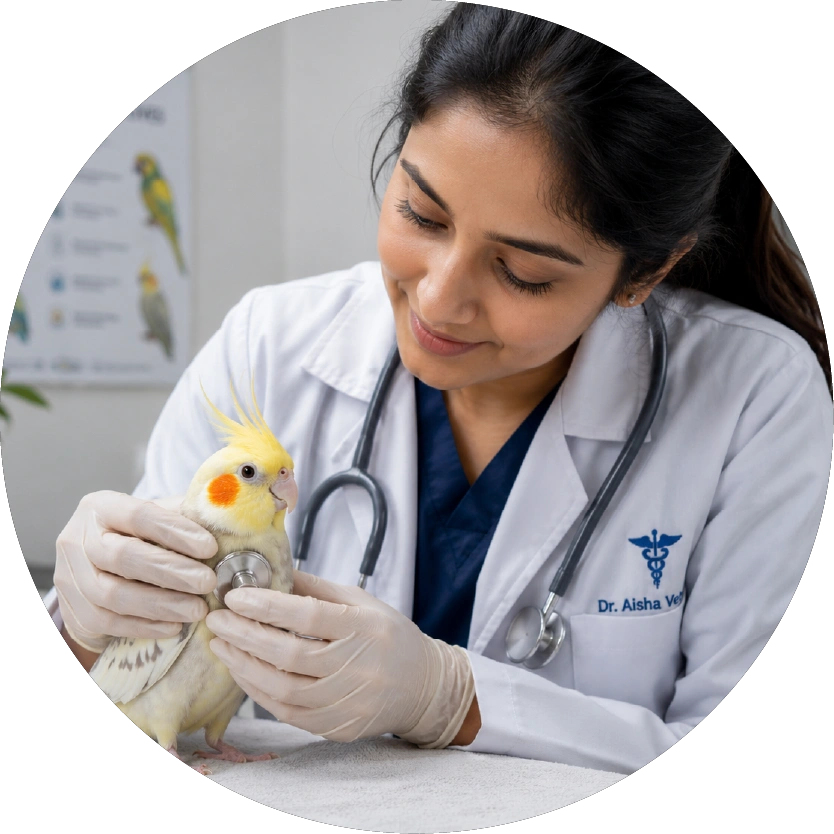
Not every sick bird requires emergency hospitalisation, but every unexplained change in behaviour deserves professional advice. A bird vet consultation online can help you determine whether your parrot requires emergency treatment or an in-person examination.
An online vet consultation is particularly useful if your bird has mild symptoms that started today, is eating less than usual, has changes in droppings or is behaving abnormally without obvious signs of severe distress.
With an instant online vet consultation, you can talk to a vet online, discuss your sick bird’s symptoms and receive expert guidance on next steps while reducing unnecessary delays. You can also get online vet prescriptions and detailed treatment plans to offer your companion the best avian vet care.
If you're unsure whether your parrot's condition is serious, book a veterinary consultation on Conbun before symptoms worsen.
Frequently Asked Questions
Q1. Why is my parrot puffed up all day?
Ans. A parrot that remains puffed up all day may be cold, stressed, or unwell. Persistent fluffing combined with lethargy, poor appetite, or breathing changes requires prompt veterinary assessment.
Q2. Is a fluffed-up bird always sick?
Ans. No. Birds normally fluff their feathers while sleeping, preening, or keeping warm. However, prolonged fluffing with reduced activity is often a sign of illness.
Q3. Should I cover my sick parrot's cage?
Ans. A quiet, dimly lit environment may reduce stress, but complete darkness is not recommended during the day. Keep the bird warm and seek veterinary advice promptly.
Q4. How can I tell if my bird is too sick?
Ans. Difficulty breathing, sitting at the cage bottom, refusing food, weakness, seizures, or persistent fluffing are all serious warning signs that require immediate veterinary attention.
Q5. Why is my bird sitting quietly with its eyes closed?
Ans. Sleeping birds may briefly rest with closed eyes, but remaining inactive with closed eyes during the day is abnormal and may indicate illness, pain, or severe weakness.
Conclusion
Not every parrot fluffed up is experiencing a medical emergency, but prolonged fluffing combined with other symptoms like inactivity and tail bobbing should never be ignored. Birds instinctively hide illnesses, making early behavioural changes the most valuable clinical warning signs. Careful observation and timely veterinary guidance can significantly improve health outcomes.
If your parrot is fluffed up, is not moving normally, or is showing signs of illness, don’t wait. Book an online avian vet consultation with Conbun and receive expert guidance instantly.
Table of Content
- Is It Normal for a Parrot to Fluff Up?
- Why Is My Parrot Fluffed Up and Not Moving?
- Emergency Signs You Should Never Ignore
- What Should You Do If Your Parrot Is Fluffed Up?
- Quick Reference Guide
- When to Book an Online Avian Vet Consultation
- Frequently Asked Questions
- Conclusion
Anand Sen
Get Conbun in your Google results
Add Conbun as a preferred source and Google will show our vet-written guides more often in your Search results and AI answers.
Categories