.webp&w=384&q=75)
How Much Does It Cost to Own a Bird? A Complete Budget Guide
The cost of owning a bird goes far beyond the purchase price. Responsible pet bird ownership includes one-time expenses like cage, toys, perches, and an initial veterinary checkup, followed by recurring expenses like food, enrichment, cage maintenance and healthcare. Larger birds and long-lived parrots typically require a higher long-term financial commitment than smaller species.
In the following bird budget guide, I’ll explain the initial investment, veterinary costs, monthly expenses and lifetime financial commitment involved in keeping a pet bird. Whether you’re considering a cockatiel, budgie, African Grey or a Macaw, understanding these costs can help you make informed decisions.
One-Time Costs Before Bringing Your Bird Home
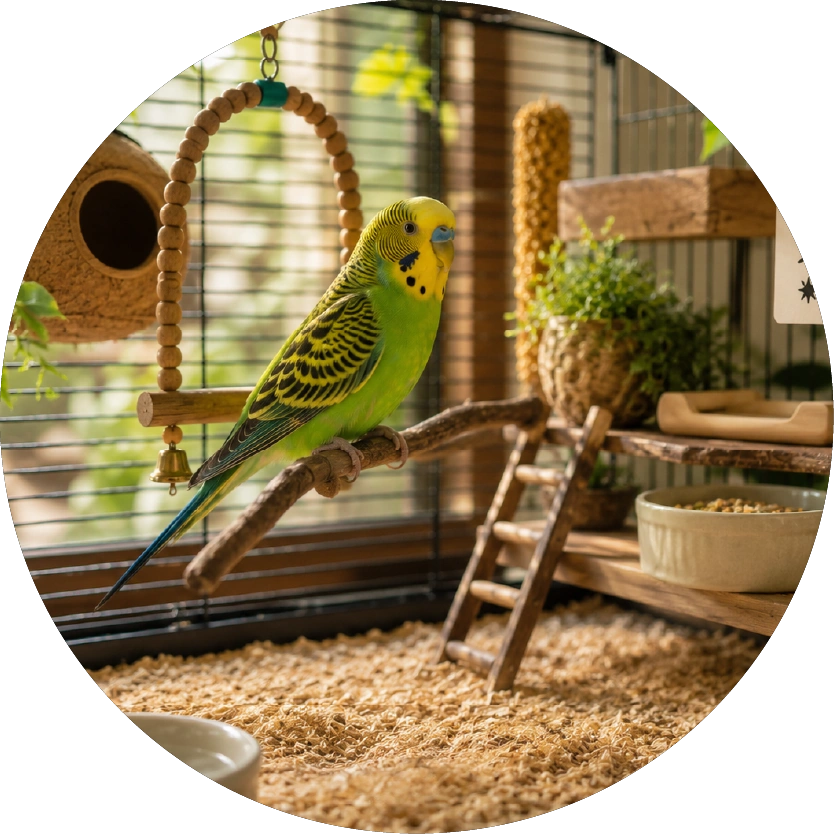
The first year with a bird is generally the most expensive because you’ll need to purchase accessories, housing, and essential supplies before it settles into its new home.
Expense | Estimated Cost (India) | Why It's Needed |
Bird purchase or adoption | ₹1,000–₹2,50,000+ | Bringing your bird home |
Cage | ₹2,000–₹40,000+ | Safe housing |
Natural perches | ₹500–₹2,500 | Foot health and exercise |
Food & water bowls | ₹300–₹1,000 | Daily feeding |
Travel carrier | ₹1,000–₹6,000 | Safe transportation |
Toys | ₹500–₹5,000 | Mental stimulation |
Cage liner | ₹300–₹800 | Hygiene |
Initial avian vet examination | ₹800–₹2,500 | Baseline health assessment |
Grooming supplies | ₹500–₹2,000 | Basic nail and beak care where appropriate |
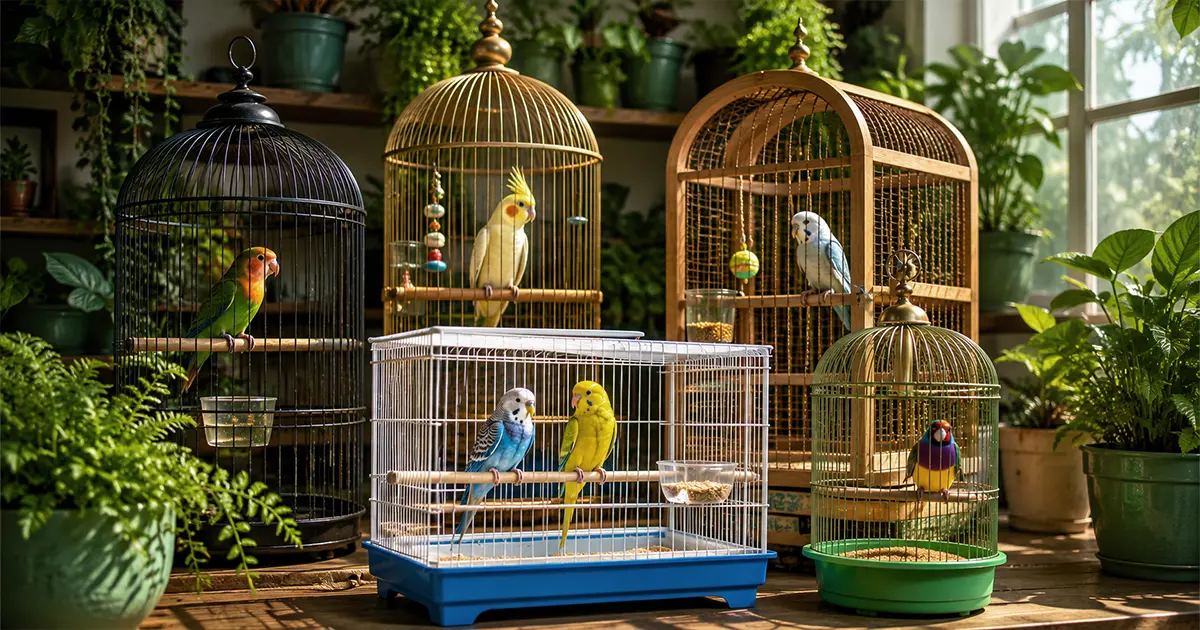
The overall setup costs that you incur before bringing the bird home depend on the species. A budgie or cockatiel requires a much smaller cage than a cockatoo or a macaw, which may result in lower initial expenses. Larger parrots also need stronger cages, heavier-duty perches and more durable interactive pet toys.
Purchasing high-quality equipment may cost more at the beginning, but it often proves more economical in the long run as there’ll be no need to replace cheaper products repeatedly.
Monthly Costs of Owning a Bird
As soon as your bird settles, you’ll need to budget for recurring expenses relating to food & nutrition, hygiene and mental well-being.
Monthly Expense | Estimated Cost (India) | Typical Purpose |
Bird food | ₹500–₹3,500 | Daily nutrition |
Fresh fruits & vegetables | ₹300–₹2,000 | Dietary variety |
Toys | ₹300–₹2,000 | Mental enrichment |
Cage supplies | ₹200–₹800 | Hygiene |
Perches | ₹100–₹600 | Replacement due to wear |
Miscellaneous supplies | ₹300–₹1,000 | Cleaning and accessories |
For most small birds, monthly bird expenses generally range from ₹1,500–₹4,000. Medium-sized parrots often cost ₹4,000–₹8,000 per month, while large parrots such as macaws may require ₹8,000–₹15,000 or more depending on diet, enrichment, and healthcare needs.
Food is one of the largest recurring expenses. A new pet bird owner must focus on providing a balanced avian diet that typically includes formulated pellets, fresh vegetables, limited fruits, and species-appropriate seeds. According to the MSD Veterinary Manual, relying only on seed mixes or high-fat seed/nut-based diets may lead to nutritional deficiencies in the long term.
Toys and mental enrichment accessories are another ongoing expense. Birds naturally shred, chew and destroy enrichment items. Species like cockatoos and macaws generally require more frequent replacement of toys and wooden perches than other species like finches or budgies.
Planning for all these recurring costs helps ensure your bird gets proper nutrition, enrichment and care throughout its life. Read our detailed guide on essential bird care tips to ensure
Veterinary and Preventive Healthcare Costs
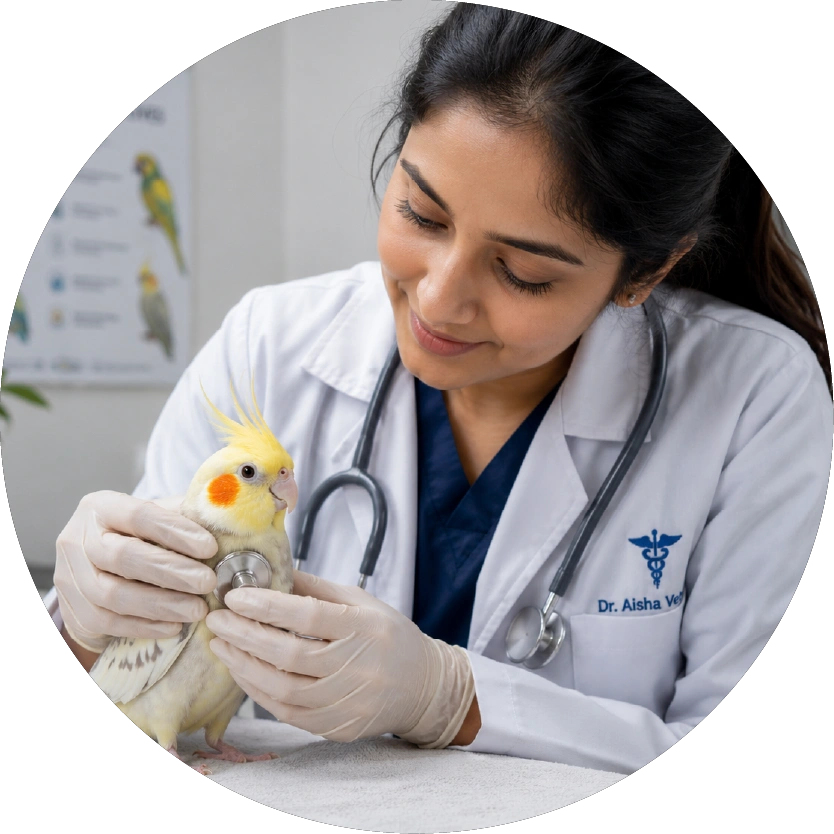
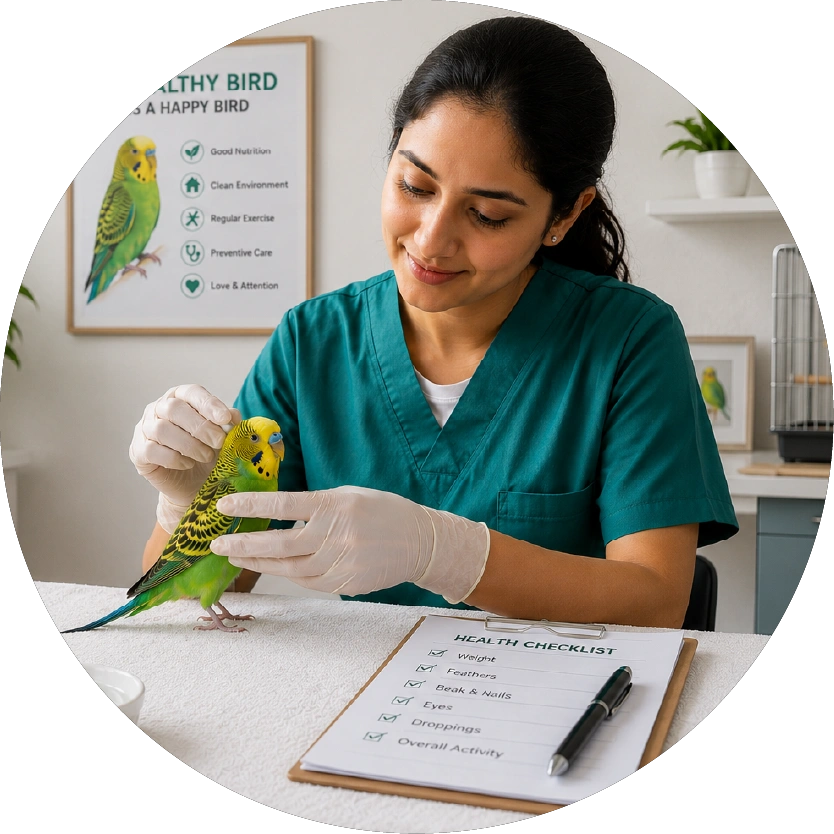
Routine healthcare is another important part of responsible bird ownership. Birds hide signs of illness instinctively, which makes regular veterinary examinations extremely valuable for detecting health problems early.
Typical healthcare expenses may include:
Initial health examination
Annual wellness examinations
Diagnostic tests when recommended
Nutritional consultations
Beak and nail assessments
Parasite screening where appropriate
Emergency treatment if illness develops
Routine avian veterinary visits generally cost ₹800–₹2,000, while diagnostic testing or imaging may add ₹2,000–₹10,000+, depending on the condition being investigated.
Veterinary Insight: The Association of Avian Veterinarians recommends routine health examinations because many birds mask disease until it becomes advanced. With preventive care, you can reduce the likelihood of expensive emergency treatment later.
Cost Differences by Bird Species and Size
Not all birds cost the same to keep. In general, the larger the bird, the higher the expenses for housing, food, enrichment and veterinary care. The lifespan of a bird also plays a major role in the cost of pet bird ownership.
Bird Type | Typical Ownership Costs (India) |
Finches & Canaries | ₹1,500–₹3,000/month |
Budgies & Lovebirds | ₹2,000–₹4,000/month |
Cockatiels | ₹3,000–₹6,000/month |
African Greys & Amazons | ₹6,000–₹12,000/month |
Macaws & Large Cockatoos | ₹10,000–₹20,000+/month |
Several factors contribute to these differences:
Larger birds consume more food.
Bigger cages and sturdier accessories cost significantly more.
Large parrots destroy toys faster, increasing replacement costs.
Veterinary procedures and medications may be more expensive for larger species.
Species-specific nutritional requirements can increase feeding costs.
For example, a budgie may need only a few hundred rupees each month for pellets and fresh produce, whereas a macaw generally consumes much larger quantities of vegetables, fruits, nuts and enrichment items.
The Hidden Cost of Long-Lived Bird Species
When considering bird ownership cost, many people focus only on the purchase price. However, the biggest financial commitment generally comes from caring for a bird over its entire lifespan.
Many parrots live for decades:
Budgies: 7–15 years
Cockatiels: 15–25 years
African Grey Parrots: 40–60 years
Macaws: 40–60+ years
Cockatoos: 40–70 years
Over such long lifespans, owners should budget for:
Lifelong nutrition
Cage upgrades
Toy and perch replacement
Regular veterinary examinations
Emergency medical care
Boarding or pet sitting during travel
Future care planning is equally important. Since some parrots may outlive their owners, it's wise to consider who could care for the bird if circumstances change. Read our detailed blog on parrot breeding in India to learn about how you can breed parrots, what species are illegal and how you can create ideal breeding conditions.
Choosing a long-lived species is a lifelong commitment rather than a short-term hobby.
Why Every Bird Owner Needs an Emergency Vet Fund
Even healthy birds may develop unexpected medical emergencies. As stated earlier, birds often hide the signs of illness. So, by the time a condition becomes serious, the treatment may be urgent.
Unexpected situations include:
Trauma or fractures
Egg binding
Respiratory infections
Gastrointestinal disorders
Foreign body ingestion
Hospitalisation
Emergency treatment costs can range from ₹5,000 to ₹50,000 or more, depending on the condition, diagnostics, surgery, and hospital.
Building an emergency bird vet fund of at least ₹20,000–₹50,000 provides financial security and allows quicker treatment decisions during emergencies. Even owners who budget carefully for routine care should prepare for unexpected medical expenses. Considering pet insurance could be a smart move that can help owners to dodge financial blows.
Need Help Managing Your Bird's Healthcare Costs? Conbun Can Help
Preventive care often costs far less than treating advanced disease. Through an online avian vet consultation, Conbun connects inexperienced bird owners with qualified veterinarians who can guide nutrition, housing, feather problems, behaviour, preventive healthcare, and species-specific care.
Whether you are looking for bird dietary advice or dealing with bird behavioural concerns, talk to an avian vet online on Conbun, as early guidance can help prevent more serious and often more expensive health problems.
Conclusion
Owning a bird is a rewarding long-term commitment that requires careful financial planning. Budget for more than just the purchase price by accounting for quality housing, balanced nutrition, enrichment, routine veterinary care, and emergency expenses.
Building an emergency fund and investing in preventive healthcare can reduce long-term costs while helping your bird live a healthier, happier life.
Frequently Asked Questions
Q1. How much does it cost to own a pet bird?
Ans. The cost of owning a bird depends on the species. Most owners should budget for one-time setup expenses, in addition to recurring monthly costs like food, enrichment and healthcare. Large birds generally cost more than smaller companion birds.
Q2. What are the monthly costs of owning a bird?
Ans. Monthly expenses usually include food, fresh produce, toys, cage supplies, perch replacement, and routine care. Small birds may cost ₹1,500–₹4,000 per month, while large parrots may exceed ₹10,000 monthly.
Q3. Which pet bird is the least expensive to keep?
Ans. Finches, canaries and budgies are generally among the most affordable pet birds because they consume less food, require smaller cages and usually have lower equipment and maintenance costs than larger parrots.
Q4. Are parrots expensive to own?
Ans. Yes. Medium and large parrots generally require larger cages, durable toys, personalised diets, regular veterinary care and decades of commitment, making them significantly more expensive than other companion birds.
Q5. Should I budget for emergency veterinary care?
Ans. Absolutely. Birds can become seriously ill very quickly, and emergency treatment may be costly. Maintaining an emergency fund helps ensure your bird receives prompt veterinary care without financial delays.
Table of Content
- One-Time Costs Before Bringing Your Bird Home
- Monthly Costs of Owning a Bird
- Veterinary and Preventive Healthcare Costs
- Cost Differences by Bird Species and Size
- The Hidden Cost of Long-Lived Bird Species
- Why Every Bird Owner Needs an Emergency Vet Fund
- Need Help Managing Your Bird's Healthcare Costs? Conbun Can Help
- Conclusion
- Frequently Asked Questions

Anand Sen
Categories