.webp&w=384&q=75)
How Much Does It Cost to Own a Rabbit? A Complete Budget Guide
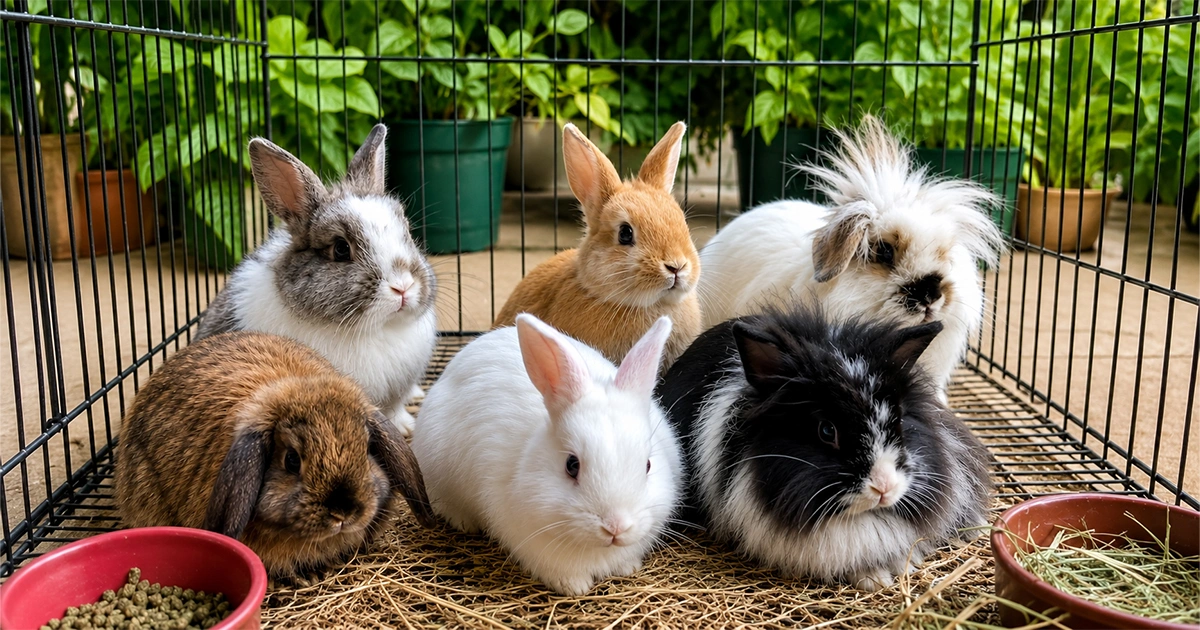
The cost of owning a rabbit goes beyond its purchase or adoption price. A realistic rabbit budget should include expenses for housing, unlimited hay, exercise space, fresh food, litter, enrichment, grooming, preventive veterinary care, spaying or neutering, dental care, and emergency treatment. Costs may vary by city, housing, rabbit size, health, and individual needs.
The following rabbit budget guide explains upfront, monthly rabbit expenses, hidden bunny-proofing costs, and emergency planning.
One-Time Costs Before Bringing Your Rabbit Home
Initial setup represents a significant portion of first-year expenses. Larger enclosures and stronger accessories generally cost more.
Expense | Why it is needed | Cost |
Adoption or purchase | Bringing the rabbit home | ₹0-50000 (depending on breed) |
Exercise pen/enclosure | Safe housing | ₹650-1500 |
Litter tray | Toilet training | ₹300-2000 |
Bowls and hay rack | Feeding | ₹200-1000 |
Hideout | Security and rest | ₹400-15000 |
Carrier | Transportation | ₹500-1000 |
Chew toys | Enrichment | ₹60-550 |
Grooming supplies | Coat and nail care | ₹400-2000 |
Spay/neuter | Reproductive and health management | ₹2000-9000 |
As an indicative Indian estimate, it may cost anywhere from ₹5,000 - ₹15,000+ for basic enclosure, carrier, litter equipment, toys, supplies, excluding the rabbit and major medical procedures. Actual prices may vary by quality, size and provider.
How Much Do Hay, Food and Litter Cost Each Month?
Monthly cost for rabbit maintenance in India depends on vegetable prices, hay consumption, litter choice and replacement needs. Hay is non-negotiable because fibre supports gastrointestinal function in rabbits. Inadequate fibre can potentially trigger a life-threatening emergency called GI stasis.
Expense | Indicative monthly budget |
Hay | ₹600 - ₹1,500 |
Pellets | ₹300 - ₹800 |
Fresh vegetables | ₹500 - ₹1,200 |
Litter | ₹300 - ₹800 |
Treats/enrichment | ₹200 - ₹500 |
Cleaning/replacement supplies | ₹200 - ₹500 |
These costs suggest that you can incur approximately ₹2,100 - ₹5,300 monthly for basic recurring supplies. Actual rabbit food cost and hay cost vary with consumption, size, product quality, location and availability.
Veterinary Costs Every Rabbit Owner Should Plan For
In addition to the above, you should include rabbit vet costs, costs for initial examination, routine wellness visits, and vaccinations. Veterinary care costs like parasite management, diagnostic tests, dental examinations, medicines and emergency care should also be budgeted.
Healthcare expense | Budget consideration |
Initial examination | Baseline assessment |
Routine check-up | Preventive care |
Vaccination | Depends on local recommendations |
Dental care | May become recurring |
Diagnostic tests | When clinically indicated |
Emergency treatment | Potentially significant |
Vaccination costs of rabbits vary by location and applicable disease risks. Rabbits can hide illness and deteriorate quickly, so delaying veterinary treatment may increase both medical risk and cost. Budget for preventive care as well as unexpected treatment.
Spaying or Neutering: An Important First-Year Expense
Spaying or neutering provides reproductive and health benefits. Timely spaying can prevent aggression and behavioural problems in rabbits. However, timing should be discussed with an experienced rabbit or exotic animal veterinarian. In India, an indicative planning range is between ₹3,000 and ₹10,000+, although actual costs vary by city, veterinarian, anaesthesia, diagnostics, medicines, monitoring and follow-up care.
Hidden Costs of Rabbit Ownership
Bunny-proofing may require cable protection, furniture protection, barriers, and room modifications. Dental care is another overlooked expense. Rabbit teeth continuously grow, and fibre-rich feeding supports natural wear, but dental disease can still require examination, imaging, medication, or treatment.
Other hidden costs include replacement toys, chewed furniture, extra litter trays, larger exercise pens, emergency transport, special diets, and long-term medication. Calculating expenses from food and litter alone can therefore underestimate the true cost of rabbit ownership.
Indoor Rabbit vs Outdoor Rabbit: Does Lifestyle Affect Cost?
Indoor rabbit | Outdoor rabbit |
Higher bunny-proofing and enrichment needs | More weather protection and secure housing |
Easier health monitoring | Greater parasite and safety exposure |
Lower predator risk | Additional fencing and shelter may be needed |
Controlled environment | Greater exposure to environmental hazards |
Indoor housing generally requires more enrichment and home modification but is important to reduce exposure to predators, extreme weather and some environmental hazards. Outdoor housing can require stronger shelter, fencing, pest control and additional safety measures.
Why Every Rabbit Owner Needs an Emergency Vet Fund
Unexpected expenses may include gastrointestinal stasis, dental emergencies, trauma, respiratory illness, urinary problems, foreign-body ingestion, diagnostic imaging, and hospitalisation. A dedicated emergency vet fund can help prevent treatment delays. The appropriate reserve depends on your circumstances. If your rabbit stops eating or produces markedly fewer droppings, seek urgent veterinary assessment.
Need Help Managing Your Rabbit's Healthcare Costs? Conbun Can Help
With online vet consultation on Conbun, pet parents discuss nutrition, weight management, dental concerns, preventive healthcare, behaviour and new rabbit care. An online rabbit vet consultation guides appropriate concerns.
Through our veterinary consultation app, owners can get online advice before deciding whether a physical clinic visit is necessary. Online guidance is not a replacement for diagnostics, surgery or emergency treatment. But it does supplement modern veterinary care with consistent and instant access to certified veterinarians.
Conclusion
For Indian pet parents, owning a rabbit costs more because equipment and sterilisation are added to recurring expenses. Specialised veterinary care can also be important, particularly for dental and gastrointestinal problems. Responsible budgeting also helps owners respond promptly when routine care becomes urgent or unexpected medical needs arise.
The cost of owning a rabbit extends beyond the purchase price. Budget monthly for hay, food, litter, enrichment, and supplies, while planning separately for spaying or neutering, dental care, preventive veterinary visits, and emergencies. Invest in safe housing and bunny-proofing, and review your budget as your rabbit ages. Financial preparation is part of responsible lifelong rabbit care.
Frequently Asked Questions
1. What are the monthly costs of owning a rabbit?
Ans. Monthly expenses for rabbits in India may range from ₹2,100–₹5,300 for hay, pellets, vegetables, litter, enrichment and cleaning supplies. Actual costs may vary with diet, consumption, rabbit size, location, production quality and healthcare needs.
2. How much does a pet rabbit cost per year?
Ans. After purchase or adoption, annual costs may include food, hay, litter, enrichment, routine healthcare, grooming and medical expenses. Use the monthly estimate above; basic recurring supplies could total roughly ₹25,200–₹63,600 annually, before major veterinary procedures.
3. How much does rabbit food and hay cost?
Ans. A practical monthly range for hay and pellets is ₹900–₹2,300. Fresh vegetables may add ₹500–₹1,200 monthly, depending on prices and consumption. Treats, litter, enrichment, and cleaning supplies are additional recurring expenses.
4. How much does it cost to spay or neuter a rabbit?
Ans. An indicative Indian range is ₹3,000–₹10,000+, but prices vary by city, veterinarian, anaesthesia, diagnostics, medicines, monitoring, and follow-up care. Obtain a complete estimate from an experienced rabbit or exotic-pet veterinarian.
5. Is owning a rabbit expensive compared with owning a dog or cat?
Ans. Rabbit ownership can have lower routine food costs than some larger pets, but specialised veterinary care, dental treatment, housing, hay, litter, and bunny-proofing can add significant expenses. The key question is whether you can consistently meet your rabbit’s lifelong needs.
Table of Content
- One-Time Costs Before Bringing Your Rabbit Home
- How Much Do Hay, Food and Litter Cost Each Month?
- Veterinary Costs Every Rabbit Owner Should Plan For
- Why Every Rabbit Owner Needs an Emergency Vet Fund
- Need Help Managing Your Rabbit's Healthcare Costs? Conbun Can Help
- Conclusion
- Frequently Asked Questions

Anand Sen
Categories