.webp)
Rat Health & Wellness: Common Signs of Illness Every Pet Owner Should Know
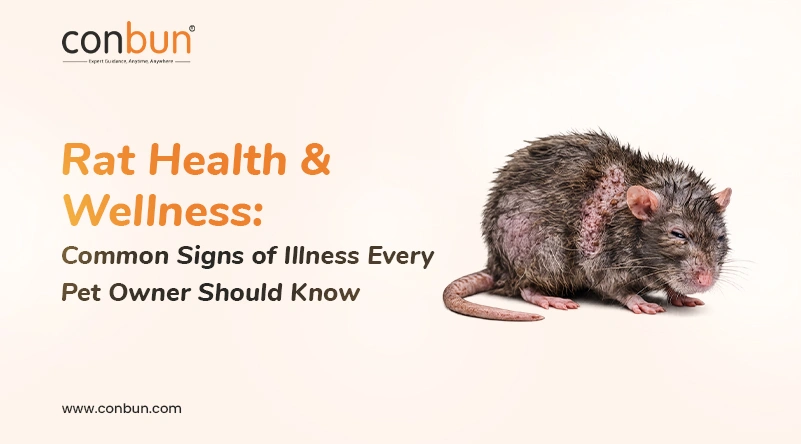
Hypoxia, noisy breathing, weight loss or unusual behaviours are the early signs of illness in pet rats. Rats, being prey animals, instinctively hide illnesses, so subtle changes are often the early indicators that show something is wrong. Rats rarely cry when they're sick. Instead, they whisper through tiny changes in their behaviour.
Recognising these signs early and seeking prompt veterinary care can significantly improves changes of recovery and save your tiny pets from serious complications.
In this guide, I'll explain the most common pet rat signs of illness, when symptoms become an emergency, and how to protect your rat's long-term health.
Recognising the Early Signs of Illness in Pet Rats
1. Changes in Appetite, Weight, and Behaviour
One of the earliest indicators of illness in rats is a change in their normal routine. Healthy rats are social, naturally curious and enthusiastic eaters. If your rat is suddenly showing symptoms of withdrawal or ignores favourite treats, it deserves close attention.
Common warning signs of illness in rats:
Anorexia or refusal to eat
Noticeable weight loss
Drinking significantly less or more than usual
Lethargy or sleeping more than normal
Hiding away from cage mates
Reduced grooming or an unkempt coat
Less interest in exploring or playing
Behavioural changes usually appear before physical symptoms. Due to their fast metabolism, even a short period of poor appetite in rats may quickly affect their health. Weighing your rat weekly using a digital kitchen scale is one of the simplest ways to detect illness early, as gradual weight loss may go unnoticed.
2. Breathing Problems Should Never Be Ignored
Respiratory disease is one of the most common health problems affecting pet rats and should never be dismissed as "just a cold." According to the Journal of Exotic Pet Medicine, chronic respiratory disease associated with Mycoplasma pulmonis is widespread in pet rats and can worsen when animals are stressed or kept in poorly ventilated environments.
Respiratory disease is one of the most common health problems affecting pet rats and should never be dismissed as “just a cold”. According to the BSAVA Manual of Rodents and Ferrets
Watch for symptoms such as:
Frequent sneezing
Wheezing or whistling sounds
Soft clicking noises while breathing
Nasal discharge
Red staining around the nose or eyes caused by excess porphyrin
Porphyrin can resemble blood, but it is a pigment naturally produced by glands around the eyes. Small amounts after sleeping may be normal, but persistent staining combined with breathing problems or lethargy often signals illness.
Respiratory infections can progress quickly, particularly in older rats or those with underlying health conditions. Prompt veterinary assessment improves the chances of successful treatment and helps prevent complications such as pneumonia.
3. Skin, Coat, and Mobility Changes
A healthy rat has clean skin and a smooth coat. It moves around the enclosure comfortably. Changes that affect the skin or mobility often indicate an underlying disease, injury or ageing.
Watch for:
Excessive scratching or hair loss
Poor coat quality
Skin lumps or abscesses
Difficulty walking or climbing
Head tilt or loss of balance
Older rats are prone to arthritis and tumours. Abscesses may develop after even minor wounds or bites. Regular handling allows you to detect swelling, lumps or movement problems before they become severe.
When Is It an Emergency?
Rat illnesses progress rapidly due to their small size and high metabolic rate. If you notice any of the following signs, seek veterinary care without delay:
Severe or laboured breathing
Refusing food for more than 12–24 hours
Rapid or unexplained weight loss
Seizures or muscle tremors
Paralysis or inability to use the limbs
Persistent bleeding
Extreme lethargy or collapse
Unable to stand or walk normally
Major injuries or suspected fractures
Persistent diarrhoea or severe dehydration
Even if symptoms are mild, rats deteriorate quickly once clinical signs become obvious. Early treatment provides the best chance of recovery and also prevents serious complications.
When to Seek an Online Vet Consultation
Many serious rat health issues begin with subtle changes that are easy to overlook. If your rat has started eating less, sneezing, losing weight or behaving unusually, seeking professional advice early can prevent a small problem from becoming a major one.
With online exotic animal health consultation on Conbun, you can connect with licensed veterinarians from the comfort of your home. Whether you’re worried about rat breathing problems, changes in appetite, unusual behaviour, or skin lumps, expert guidance is only a few taps away.
An online vet consultation is particularly helpful when your rat has:
Reduced appetite or weight loss
Sneezing or mild breathing changes
Behavioural changes or lethargy
Skin lumps or abscesses
Questions after veterinary treatment
Ongoing health concerns requiring follow-up
Through an online vet consultation, you can discuss your rat’s symptoms, receive practical care advice and learn whether an urgent visit to the clinic is needed. Early intervention often improves recovery and offers your pet the best chance of returning to normal health.
Book an Instant Online Vet Consultation with Conbun before mild symptoms become a serious illness.
Conclusion
Rats are experts at hiding illness, making regular observation one of the most important parts of responsible pet care. Small changes in appetite, breathing, grooming, or behaviour should never be ignored. Recognising problems early and seeking veterinary advice promptly can significantly improve treatment outcomes.
If your pet rat is eating less, breathing differently, or behaving unusually, don't wait. Book an online veterinary appointment on Conbun today and get expert guidance before a minor health concern becomes an emergency.
Frequently Asked Questions
Q1. What are the first signs of illness in a pet rat?
Answer: Early warning signs include weight loss, reduced appetite, lethargy, hiding, breathing difficulties and decreased grooming. Even subtle behavioural changes deserve attention because rats instinctively hide illness.
Q2. Why do rats get respiratory infections so often?
Answer: Respiratory disease is common because many pet rats carry Mycoplasma pulmonis, a bacterium that can cause illness when combined with stress, poor ventilation, or other infections.
Q3. How can I check my rat's teeth and eyes at home?
Answer: Look for overgrown incisors, difficulty eating, excessive drooling, or red porphyrin staining around the eyes and nose. Routine observation can help detect problems early, but any abnormalities should be assessed by a veterinarian.
Q4. What is a healthy rat's activity level?
Answer: Healthy rats are curious, active, and interested in food, climbing, and interacting with their surroundings. A sudden decrease in activity or increased sleeping may indicate illness.
Q5. How often should rats see a vet?
Answer: You should visit a vet immediately if it has breathing difficulty, refuses food, loses weight rapidly, experiences seizures or becomes unable to stand. Sudden changes in behaviour or health should be assessed promptly.
References
Graham, J. E., & Schoeb, T. R. (2011). Mycoplasma pulmonis in rats. Journal of Exotic Pet Medicine, 20(4), 270-276. https://www.sciencedirect.com/science/article/abs/pii/S155750631100173X
Keeble, E., & Meredith, A. (2009). BSAVA manual of rodents and ferrets (pp. viii+-359). https://www.researchgate.net/publication/264333764_BSAVA_manual_of_rodents_and_ferrets
MSD Manual Veterinary Manual. Chromodacryorrhea (red tears), rat. (2026). https://www.msdvetmanual.com/multimedia/image/chromodacryorrhea-red-tears-rat
Table of Content
- Recognising the Early Signs of Illness in Pet Rats
- When Is It an Emergency?
- When to Seek an Online Vet Consultation
- Conclusion
- Frequently Asked Questions
- References

Anand Sen
Related Articles

Why do dogs roll in the grass? Is this Normal?
Dogs roll in grass to enjoy scents, scratch irritation, cool down, or express happiness. Usually normal unless excessive or uncomfortable.
Read More ↗Why do dogs roll in the grass? Is this Normal?
Dogs roll in grass to enjoy scents, scratch irritation, cool down, or express happiness. Usually normal unless excessive or uncomfortable.
Read More ↗Why do dogs roll in the grass? Is this Normal?
Dogs roll in grass to enjoy scents, scratch irritation, cool down, or express happiness. Usually normal unless excessive or uncomfortable.
Read More ↗Why do dogs roll in the grass? Is this Normal?
Dogs roll in grass to enjoy scents, scratch irritation, cool down, or express happiness. Usually normal unless excessive or uncomfortable.
Read More ↗Why do dogs roll in the grass? Is this Normal?
Dogs roll in grass to enjoy scents, scratch irritation, cool down, or express happiness. Usually normal unless excessive or uncomfortable.
Read More ↗