.webp)
Pet Rat Breathing Problems: Respiratory Infection Signs, Causes & Treatment
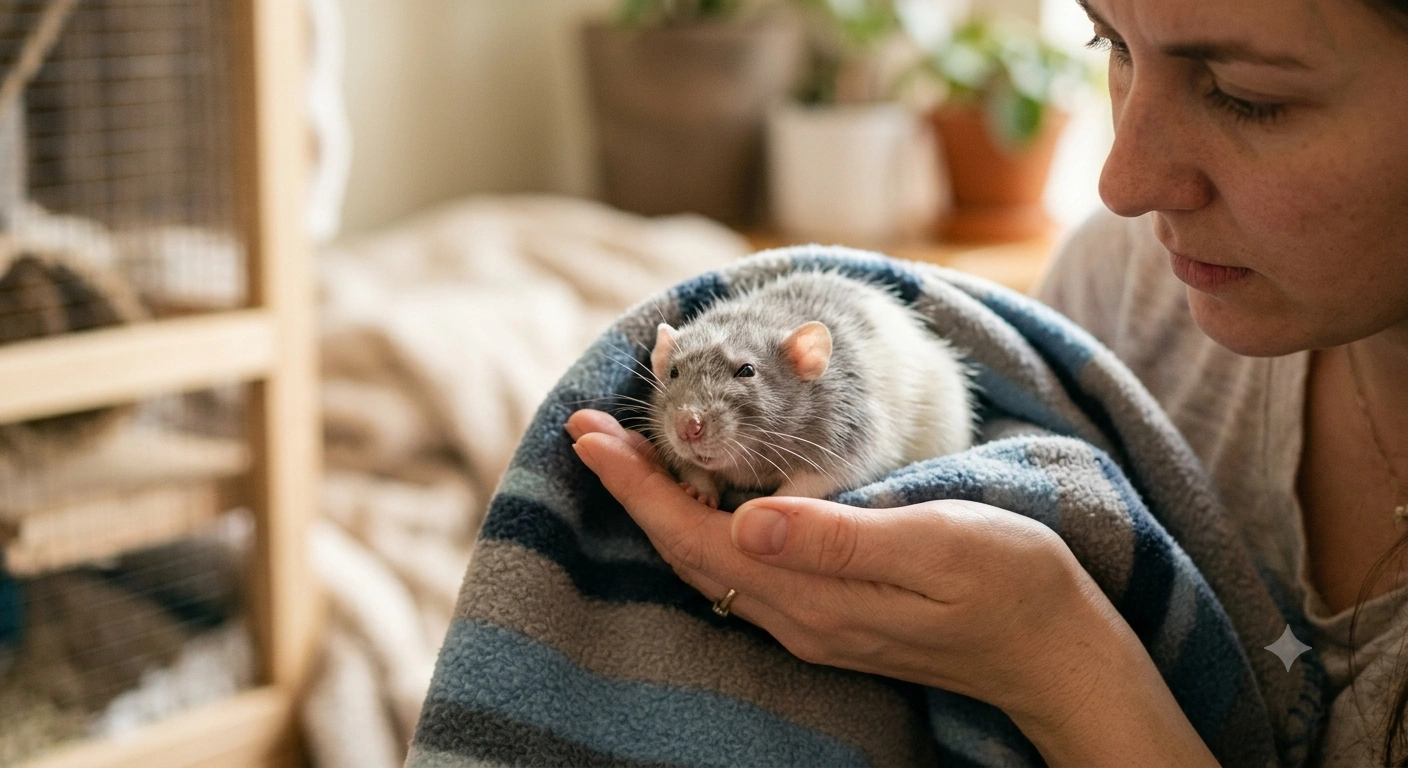
Breathing problems in pet rats are common and usually a result of Mycoplasma bacteria or environmental irritants. If you notice signs like wheezing, clicking sounds, porphyrin (staining around the eyes or nose), your rat may be suffering from a respiratory infection. These symptoms can worsen rapidly and become life-threatening if left untreated. Through this guide, understand the warning signs, common causes, and available treatment options to protect your pet's health. If you notice persistent breathing problems in your pet rat, consult a veterinarian as soon as possible.
Common Signs of Respiratory Infection in Rats
Respiratory disease in pet rats often develops gradually, making early recognition essential. Watch for these common clinical signs:
Sneezing: A rat sneezing constantly is often one of the earliest signs of upper respiratory irritation or infection.
Wheezing: Audible squeaks or whistles during breathing indicate inflammation or narrowing of the airways. Wheezing in rats should always be evaluated by a veterinarian.
Clicking Sounds: Crackling or soft clicking noises while breathing suggest fluid accumulation in the lungs or respiratory tract inflammation.
Laboured Breathing: Visible abdominal movement while breathing, increased respiratory effort or the rat breathing heavy indicate severe respiratory compromise.
Porphyrin Around the Eyes or Nose: Red staining around the eyes or nostrils is caused by excess porphyrin secretion. Although often mistaken for blood, it is usually a sign of illness or stress.
Reduced Appetite: Rats with respiratory infection often eat less because, with breathing distress, eating becomes difficult.
Weight Loss: Ongoing illness commonly results in progressive weight loss due to reduced food intake and increased metabolic demands.
Lethargy: Rats that are sick often sleep more, socialise less and show reduced interest in food or toys.
Open-Mouth Breathing: Laboured breathing is an emergency sign of severe respiratory distress and warrants immediate veterinary attention.
Common Causes of Breathing Problems in Rats
Respiratory disease may result from infectious pathogens, environmental conditions, or underlying systemic disorders.
Mycoplasma pulmonis Infection
Mycoplasma pulmonis bacteria are the most common cause of respiratory infection in rats. Many rats carry this bacterium without symptoms until ageing, stress or weakened immunity allow the disease to develop.
Bacterial Pneumonia
Organisms like Streptococcus pneumoniae or Corynebacterium kutscheri can cause secondary bacterial infections. These infections can quickly progress to pneumonia, leading to severe breathing difficulties and lethargy.
Dirty or Ammonia-Filled Cages
Lack of proper cage hygiene allows ammonia from urine to accumulate, causing airway damage and irritating the respiratory tract. This increases susceptibility to bacterial infections.
Dusty Bedding
Poor-quality bedding or dusty wood shavings release fine particles that can irritate the nasal passages and lungs, contributing to respiratory inflammation.
Viral Infections
Although less common than bacterial disease, respiratory viruses in rats can weaken the immune system and increase the risk of secondary bacterial pneumonia.
Heart Disease
Cardiac disease may lead to fluid accumulation within the lungs, leading to rapid breathing, coughing, exercise tolerance and respiratory distress that resembles infection.
Lung Tumours
Older rats are more susceptible to pulmonary tumours, which degrade normal lung function and cause chronic breathing difficulties.
Treatment for Respiratory Infections
Treatment of respiratory infections depends on the underlying cause and the severity of clinical signs. Early diagnosis greatly improves the likelihood of recovery.
Veterinary examination
A thorough veterinary examination may be conducted to assess lung sounds, body condition, respiratory rate and hydration status. In severe cases, diagnostic imaging like chest radiographs may be recommended.
Nebulisation
Most bacterial respiratory infections require prescription antibiotics. Medications like doxycycline or enrofloxacin are prescribed commonly by veterinarians, depending on the suspected pathogen. Do not administer human antibiotics or leftover medications.
Oxygen therapy
Rats with significant respiratory distress may benefit from nebulization therapy, which delivers medication directly into the airways and loosens respiratory secretions.
For critically ill rats, oxygen therapy is a necessary treatment procedure to improve oxygen delivery while treatment begins.
Supportive care
Supportive care is also equally important to treat respiratory problems in pet rats. Maintaining hydration, providing easily digestible food, minimising stress and keeping the enclosure warm can help in supporting recovery. If the rat refuses food, nutritional support may be required.
Because respiratory disease can progress rapidly, delaying treatment often leads to poorer outcomes. If your rat is breathing heavily, wheezing, or showing persistent respiratory signs, seek pet rat vet consultation online or visit an experienced online exotic pet vet without delay.
Home Care While Waiting to See a Vet
Home care helps keep your rat comfortable, but it cannot replace veterinary treatment. If you suspect a rat respiratory infection, follow these supportive measures while arranging a veterinary appointment.
Ensure that your rat is in a warm, quiet, and stress-free environment to reduce respiratory effort.
Replace dusty bedding with a dust-free paper-based substrate to minimise airway irritation.
Provide constant access to water and soft, highly palatable foods if there is appetite loss.
Clean the cage regularly to reduce ammonia build-up and improve air quality.
Monitor your rat's breathing, appetite, and activity closely for any signs of deterioration.
Do not give human antibiotics, cough syrups, or over-the-counter medications without veterinary advice.
Do not delay treatment if you notice laboured breathing or if your rat has stopped eating.
Supportive care improves comfort but cannot eliminate the underlying infection. Early veterinary intervention remains the most effective treatment.
When Is It an Emergency?
Certain respiratory signs suggest a life-threatening condition requiring immediate veterinary attention.
Seek emergency veterinary care if your rat develops:
Open-mouth breathing
Blue or pale gums (cyanosis)
Collapse or inability to stand
Complete refusal to eat or drink
Severe lethargy or unresponsiveness
Very rapid or laboured breathing
Continuous gasping or struggling for air
These signs suggest severe respiratory compromise, advanced pneumonia or inadequate oxygenation. Delaying treatment can significantly reduce the chances of recovery.
If your rat develops any of these symptoms, seek immediate veterinary care
Frequently Asked Questions
Why is my rat breathing heavily?
Heavy breathing commonly results from respiratory infection, pneumonia, heart disease, or severe airway inflammation. Your rat should be examined by a veterinarian as soon as possible.
Can rats recover from respiratory infections?
Yes. Many rats recover successfully when respiratory infections are diagnosed early and treated with appropriate veterinary care and supportive management.
Is respiratory disease contagious?
Some respiratory pathogens can spread between rats through close contact, respiratory droplets, or contaminated environments. Isolate sick rats until advised otherwise by your veterinarian.
Can I treat a respiratory infection at home?
No. Home care can provide temporary support, but respiratory infections usually require prescription antibiotics and professional veterinary treatment for successful recovery.
Can I consult an online exotic pet vet on Conbun?
Yes. A pet rat vet consultation online can help assess your rat's symptoms, recommend supportive care, identify emergency warning signs, and advise whether urgent in-person treatment is required.
How Conbun Can Help
Respiratory disease is one of the most common medical emergencies in pet rats, and with early treatment, health outcomes can be significantly improved. If your rat is breathing heavily, sneezing, wheezing or making clicking sounds, connect with certified veterinarians on Conbun for prompt guidance.
Through an online pet rat vet consultation, talk to an online exotic pet vet to get your rat’s symptoms evaluated, immediate supportive care and possible treatment options. With expert veterinary advice from home, make quick and informed decisions to give your pet the best chance of recovery.
Table of Content
- Common Signs of Respiratory Infection in Rats
- Common Causes of Breathing Problems in Rats
- Treatment for Respiratory Infections
- Home Care While Waiting to See a Vet
- When Is It an Emergency?
- Frequently Asked Questions
- How Conbun Can Help

Anand Sen
Related Articles

Why do dogs roll in the grass? Is this Normal?
Dogs roll in grass to enjoy scents, scratch irritation, cool down, or express happiness. Usually normal unless excessive or uncomfortable.
Read More ↗Why do dogs roll in the grass? Is this Normal?
Dogs roll in grass to enjoy scents, scratch irritation, cool down, or express happiness. Usually normal unless excessive or uncomfortable.
Read More ↗Why do dogs roll in the grass? Is this Normal?
Dogs roll in grass to enjoy scents, scratch irritation, cool down, or express happiness. Usually normal unless excessive or uncomfortable.
Read More ↗Why do dogs roll in the grass? Is this Normal?
Dogs roll in grass to enjoy scents, scratch irritation, cool down, or express happiness. Usually normal unless excessive or uncomfortable.
Read More ↗Why do dogs roll in the grass? Is this Normal?
Dogs roll in grass to enjoy scents, scratch irritation, cool down, or express happiness. Usually normal unless excessive or uncomfortable.
Read More ↗