
Guinea Pig Vitamin C Deficiency: Scurvy Symptoms, Causes & Treatment
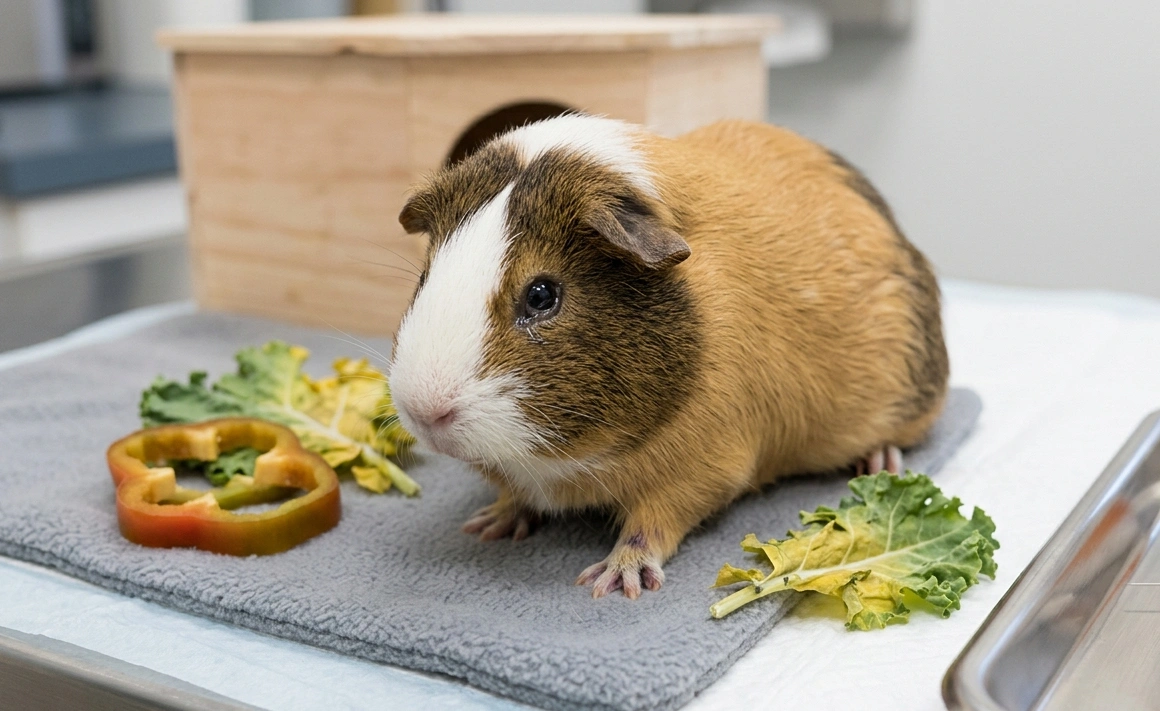
Like humans, guinea pigs cannot produce their own vitamin C, making them completely dependent on their diet for this essential nutrient. The deficiency of vitamin C in guinea pigs can quickly lead to scurvy in guinea pigs, which is a painful condition that affects joints, bones, skin, and the immune system. Fortunately, early diagnosis and appropriate treatment usually result in a full recovery.
If your guinea pig has swollen joints, is limping, appears lethargic or has stopped eating, vitamin C deficiency could likely be the cause. Through this guide, understand the early warning signs and causes of scurvy in guinea pigs and what you can do to provide the best care for your tiny four-legged companion.
What Is Scurvy in Guinea Pigs?
Scurvy is a nutritional disease that is caused by vitamin C deficiency in guinea pigs. Unlike most mammals, guinea pigs lack the enzyme L-gulonolactone oxidase, which is required to synthesise vitamin C naturally. As a result, they must obtain adequate vitamin C every day through fresh foods or supplements.
Vitamin C plays a key role in collagen synthesis, which is a protein responsible for maintaining healthy skin, bones, joints, teeth, blood vessels and connective tissues. When vitamin C levels deplete, collagen production declines, causing tissues to weaken throughout the body.
Over time, this deficiency leads to painful/swollen joints, fragile blood vessels, bleeding gums, poor wound healing and weakened immunity. Young, pregnant, nursing and stressed guinea pigs are susceptible because their vitamin C requirements are higher.
As scurvy progresses slowly, recognising the earliest signs allows for treatment before tissues are damaged irreversibly.
Symptoms of Scurvy in Guinea Pigs
The symptoms of scurvy in guinea pigs often develop gradually and are generally mistaken for ageing or arthritis. As vitamin C deficiency worsens, connective tissues become weaker, which results in increasingly painful clinical signs.
Lethargy
Guinea pigs with vitamin C deficiency often become quieter than usual, spending more time resting and showing less interest in interacting with their surroundings.
Loss of Appetite
One of the most common clinical signs of scurvy in guinea pigs is reduced appetite. Weakened tissues and painful joints make normal eating uncomfortable.
Weight Loss
Anorexia in guinea pigs combined with chronic illness can lead to gradual weight loss and declining body condition.
Swollen Joints
Scurvy weakens connective tissues surrounding the joints, resulting in swelling, pain, inflammation and reduced mobility.
Limping
Guinea pigs commonly limp because weakened bones and inflamed joints make normal movement painful. Some guinea pigs may also avoid walking altogether.
Pain While Walking
Scurvy can reduce activity as affected guinea pigs move slowly, hesitate before walking or vocalise when picked up, as connective tissues are weakened.
Bleeding Gums
Impaired collagen production and fragile blood vessels can lead to swollen, inflamed or bleeding gums, particularly around the incisors.
Poor Wound Healing
Vitamin C is essential for normal tissue repair and collagen formation. Wound healing capacity is hindered, so even small cuts or abrasions may heal slowly.
Rough or Unkempt Coat
A dull, coarse coat and poor grooming behaviour often develop as weakness and discomfort increase.
Without treatment, these symptoms continue to worsen and may eventually lead to fractures, severe debilitation, secondary infections and complete refusal to eat.
What Causes Vitamin C Deficiency?
Although scurvy is preventable, several nutritional and husbandry factors increase the risk of vitamin C deficiency.
Fresh Foods Low in Vitamin C
A diet lacking fresh vegetables naturally rich in vitamin C is the most common cause of scurvy. Guinea pigs need a consistent daily intake of vegetables because they cannot store large quantities of vitamin C.
Old Commercial Pellets
Many guinea pig owners are unaware that as soon as commercial pellets are manufactured, vitamin C begins to degrade. Pellets stored for several months may contain significantly less vitamin C than indicated on the packaging.
Improper Food Storage
Exposure to moisture, air, heat and sunlight accelerates vitamin C degradation. Food must always be stored in a cool, dry, airtight container and replaced before its expiry date.
Stress
Transportation, overcrowding, environmental changes, or illness increase metabolic demands, causing guinea pigs to use vitamin C more rapidly.
Underlying Illness
Infections, dental disease, gastrointestinal disorders, and chronic inflammatory conditions can reduce appetite while simultaneously increasing vitamin C requirements.
Pregnancy and Lactation
Pregnant and nursing guinea pigs need higher levels of vitamin C to support fetal development, tissue repair and milk production.
Rapid Growth in Young Guinea Pigs
Growing guinea pigs need additional vitamin C to support collagen production, healthy bone formation and normal musculoskeletal development.
Because vitamin C cannot be stored efficiently and degrades rapidly after manufacture, even guinea pigs receiving high-quality commercial pellets may develop a deficiency if their diet is not regularly supplemented with fresh vitamin C-rich foods.
Treatment of Scurvy in Guinea Pigs
Early veterinary intervention is the most effective treatment of scurvy in guinea pigs. Because several conditions, including fractures, arthritis and infections, can mimic vitamin C deficiency, the veterinarian will perform a physical examination to review your guinea pig’s diet before offering the treatment.
Treatment generally includes vitamin C supplementation. It is generally oral, but in severe cases could also be done by injection to restore normal body levels. Your veterinarian may also recommend dietary changes, replacing pellets with fresh vitamin C-fortified pellets and an increased provision of vegetables like bell peppers and leafy greens, which are rich in vitamin C.
If your guinea pig is experiencing significant pain or joint inflammation, pain-relieving medication may be prescribed to improve comfort and encourage normal movement. Secondary bacterial infections, oral disease, or poor wound healing may also require additional treatment.
If your guinea pig is experiencing significant distress or joint inflammation, pain-relieving medication may be prescribed to improve comfort and encourage normal movement. Secondary bacterial infections, oral disease or poor wound healing require additional targeted treatment.
In most guinea pigs, treatment of scurvy starts showing improvement within a few days. Although complete recovery may take several weeks, depending on the severity and duration of the deficiency. Continuing vitamin C supplementation and maintaining a balanced diet are essential to prevent recurrence.
How to Prevent Vitamin C Deficiency in Guinea Pigs
Scurvy is a preventable nutritional disease in guinea pigs. With a few simple husbandry practices, you can significantly reduce the risk.
Offer fresh vitamin C daily through veterinarian-recommended foods or supplements.
Provide fresh vegetables such as bell peppers daily alongside a balanced guinea pig diet.
Ensure unlimited access to high-quality grass hay to support overall health.
Purchase fresh vitamin C-fortified pellets in small quantities and make sure to check expiry dates.
Store pellets in a cool, dry, airtight container because vitamin C deteriorates rapidly after manufacture.
Schedule regular veterinary health examinations to identify nutritional deficiencies before clinical disease develops.
Consistent nutrition is far more effective than trying to correct an advanced deficiency later.
When Should You See a Vet?
Seek veterinary attention immediately if your guinea pig develops:
Cannot walk or stand normally
Severe joint swelling
Complete loss of appetite
Rapid or unexplained weight loss
Bleeding or swollen gums
Extreme lethargy or weakness
Early treatment offers the best chance of a full recovery and helps prevent permanent musculoskeletal complications.
Frequently Asked Questions
What are the symptoms of scurvy in guinea pigs?
Common symptoms of scurvy in guinea pigs include weight loss, swollen joints, limping, poor wound healing, bleeding gums and a rough hair coat.
How much vitamin C does a guinea pig need daily?
Most healthy adult guinea pigs need approximately 10 mg/kg of vitamin C daily. Young, pregnant or sick guinea pigs require higher amounts.
Can guinea pigs recover from scurvy?
Yes. Most guinea pigs recover well when vitamin C deficiency is diagnosed early and treated promptly with supplementation and dietary correction.
What foods are rich in vitamin C?
Bell peppers, coriander, kale, parsley and other leafy vegetables are excellent sources of vitamin C-rich foods for guinea pigs.
Can I consult an online exotic pet vet?
Yes. An experienced online exotic animal veterinarian on Conbun can assess your pet’s symptoms, review its diet and advise whether immediate treatment or an in-person examination is required.
Conclusion
If you suspect scurvy in guinea pigs, early veterinary advice can prevent long-term complications. Through Guinea pig health consultation online, Conbun connects you with experienced Exotic pet vets who can assess your guinea pig's symptoms, review its diet, recommend appropriate Vitamin C for guinea pigs, and determine whether further treatment is needed. With expert guidance available 24/7, you can take prompt action to support your pet's recovery.
References
Nishikimi, M., Kawai, T., & Yagi, K. (1992). Guinea pigs possess a highly mutated gene for L-gulono-gamma-lactone oxidase, the key enzyme for L-ascorbic acid biosynthesis, missing in this species. Journal of Biological Chemistry, 267(30), 21967-21972. https://www.jbc.org/article/S0021-9258(19)36707-9/pdf
Mahmoodian, F., & Peterkofsky, B. (1999). Vitamin C deficiency in guinea pigs differentially affects the expression of type IV collagen, laminin, and elastin in blood vessels. The Journal of Nutrition, 129(1), 83-91. https://www.sciencedirect.com/science/article/pii/S0022316623018862
Table of Content
- What Is Scurvy in Guinea Pigs?
- Symptoms of Scurvy in Guinea Pigs
- What Causes Vitamin C Deficiency?
- Treatment of Scurvy in Guinea Pigs
- How to Prevent Vitamin C Deficiency in Guinea Pigs
- When Should You See a Vet?
- Frequently Asked Questions
- Conclusion
- References

Anand Sen
Related Articles

Why do dogs roll in the grass? Is this Normal?
Dogs roll in grass to enjoy scents, scratch irritation, cool down, or express happiness. Usually normal unless excessive or uncomfortable.
Read More ↗Why do dogs roll in the grass? Is this Normal?
Dogs roll in grass to enjoy scents, scratch irritation, cool down, or express happiness. Usually normal unless excessive or uncomfortable.
Read More ↗Why do dogs roll in the grass? Is this Normal?
Dogs roll in grass to enjoy scents, scratch irritation, cool down, or express happiness. Usually normal unless excessive or uncomfortable.
Read More ↗Why do dogs roll in the grass? Is this Normal?
Dogs roll in grass to enjoy scents, scratch irritation, cool down, or express happiness. Usually normal unless excessive or uncomfortable.
Read More ↗Why do dogs roll in the grass? Is this Normal?
Dogs roll in grass to enjoy scents, scratch irritation, cool down, or express happiness. Usually normal unless excessive or uncomfortable.
Read More ↗