
Is Your Hamster Cold, Stiff, And Unresponsive? Chat With An Emergency Hamster Vet Online Now.
A cold, motionless or unresponsive hamster may be experiencing torpor, hibernation-like behaviour, or serious underlying illness. Every Minute Counts. Connect with an Online Exotic Vet Instantly for torpor first-aid and safe warming advice from verified exotic vets online.
Consult Now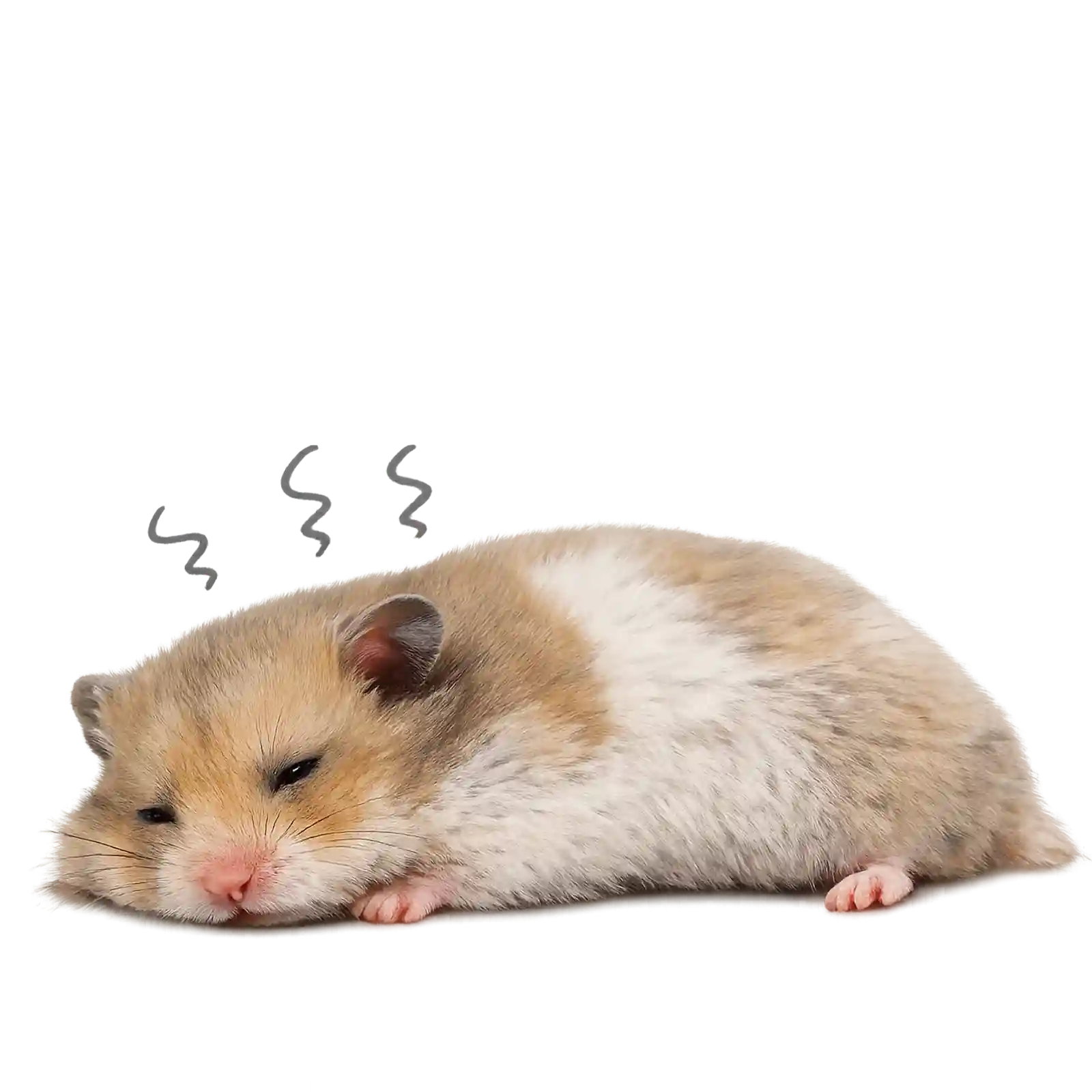
Why Is My Hamster Cold, Stiff, And Low On Energy?
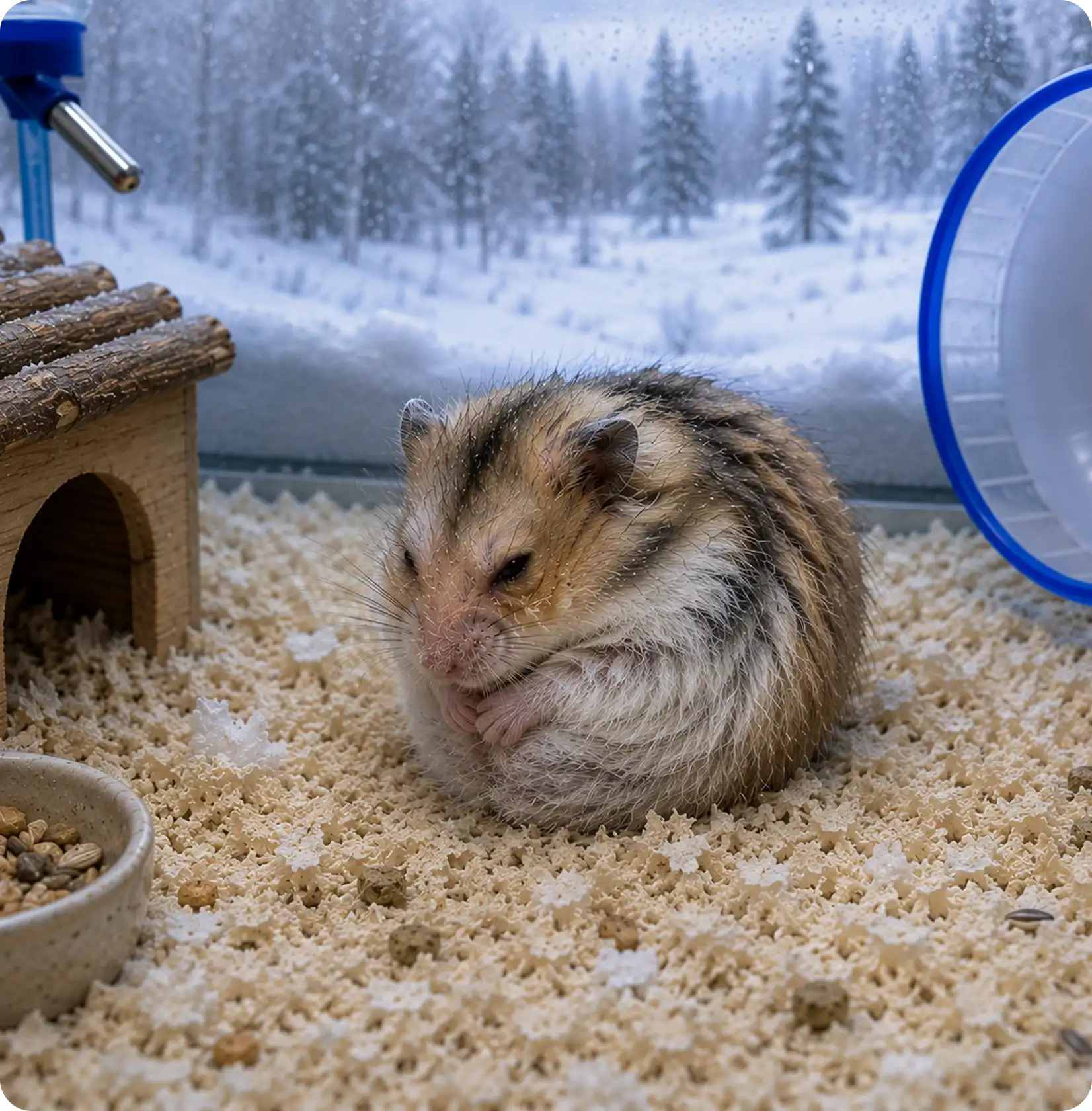
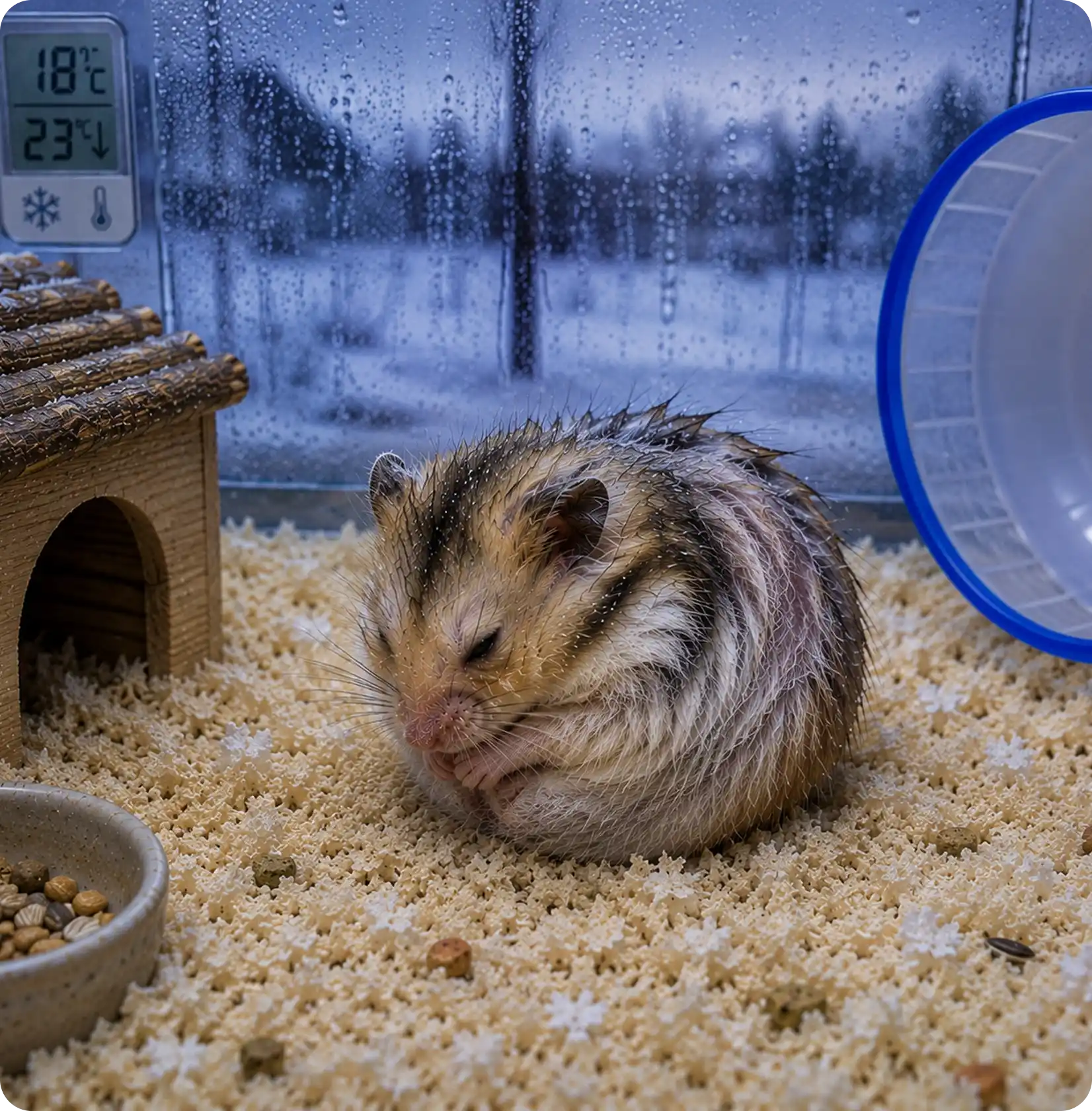
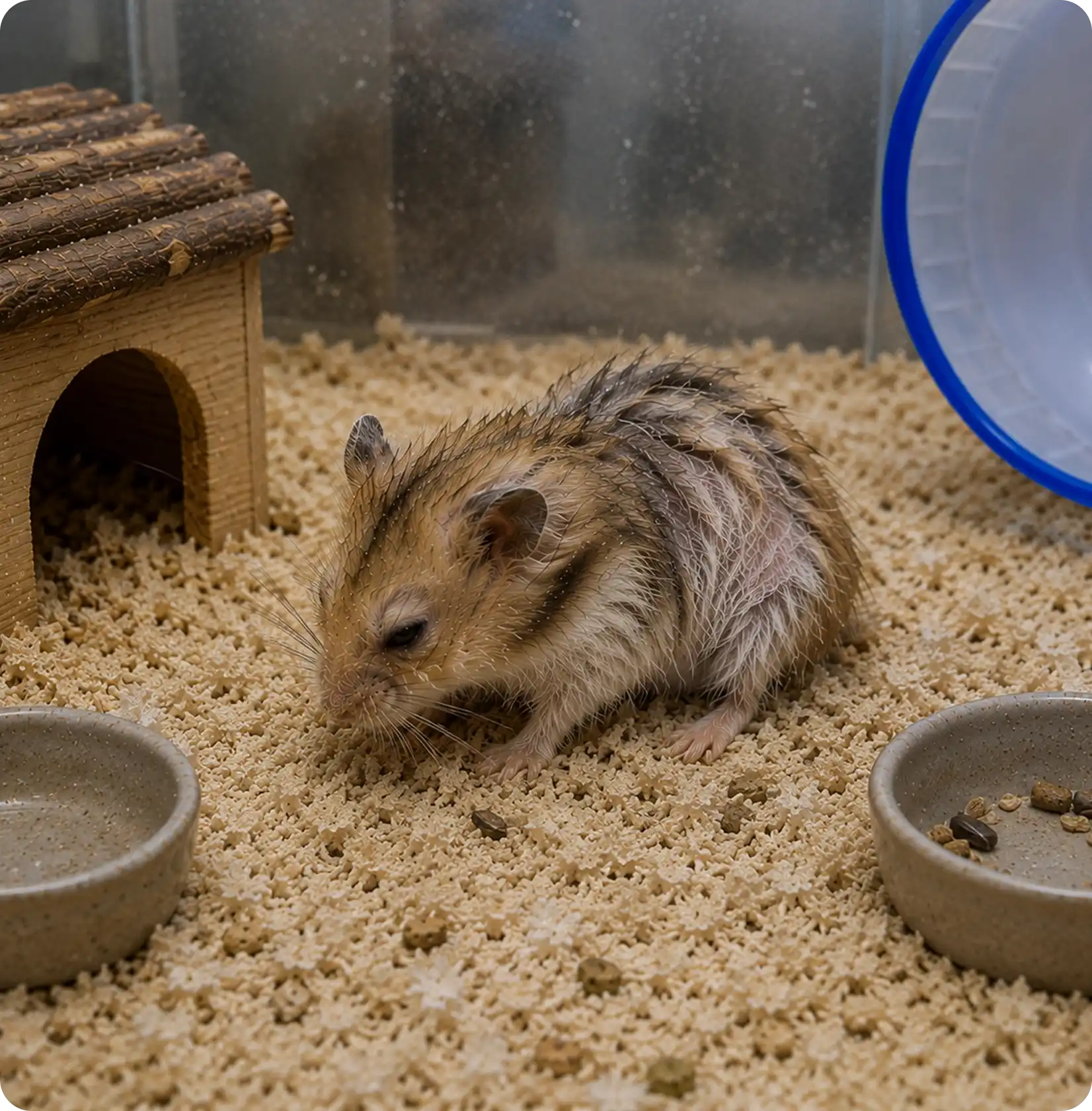
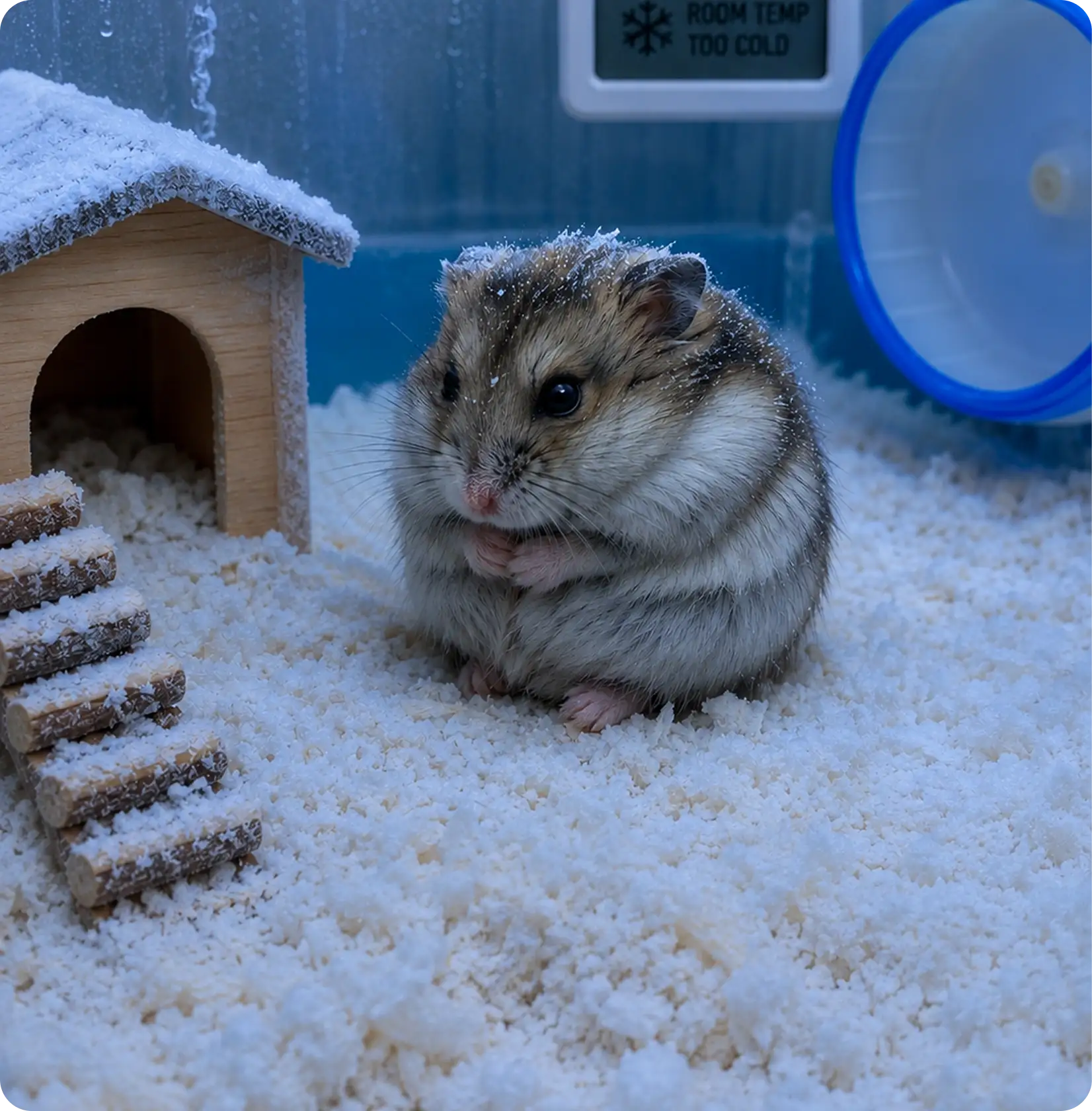
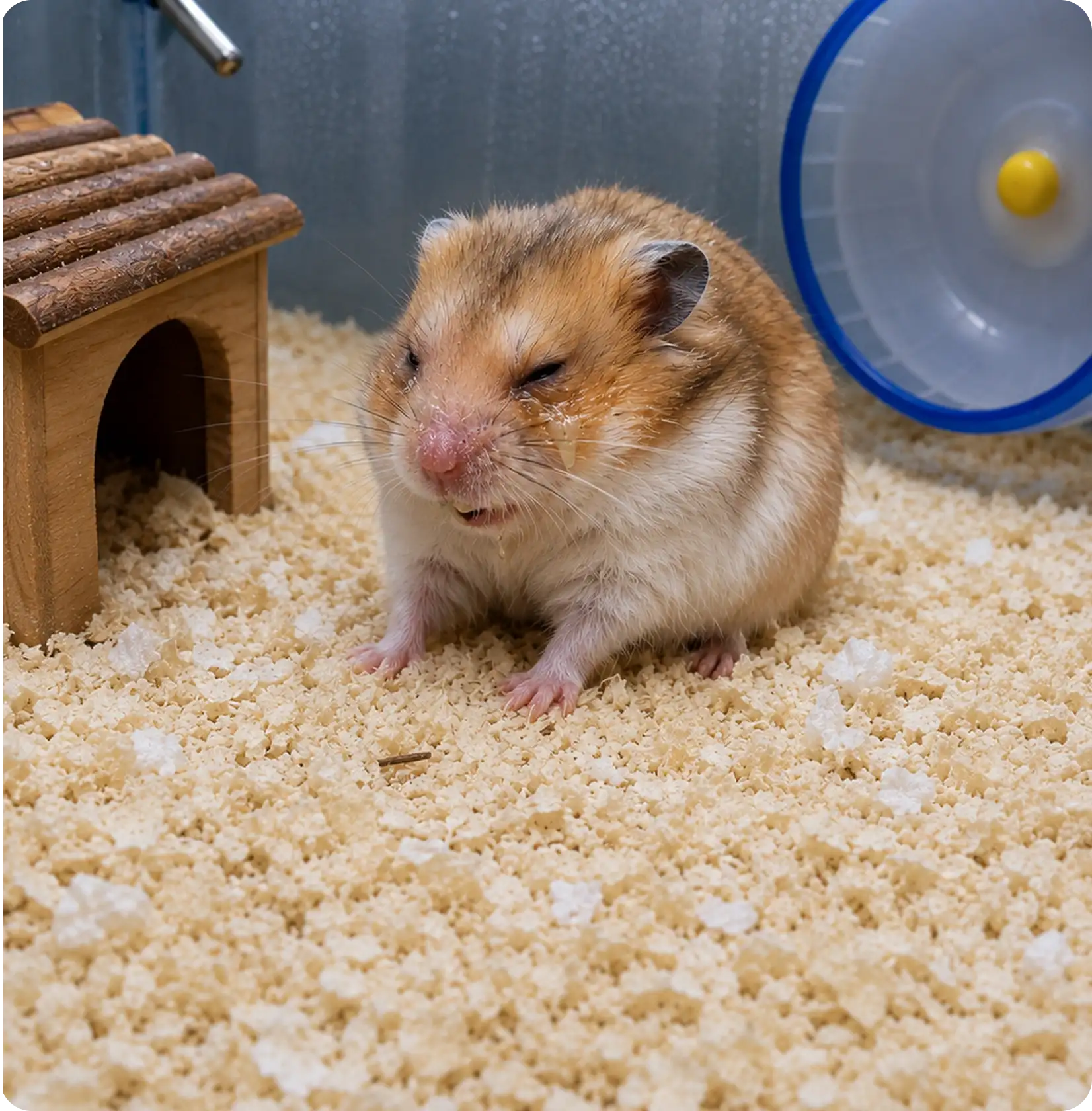
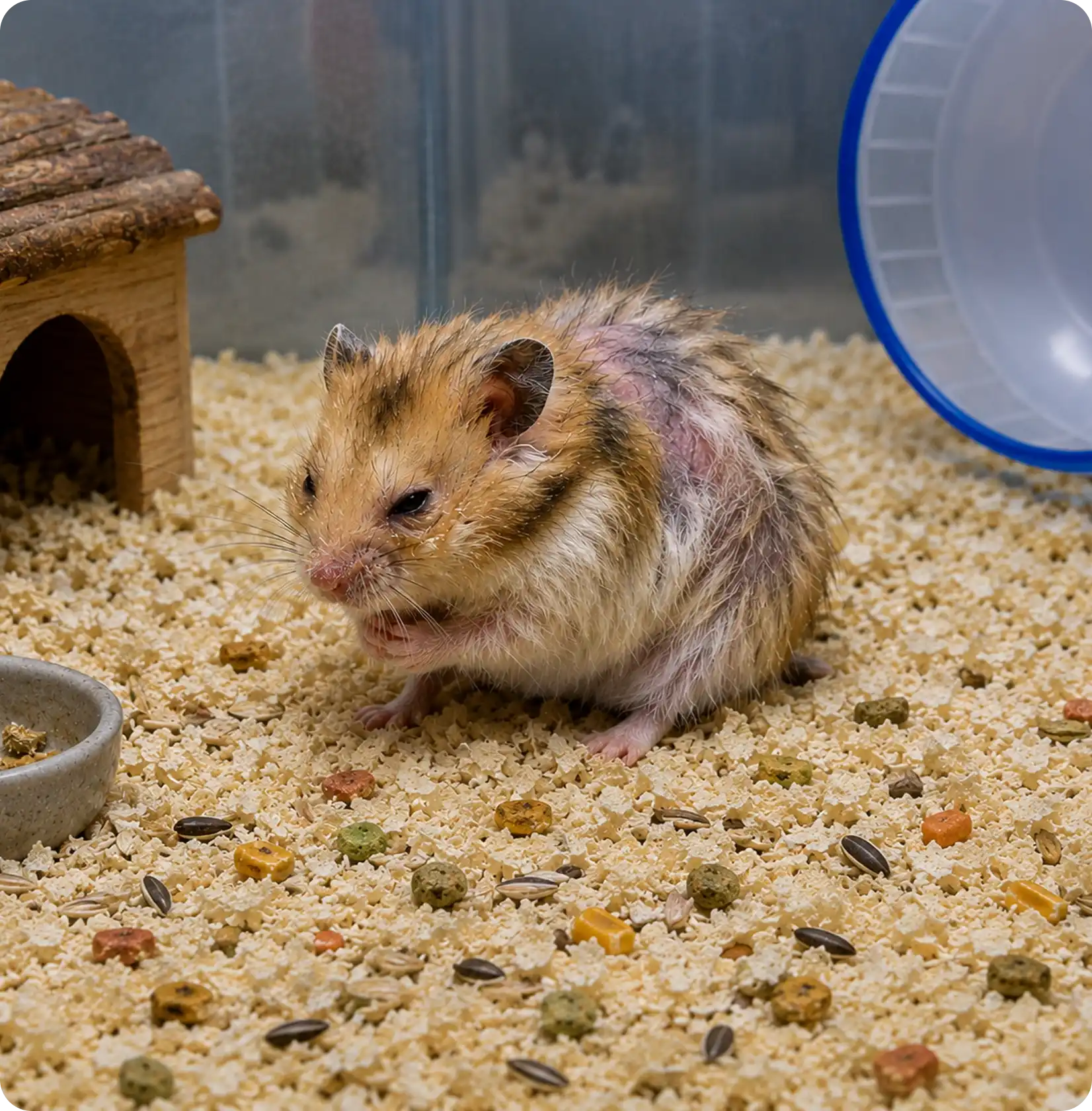
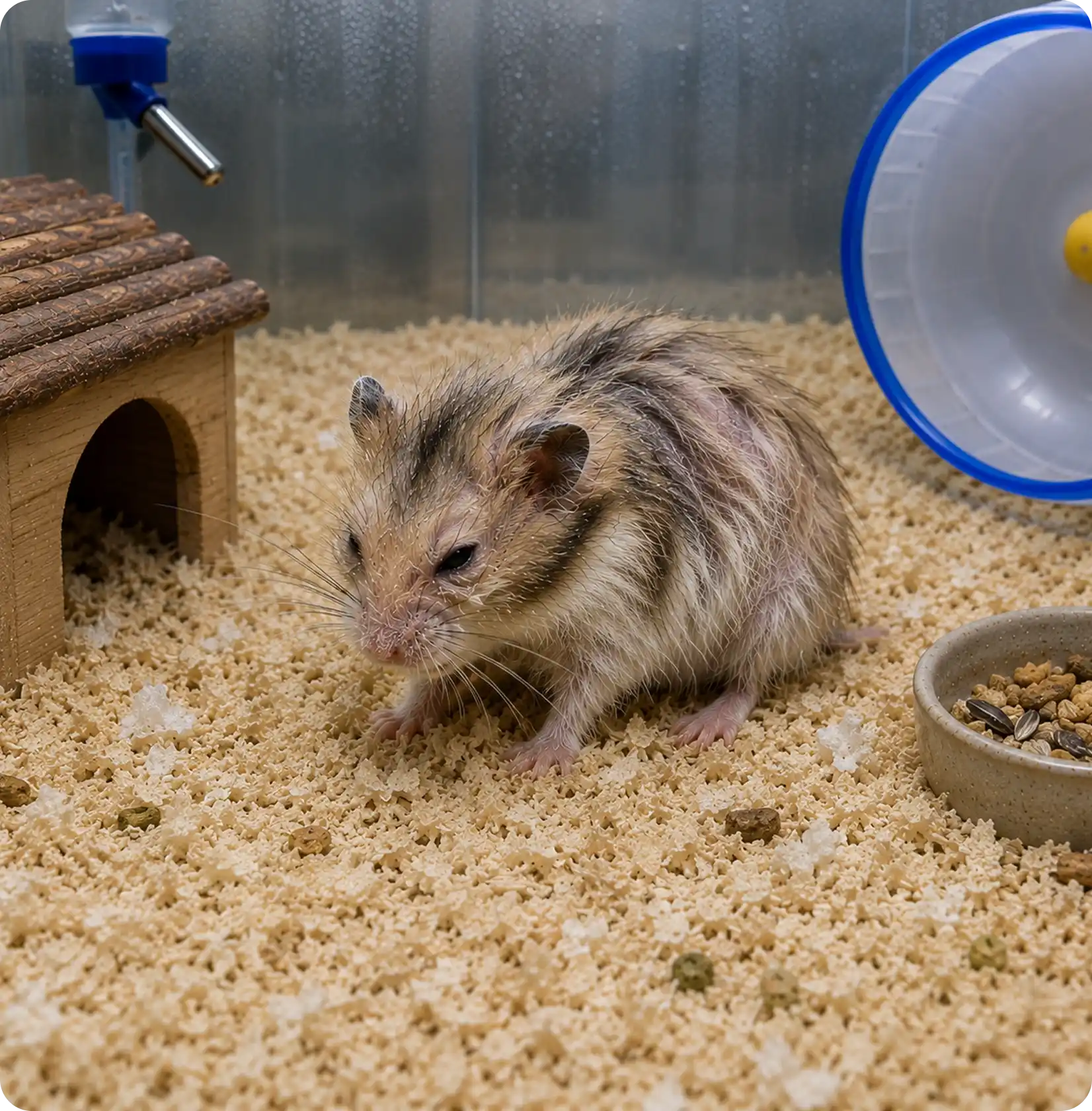
How To Tell If Your Hamster Is In Torpor Vs. Sick

Reduced Activity Levels
Affected hamsters commonly exhibit prolonged inactivity, reduced engagement with their environment and decreased exploration.

Excessive Sleeping
Excessive sleeping indicates torpor, metabolic dysfunction, systemic illness or underlying physiological compromise.

Reduced Appetite and Water Intake
Lethargy in hamsters often accompanies anorexia, hyporexia and decreased fluid consumption, increasing the risk of dehydration.

Cold Body Temperature
Hypothermia commonly accompanies torpor and results in cool extremities, slowed physiological processes and reduced responsiveness.

Slow or Minimal Responsiveness
Torpor/lethargy in hamsters generally leads to unresponsiveness to external stimuli, reduced metabolic activity and underlying systemic disease.

Weight Loss and Physical Weakness
Chronic lethargy leads to reduced body condition, muscle wasting and physiological collapse.
Why Pet Parents Choose Conbun

24/7 Availability
Access 24/7 vet consultation through our online pet health platform, ensuring expert veterinary support whenever your pet requires immediate medical guidance.

Response in 30s
Receive an Instant Vet Consultation for urgent concerns, or schedule a remote vet appointment to get digital pet health advice for non-urgent cases.

10k+ Happy Pet Parents
Trusted by Indian pet owners for compassionate remote animal care, expert consultations, and reliable veterinary guidance across diverse pet species.

100+ verified vets
Consult experienced BVSc & MVSc Vets through secure online vet consultation, delivering evidence-based treatment recommendations and personalised care for every pet.
24/7 Availability
Access 24/7 vet consultation through our online pet health platform, ensuring expert veterinary support whenever your pet requires immediate medical guidance.
Get Help for Your Pet in Just a Few Simple Steps
Install Conbun and create your pet’s profile so we can understand them better.
Describe symptoms, upload photos if needed, and get quick online pet health advice from verified vets.
Talk to a vet online in just 30 seconds or schedule an appointment for later.



How To Prevent Your Hamster From Slipping Into Torpor?
Explore expert-backed care tips, health advice, and practical recommendations to help your hamster stay happy, healthy, and active every day.
Consult Now
Maintain an Appropriate Ambient Temperature
Keep your hamster's room consistently between 18°C and 24°C (65°F to 75°F). Use room heaters or radiators if you live in a cold region. Consistent enclosure temperatures help prevent torpor, hypothermia, metabolic suppression, and temperature-related physiological stress responses.

Provide a Nutritionally Balanced Diet
Provide a balanced diet consisting of 75-80% of high-quality pellets and 15-20% of fruits & vegetables. Adequate caloric intake and essential nutrients enhance metabolism, energy production, and overall physiological function in hamsters.

Ensure Continuous Access to Fresh Water
Ensure continuous access to fresh water as hydration supports circulatory function, cellular metabolism and reduces the risk of dehydration-associated lethargy.

Monitor Body Weight Regularly
Monitor body weight regularly to identify early signs of metabolic dysfunction, malnutrition and progressive deterioration.

Minimise Environmental Stressors
Reduce excessive handling, overcrowding, and sudden habitat changes to maintain normal behavioural activity and physiological stability.

Schedule Routine Health Assessments
Routine health assessments facilitate early detection of systemic disease, age-related conditions and disorders causing lethargy.
Maintain an Appropriate Ambient Temperature
Keep your hamster's room consistently between 18°C and 24°C (65°F to 75°F). Use room heaters or radiators if you live in a cold region. Consistent enclosure temperatures help prevent torpor, hypothermia, metabolic suppression, and temperature-related physiological stress responses.
Provide a Nutritionally Balanced Diet
Provide a balanced diet consisting of 75-80% of high-quality pellets and 15-20% of fruits & vegetables. Adequate caloric intake and essential nutrients enhance metabolism, energy production, and overall physiological function in hamsters.
When To Get A Virtual Vet Consultation Immediately?

Unresponsive or Difficult to Arouse
Unresponsiveness indicates severe hypothermia (Dangerously low body temperature)

Refusal to Eat or Drink
Increases the risk of metabolic compromise and dehydration.

Very Cold Body Temperature
Hypothermia suggests torpor or systemic disease.
Unresponsive or Difficult to Arouse
Unresponsiveness indicates severe hypothermia (Dangerously low body temperature)
Refusal to Eat or Drink
Increases the risk of metabolic compromise and dehydration.





Frequently Asked Questions
Yes. Hamsters can recover from torpor if they are warmed gradually and the underlying cause is addressed. Torpor is a temporary/involuntary state where metabolic activity is reduced. However, prolonged torpor or severe hypothermia may become life-threatening without prompt intervention.
Move your hamster to a quiet, warm environment and increase the ambient temperature gradually. Avoid sudden heating, excessive handling or forcing food/water. If your hamster remains weak or unresponsive, seek immediate veterinary guidance.
A hamster in torpor appears unusually still, difficult to wake and cold to touch. Heart rate and breathing are significantly slower. Unlike death, hamsters in torpor show subtle signs of life upon close observation.
A lethargic hamster sleeps more, moves slowly and shows no interest in food or daily activities. It appears weak and shows low reactivity to external stimuli. Lethargy is often a sign of an underlying health problem.
Yes. Conbun helps you connect with an experienced hamster doctor online for immediate guidance if your hamster appears lethargic or is suspected to have entered torpor. A veterinary doctor can help you distinguish torpor from illness, advise on safe warming techniques, monitor for warning signs and determine whether urgent in-person care is needed.
Conbun – Your Trusted Pet Consult App for Dogs & Cats
Lethargy and torpor in hamsters should never be ignored. A hamster that is unusually inactive, difficult to wake, cold or refuses food and water may be experiencing torpor, hypothermia or an underlying medical condition requiring prompt veterinary attention. Early intervention is very important to prevent complications and ensure a safe recovery.
Conbun helps you connect with a hamster vet online and receive timely guidance from experienced veterinarians without leaving your home. Whether you are unsure if your hamster is in torpor or showing behaviour changes, expert advice can help you take the right steps quickly.
Conbun combines convenient telemedicine for pets with expert vet support, helping pet parents understand the symptoms, monitor recovery and determine when emergency care is required.
Through Digital pet health advice, veterinarians can guide you on safe warming measures, hydration, and ongoing care.
Need help immediately? Book an Online vet appointment through Conbun and get trusted veterinary guidance whenever your hamster needs expert care.