
Is Your Hamster Sneezing or Wheezing? Connect with a Vet Online
Hamster respiratory infections can turn severe in a matter of hours. If your hamster is struggling to breathe, lethargic, or has a runny nose, skip the waiting room. Get a fast, expert assessment and care plan from a verified online hamster veterinarian-available 24/7, right from your home.
Consult Now
What Causes A Hamster Respiratory Infection?
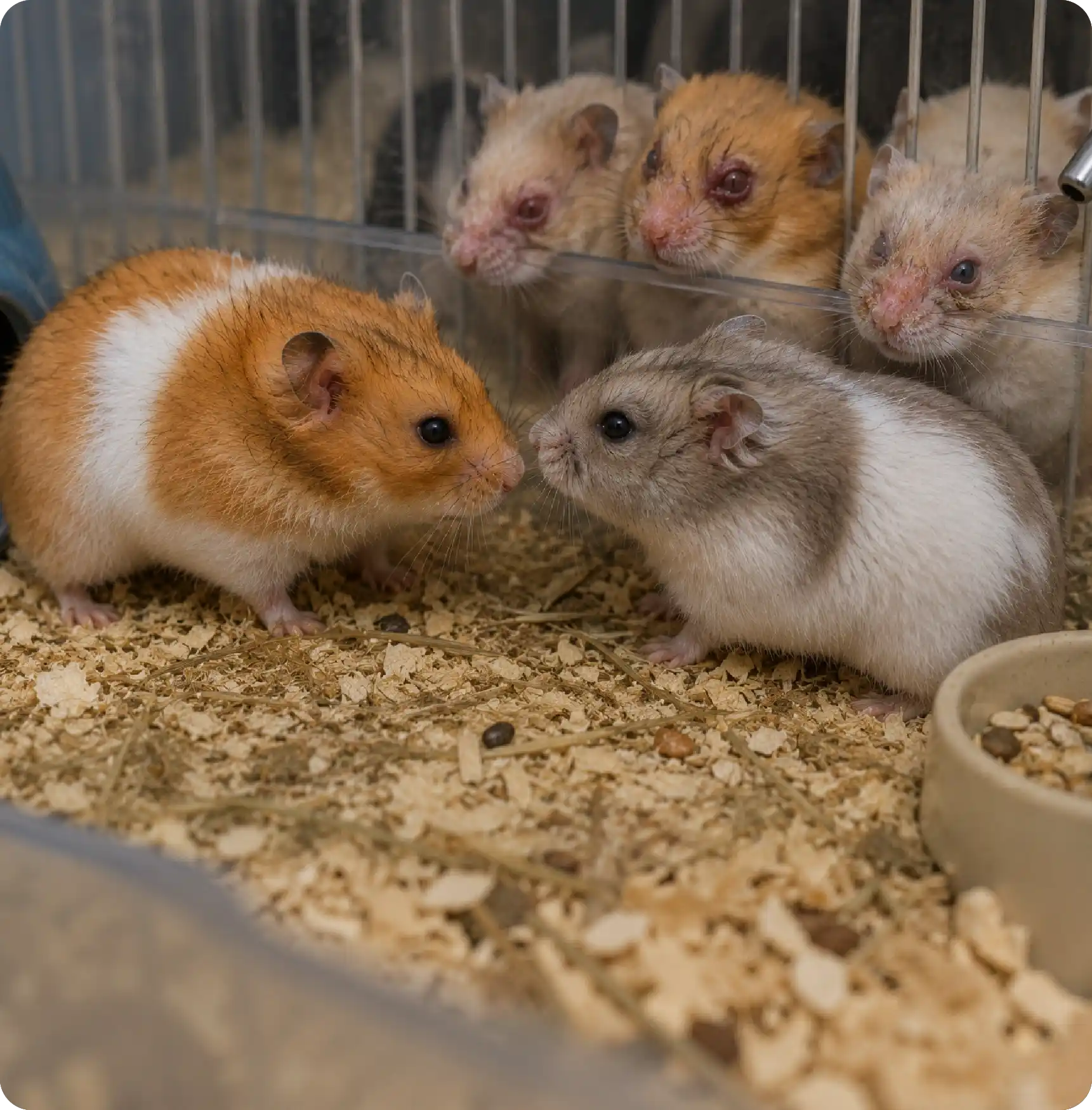
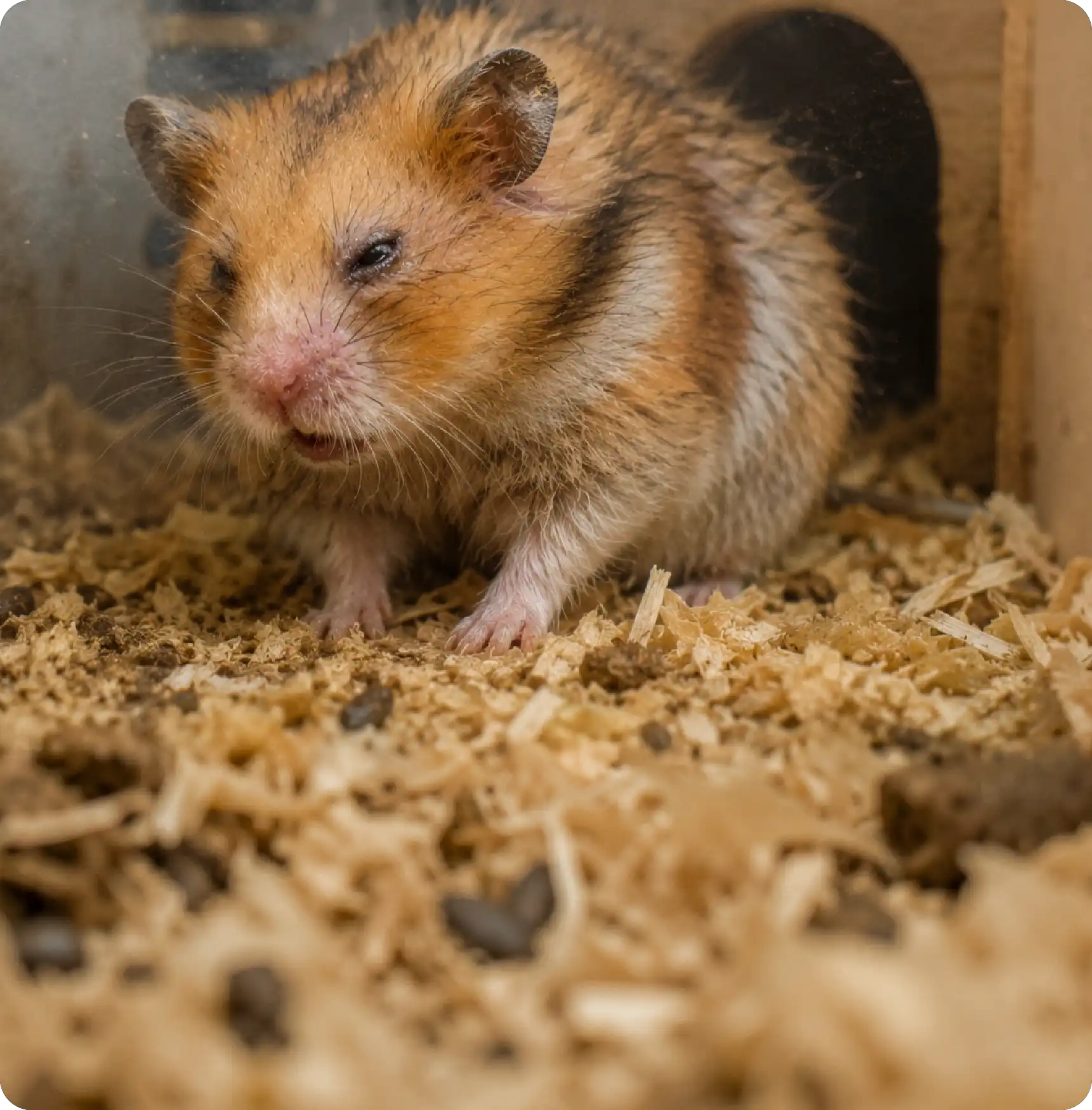
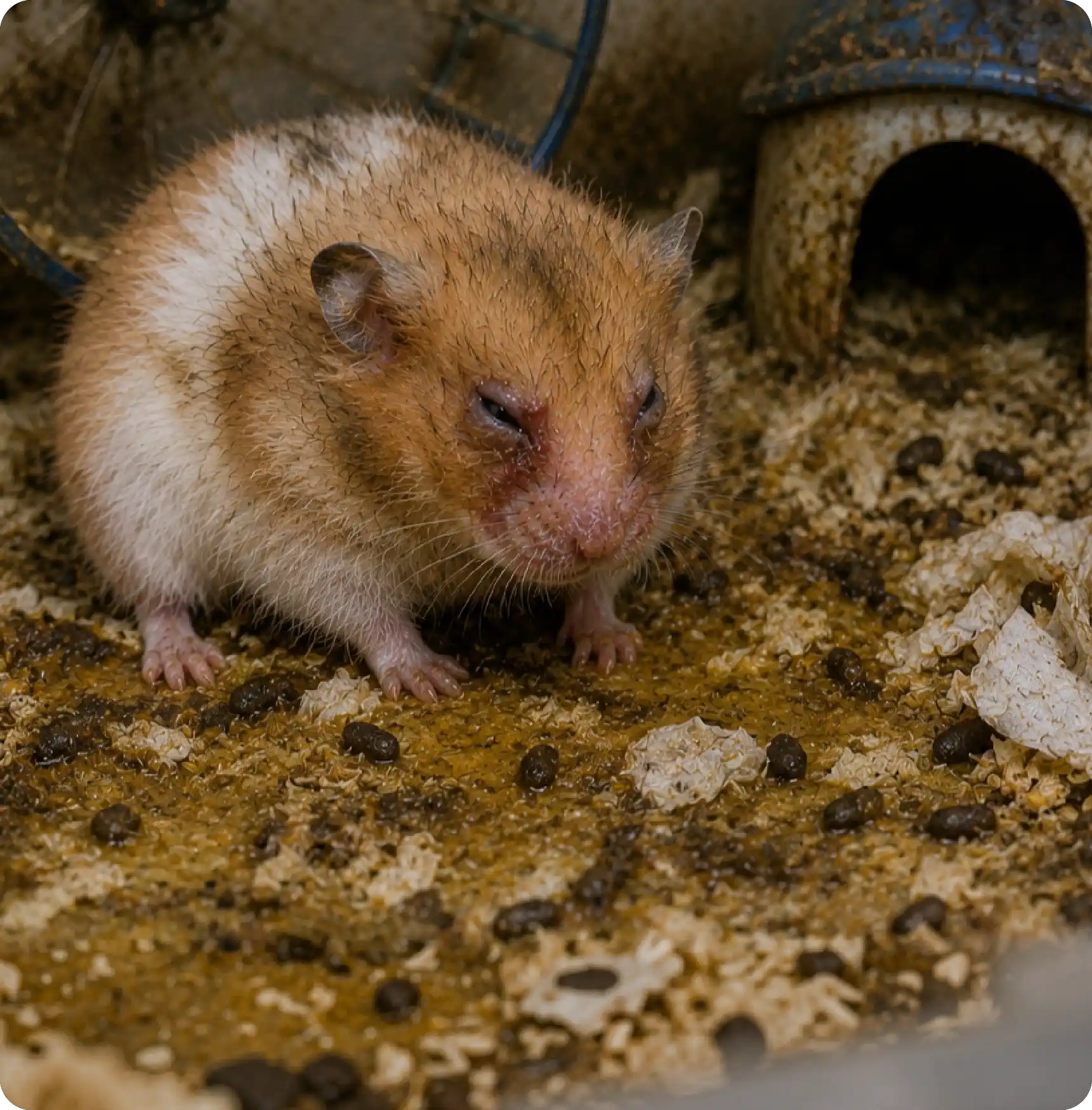

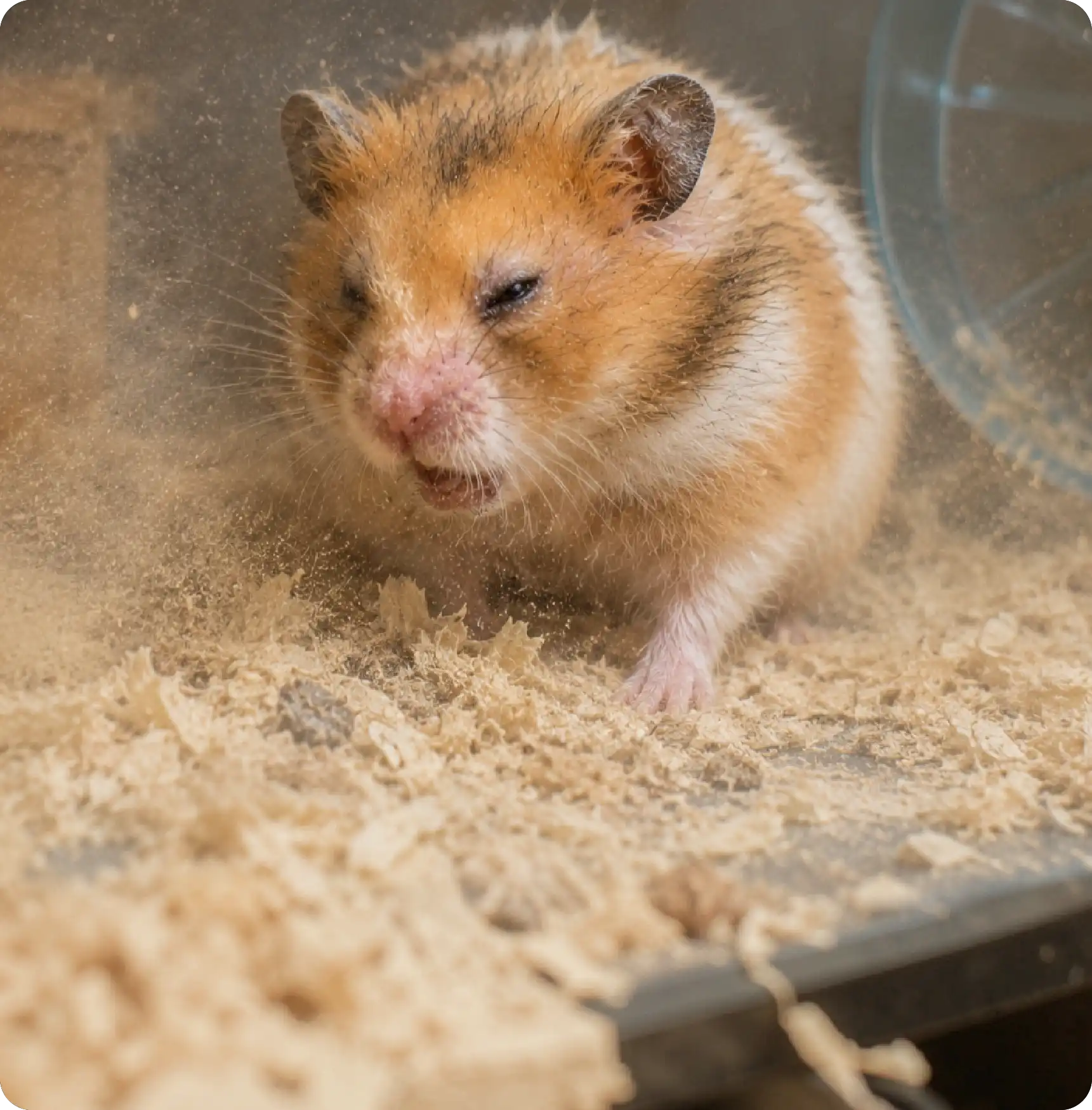
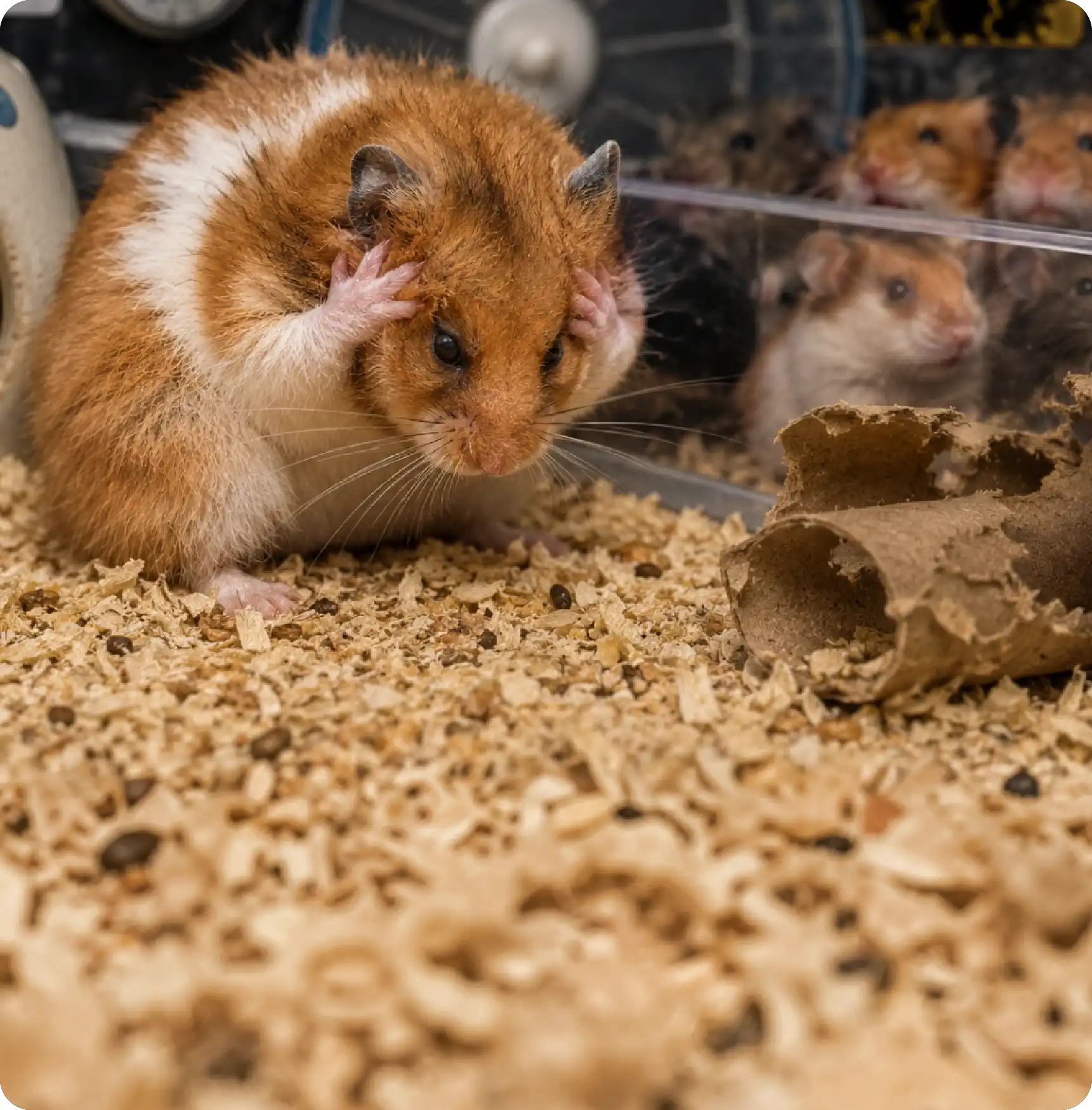
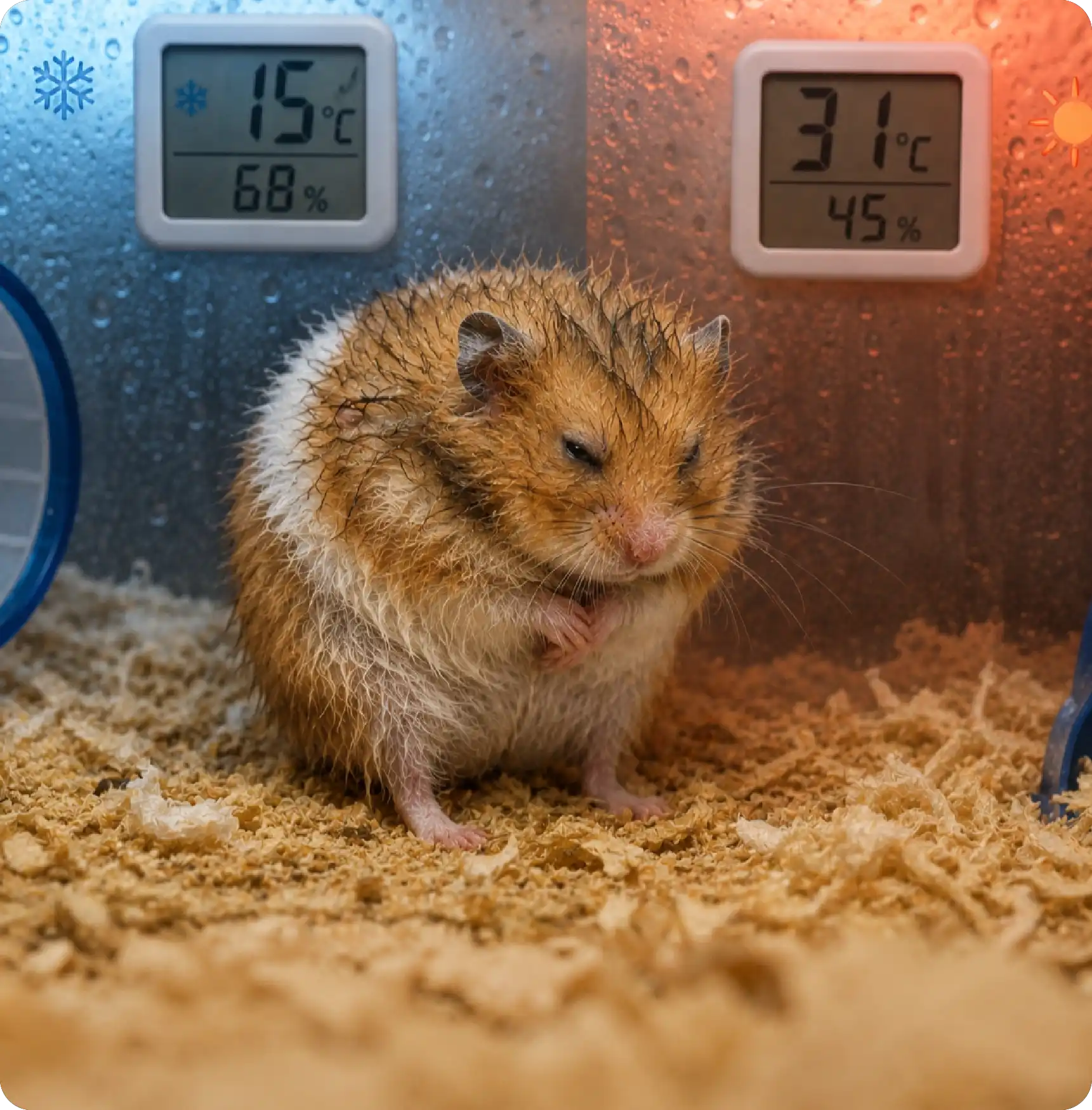
Signs Your Hamster Has A Cold Or Respiratory Infection
.svg)
Sneezing (Most Common Sign)
Frequent sneezing indicates infectious disease, respiratory tract irritation or inflammation affecting the upper airways.

Nasal Discharge
Serous or mucopurulent nasal discharge indicates the presence of a bacterial infection, respiratory inflammation or progressive upper respiratory disease.

Laboured or Noisy Breathing
Audible respiratory sounds, increased respiratory effort, or dyspnoea may indicate significant lower respiratory tract involvement.

Lethargy and Reduced Activity
Affected hamsters frequently exhibit lethargy, decreased mobility, and diminished interaction due to respiratory compromise and discomfort.

Reduced Appetite
Respiratory illness commonly causes anorexia, decreased food intake, and subsequent weight loss due to systemic illness.

Watery or Discharge-Filled Eyes
Ocular discharge and excessive tearing are generally followed by respiratory infections affecting adjacent anatomical structures and mucosal tissues.
Why Pet Parents Choose Conbun

24/7 Availability
Access 24/7 vet consultation through our online pet health platform, ensuring expert veterinary support whenever your pet requires immediate medical guidance.

Response in 30s
Receive an Instant Vet Consultation for urgent concerns, or schedule a remote vet appointment to get digital pet health advice for non-urgent cases.

20k+ happy pet parents
Trusted by Indian pet owners for compassionate remote animal care, expert consultations, and reliable veterinary guidance across diverse pet species.

100+ verified vets
Consult experienced BVSc & MVSc Vets through secure online vet consultation, delivering evidence-based treatment recommendations and personalised care for every pet.
24/7 Availability
Access 24/7 vet consultation through our online pet health platform, ensuring expert veterinary support whenever your pet requires immediate medical guidance.
Get Help for Your Pet in Just a Few Simple Steps
Install Conbun and create your pet’s profile so we can understand them better.
Describe symptoms, upload photos if needed, and get quick online pet health advice from verified vets.
Talk to a vet online in just 30 seconds or schedule an appointment for later.



Expert Tips To Prevent Hamster Respiratory Illnesses
Explore expert-backed care tips, health advice, and practical recommendations to help your hamster stay happy, healthy, and active every day.
Consult Now
Maintain Proper Enclosure Ventilation
Offer proper ventilation to minimise the risk of airborne pathogen accumulation and mucosal irritation caused by poor environmental conditions.

Choose Low-Dust Bedding Materials
Use dust-free bedding to prevent airway inflammation and chronic exposure to particulate matter within the living space.

Maintain Stable Environmental Temperatures
Maintain consistent temperatures to support respiratory health. It also reduces physiological stress that may increase susceptibility to infectious disease.

Practice Regular Enclosure Sanitation
Consistent cleaning decreases microbial contamination, ammonia accumulation and environmental pathogens associated with respiratory tract infections.

Quarantine Newly Acquired Hamsters
Temporary isolations in multi-pet homes can prevent the transmission of contagious respiratory pathogens and protect healthy animals from infectious exposure.

Support Immune Function with Proper Nutrition
Provide a balanced hamster diet consisting of 75-80% commercial pellets, 15-20% fresh vegetables, and 5% treats like occasional fruits or nuts to support immune competence and enhance resistance against respiratory infections.
Maintain Proper Enclosure Ventilation
Offer proper ventilation to minimise the risk of airborne pathogen accumulation and mucosal irritation caused by poor environmental conditions.
Choose Low-Dust Bedding Materials
Use dust-free bedding to prevent airway inflammation and chronic exposure to particulate matter within the living space.
When Should I Take My Hamster To The Vet for Breathing Issues?

Laboured or Open-Mouth Breathing
Open mouth breathing indicates respiratory compromise requiring immediate veterinary intervention.

Persistent Nasal Discharge
Nasal discharge signifies bacterial respiratory tract infection.

Refusal to Eat or Drink
The most common sign of advanced systemic illness.
Laboured or Open-Mouth Breathing
Open mouth breathing indicates respiratory compromise requiring immediate veterinary intervention.
Persistent Nasal Discharge
Nasal discharge signifies bacterial respiratory tract infection.



Frequently Asked Questions
Common symptoms of respiratory infection in hamsters include constant sneezing, nasal discharge, wheezing, panting or laboured breathing, watery eyes, lethargy, and refusal to eat. If your pet hamster has any of these symptoms, veterinary evaluation is advised.
Treatment of hamster respiratory infection depends on the underlying causes and the severity of the illness. It usually includes supportive care, medication guidance, supportive care and environmental adjustments. Early intervention is important for recovery.
While you can provide supportive care at home, such as maintaining a clean, warm and stress-free environment, it is not advisable to treat a hamster's respiratory infection at home. Such infections may worsen rapidly and often require prompt veterinary treatment.
Yes. Hamsters can successfully recover from respiratory infections if they are identified and treated early. However, a hamster with an advanced respiratory infection may develop serious complications if treatment is delayed.
Common health concerns in hamsters include dental disease, respiratory infections, skin disorders, digestive problems, parasitic infestations and age-related conditions. Consistent monitoring makes detection easier before problems escalate.
Yes. With Conbun, you can connect with experienced online vets to diagnose respiratory infection in your hamster, receive online medication guidance and get vet guidance on management tips.
Get Expert Help for Hamster Respiratory Infections with Conbun
Respiratory infections are among the most serious health conditions affecting hamsters. You should never ignore symptoms such as sneezing, nasal discharge, wheezing, lethargy, reduced appetite, and breathing difficulties, which can worsen rapidly without timely treatment. Prompt veterinary intervention is essential to prevent complications and support recovery.
Conbun, helps you connect with a certified Hamster vet online and receive professional guidance without leaving your home. Whether your pet is showing early symptoms of respiratory disease or requires urgent veterinary attention, expert help on the platform makes caring for your hamster easy.
Speak with a veterinary doctor for a hamster who can assess symptoms online, recommend appropriate care and advise whether in-person treatment is necessary. Consider taking an online vet consultation for hamsters for convenient access to experienced veterinarians through secure virtual vet care sessions.
Need immediate assistance? Conbun also offers a 24/7 video vet call option instantly, ensuring expert support is available anytime your hamster develops concerning respiratory symptoms.