
Has Your Guinea Pig Stopped Eating? Consult a Vet Online Instantly
Appetite loss in guinea pigs is often an early sign of serious illness, dental disease, gastrointestinal stasis, pain, or vitamin C deficiency. If your guinea pig has been refusing food or eating less than usual, prompt veterinary guidance is essential. Talk to an exotic pet veterinary doctor online through Online Vet Consultation on Conbun.
Consult Now
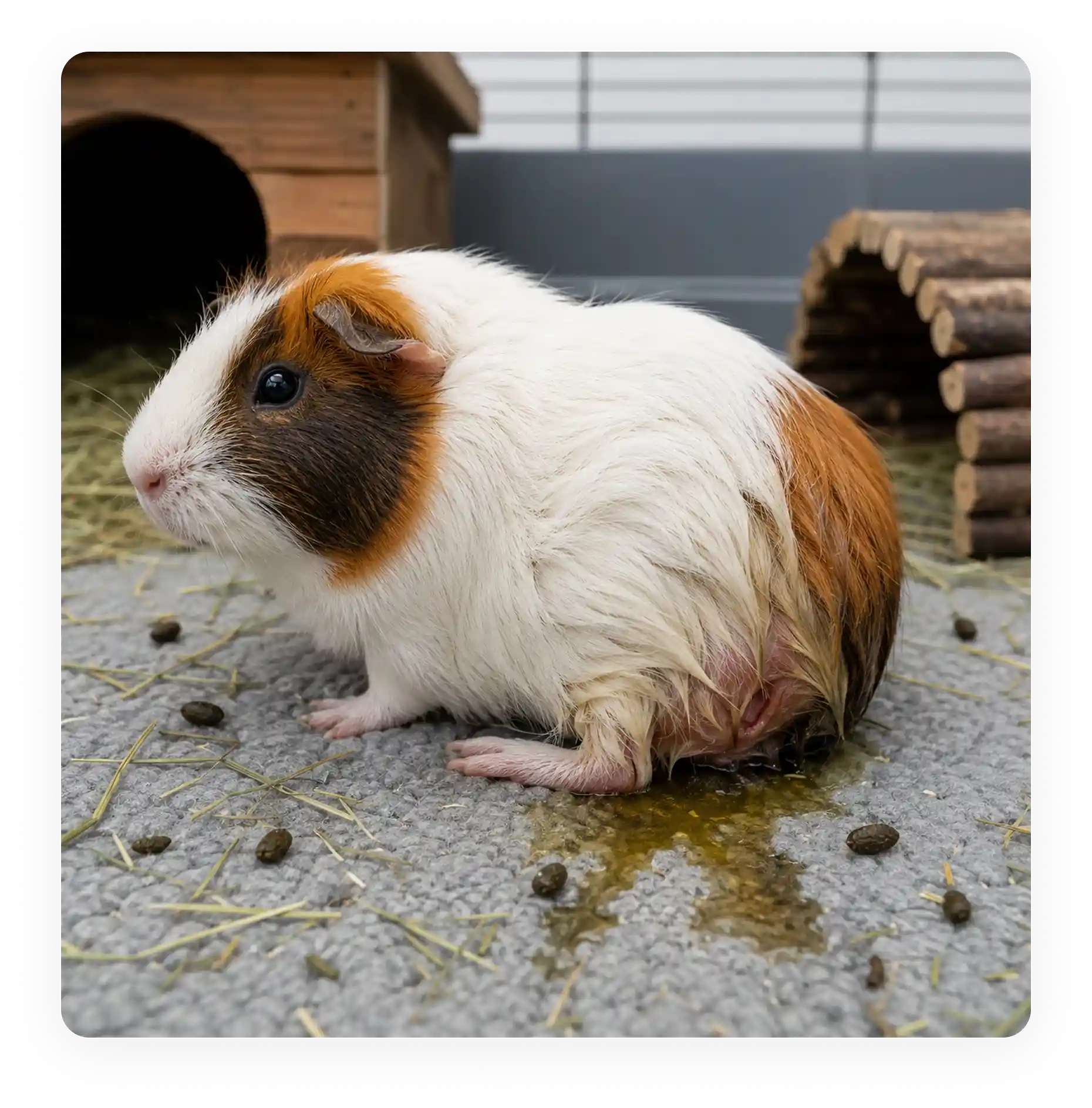
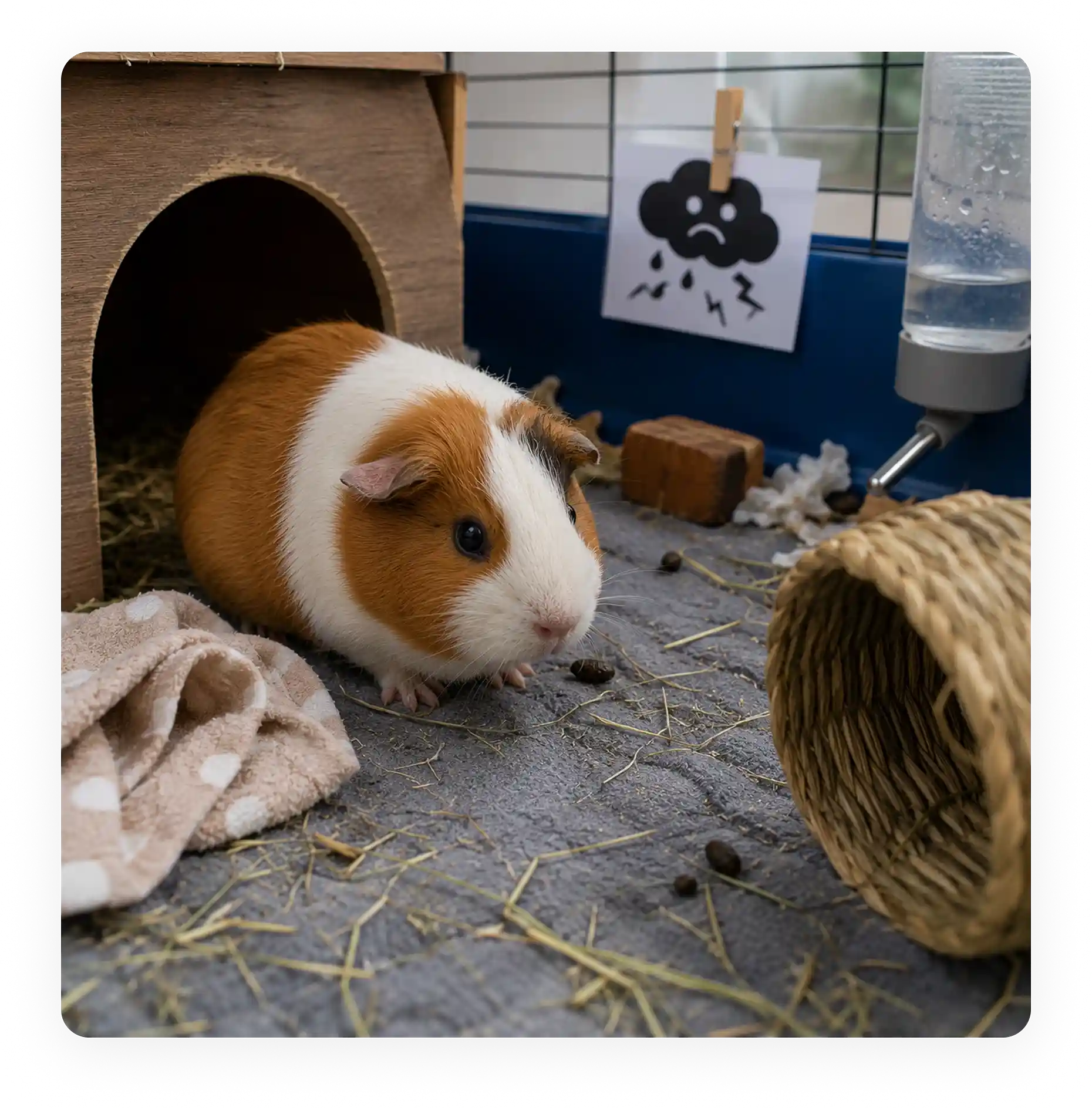
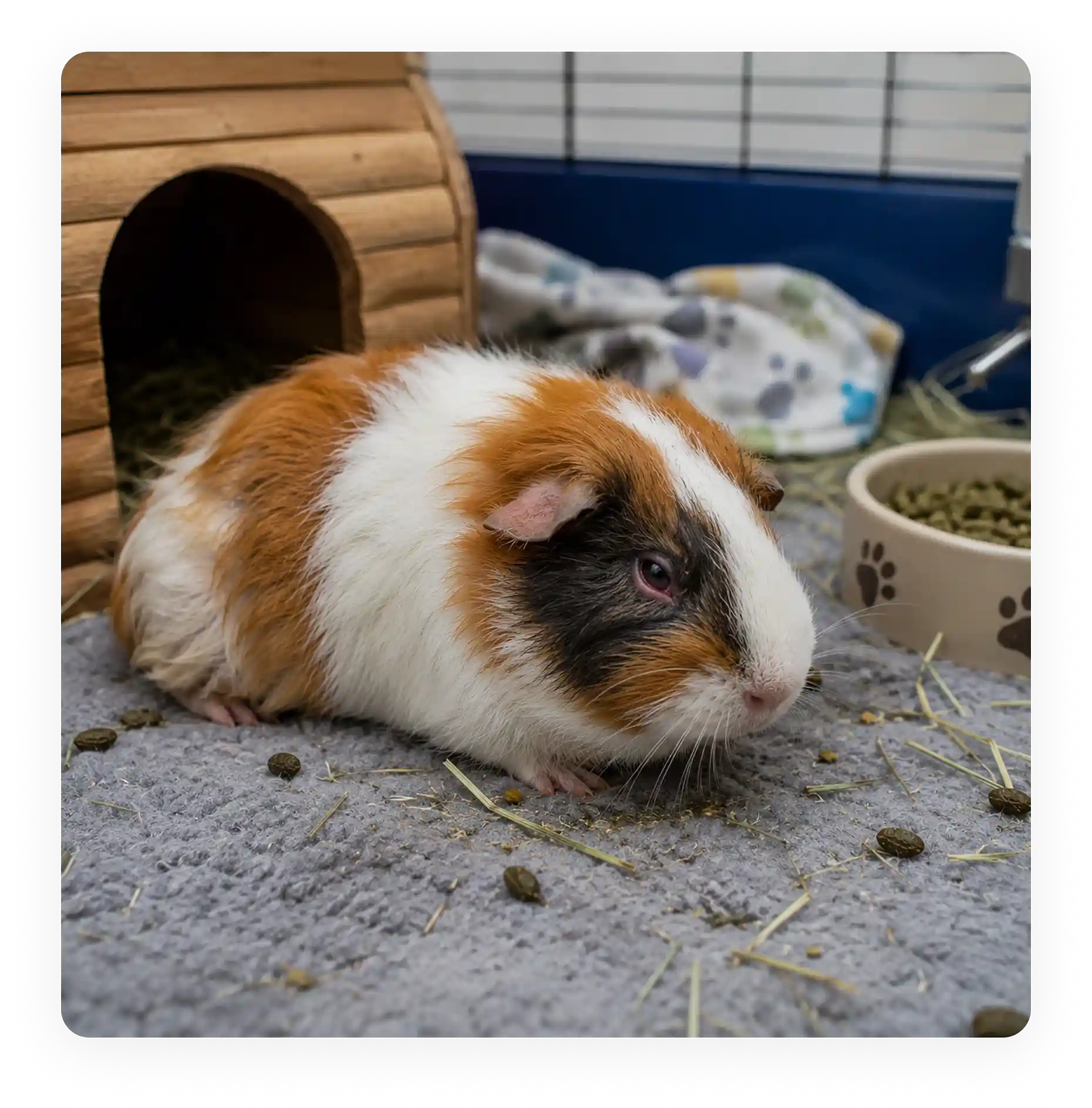
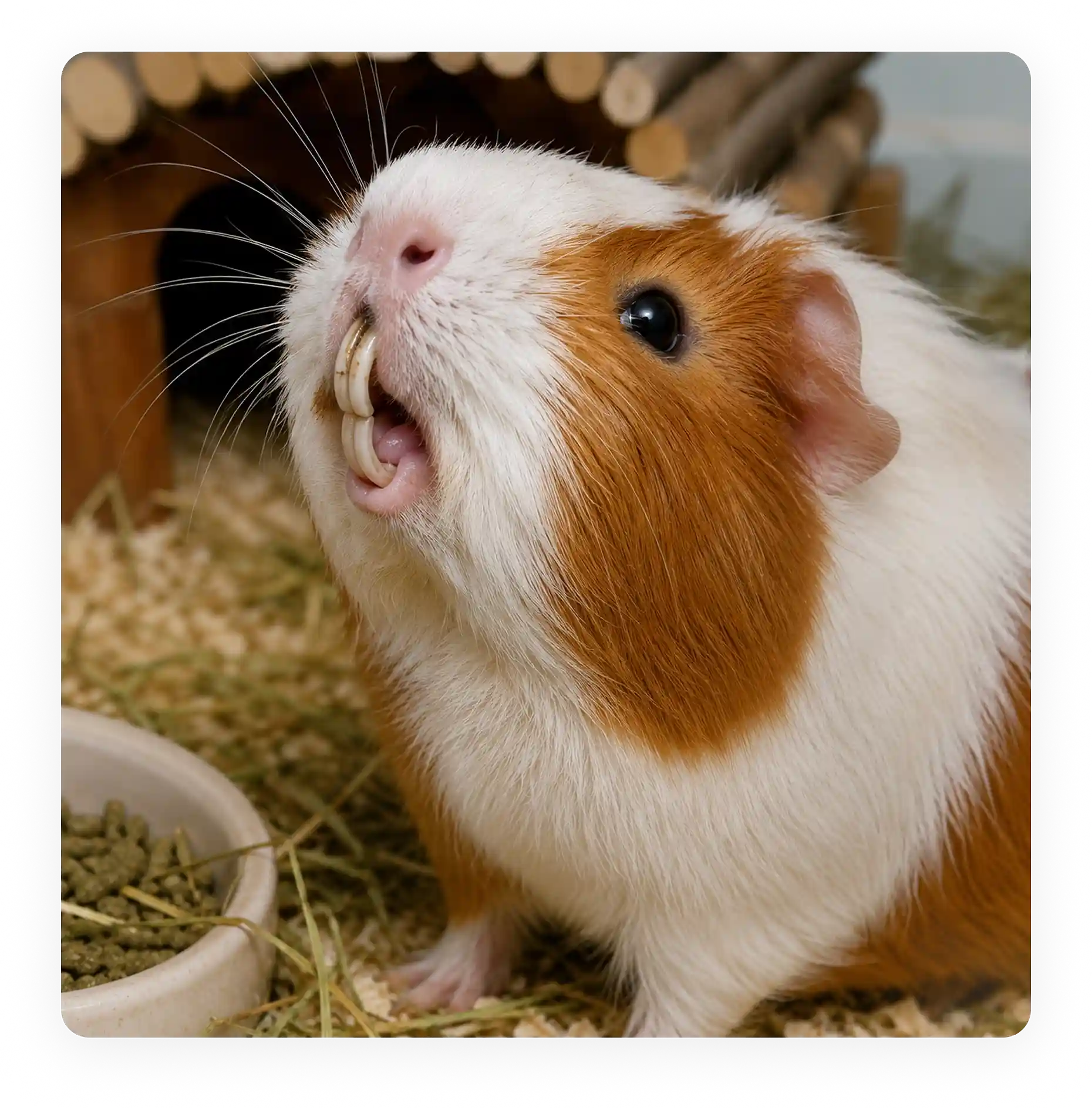
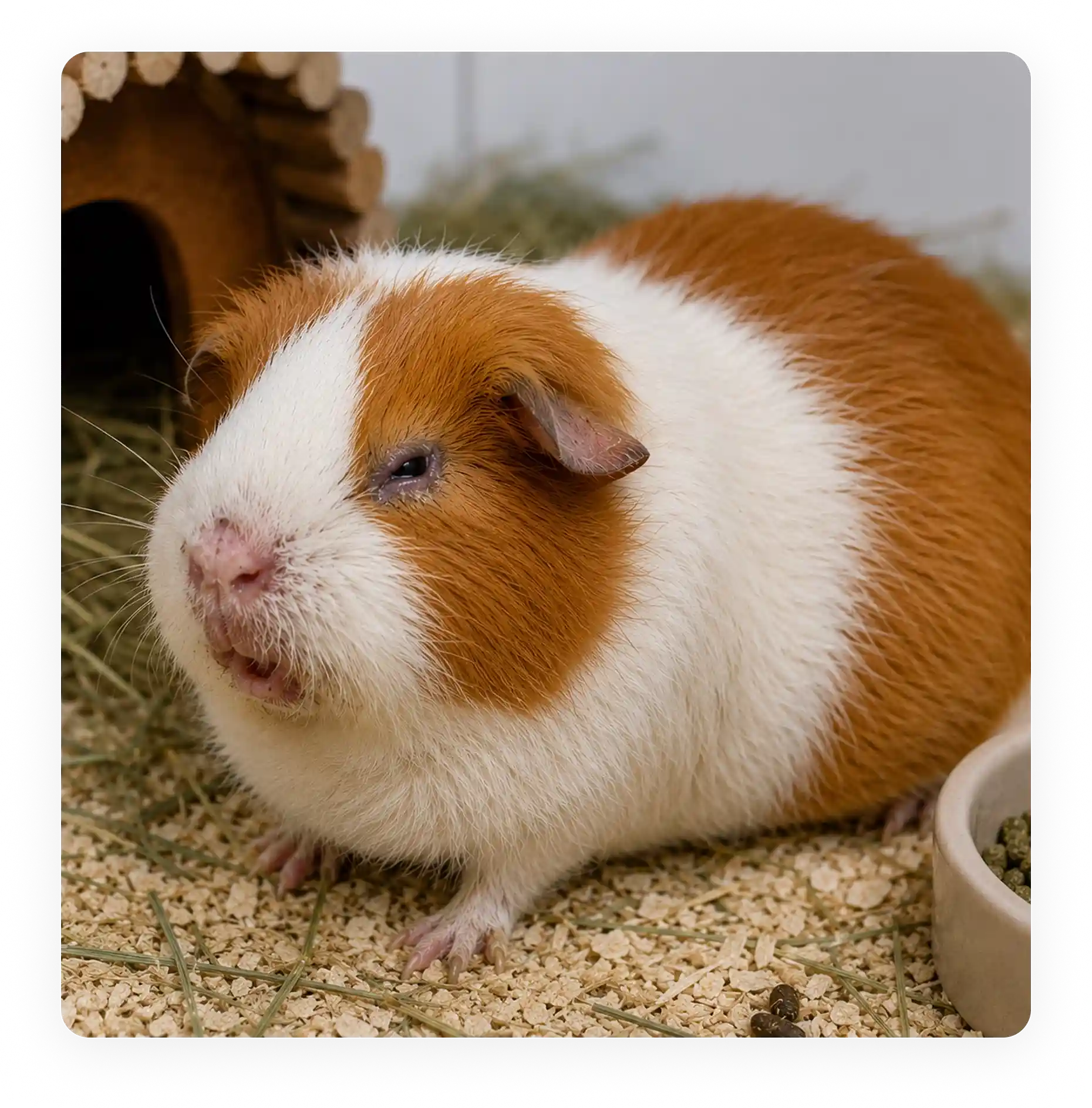
Common Causes Of Anorexia In Guinea Pigs
.webp)
Common Signs Of Appetite Loss In Guinea Pigs

Reduced or Complete Food Refusal
Hyporexia (decreased appetite) or anorexia (complete refusal to eat) are the earliest signs of underlying illnesses, dental disease or GI stasis.

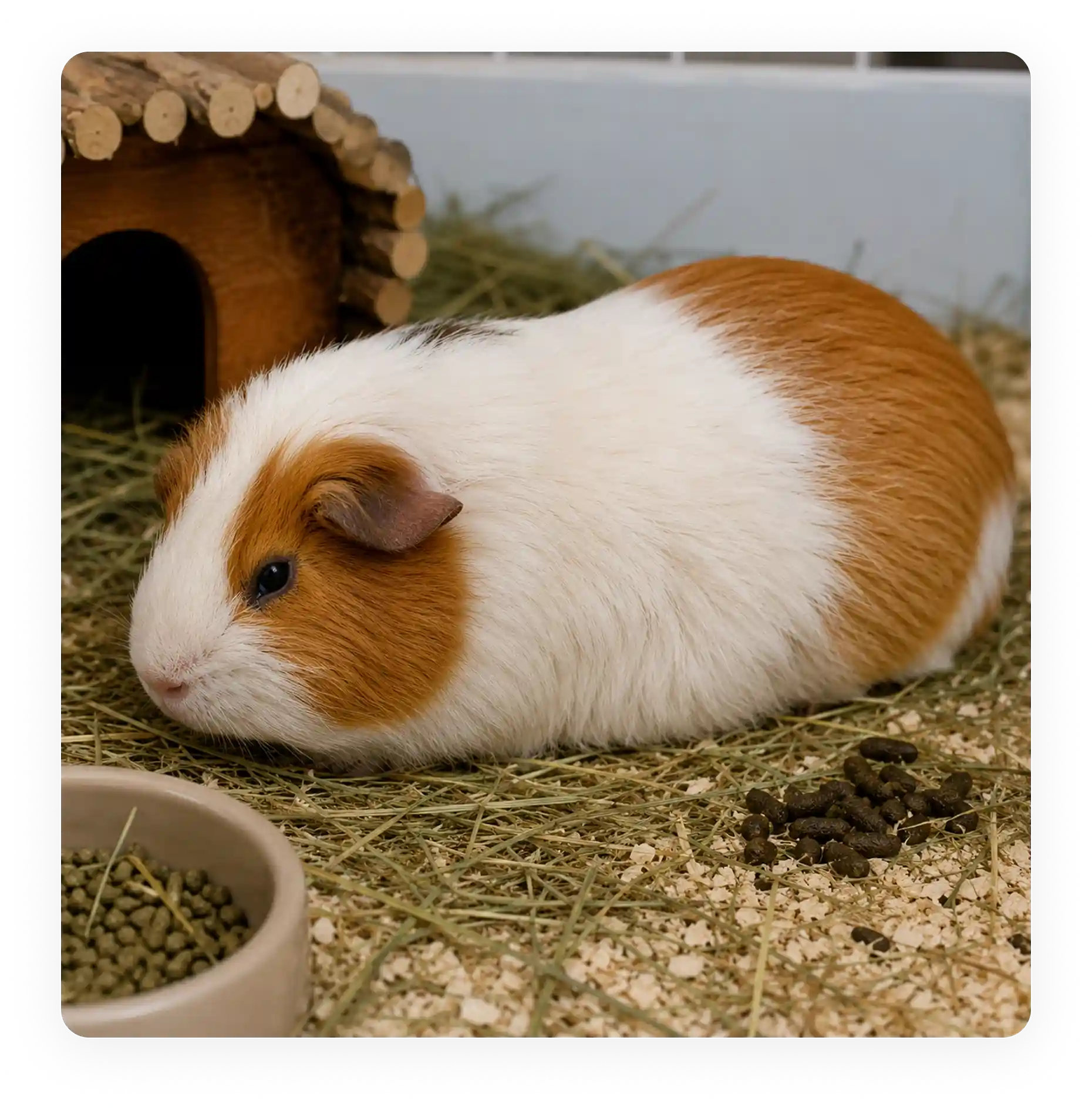
Decreased Faecal Pellet Production
Reduced faecal output is a sign of impaired gastrointestinal motility. It may also signal developing gastrointestinal stasis that requires immediate veterinary attention.

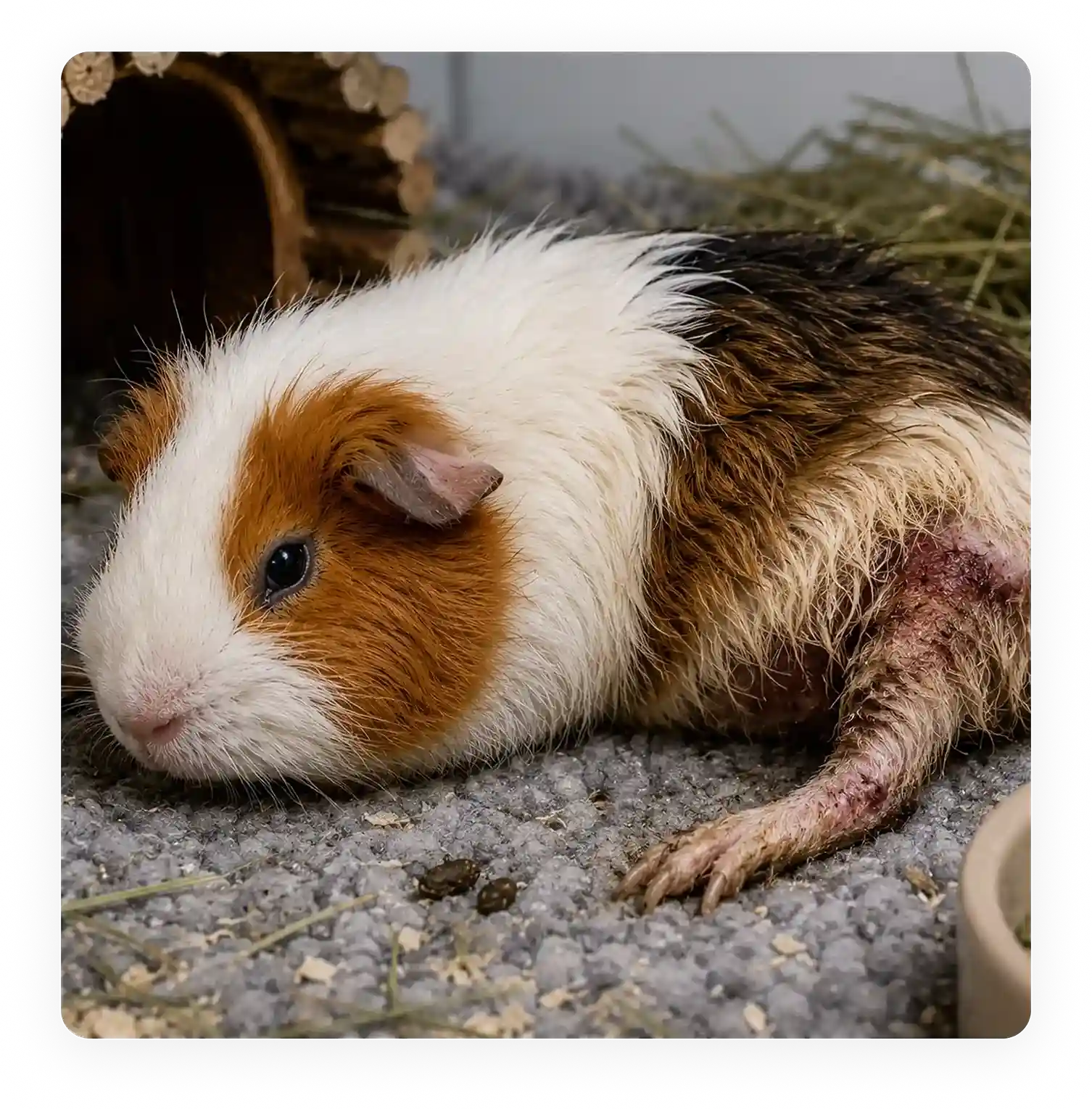
Weight Loss
Progressive reduction in body weight is a sign of prolonged nutritional deficiency, chronic illness or persistent anorexia in anorexia in guinea pigs.

Lethargy and Reduced Activity
Affected guinea pigs commonly exhibit weakness, reduced mobility, and diminished interaction due to pain or systemic disease.
.svg)
Teeth Grinding (Bruxism)
Persistent teeth grinding (bruxism) is an indicator of pain associated with dental disease, gastrointestinal discomfort or underlying pathological conditions.
Hunched Posture and Abdominal Discomfort
Reluctance to move and a hunched posture suggests gastrointestinal dysfunction, abdominal pain or severe systemic illness.
Why Do Pet Parents Choose Conbun?

24/7 Availability
Access 24/7 vet consultation through our online pet health platform, ensuring expert veterinary support whenever your pet requires immediate medical guidance.

Response in 30s
Receive an Instant Vet Consultation for urgent concerns, or schedule a remote vet appointment to get digital pet health advice for non-urgent cases.

10k+ Happy Pet Parents
Trusted by Indian pet owners for compassionate remote animal care, expert consultations, and reliable veterinary guidance across diverse pet species.

100+ Verified Vets
Consult experienced BVSc & MVSc Vets through secure online vet consultation, delivering evidence-based treatment recommendations and personalised care for every pet.
24/7 Availability
Access 24/7 vet consultation through our online pet health platform, ensuring expert veterinary support whenever your pet requires immediate medical guidance.
Get Help for Your Pet in Just a Few Simple Steps
Install Conbun and create your pet’s profile so we can understand them better.
Describe symptoms, upload photos if needed, and get quick online pet health advice from verified vets.
Talk to a vet online in just 30 seconds or schedule an appointment for later.



Help Prevent Appetite Loss In Guinea Pigs
Explore expert-backed care tips, health advice, and practical recommendations to help your guinea pig stay happy, healthy, and active every day.
Consult Now
Provide Unlimited Grass Hay
Unlimited supply of hay (preferably meadow or timothy) helps maintain gastrointestinal motility, enhances dental wear and digestive tract function.

Feed a Vitamin C-Rich Diet
Fortified pellets and fresh vegetables are rich sources of essential ascorbic acid, which can help in preventing nutritional deficiencies, important for maintaining a normal appetite.

Monitor Eating and Faecal Output Daily
Proper assessment of food intake and faecal production enables early detection of gastrointestinal hypomotility and systemic illness.

Schedule Regular Dental Health Checks
Routine dental examinations help in identifying molar overgrowth and malocclusion before mastication becomes painful and impairs normal eating behaviour.
Minimise Stress and Environmental Changes
Appropriate companionship, stable housing and consistent husbandry reduce physiological stress, leading to suppression of appetite and GI motility.

Maintain Excellent Cage Hygiene
Maintaining cage hygiene reduces disease risk, limits pathogen exposure and enhances digestive and physiological health.
Provide Unlimited Grass Hay
Unlimited supply of hay (preferably meadow or timothy) helps maintain gastrointestinal motility, enhances dental wear and digestive tract function.
Feed a Vitamin C-Rich Diet
Fortified pellets and fresh vegetables are rich sources of essential ascorbic acid, which can help in preventing nutritional deficiencies, important for maintaining a normal appetite.
When Does Appetite Loss Become A Medical Emergency?

Complete Refusal to Eat
Complete refusal to eat requires immediate intervention to prevent GI stasis.

No Faecal Pellet Production
No faecal pellet production indicates severe gastrointestinal hypomotility.

Rapid Weight Loss
Sudden/rapid loss is a sign of progressive malnutrition.
Complete Refusal to Eat
Complete refusal to eat requires immediate intervention to prevent GI stasis.
No Faecal Pellet Production
No faecal pellet production indicates severe gastrointestinal hypomotility.



Frequently Asked Questions
Identifying the cause is the first step in restoring a guinea pig’s appetite. Pain, infections, vitamin C deficiency, dental disease, and gastrointestinal stasis commonly lead to appetite loss in guinea pigs. Ensure constant access to fresh hay, clean water and fresh vegetables. If your guinea pig is not eating for more than a few hours, consult an exotic pet veterinarian immediately.
Anorexia in a guinea pig must be treated as a medical emergency. Faecal output, monitor food intake and eating behaviour closely. If your guinea pig is not eating and hiding, appears lethargic or has stopped producing droppings, talk to an exotic pet vet instantly to prevent complications like GI stasis.
Avoid feeding chocolate, onions, garlic, potatoes, avocado, rhubarb, dairy products, meat, sugary snacks, processed foods, and iceberg lettuce in excess. Feeding inappropriate foods may lead to digestive upset, toxicity, or contribute to appetite loss.
Guinea pigs should not go for prolonged periods without food. Even 6-12 hours of appetite loss in guinea pigs can put them at risk of GI stasis and hepatic lipidosis.
Yes. Conbun connects you with experienced exotic pet veterinarians who can assess why your guinea pig is not eating, review their diet and husbandry, identify medical conditions and recommend the most appropriate treatment or advice when emergency care is required.
Treat Appetite Loss In Guinea Pigs with Conbun
Guinea pigs are known to graze constantly. So, appetite loss in guinea pigs is always a cause for concern. Their digestive system is made for continuous food intake, and even a short period without eating can lead to gastrointestinal stasis, dehydration or other life-threatening complications.
Early veterinary intervention is important to identify the underlying cause and begin appropriate treatment.
Conbun helps you connect with an experienced guinea pig vet who can assess your pet’s symptoms, review their medical history and recommend the most appropriate next steps. Whether the cause is gastrointestinal stasis, dental disease or vitamin C deficiency, timely veterinary guidance makes a significant difference.
Along with personalised treatment recommendations, exotic pet veterinarians on the platform can provide a practical guinea pig diet guide to improve nutrition, encourage healthy feeding habits and support long-term digestive health. You can also connect with an exotic pet vet online for specialized care tailored to guinea pigs and other small animals.
Book a remote vet appointment through Conbun for professional veterinary advice. As part of our pet care solution, you'll have convenient access to trusted veterinary support whenever your guinea pig needs expert care.