
Is Your Guinea Pig Bloated Or Not Passing Droppings? Get An Online Vet Consultation With An Exotic Pet Vet Online Before It Becomes Life-Threatening.
Bloating and GI issues are medical emergencies that can be fatal within 24 to 48 hours. Abdominal bloating, decreased faecal output, lethargy, and swollen abdomen may indicate gastrointestinal stasis or other digestive disorders. With early, 24/7 guidance from exotic pet veterinarians online, you can prevent life-threatening complications in your guinea pig.
Consult Now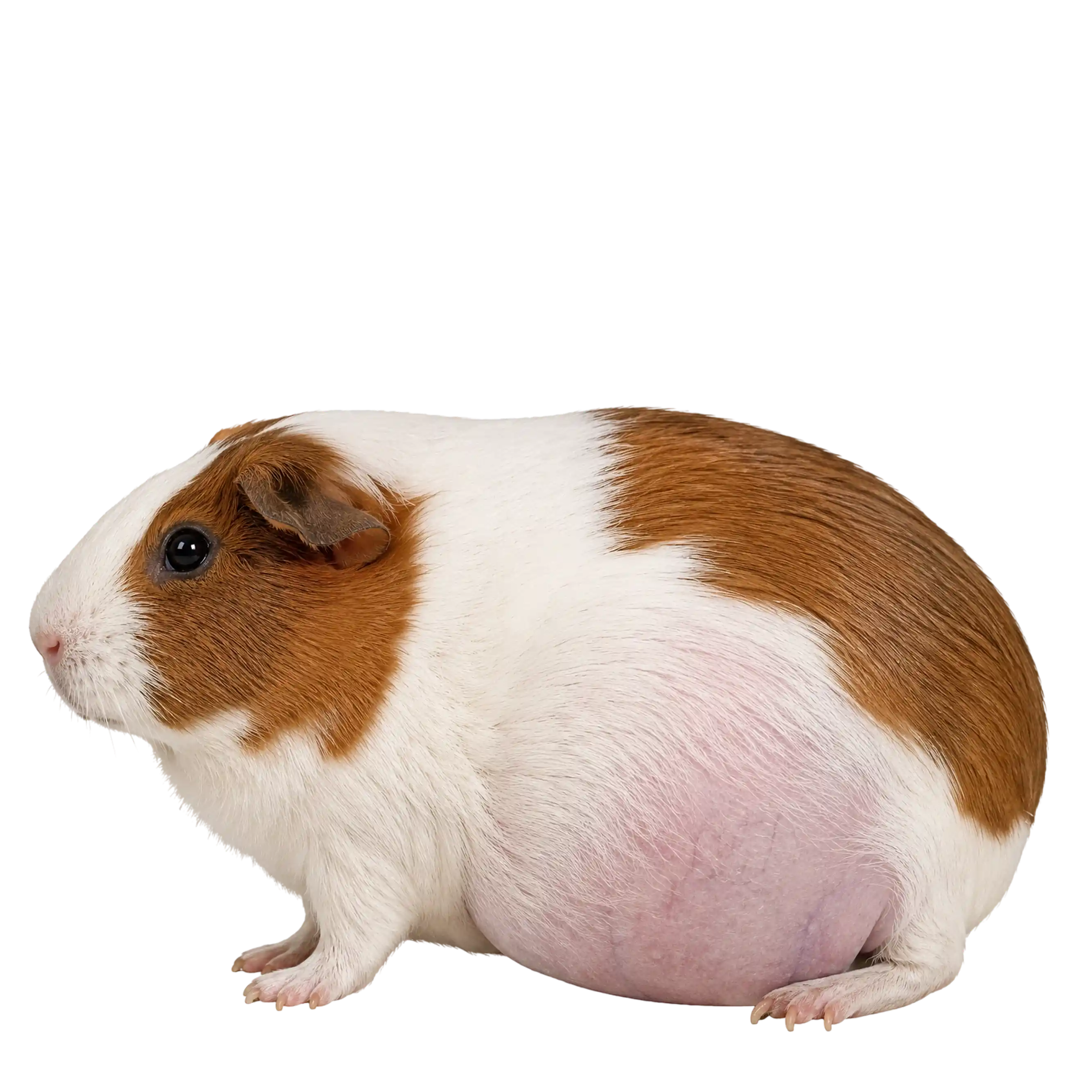
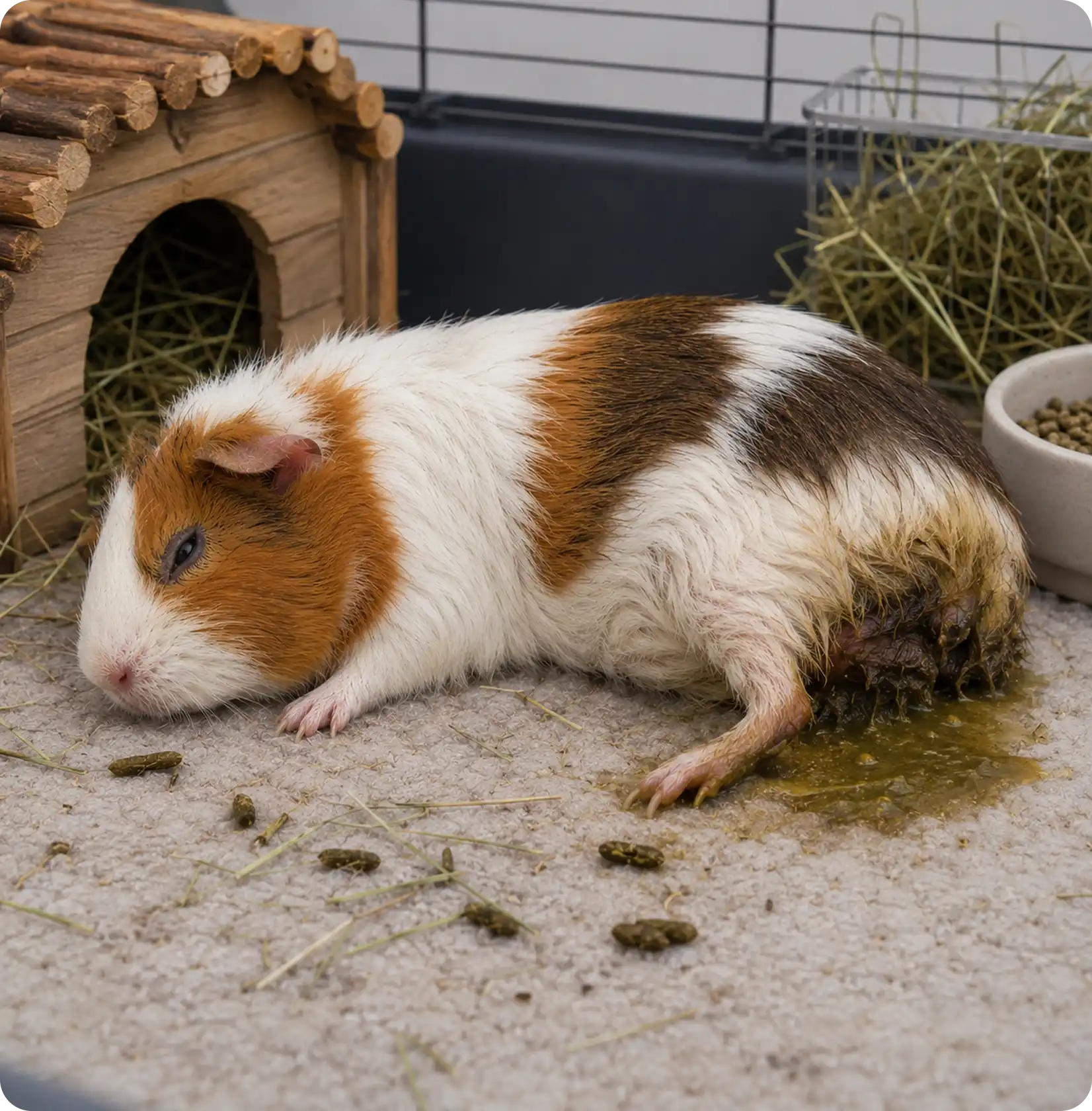
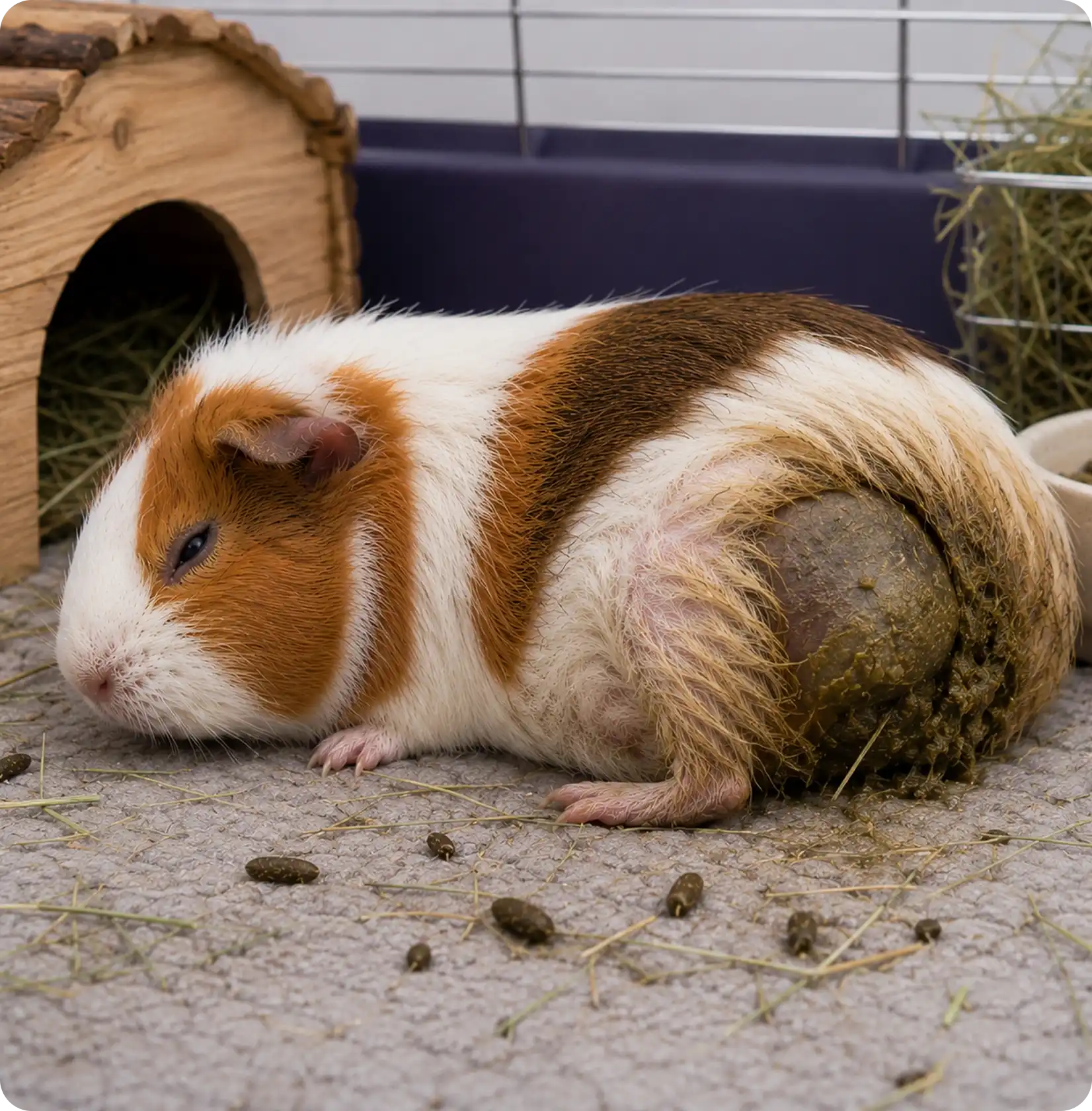
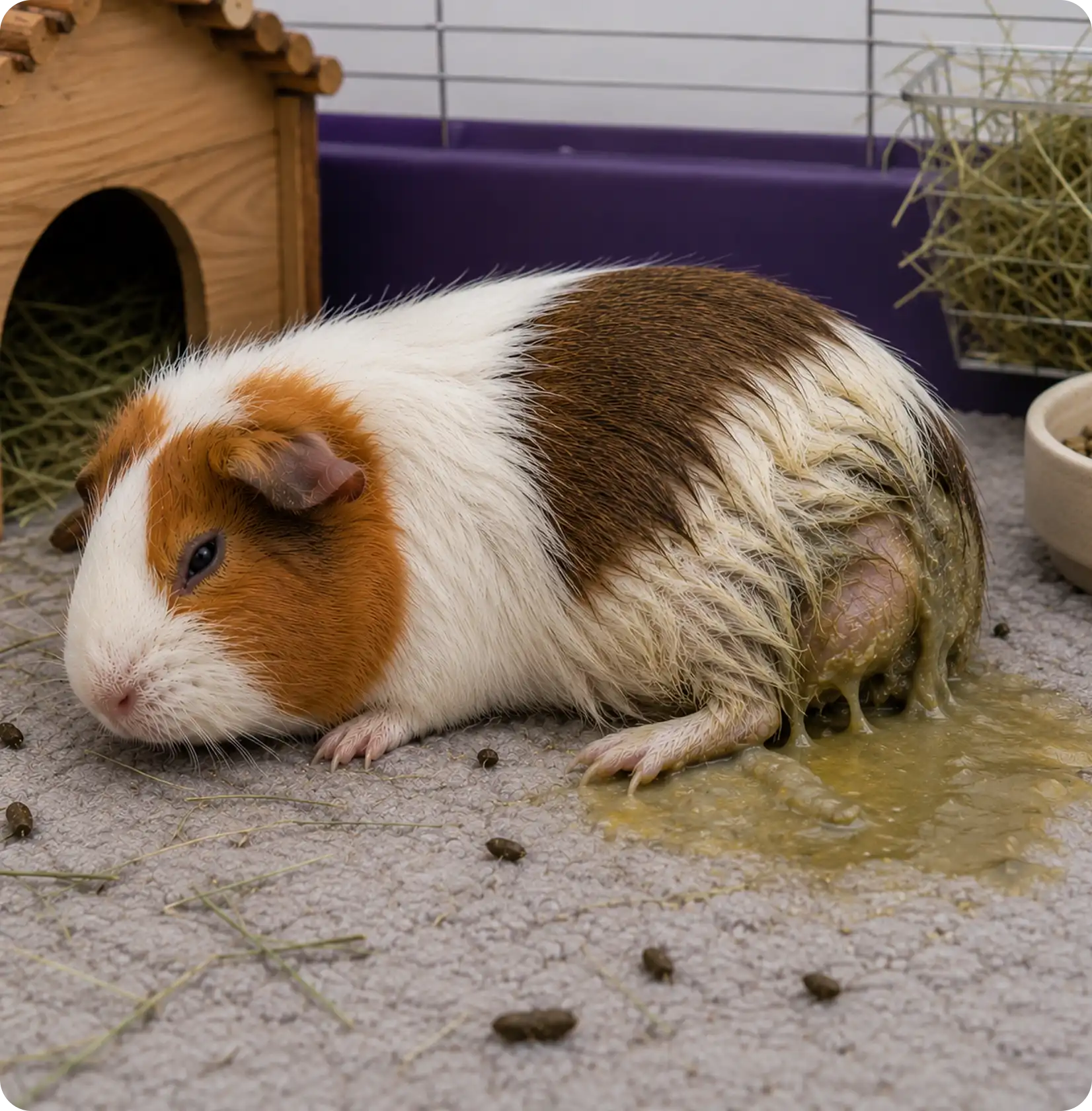
Types Of Gastrointestinal Disorders In Guinea Pigs
.webp)
.webp)
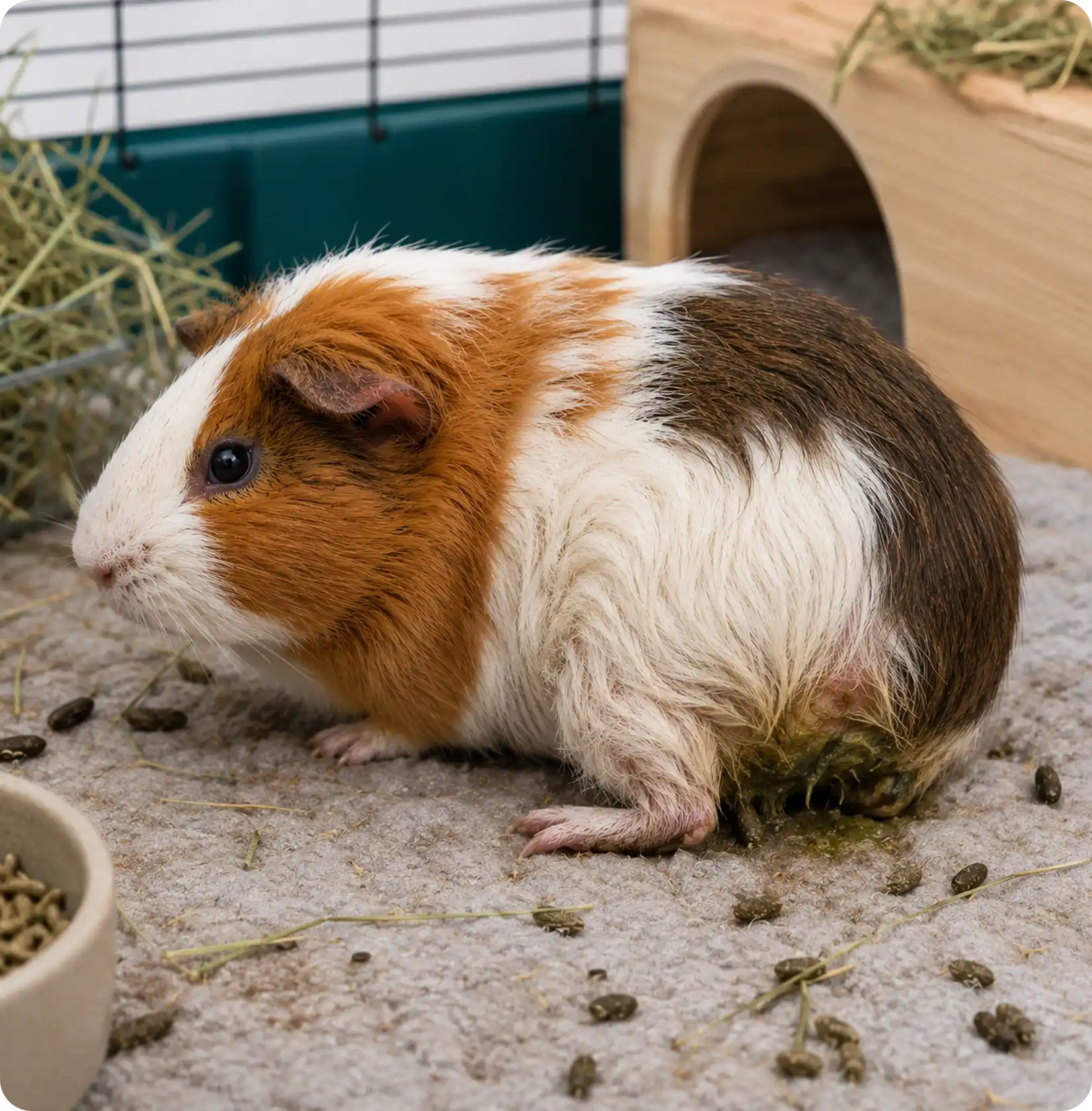
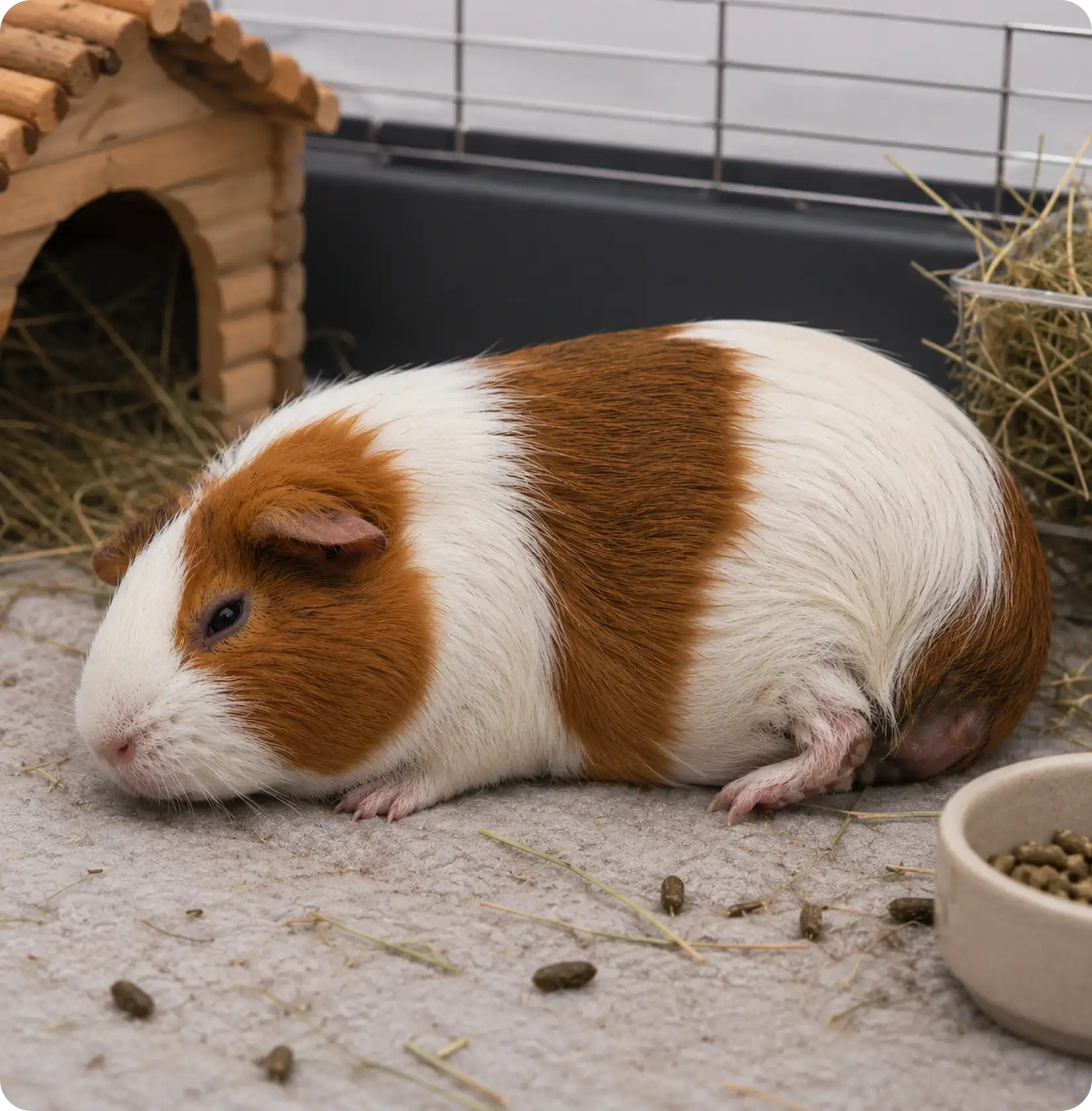
Common Signs Of Gastrointestinal Disorders In Guinea Pigs

Reduced or Complete Loss of Appetite
Anorexia or hyporexia is the most common clinical sign and also the earliest clinical indicator of GI stasis in guinea pigs.

Decreased or Absent Faecal Pellets
Reduced faecal output indicates impaired gastrointestinal motility. It is a signal of GI stasis, intestinal obstruction or extreme cecal dysfunction.
.svg)
Abdominal Distension (Bloating)
Progressive enlargement of the abdomen or bloating caused by excessive gas accumulation is a classic sign of gastric dilatation or life-threatening ileus in guinea pigs.
.svg)
Teeth Grinding (Bruxism)
Constant teeth grinding indicates significant visceral pain associated with gastrointestinal distension, obstruction or an inflammatory digestive issue.

Hunched Posture and Reluctance to Move
Hunched posture, reduced physical activity, a hunched posture and guarding behaviour are also signs of abdominal discomfort.

Lethargy and Progressive Weakness
Systemic illness, dehydration, and impaired gastrointestinal function often result in marked lethargy, weakness, and reduced responsiveness.
Why Do Pet Parents Choose Conbun?

24/7 Availability
Access 24/7 vet consultation through our online pet health platform, ensuring expert veterinary support whenever your pet requires immediate medical guidance.

Response in 30s
Receive an Instant Vet Consultation for urgent concerns, or schedule a remote vet appointment to get digital pet health advice for non-urgent cases.

10k+ Happy Pet Parents
Trusted by Indian pet owners for compassionate remote animal care, expert consultations, and reliable veterinary guidance across diverse pet species.

100+ Verified Vets
Consult experienced BVSc & MVSc Vets through secure online vet consultation, delivering evidence-based treatment recommendations and personalised care for every pet.
24/7 Availability
Access 24/7 vet consultation through our online pet health platform, ensuring expert veterinary support whenever your pet requires immediate medical guidance.
Get Help for Your Pet in Just a Few Simple Steps
Install Conbun and create your pet’s profile so we can understand them better.
Describe symptoms, upload photos if needed, and get quick online pet health advice from verified vets.
Talk to a vet online in just 30 seconds or schedule an appointment for later.



Tips to Prevent Gastrointestinal Disorders In Guinea Pigs
Explore expert-backed care tips, health advice, and practical recommendations to help your guinea pig stay happy, healthy, and active every day.
Consult Now
Provide Unlimited High-Fibre Grass Hay
Continuous access to grass hay helps guinea pigs maintain gastrointestinal motility, promote cecal fermentation and reduce the risk of gastrointestinal problems in guinea pigs.

Introduce Dietary Changes Gradually
Gradual introduction of diet changes helps in preserving cecal microbiota, minimises gastrointestinal dysbiosis, and prevents excessive gas production and digestive disturbances.

Ensure Constant Access to Fresh Water
Ensure constant access to fresh water to prevent ingesta desiccation (extreme dryness) and promote optimum gastrointestinal function.

Encourage Daily Exercise and Activity
Daily physical activity stimulates gastrointestinal peristalsis (the normal movement of content in the intestines), reduces hypomotility and enhances healthy digestive function in guinea pigs.

Monitor Appetite and Faecal Output Daily
Daily observation helps in recognising hyporexia, reduced faecal production and GI dysfunction before it becomes life-threatening.

Schedule Routine Veterinary Health Checks
Schedule routine veterinary health checks to facilitate early diagnosis of dental disease, gastrointestinal disorders and underlying conditions that affect digestive health.
Provide Unlimited High-Fibre Grass Hay
Continuous access to grass hay helps guinea pigs maintain gastrointestinal motility, promote cecal fermentation and reduce the risk of gastrointestinal problems in guinea pigs.
Introduce Dietary Changes Gradually
Gradual introduction of diet changes helps in preserving cecal microbiota, minimises gastrointestinal dysbiosis, and prevents excessive gas production and digestive disturbances.
When To Consult A Vet for Bloating & GI Issues In Guinea Pigs?

Persistent anorexia
Requires immediate treatment to prevent GI stasis
Severe Abdominal Distension
Indicates gastric dilatation requiring immediate veterinary intervention.

No Faecal Pellet Production
Indicates profound gastrointestinal hypomotility or intestinal obstruction.
Persistent anorexia
Requires immediate treatment to prevent GI stasis
Severe Abdominal Distension
Indicates gastric dilatation requiring immediate veterinary intervention.





Frequently Asked Questions
Common signs of gastrointestinal disease include fewer or no faecal pellets, teeth grinding (bruxism), lethargy, a hunched posture and reluctance to move. Because digestive disorders can worsen rapidly, persistent changes in eating or droppings should be evaluated by a veterinarian.
GI stasis is a medical emergency that requires prompt vet attention. Management of GI stasis typically includes pain relief, prokinetic medications to stimulate gut motility, assisted feeding, and treatment of the underlying cause, like dental disease or pain. Early intervention significantly improves the chance of recovery.
GI stasis in guinea pigs can deteriorate within 12-24 hours after developing GI stasis. Without timely treatment, severe gas accumulation, hepatic lipidosis and shock may develop, making the condition potentially fatal.
A guinea pig with bloat often has a swollen or firm abdomen, reduced appetite, little or no faecal output, teeth grinding, lethargy, reluctance to move, and signs of abdominal pain. Severe cases may also develop difficulty breathing due to excessive gastric distension.
Sudden dietary changes, excessive quantities of gas-producing vegetables, sugary fruits, high-carbohydrate treats, and diets low in fibre can disrupt normal cecal fermentation and contribute to bloating. Unlimited grass hay and gradual dietary transitions are essential for maintaining healthy gastrointestinal function.
Yes. Conbun connects you with experienced exotic pet veterinarians who can assess your guinea pig's gastrointestinal symptoms, review its diet and husbandry, identify possible causes of bloating or GI stasis, and recommend appropriate supportive care. They can also advise whether your guinea pig requires immediate emergency treatment or an in-person veterinary examination.
Virtual Veterinary Care for Guinea Pig Bloating & GI Issues
Bloating and gastrointestinal disorders in guinea pigs should always be treated as urgent medical conditions. Because their digestive system depends on continuous gut motility, even a short delay in treatment can lead to GI stasis, circulatory shock, severe dehydration and life-threatening complications. If your guinea pig has stopped eating, has developed a swollen abdomen or is not producing droppings, seek veterinary advice promptly.
Conbun allows you to access online vet consultations from experienced exotic animal veterinarians who understand the unique digestive health needs of guinea pigs. Whether your pet displays early signs of GI issues or requires urgent guidance for suspected GI stasis, expert help is available when you need it the most.
Book a convenient remote vet appointment to discuss your guinea pig’s symptoms, receive personalised dietary and supportive care recommendations and understand when emergency in-person treatment is necessary. Our exotic pet vet online services ensure you receive evidence-based guidance tailored specifically to small mammals.
Using the Conbun pet doctor app, you can connect with qualified veterinary professionals from the comfort of your home, helping your guinea pig receive timely care before gastrointestinal disease becomes a life-threatening emergency.