
Fish White Spot Disease? Get Online Vet Help Instantly
Small white spots, rubbing against surfaces, flashing, rapid breathing, or loss of appetite may indicate Ich (White Spot Disease). Get early treatment to prevent severe infestation and protect other fish in your aquarium. Download Conbun and talk to a vet about fish ich white spot disease.
Common Causes of Ich (White Spot Disease) in Fish
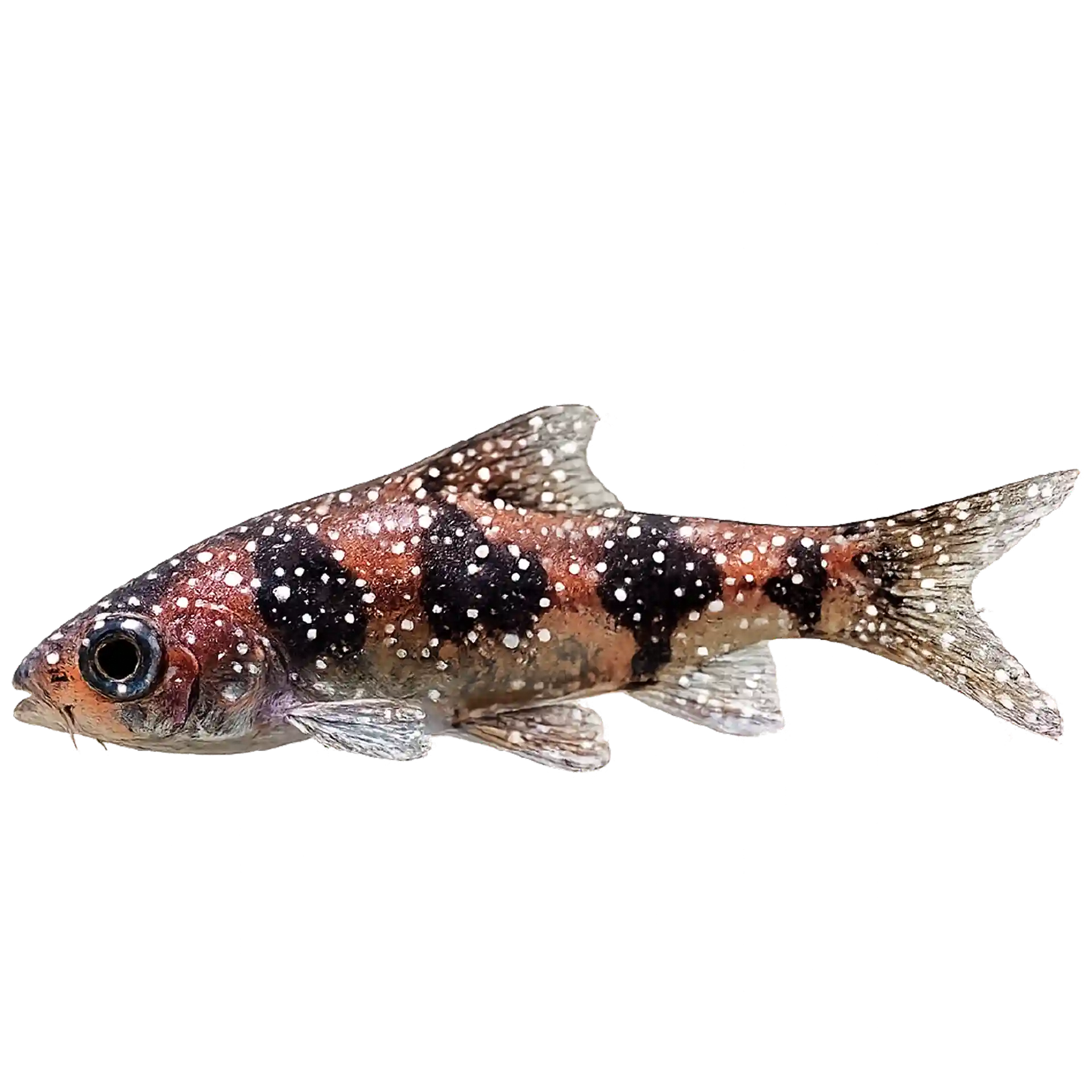
White Spot Disease (Ich) in fish is caused by a single-celled ciliated protozoan parasite known as Ichthyophthirius multifiliis. The disease is highly contagious and occurs when free-swimming parasites penetrate a fish’s skin and gills. Ich outbreaks are typically triggered by stress, poor water quality or the introduction of an infected fish.
Common Signs of Ich (White Spot Disease) in Fish
White Spots on Skin and Fins
Tiny white cysts that resemble salt grains are the classical signs of Ich parasite infestation.
Flashing and Rubbing Behaviour
Infected fish frequently scrape against surfaces due to irritation caused by parasitic penetration of epithelial tissues.

Rapid or Laboured Breathing
Gill involvement impairs respiratory efficiency, leading to increased opercular movements and respiratory distress.

Clamped Fins
Fish hold fins too close to the body as a response to stress, discomfort and advancing disease.

Reduced Appetite
Parasitic infections like Ich can lead to anorexia, decreased feeding activity and progressive deterioration of health status.

Lethargy and Reduced Swimming Activity
Affected fish can become inactive or isolate themselves and exhibit reduced responsiveness to external stimuli due to increased stress or illness.
Common Signs of Ich (White Spot Disease) in Fish
Early recognition of Ich symptoms prevents severe infestation and improves treatment success in affected fish.
White Spots on Skin and Fins
Understand the Severity of Ich in Your Fish
- Few white spots present
- Mild flashing behaviour
- Slight fin clamping
- Normal appetite maintained
- Increasing number of white spots
- Frequent rubbing against surfaces
- Reduced appetite
- Noticeable lethargy
- Mild respiratory distress
- Extensive white spot infestation
- Severe respiratory difficulty
- Rapid gill movements
- Complete refusal to eat
- Loss of equilibrium
- Signs of systemic deterioration
When to Consult a Vet

Severe or Rapid Breathing Difficulty
Severe breathing difficulty indicates respiratory compromise.
White Spots Spreading Rapidly
Indicates parasitic infections requiring immediate veterinary intervention.

Complete Loss of Appetite
Complete loss of appetite shows advanced disease or systemic stress.

Severe or Rapid Breathing Difficulty
Severe breathing difficulty indicates respiratory compromise.
White Spots Spreading Rapidly
Indicates parasitic infections requiring immediate veterinary intervention.


How to Prevent Ich (White Spot Disease) in Fish

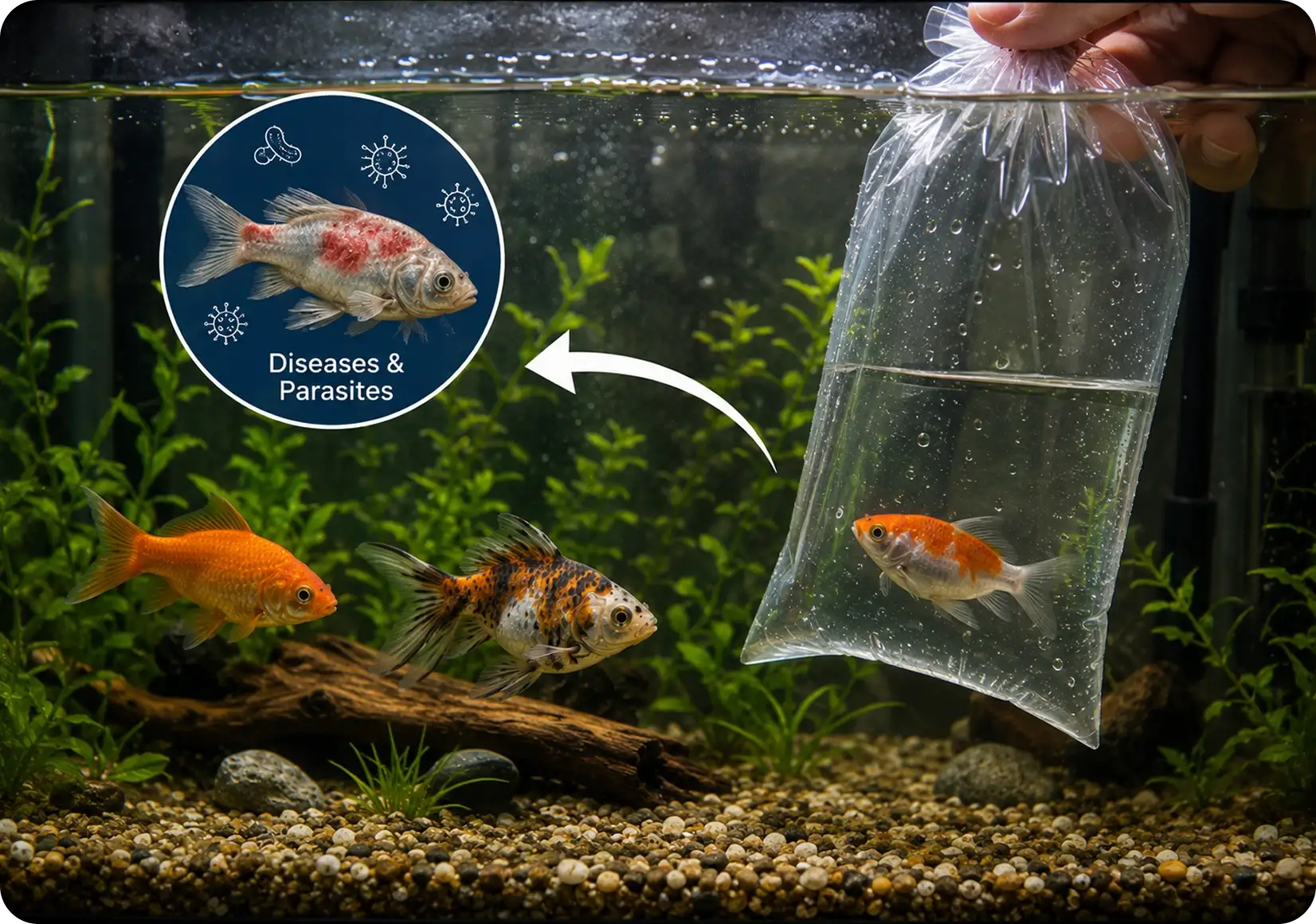
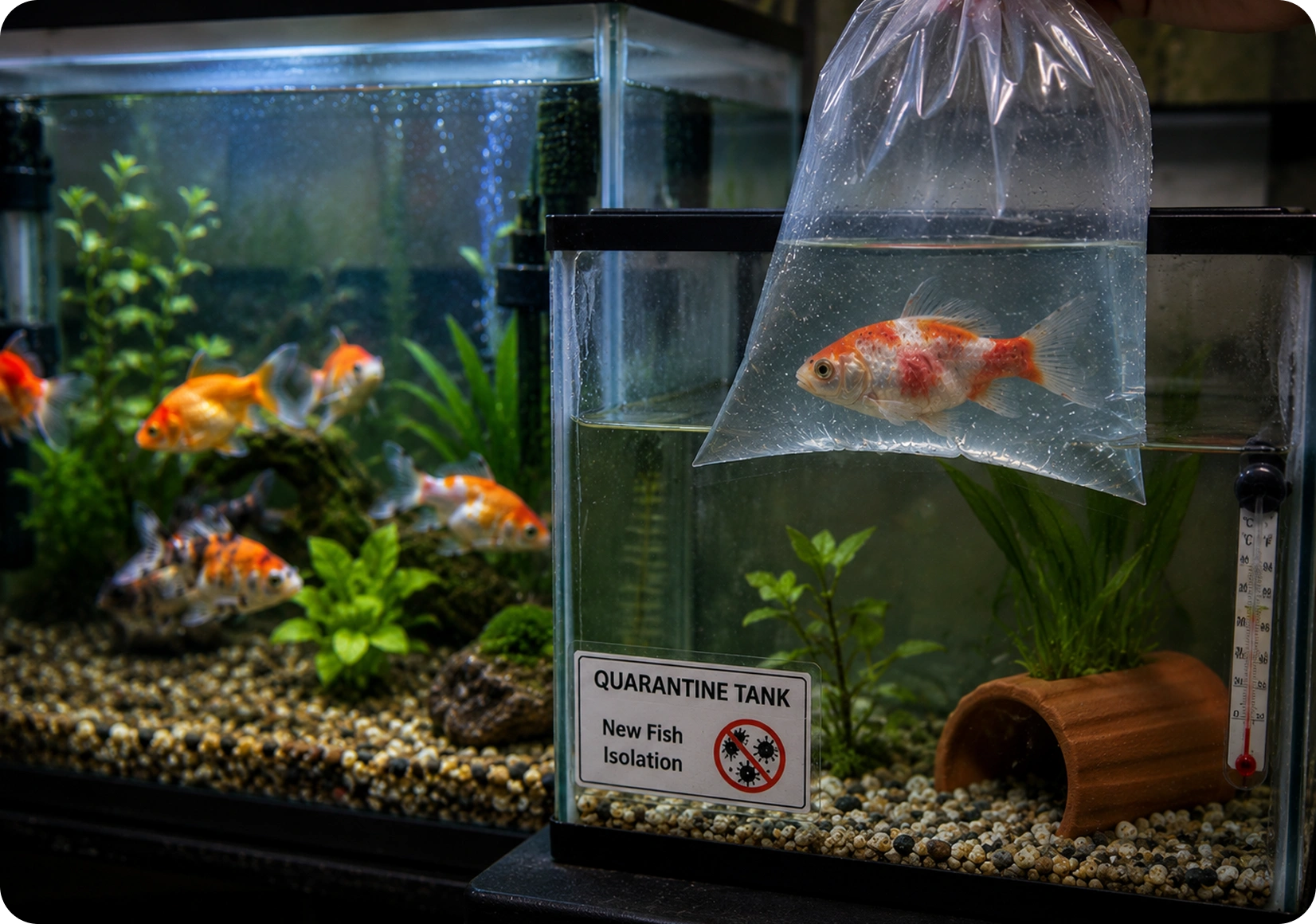
Quarantine New Fish Before Introduction
A dedicated quarantine period prevents the introduction of Ich parasites and other pathogens into established aquariums.

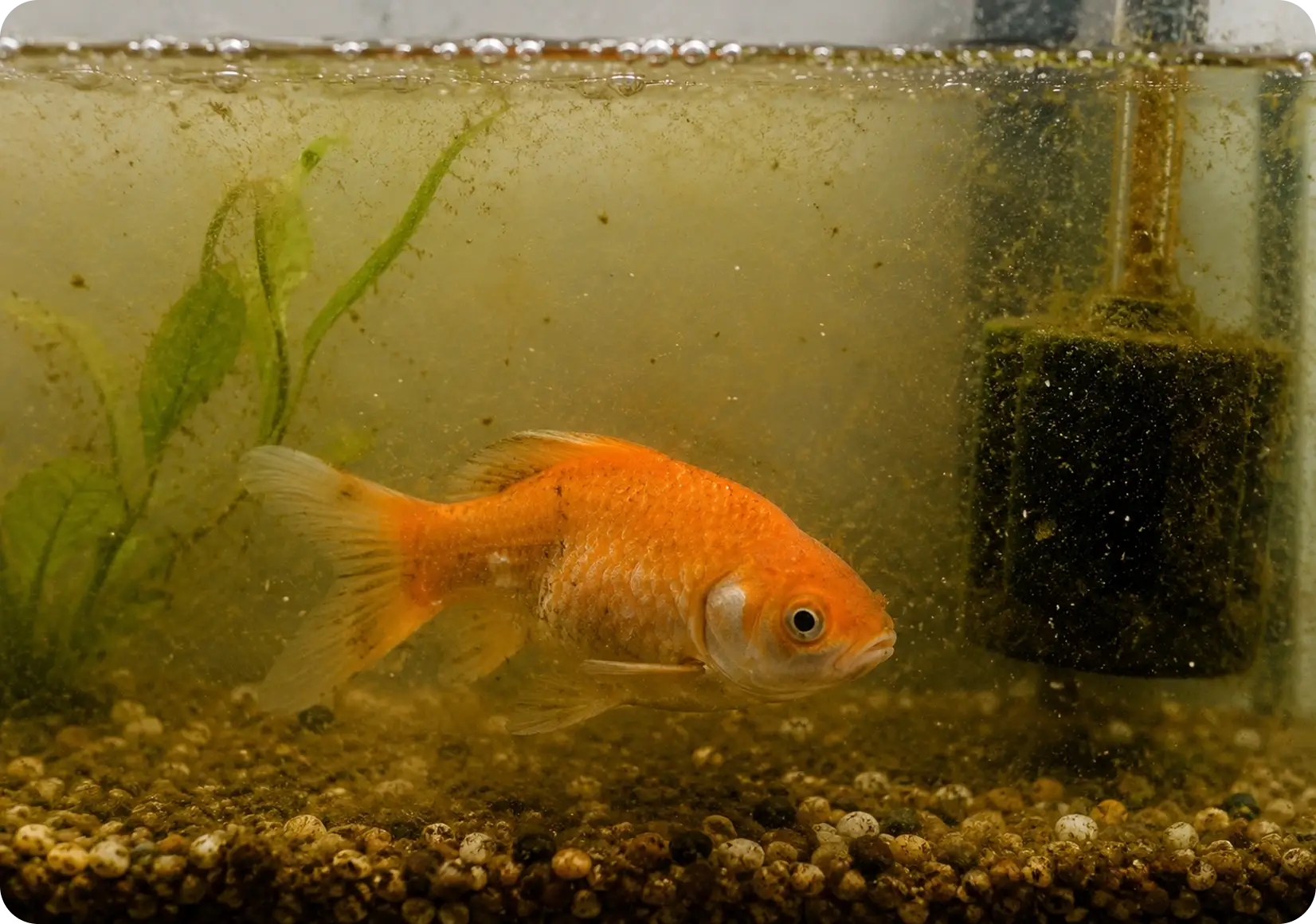
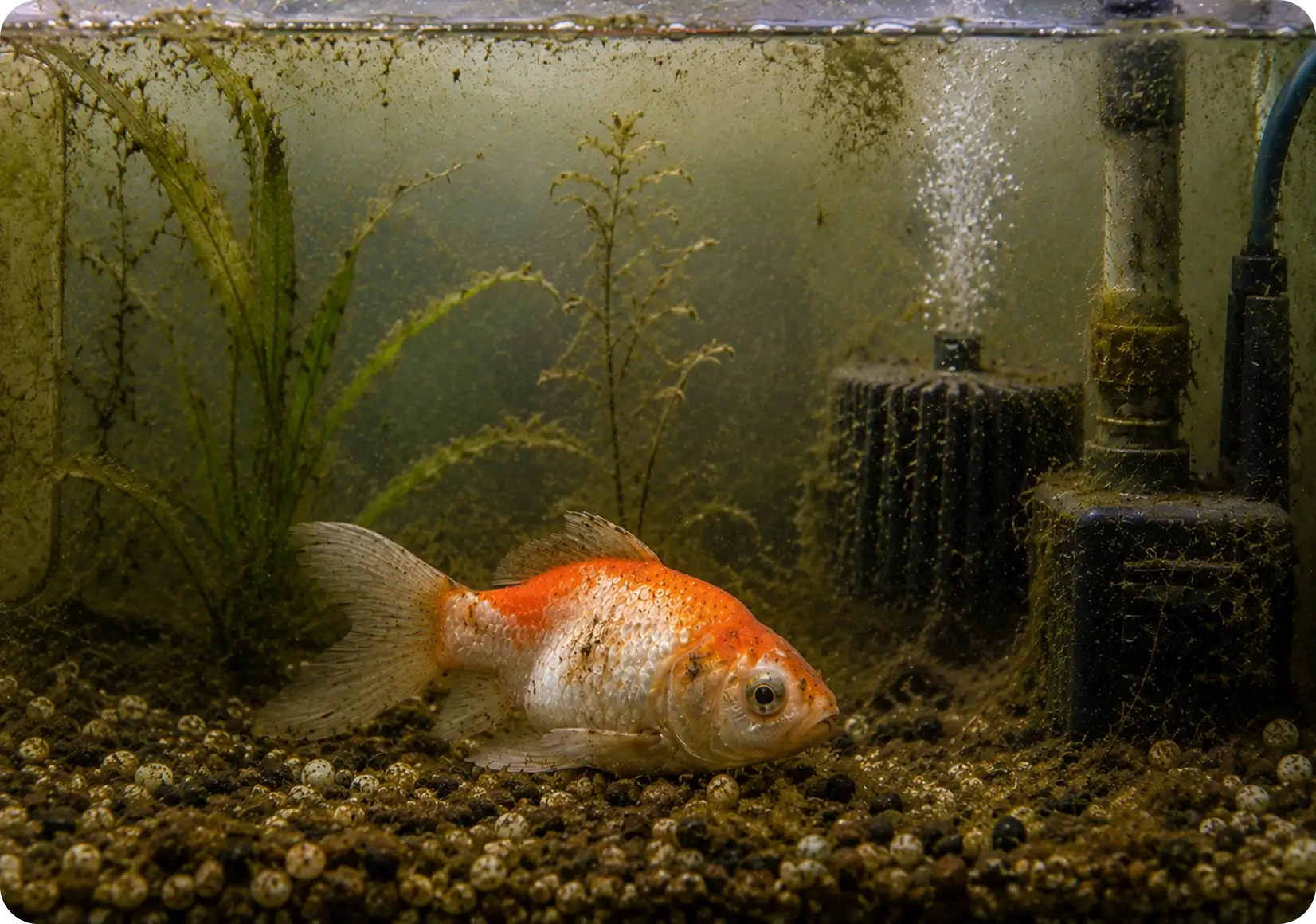
Maintain Excellent Water Quality
Maintain excellent water quality to reduce physiological stress and enhance immune function, to lower the susceptibility to parasitic infestations.

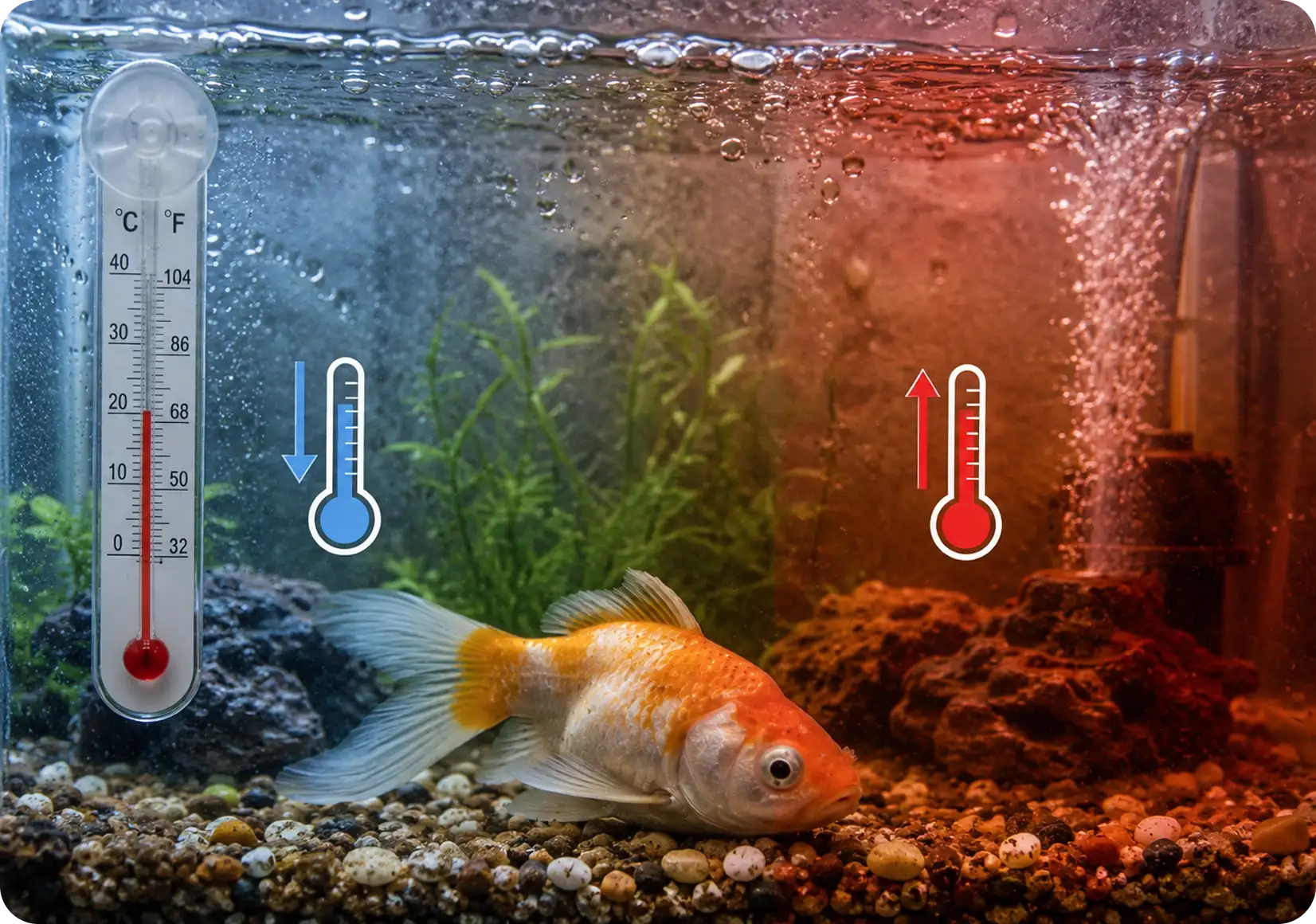
Avoid Sudden Temperature Fluctuations
Maintain a consistent tank temperature to prevent stress-induced immunosuppression and reduce the likelihood of Ich outbreaks.

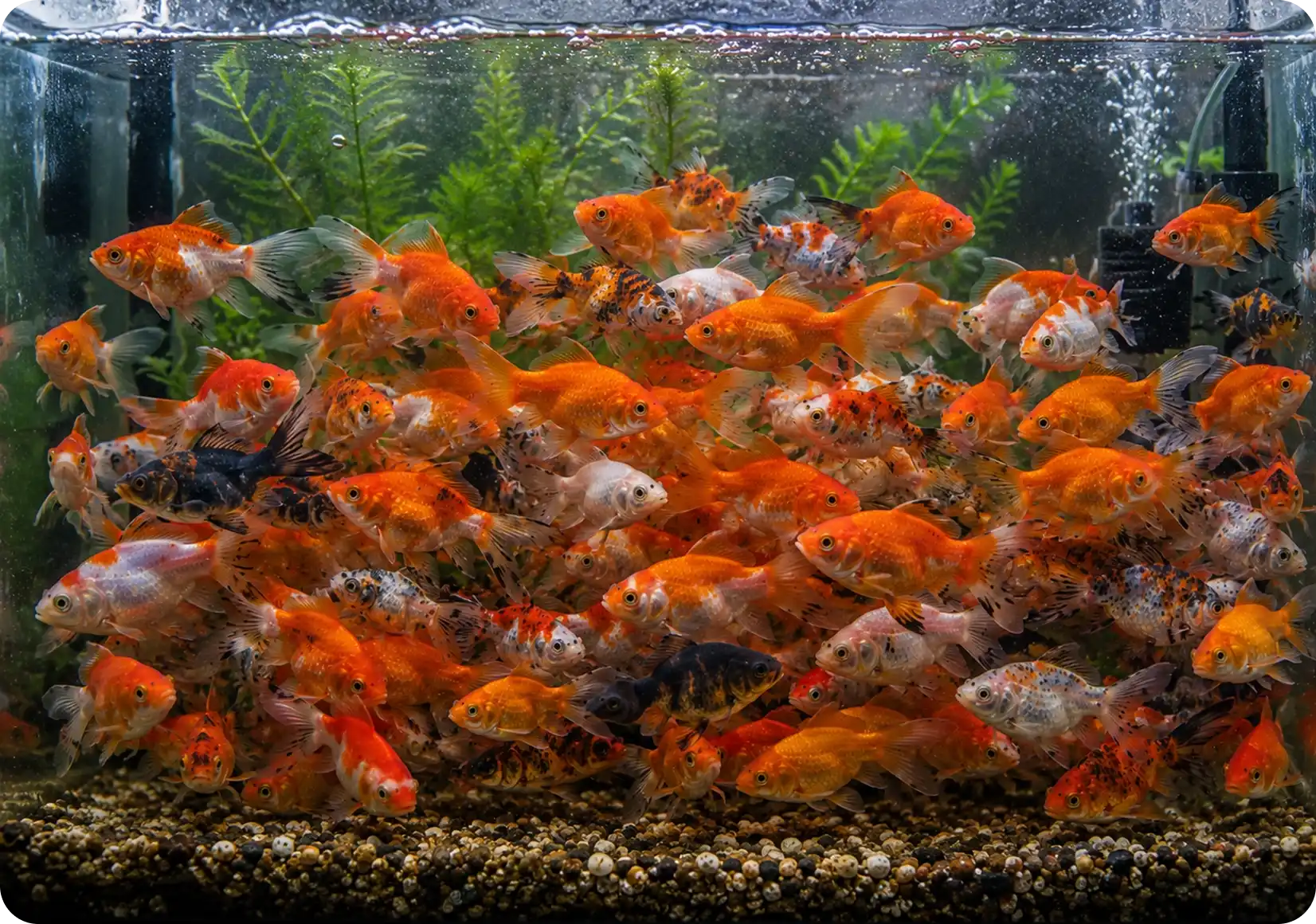
Prevent Overstocking in the Aquarium
Avoid overcrowding the aquarium. Appropriate stocking densities minimise stress, enhance water quality, and reduce parasite transmission among aquarium inhabitants.

Provide a Nutritionally Balanced Diet
Provide a nutritionally balanced diet consisting of proteins (35–55%), fats (15–25%), carbohydrates, vitamins, and minerals to support immune competence, tissue health, and resistance against opportunistic parasitic infections.

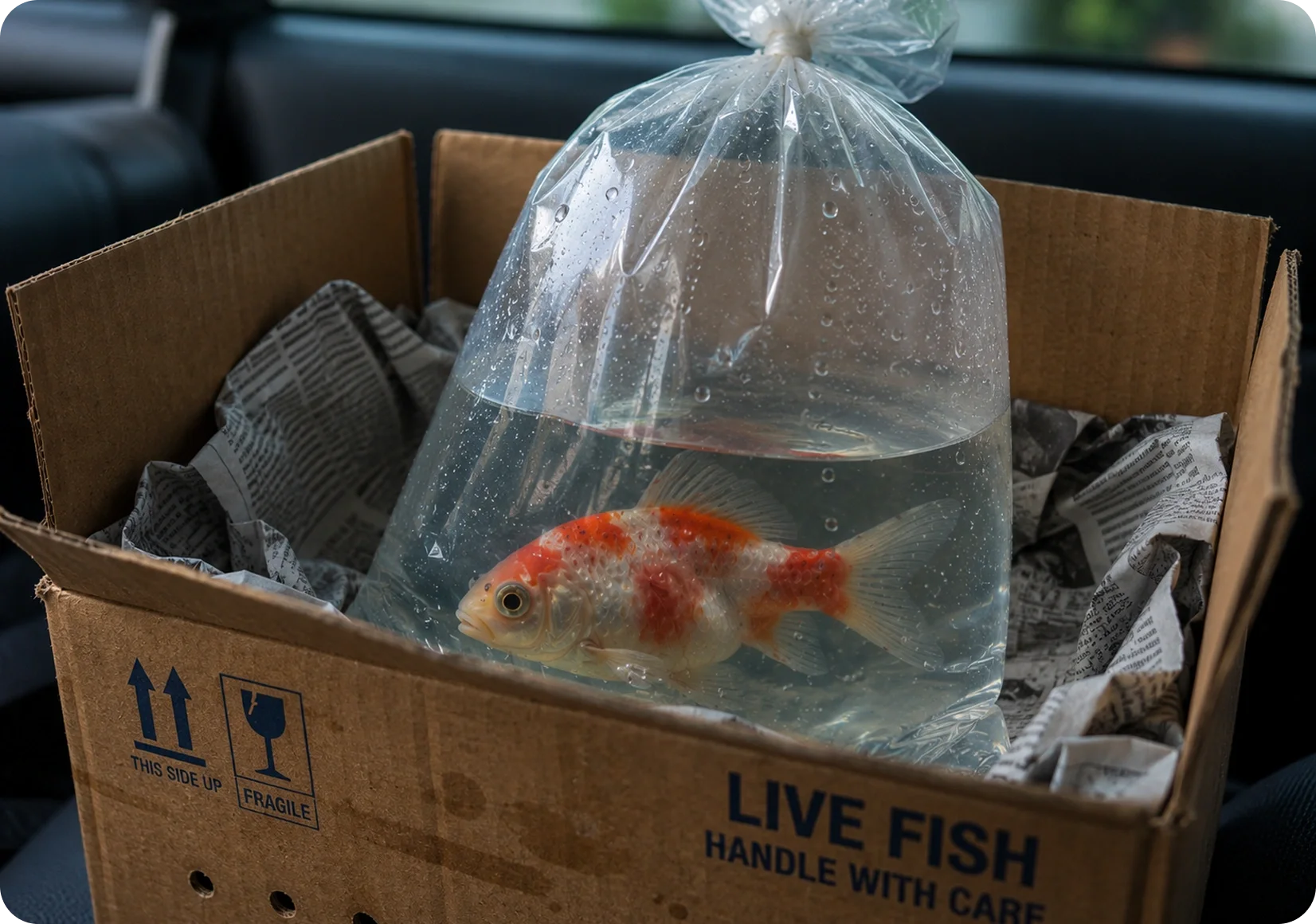
Minimise Environmental and Handling Stress
Reduce unnecessary environmental disturbances to maintain physiological stability and decrease vulnerability to infectious disease development.
Quarantine New Fish Before Introduction
A dedicated quarantine period prevents the introduction of Ich parasites and other pathogens into established aquariums.
Maintain Excellent Water Quality
Maintain excellent water quality to reduce physiological stress and enhance immune function, to lower the susceptibility to parasitic infestations.
Veterinary Help in Just a Few Simple Steps
Install Conbun and create your pet’s profile so we can understand them better.
Describe symptoms, upload photos if needed, and get quick online pet health advice from verified vets.
Talk to a vet online in just 30 seconds or schedule an appointment for later.



Related Fish Issues
Allergies
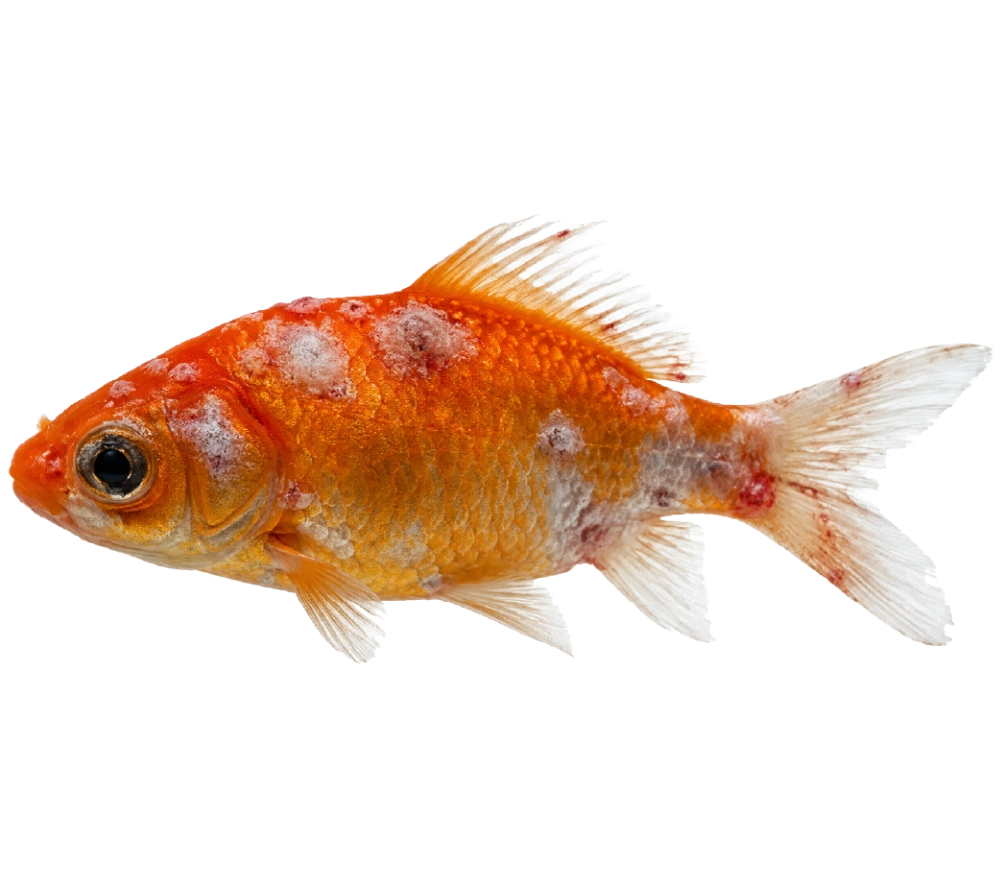
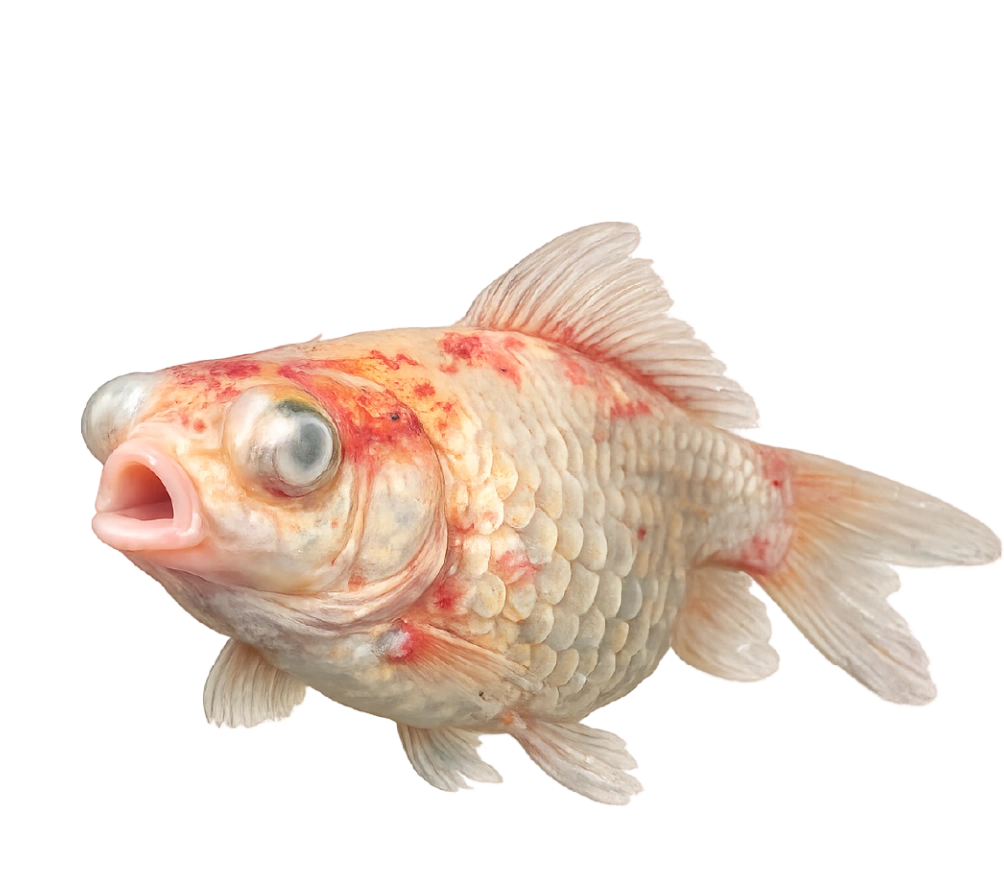
Fin Rot
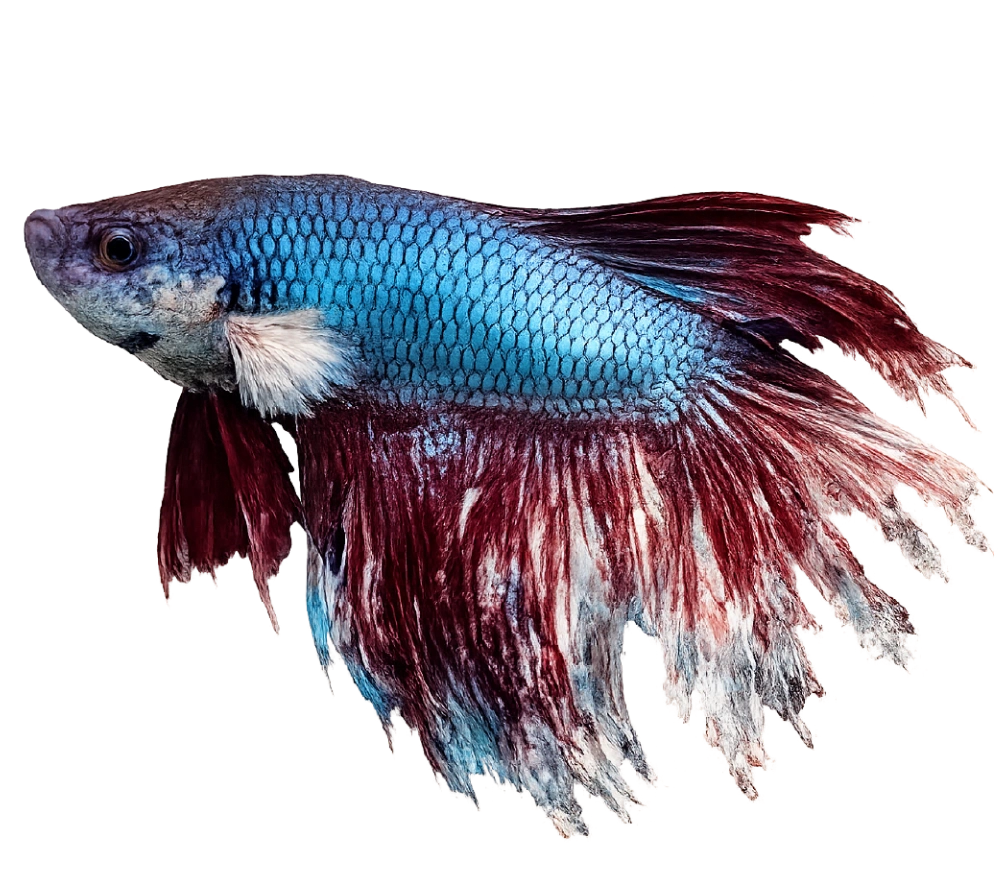
Swim Bladder Disorder (floating/sinking)
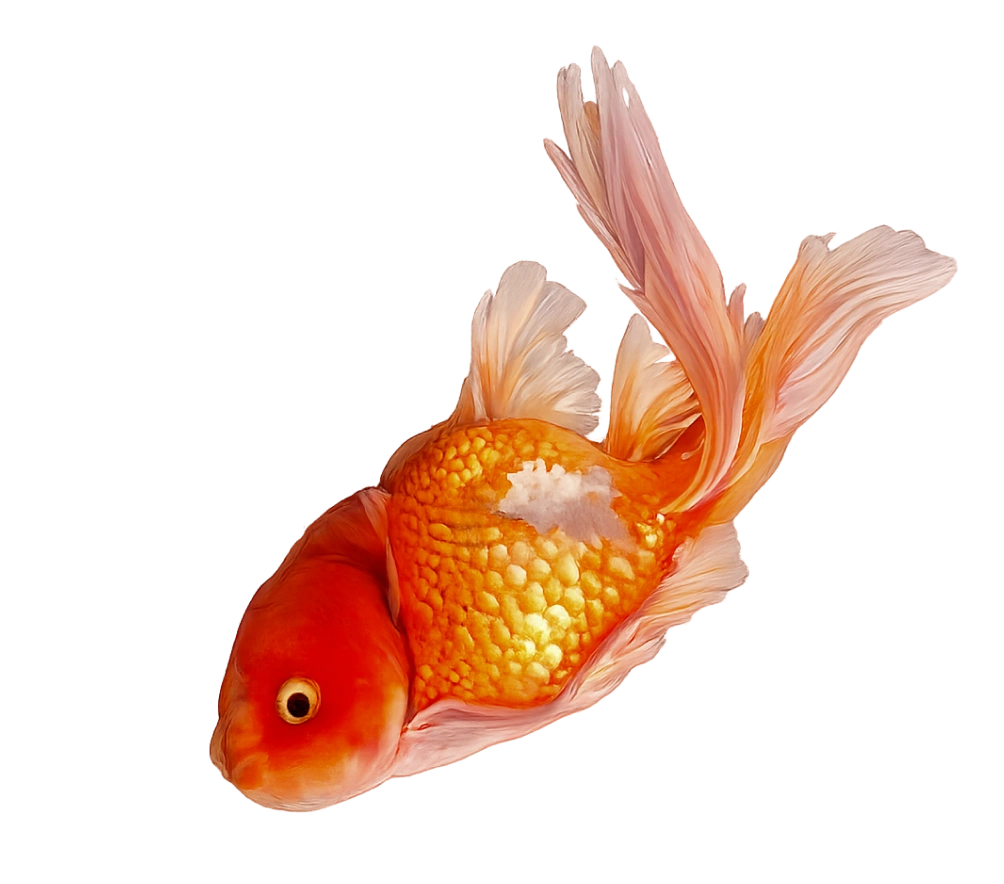
Not Eating / Loss of Appetite
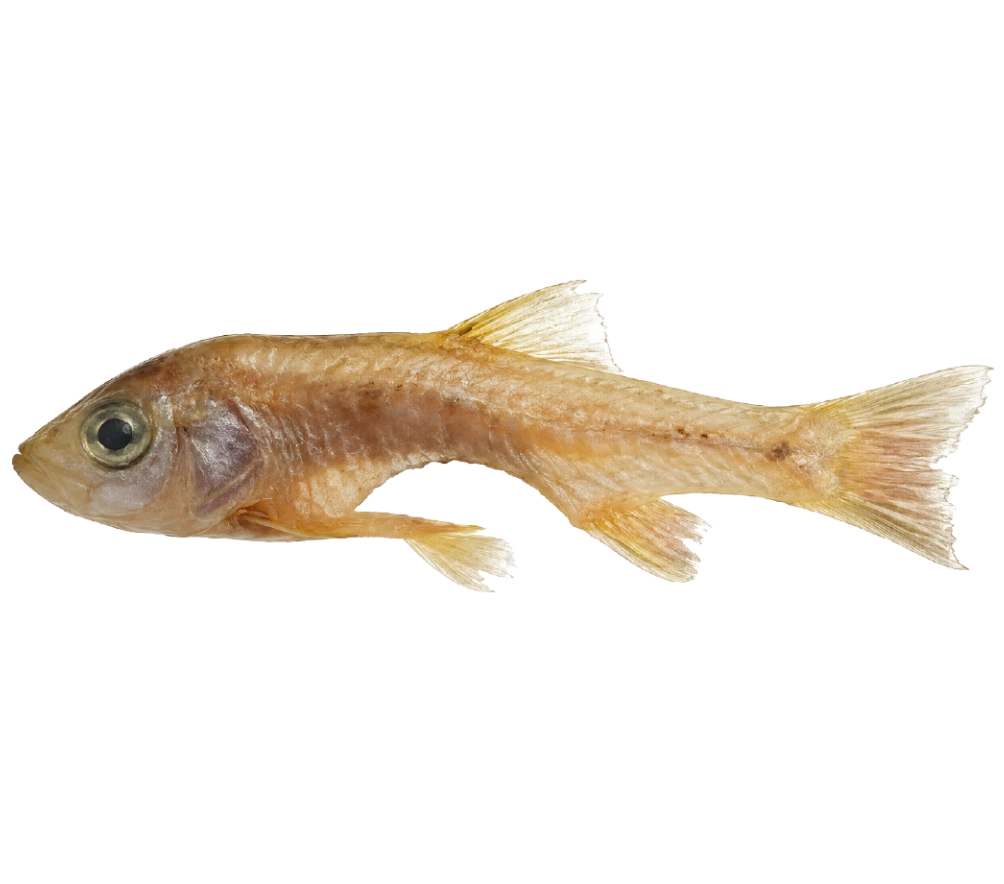
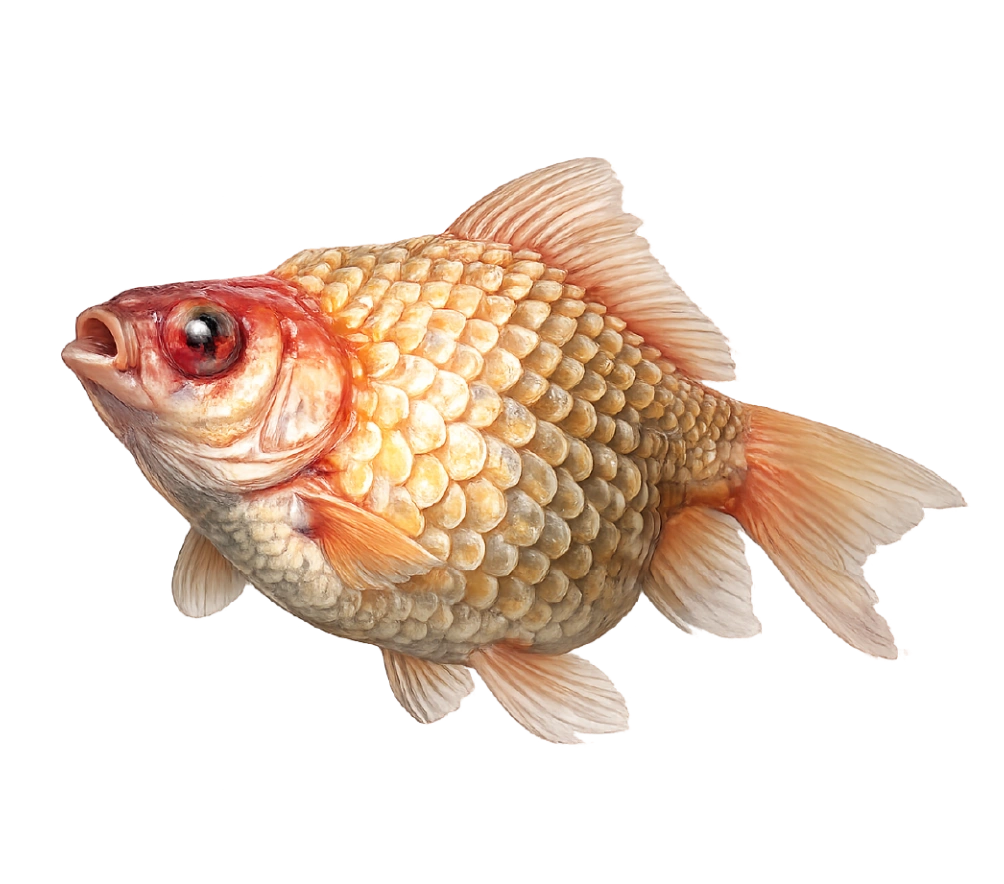
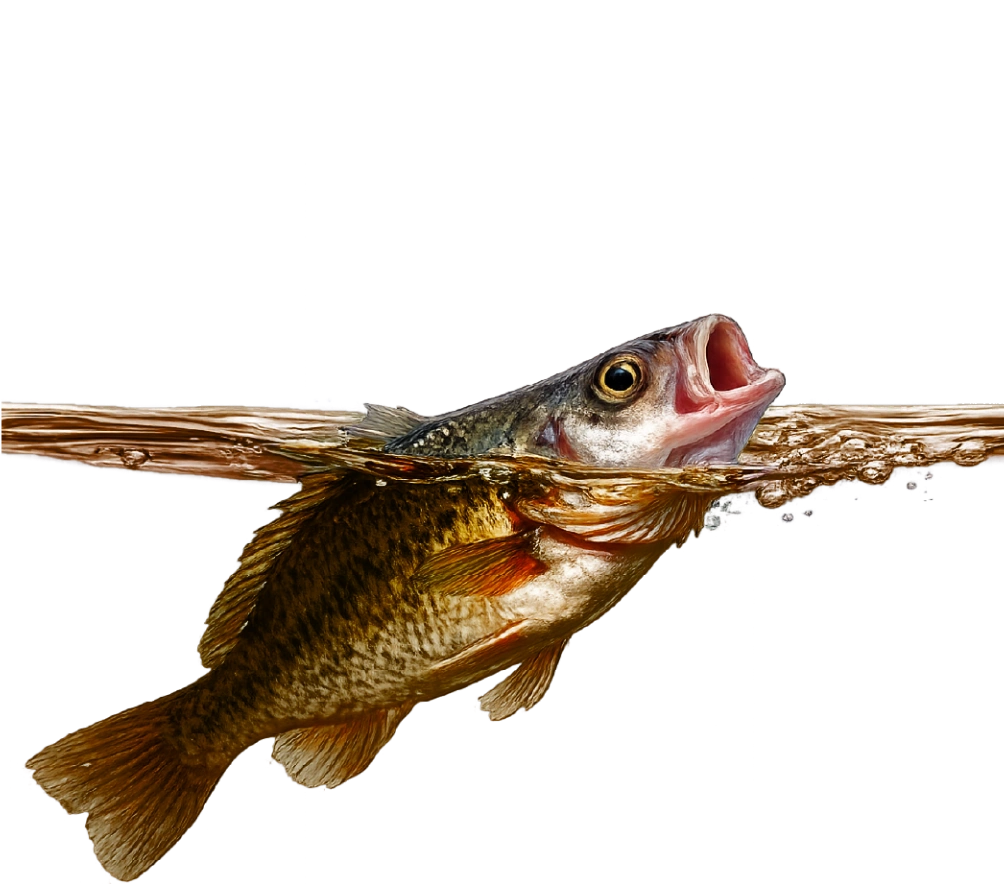
Allergies
Fin Rot
Frequently Asked Questions
The earliest fish ich white spot disease symptoms usually include small white spots on the skin, fins, or gills, along with flashing behaviour and increased rubbing against aquarium surfaces. With the progression of the infestation, affected fish become lethargic and lose their appetite.
Successful fish ich white spot disease treatment involves treating the entire aquarium, improving water quality, reducing stress and following proper parasite-control measures. As the parasite has various life stages, treatment must continue for the recommended duration even after white spots disappear.
Yes. Most fish recover when ich is identified and treated early. Prompt vet intervention, proper aquarium management and effective white spot disease treatment can improve recovery rates and prevent complications involving gills and the respiratory system.
Ich is caused by a protozoan parasite called Ichthyophthirius multifiliis. The parasite is often introduced through infected fish, contaminated equipment, or plants. Stressful conditions such as poor water quality, overcrowding, and temperature fluctuations can increase susceptibility to infection in an Ich in fish tank outbreak.
Yes. Conbun allows you to connect with experienced veterinarians who can assess Fish Ich symptoms, advise on Fish Ich treatment, evaluate aquarium conditions, and recommend the most appropriate fish ich white spot disease treatment plan. Professional guidance can help you manage an Ich outbreak in a fish tank more effectively and protect the health of your aquatic pets.
Get Instant Veterinary Help With Conbun for Ich (White Spot Disease)
Ich (white spot disease) is one of the most common and contagious parasitic disease infected aquarium fish. If left untreated, the infection spreads rapidly throughout the tank, affecting multiple fish and causing severe stress, respiratory distress and even death. Early detection and intervention are important for successful treatment and prevention of outbreaks across the tank.
Conbun helps you to connect with a fish vet online and receive veterinary guidance without leaving your home. Whether your fish has developed white spots, is rubbing against aquarium surfaces, showing signs of lethargy, or breathing rapidly, professional veterinary advice can help you take the right action quickly.
Our platform provides access to an experienced aquatic veterinarian online who can evaluate fish ich white spot disease symptoms, review aquarium conditions, and recommend appropriate treatment and management strategies. Through convenient online pet consultation, pet fish owners can receive personalised advice on tank/water quality management, disease control, fish quarantine procedures and health recovery monitoring.
Need immediate support? Conbun offers 24/7 vet consultation, ensuring fish health guidance is available whenever your aquarium needs professional care.