.webp)
Fish Fin Rot? Consult an Aquatic Vet Online in India
Frayed fins, discoloured fin edges, fin erosion, or reduced activity may indicate fin rot, a progressive bacterial or fungal infection. Consult an aquatic veterinarian instantly to improve recovery and prevent permanent fin damage.
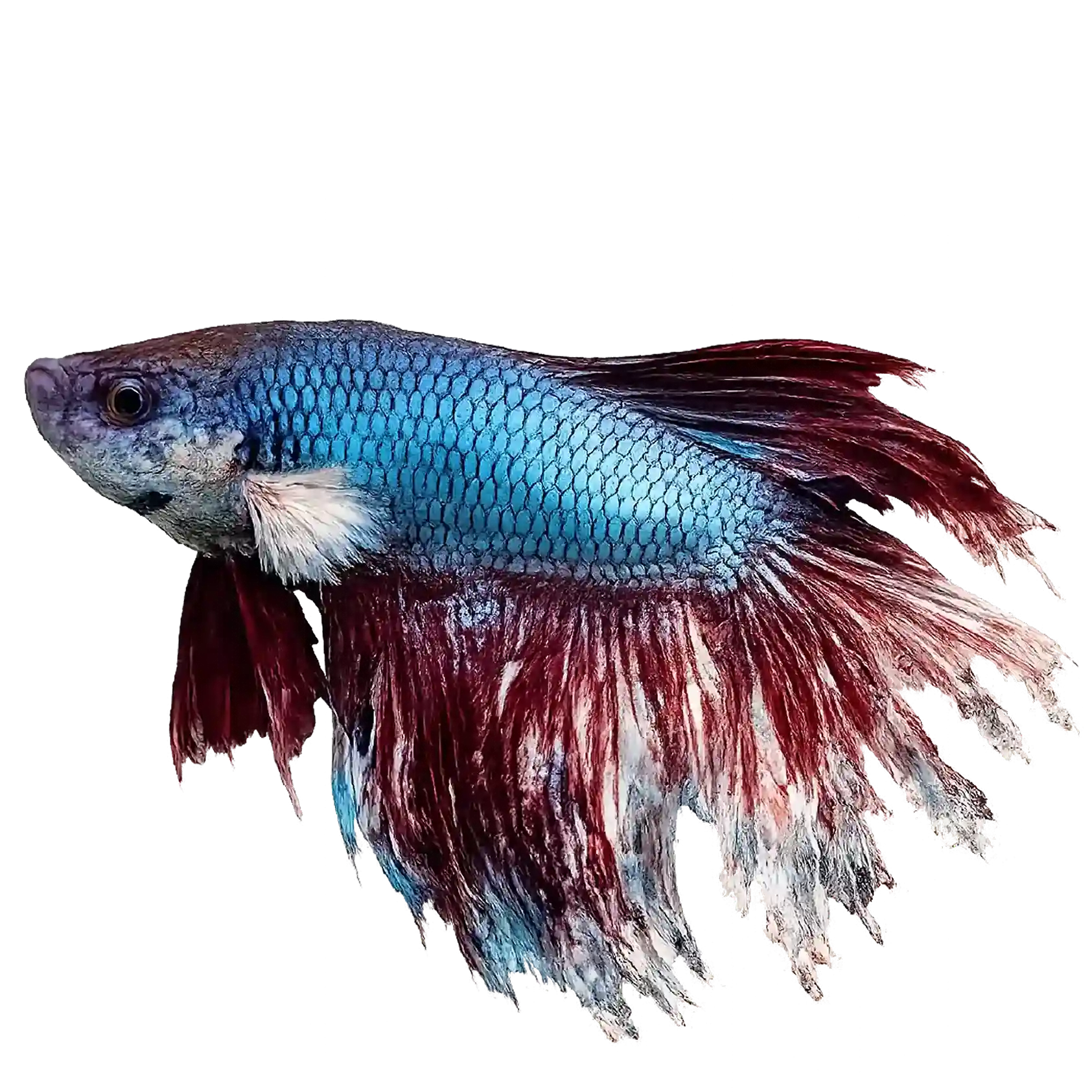
Causes for Fin Rot
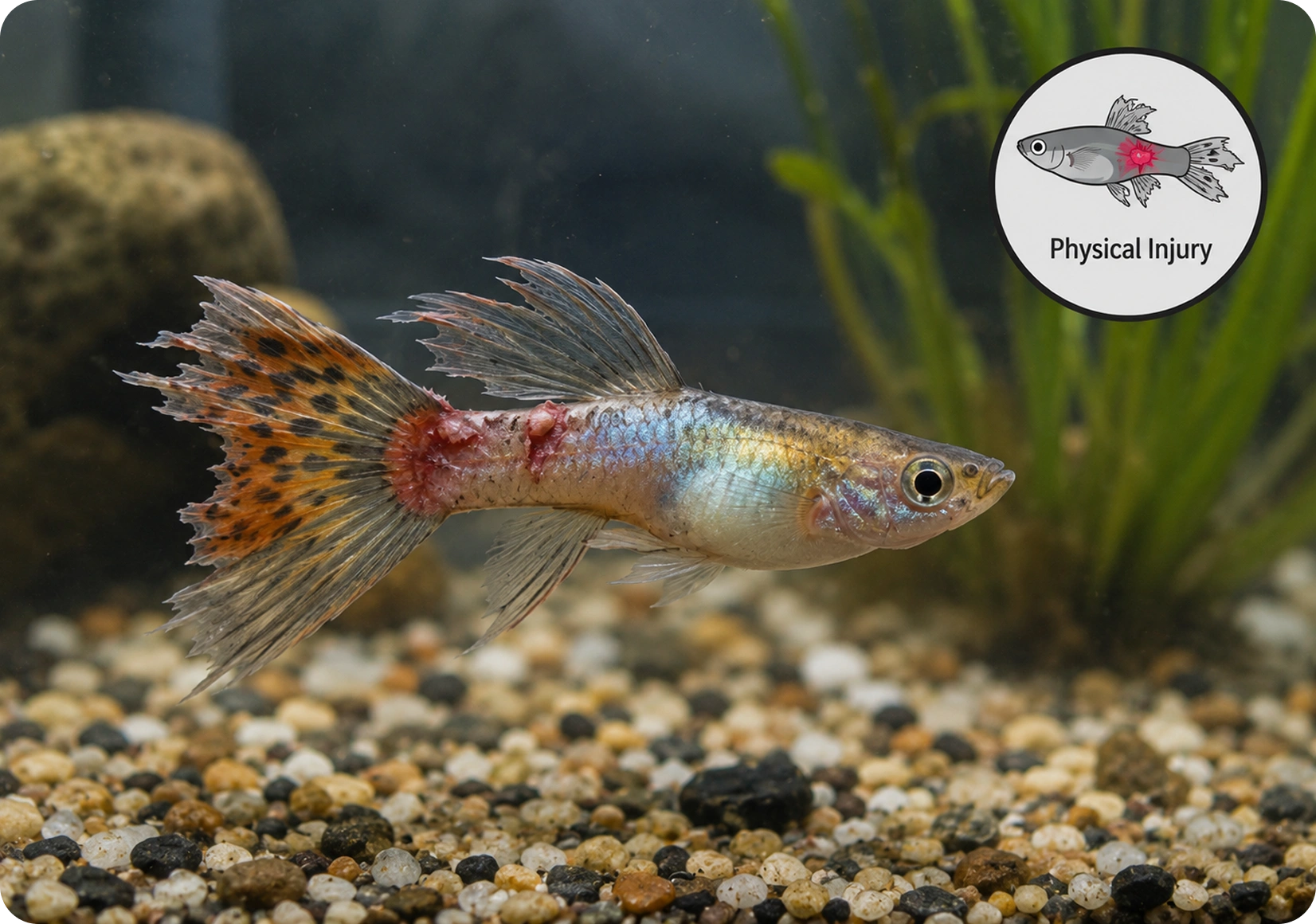
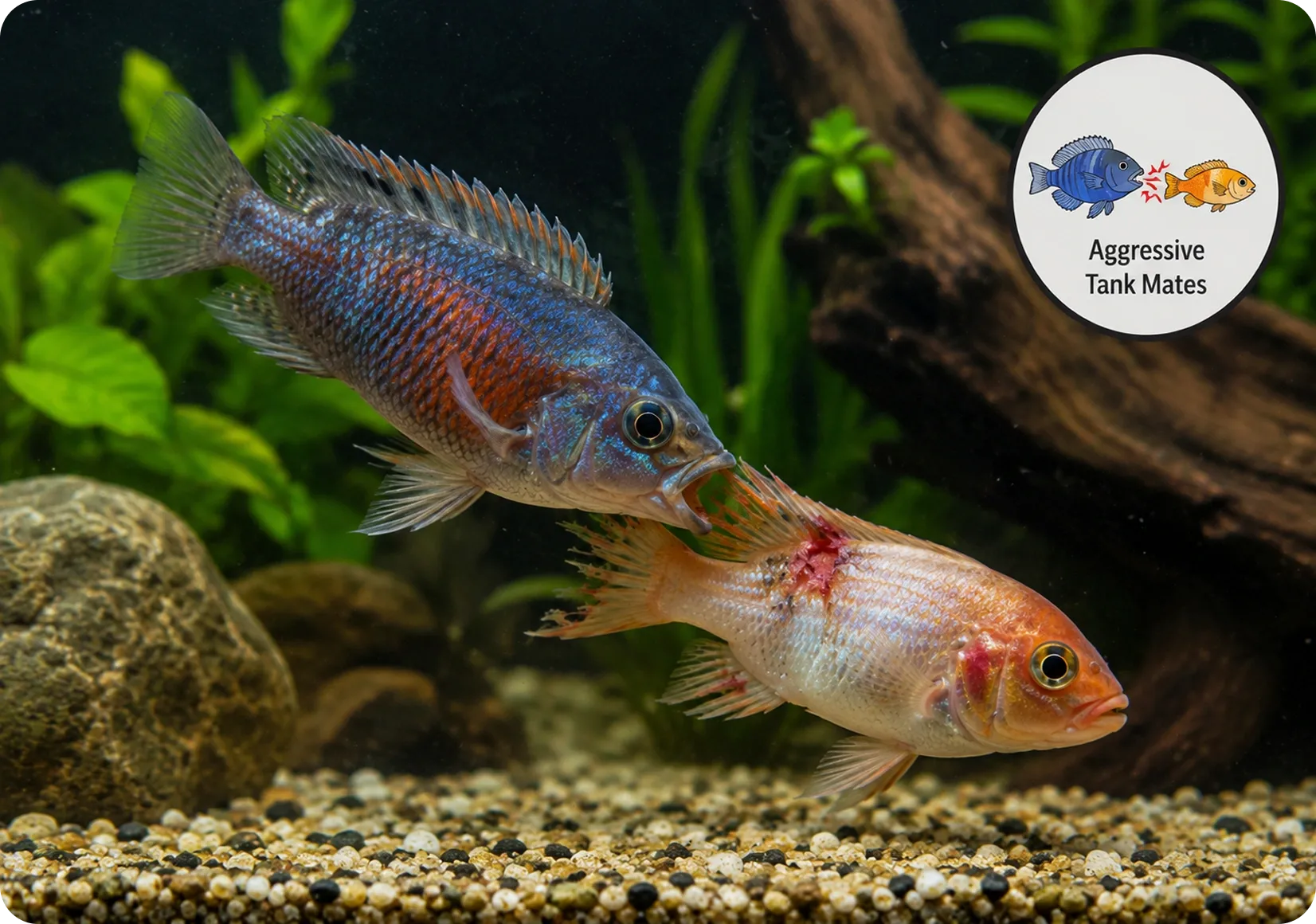
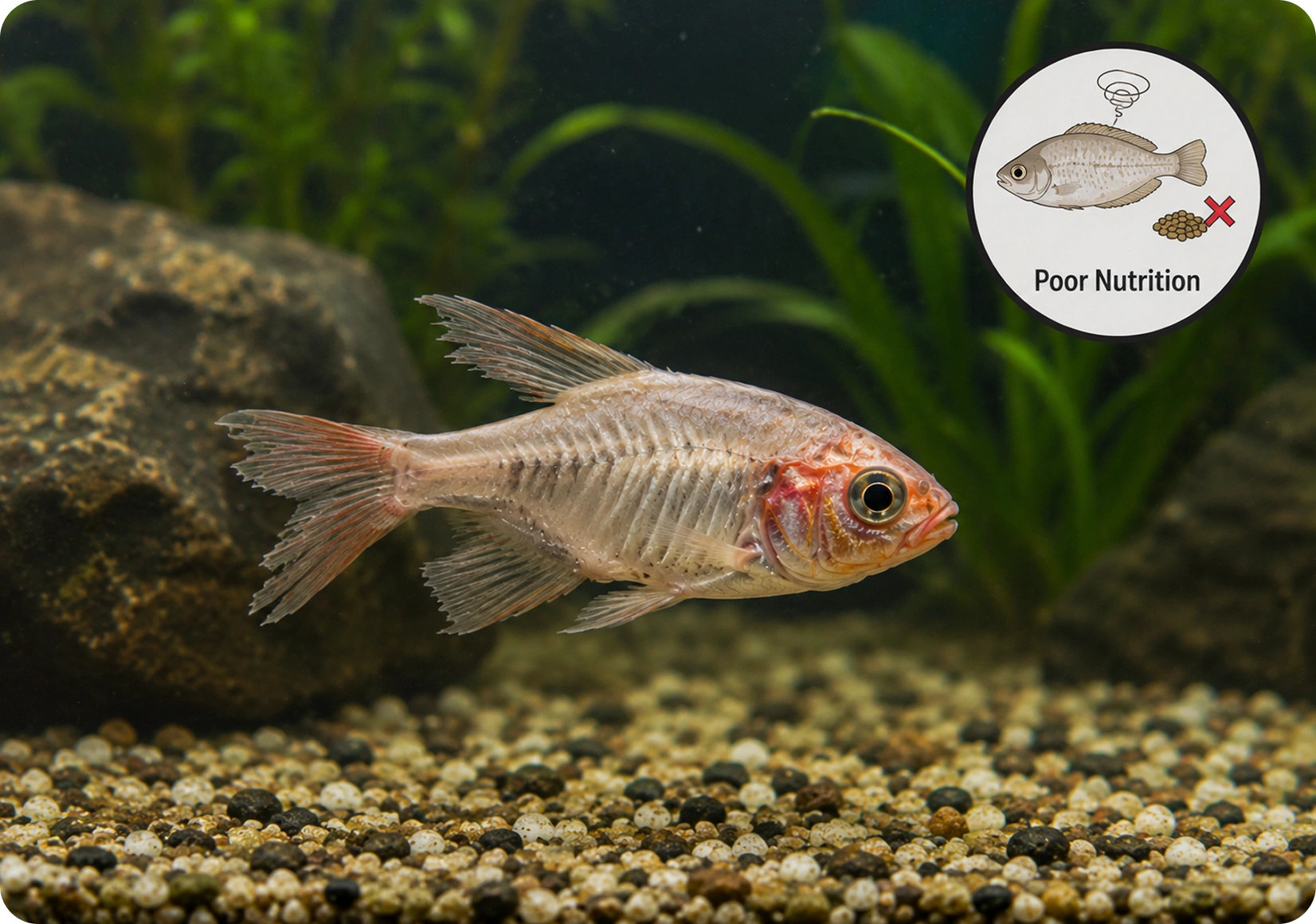
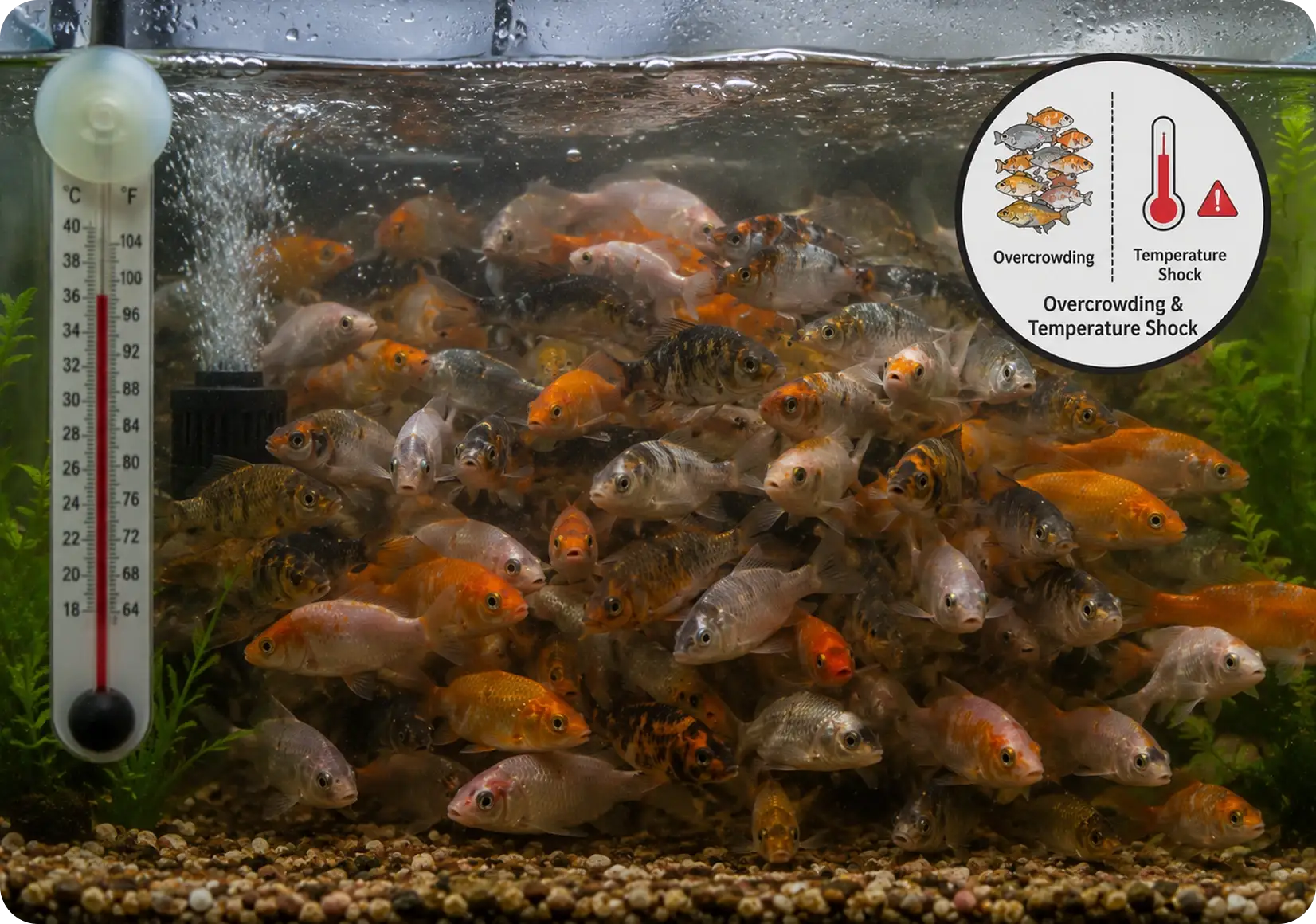
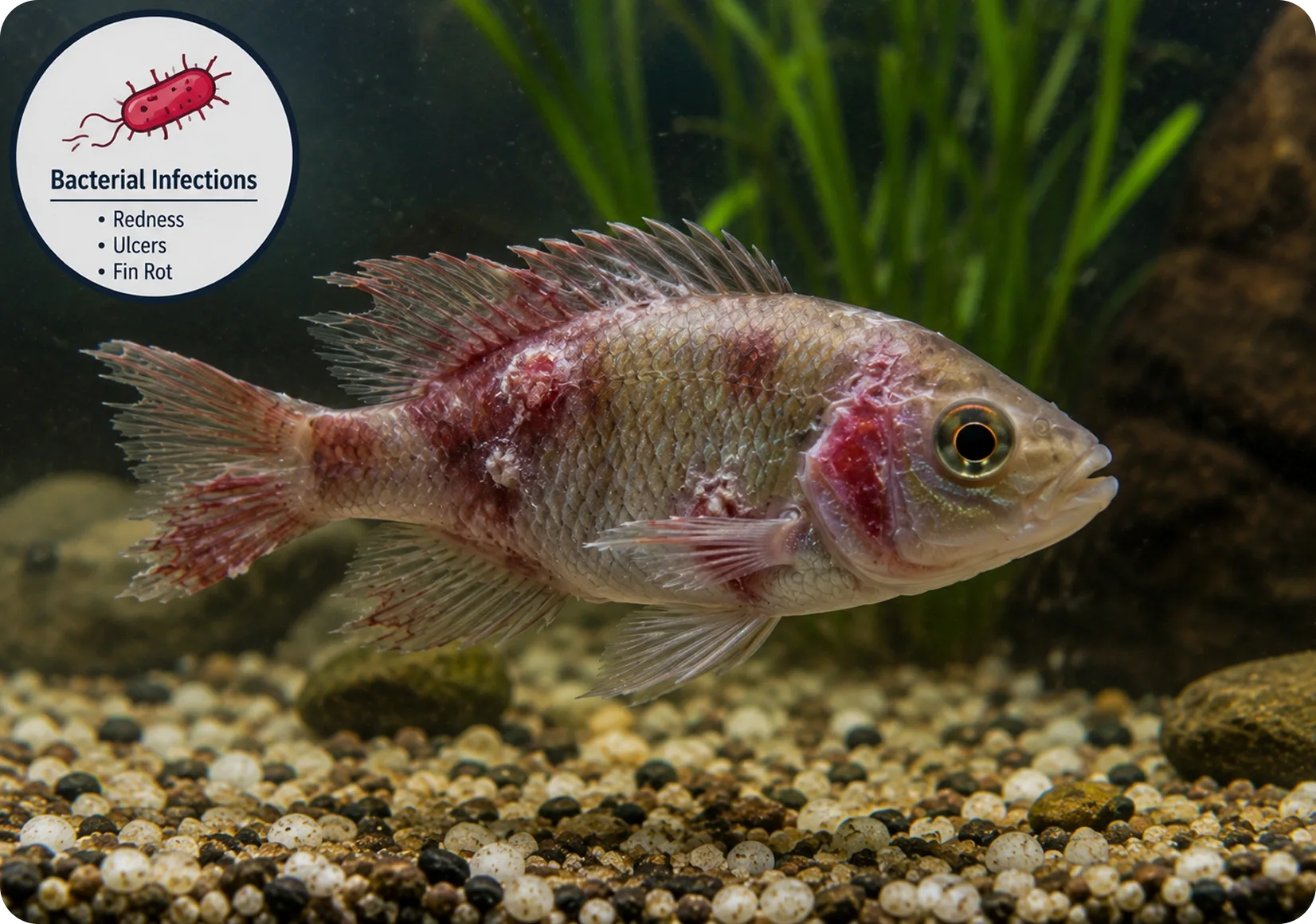
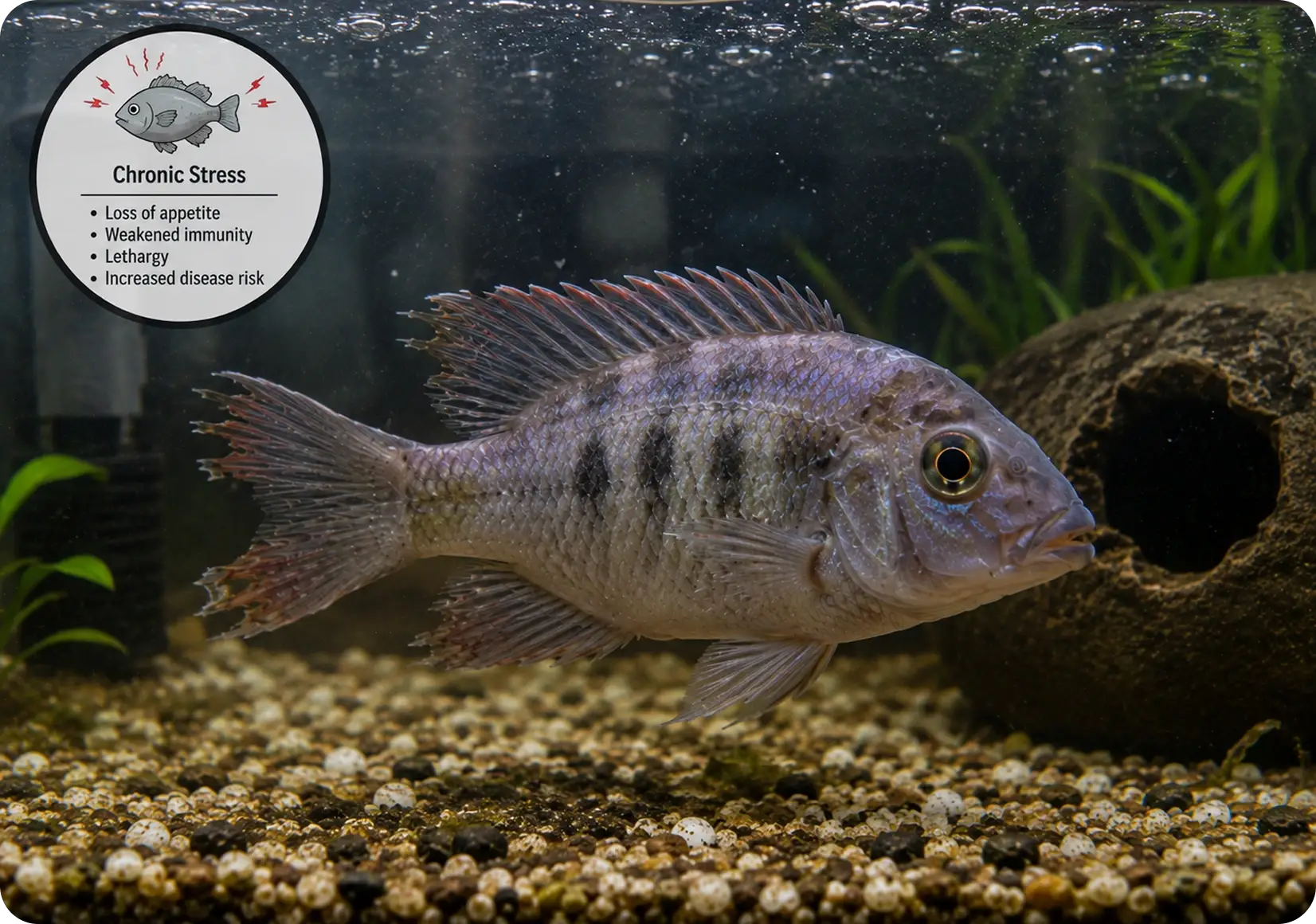
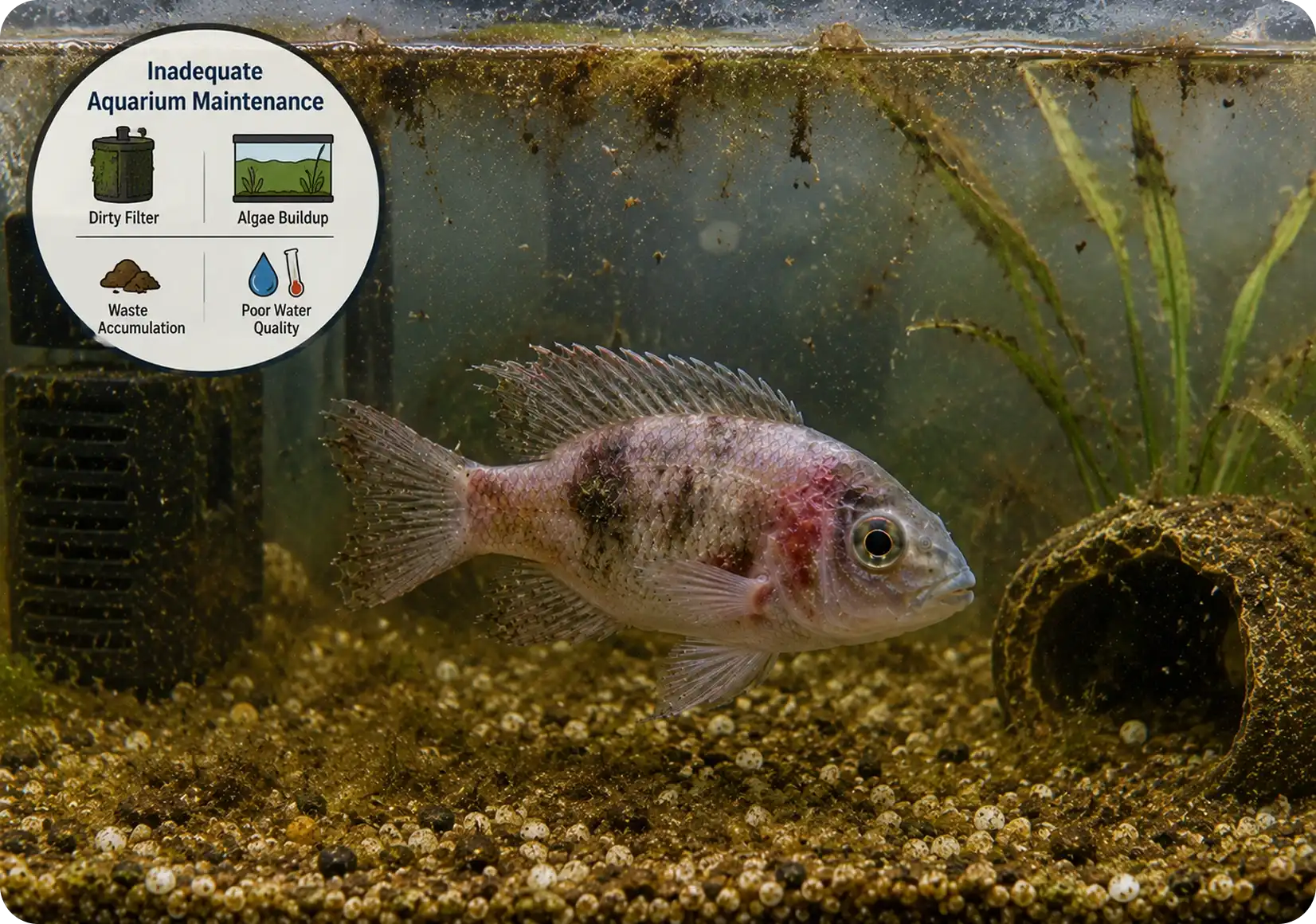
Fin rot in fish is caused by opportunistic bacteria called (Aeromonas, Pseudomonas, or Vibrio) or fungi that attack a fish's fins when their immune system is weakened. These pathogens are constantly present in water but only cause an infection when a fish’s natural defence systems are broken down by stress factors. Learn about the common triggers to prevent fin rot and related complications.
.webp)
Common Signs of Fin Rot in Fish

Frayed or Ragged Fin Edges
Progressive fin fraying is often the most common symptom of bacterial infection and fin tissue damage.
Discoloured Fin Margins
White, black, red or opaque fin edges indicate necrosis, inflammation or advanced infectious disease.

Progressive Fin Erosion
This is a serious symptom where a fish’s fin and tail degrade and waste away as the destruction advances, resulting in impaired swimming and visible structural loss.

Redness and Fin Inflammation
Hyperaemia and localised fin inflammation cause increased redness due to bacterial invasion and tissue damage.

Reduced Activity Levels
Affected fish show lethargy, reduced swimming behaviour and low interest in their surrounding environment.

Loss of Appetite
Anorexia in fish is also a common sign of physiological stress, infectious disease and advanced fin rot, influencing overall health status.
Common Signs of Fin Rot in Fish
Recognise early clinical signs of fin rot to prevent severe tissue damage and improve health outcomes in fish.
Frayed or Ragged Fin Edges
Assess Fin Rot Severity in Your Fish
- Slight fin fraying
- Mild fin discolouration
- Small fin edge damage
- Normal appetite maintained
- Progressive fin erosion
- Noticeable fin inflammation
- Reduced activity levels
- Loss of fin tissue
- Mild appetite reduction
- Fin rot reaching the fin base
- Severe tissue necrosis
- Bloody or ulcerated fins
- Secondary bacterial infection
- Loss of swimming ability
- Signs of systemic illness
When to Consult a Vet for Fin Rot in Fish

Rapidly Progressing Fin Erosion
Progressive fin erosion indicates aggressive infection, requiring immediate veterinary intervention.
Fin Rot Reaching the Fin Base
Advanced fin rot leading to tissue destruction and the fin’s fading away.

Bloody or Ulcerated Fin Tissue
Ulcerated fin tissues indicate necrosis, severe inflammation or secondary infection.

Rapidly Progressing Fin Erosion
Progressive fin erosion indicates aggressive infection, requiring immediate veterinary intervention.
Fin Rot Reaching the Fin Base
Advanced fin rot leading to tissue destruction and the fin’s fading away.


How to Prevent Fin Rot in Fish

Maintain Optimal Water Quality
Test and change water regularly to prevent ammonia toxicity, opportunistic bacterial proliferation and fin tissue damage.

Perform Routine Water Changes
Routine water changes reduce organic waste accumulation and support a stable aquatic environment.

Provide a Nutritionally Balanced Diet
Feed a balanced fish diet consisting of proteins (35–55%), fats (15–25%), carbohydrates, vitamins, and minerals. This supports tissue regeneration, enhances immune system functions and offers resistance against infectious diseases.

Prevent Aggression from Tank Mates
Ensure species compatibility in tank mates. This reduces the chances of fin nipping, chronic stress, territorial aggression, traumatic injuries and secondary bacterial infections.

Avoid Overcrowding in the Aquarium
Avoid overcrowding in the aquarium and ensure proper stocking to minimise physiological stress, pathogen transmission and water quality deterioration.

Maintain Stable Water Temperature
Maintain a consistent water temperature to enhance immune competence and reduce environmental stress.
Maintain Optimal Water Quality
Test and change water regularly to prevent ammonia toxicity, opportunistic bacterial proliferation and fin tissue damage.
Perform Routine Water Changes
Routine water changes reduce organic waste accumulation and support a stable aquatic environment.
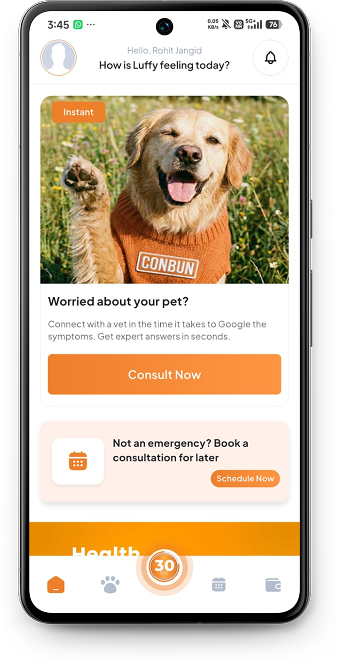
Veterinary Help in Just a Few Simple Steps
Install Conbun and create your pet’s profile so we can understand them better.
Describe symptoms, upload photos if needed, and get quick online pet health advice from verified vets.
Talk to a vet online in just 30 seconds or schedule an appointment for later.



Related Fish Issues
Allergies
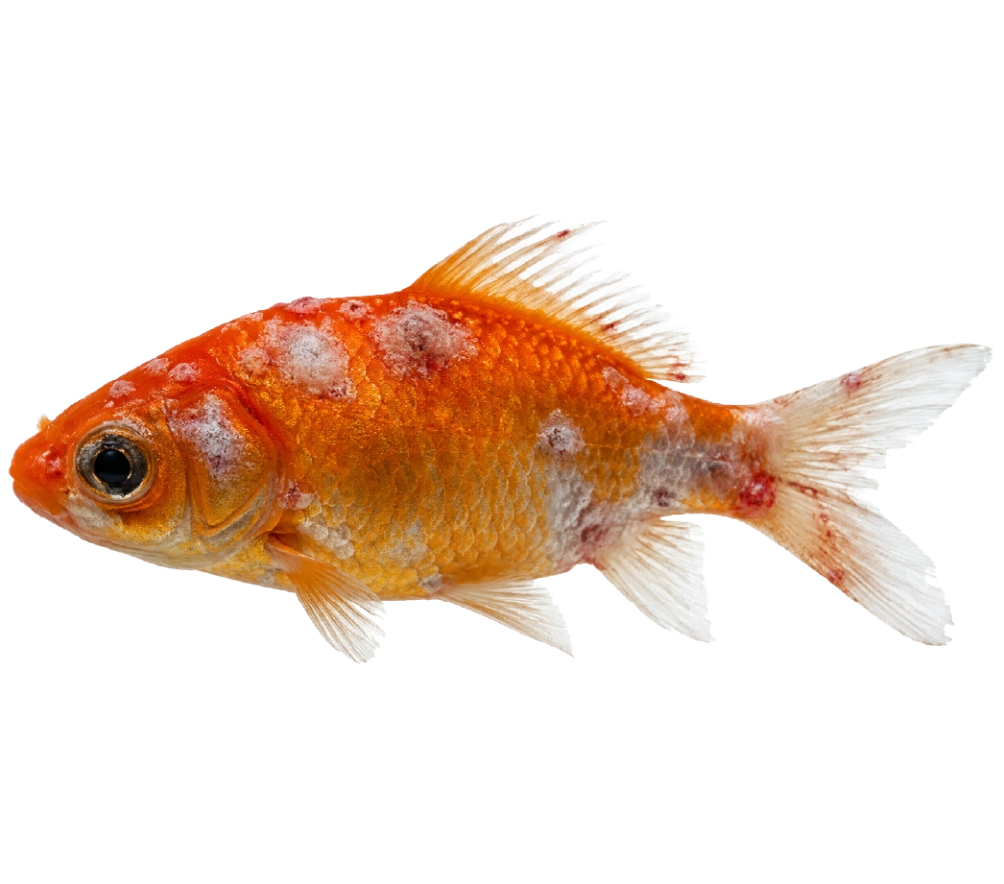
Ich / White Spot Disease
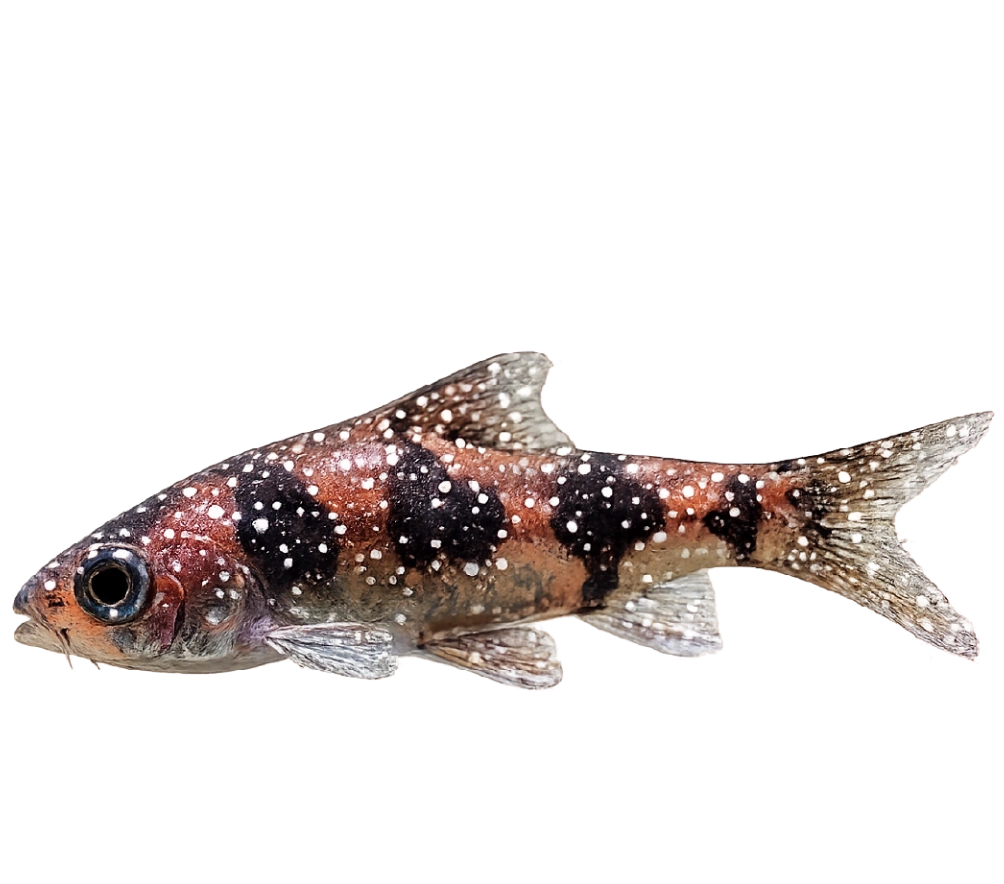
Swim Bladder Disorder (floating/sinking)
Not Eating / Loss of Appetite
Allergies
Ich / White Spot Disease
Frequently Asked Questions
Yes. Most fish can recover from fin rot if the condition is identified and treated early. In mild to moderate cases, fish respond well to improved water quality and appropriate treatment. However, advanced fin rot can lead to secondary infections, severe tissue loss and systemic illness.
The best fin rot treatment involves correcting the underlying cause, improving water quality, reducing stress and addressing any bacterial or fungal infection. Early intervention is important to stop fin deterioration and promote tissue generation. The exact treatment of fin rot depends on the severity of the condition.
Poor water quality is the most common cause of fin rot disease. Elevated ammonia, nitrite or nitrate can lead to fin damage and weaken the immune system, which allows opportunistic bacteria to invade. Overcrowding, aggression, and poor nutrition may also contribute to its development.
The most appropriate antibiotic depends on the causative pathogen, species of fish and severity of the infection. The most effective antibiotics commonly prescribed by vets include kanamycin, nitrofurazone, tetracycline, or erythromycin. Fin rot in betta fish can progress rapidly if an ineffective antibiotic is used, so it is advised that a prescription must be vet-recommended.
Common symptoms of fin rot include ragged fin edges and progressive fin erosion, fin discolouration, reduced appetite, redness, inflammation, impaired swimming and lethargy/
Yes. Conbun helps pet fish parents to connect with experienced veterinarians for guidance on fin rot disease, interpretation of fin rot symptoms, aquarium management and recommendations for best fin rot treatment. Whether you have a tropical fish, a goldfish, or fin rot in a betta fish, professional advice can help you take the right steps quickly.
Online vet consultation for Fin Rot
Fin rot is a progressive condition that can quickly damage a fish’s fins and compromise its overall health if left untreated. Symptoms like frayed fins, fin discolouration, tissue erosion, lethargy, and loss of appetite should not be ignored. With early diagnosis and intervention, you can prevent permanent fin damage and improve recovery.
Conbun helps you connect with an aquatic vet online and receive professional guidance from the comfort of your home. Whether you are concerned about disease progression, water quality, treatment options and preventive care, veterinary help is just a few taps away. Talk to a fish vet online with Conbun to discuss symptoms, share photos or videos, and receive personalised recommendations.
Conbun is a veterinary consultation app that makes fish health increasingly accessible by helping pet parents to connect with experienced vets who understand aquatic health. With online vet consultation for fish, you get expert advice for aquarium conditions, fin rot management and the next steps to support your fish’s recovery.
See More...