.webp)
Fish Dropsy (Bloating)? Consult an Aquatic Vet Online in India
Raised scales, abdominal swelling, loss of appetite, lethargy or difficulty swimming indicate a potentially life-threatening condition called Dropsy. Talk to a vet online instantly or schedule a vet appointment anytime to treat dropsy in fish
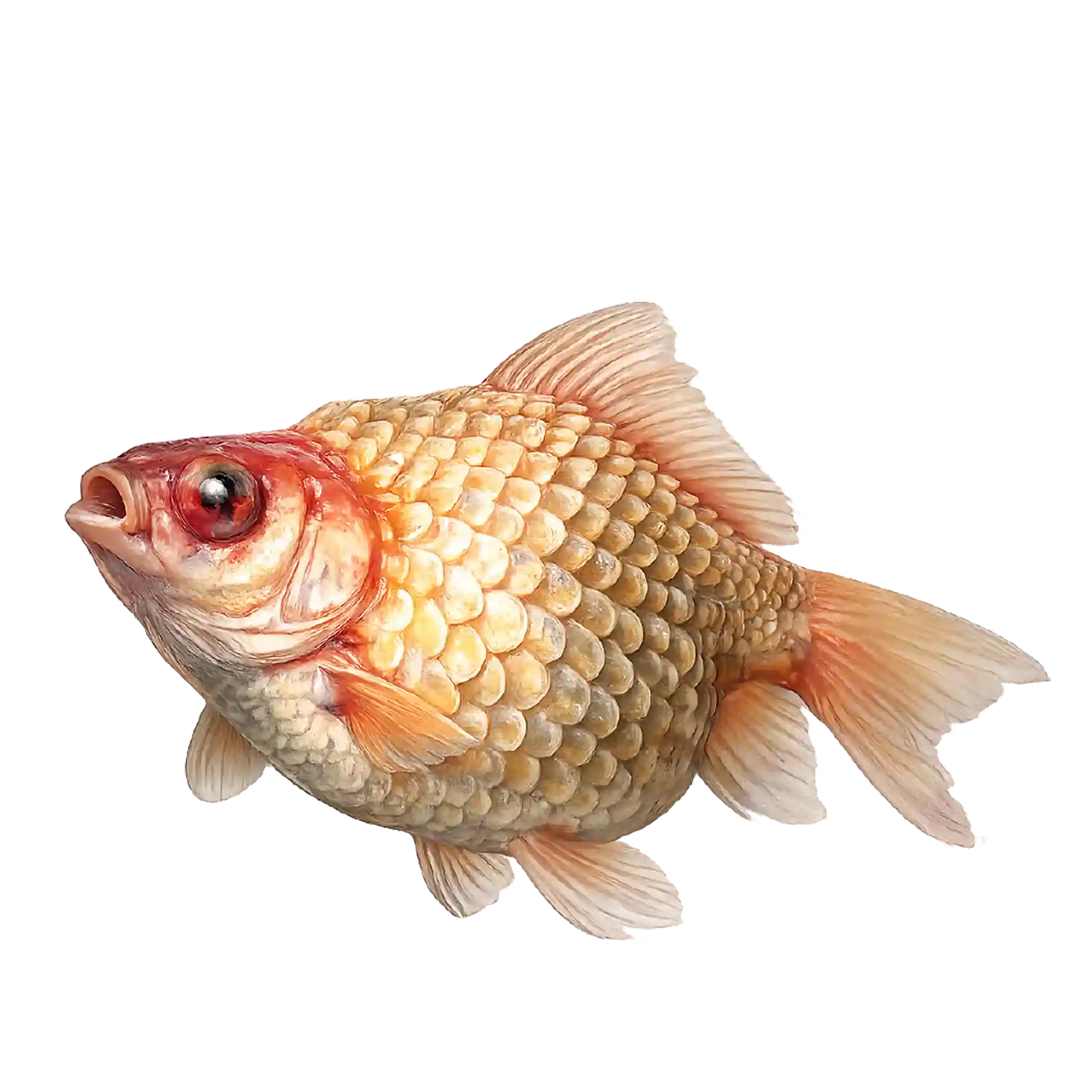
Causes of Dropsy in Fish
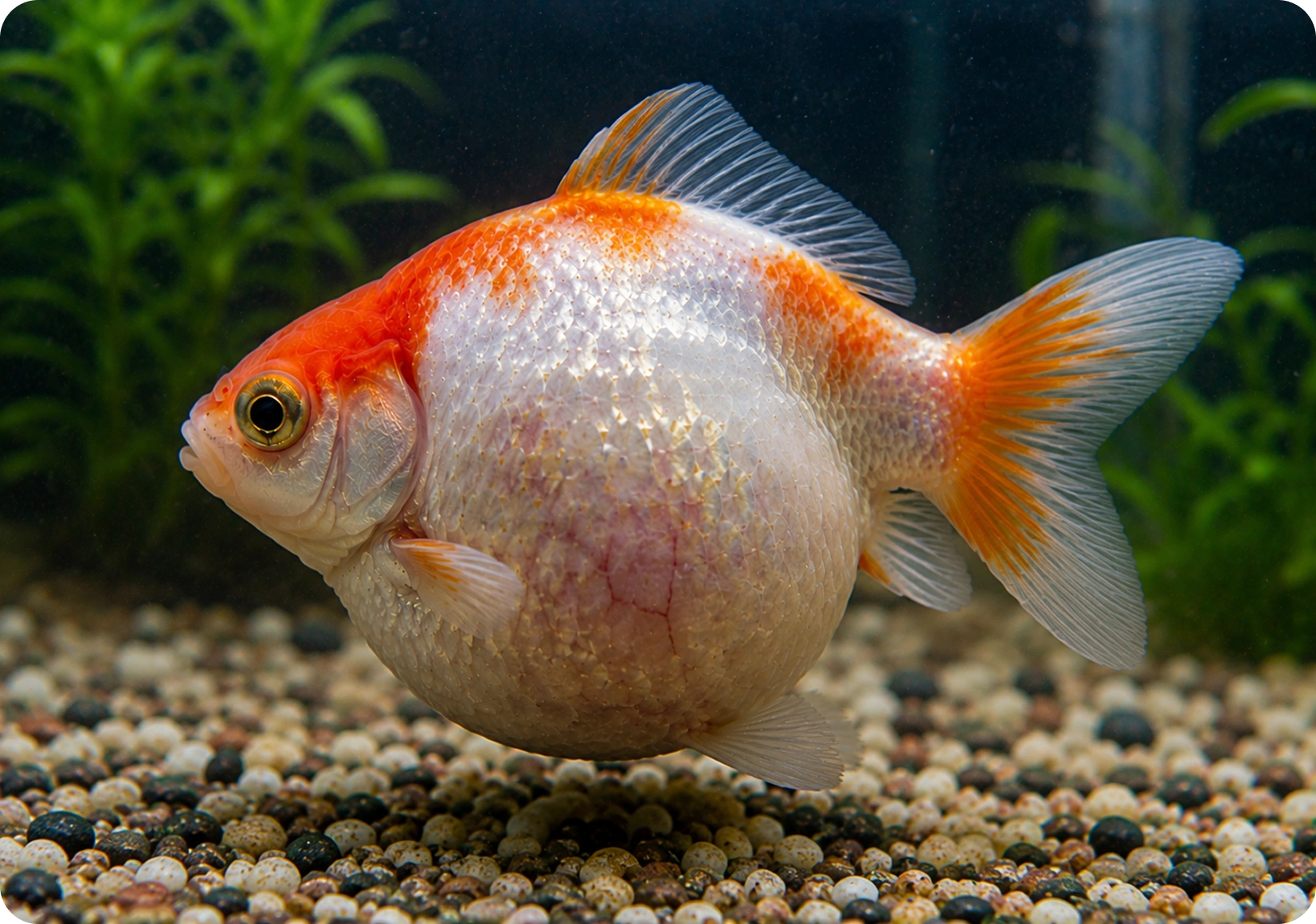
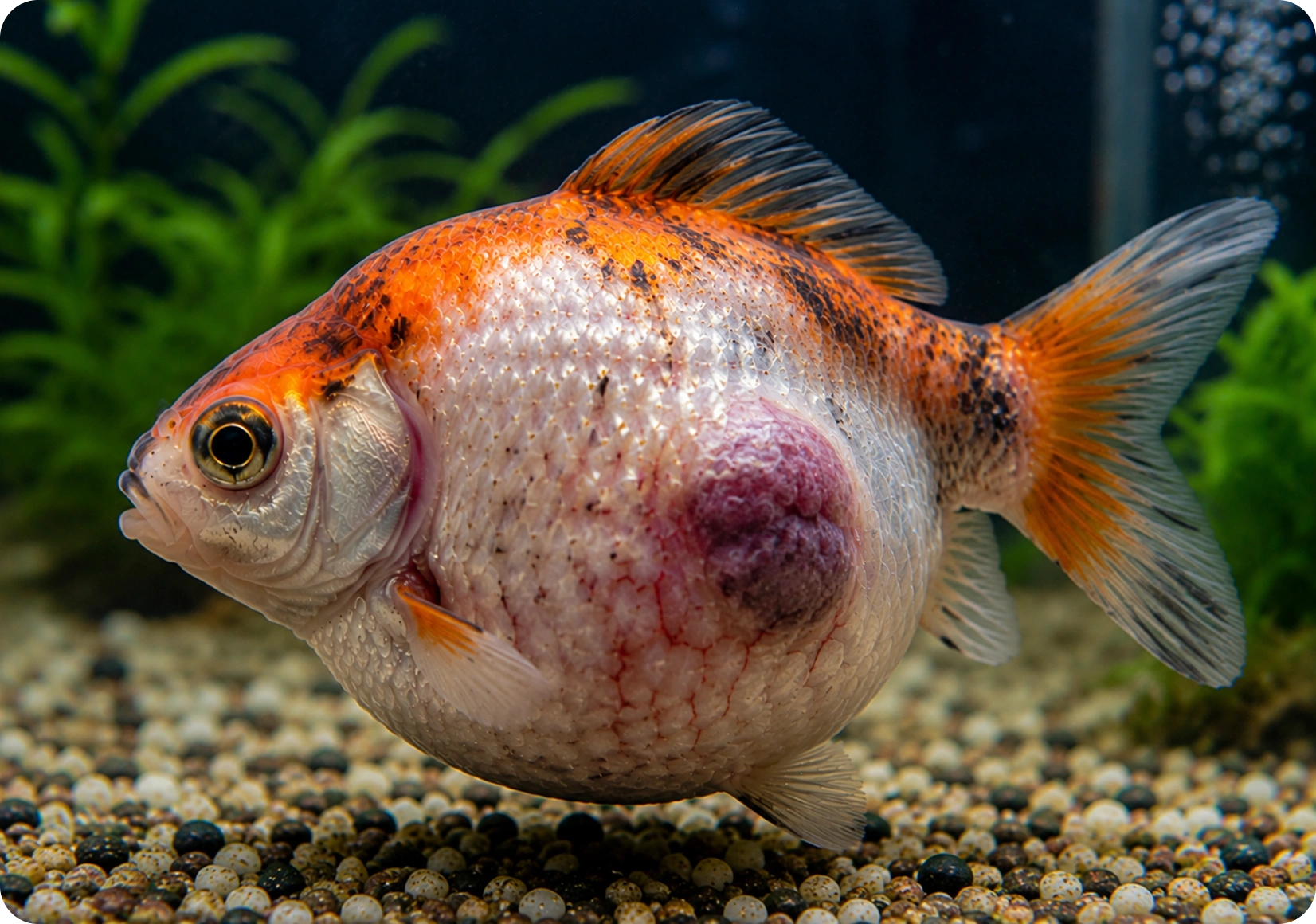
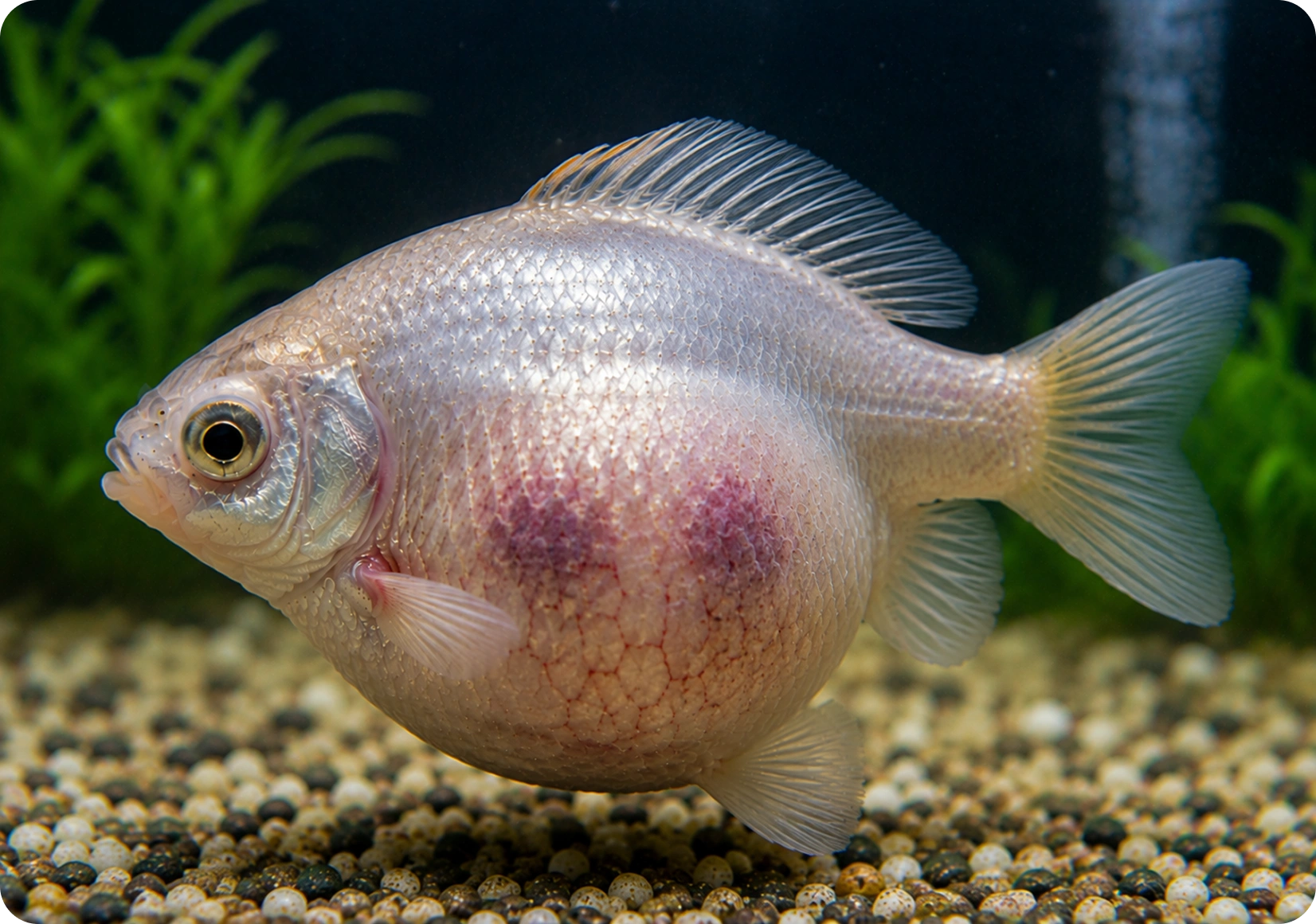
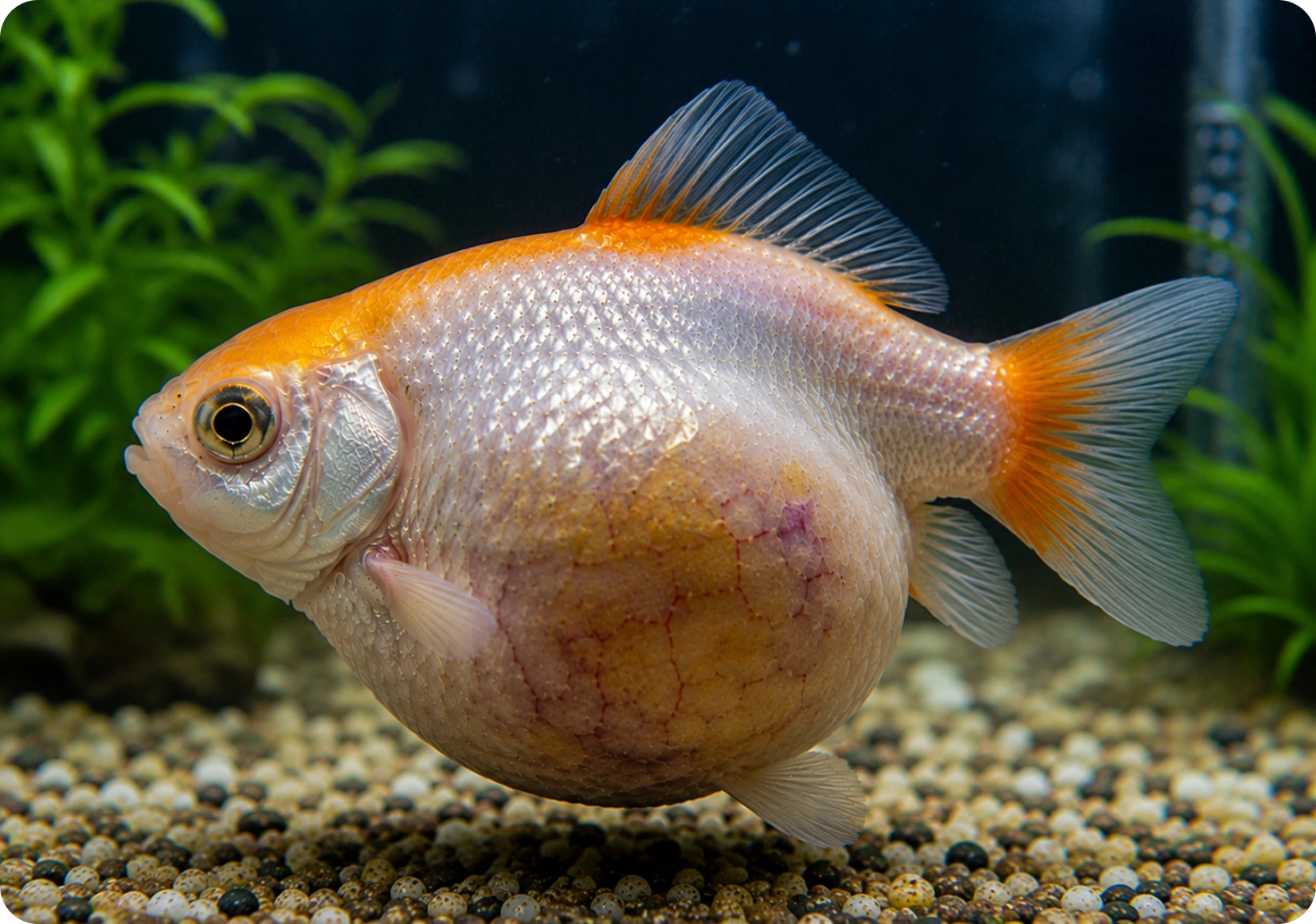
Dropsy is a severe, often fatal condition where fluid accumulates inside the body cavity or tissues, leading to raised, pinecone-like scales. Dropsy is not a disease but a symptom of an underlying condition like kidney or gill failure.
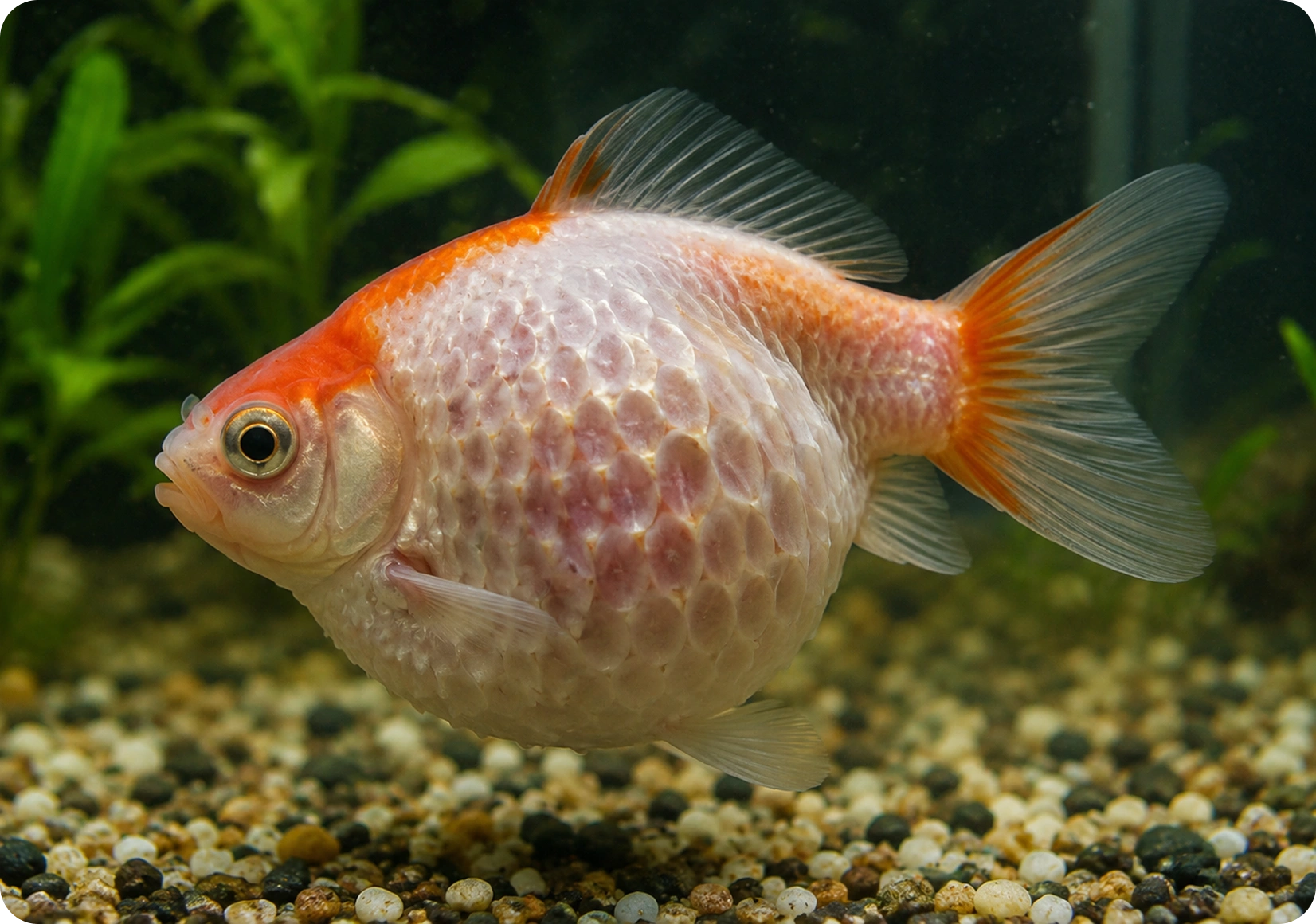
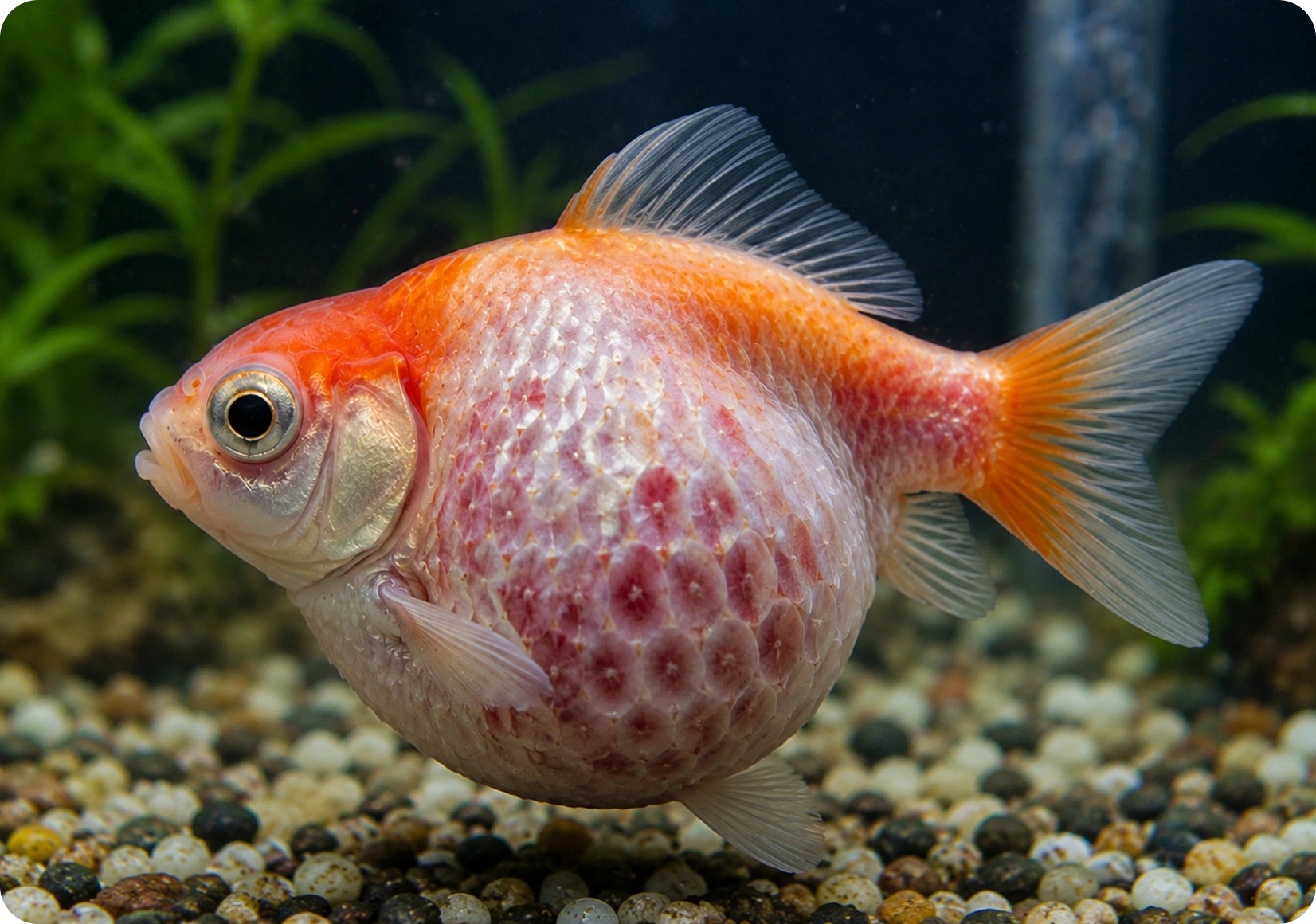
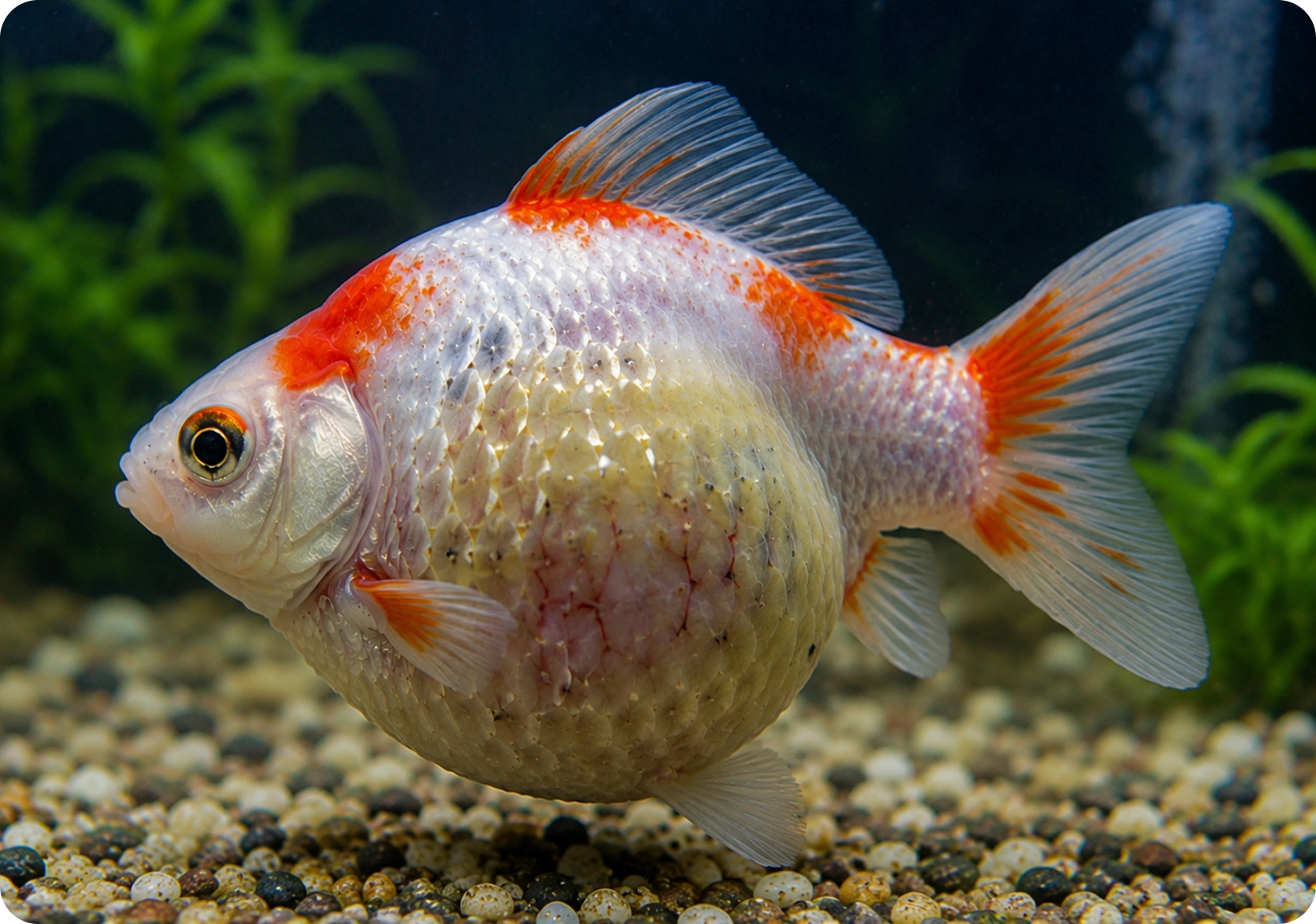
Common Signs of Dropsy in Fish

Pinecone-Like Raised Scales
Accumulation of fluid beneath the skin leads to the development of scales that protrude outward, creating a peculiar pinecone appearance.

Abdominal Swelling
Progressive abdominal distension leads to internal fluid retention, organ dysfunction or underlying systemic disease processes.

Loss of Appetite
Fish affected with dropsy exhibit anorexia as a systemic illness impairs the metabolic function and normal feeding behaviour.

Lethargy and Reduced Activity
Reduced swimming activity and consistent lethargy commonly occur as fluid accumulation places physiological stress on the body.
Difficulty Swimming or Maintaining Buoyancy
Internal swelling leads to compression of the swim bladder, resulting in impaired balance, abnormal buoyancy and swimming difficulties.
.svg)
Bulging Eyes (Exophthalmia)
Exophthalmia, or bulging eyes, is a clinical sign of advanced cases of dropsy, where fluid is retained behind the eyes.
Common Signs of Dropsy in Fish
Recognising the early signs of dropsy can improve prognosis and positively influence treatment outcomes.
Pinecone-Like Raised Scales
Know the Severity of Dropsy in Your Fish
- Slight abdominal enlargement
- Mild appetite reduction
- Reduced activity levels
- Slight abnormalities in buoyancy
- Noticeable abdominal swelling
- Early scale protrusion
- Pronounced pinecone-like scales
- Persistent anorexia
- Isolation and lethargy
- Severe abdominal distension
- Complete refusal to eat
- Exophthalmia
- Loss of buoyancy control
- Organ failure or septicaemia
When to Consult a Vet for Dropsy in Fish

Pinecone-Like Scale Protrusion
Pinecone-like scales indicate oedema and severe systemic disease.

Rapidly Increasing Abdominal Distension
Abdominal distension indicates fluid accumulation and dysfunction.

Complete Loss of Appetite
Complete loss of appetite is a warning sign of internal pathological processes.

Pinecone-Like Scale Protrusion
Pinecone-like scales indicate oedema and severe systemic disease.
Rapidly Increasing Abdominal Distension
Abdominal distension indicates fluid accumulation and dysfunction.


Help Prevent Dropsy in Fish

Maintain Excellent Water Quality
Maintain stable ammonia, nitrite and nitrate levels to prevent stress and lower susceptibility to infections that result in dropsy.
Quarantine New Fish Before Introduction
Follow quarantine protocols to prevent the transmission of parasitic, bacterial or viral pathogens into established tank populations.

Provide a Nutritionally Complete Diet
Offer a nutritionally balanced diet to enhance organ function, immune competence and resistance against infections.

Avoid Overstocking and Chronic Stress
Stress can predispose fish to systemic health disorders. Avoid overcrowding tanks to reduce cortisol-mediated stress responses.
Perform Regular Health Monitoring
Monitor your fish’s behaviour regularly to identify abdominal swelling, anorexia, behavioural changes and disease conditions.

Maintain Stable Environmental Parameters
Maintain a consistent temperature, pH and dissolved oxygen levels to support physiological homeostasis to prevent the development of dropsy.
Maintain Excellent Water Quality
Maintain stable ammonia, nitrite and nitrate levels to prevent stress and lower susceptibility to infections that result in dropsy.
Quarantine New Fish Before Introduction
Follow quarantine protocols to prevent the transmission of parasitic, bacterial or viral pathogens into established tank populations.
Veterinary Help in Just a Few Simple Steps
Install Conbun and create your pet’s profile so we can understand them better.
Describe symptoms, upload photos if needed, and get quick online pet health advice from verified vets.
Talk to a vet online in just 30 seconds or schedule an appointment for later.



Related Fish Issues
Allergies
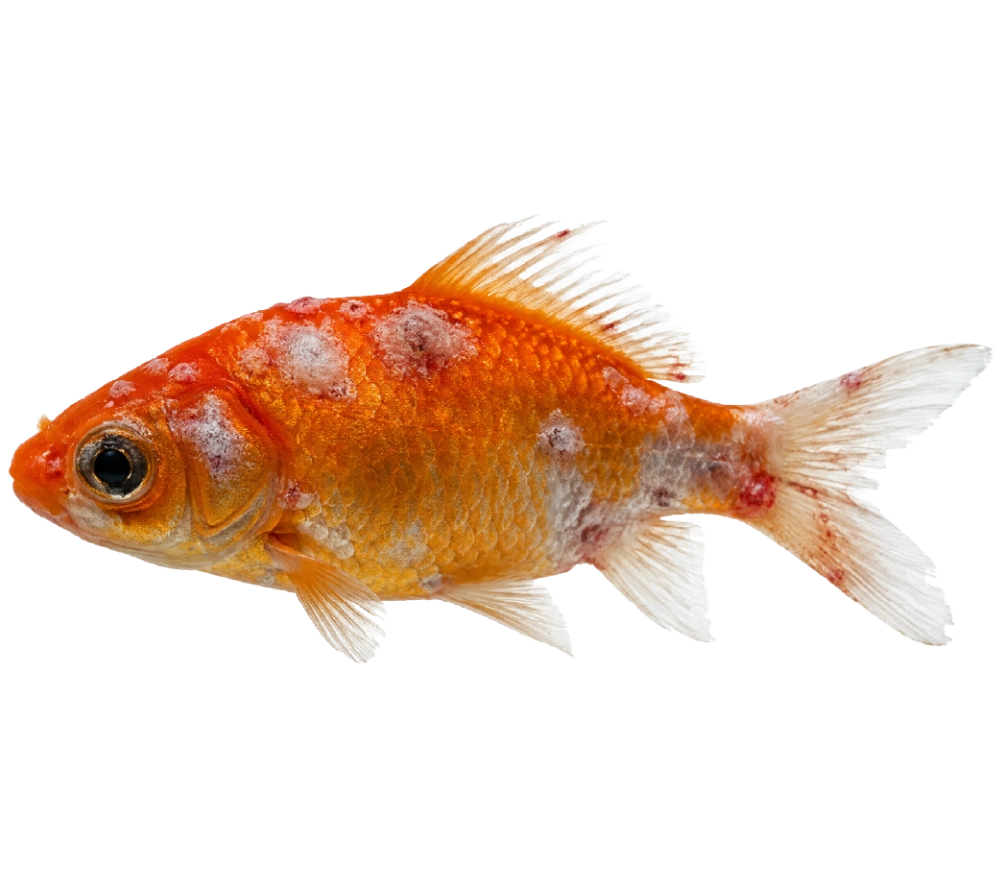
Fin Rot
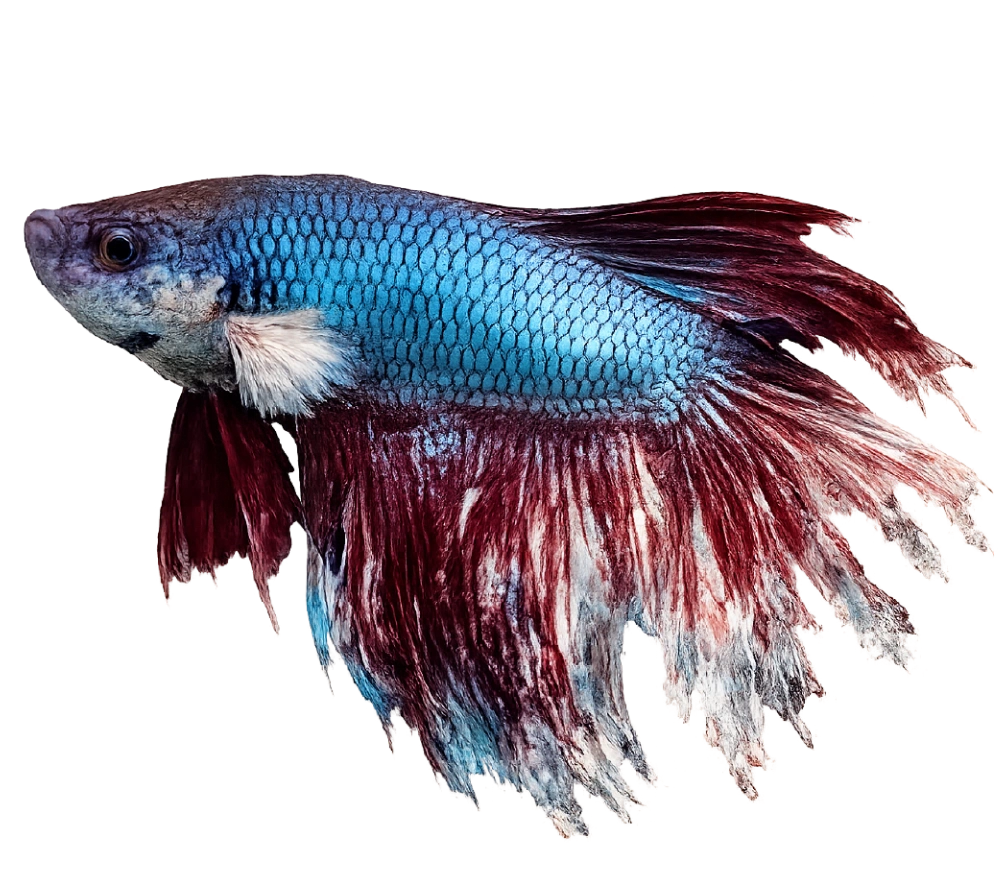
Ich / White Spot Disease
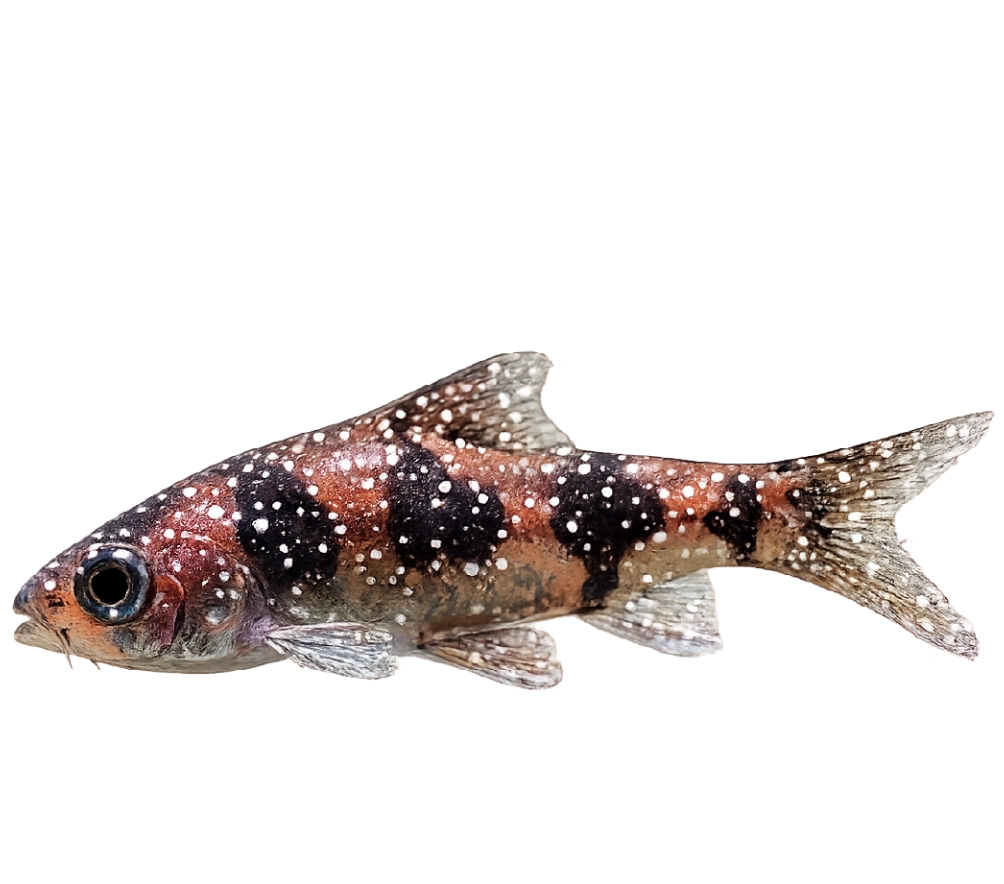
Swim Bladder Disorder (floating/sinking)
Allergies
Fin Rot
Frequently Asked Questions
Treatment of dropsy in fish deals with identifying and addressing the underlying cause. Treatment includes broad-spectrum antibiotics (like kanamycin) and Epsom salt to reduce fluid retention in addition to improving water quality, reducing stress and correcting husbandry-related issues.
Yes. Many fish can survive dropsy, particularly if the condition is caught and treated early. Recovery of fish with drops depends on the severity of the disease, the underlying causes and the extent to which it has spread in the organs. Fish with mild symptoms of dropsy have a better prognosis.
Dropsy itself is not contagious, as it is a symptom of an underlying disorder, which could or could not be contagious. Infectious bacterial or parasitic diseases may spread to other fish in the aquarium if the infected fish is not quarantined.
There is no single remedy for dropsy. It is a symptom that needs targeted treatment for the underlying cause. Effective management of dropsy requires treating the underlying cause, improving environmental conditions and supporting organ function. A veterinarian-guided treatment with prescription medication is the most effective first line of treatment.
At-home treatment for dropsy in fish must revolve around maintaining excellent water quality, ensuring proper nutrition, reducing environmental stress and monitoring symptoms. As dropsy often indicates critical internal disease, guidance from a pet fish doctor is strongly recommended.
Common symptoms of dropsy in fish include abdominal swelling, pinecone-like raised scales, loss of appetite, lethargy, bulging eyes (exophthalmia), difficulty swimming, and reduced activity levels.
Yes. An online veterinary consultation on the Conbun app can help you evaluate dropsy symptoms in fish, identify potential causes, review aquarium conditions and offer guidance on treatment. Early advice can help improve outcomes and support the recovery of your fish.
Get Virtual Veterinary Support for Dropsy in Fish
Dropsy is not a disease but a symptom that indicates bacterial infection, parasitic disease, organ dysfunction or other systemic health conditions. Symptoms include raised scales, lethargy, loss of appetite, swimming difficulties, etc. Early detection and timely initiation of treatment can significantly improve health outcomes, preventing further deterioration.
With Conbun, you can access online fish doctor consultation services from experienced fish doctors who understand aquatic animal health. Whether you want to identify symptoms, improve aquarium conditions or understand treatment options, Conbun ensures veterinary guidance is always available.
The growing pet community in India trusts Conbun for reliable veterinary support. The app makes professional pet care more accessible than ever. It is designed to connect you with qualified experts so that you get pet health online support whenever you need it and take proactive steps to protect your fish's health and well-being.
See More...