
Online Vet Appointments For Dog Digestive Problems & Vomiting
Vomiting, stomach upset, diarrhoea, or digestive discomfort indicate underlying health concerns. Connect with veterinarians online instantly for timely guidance and care.
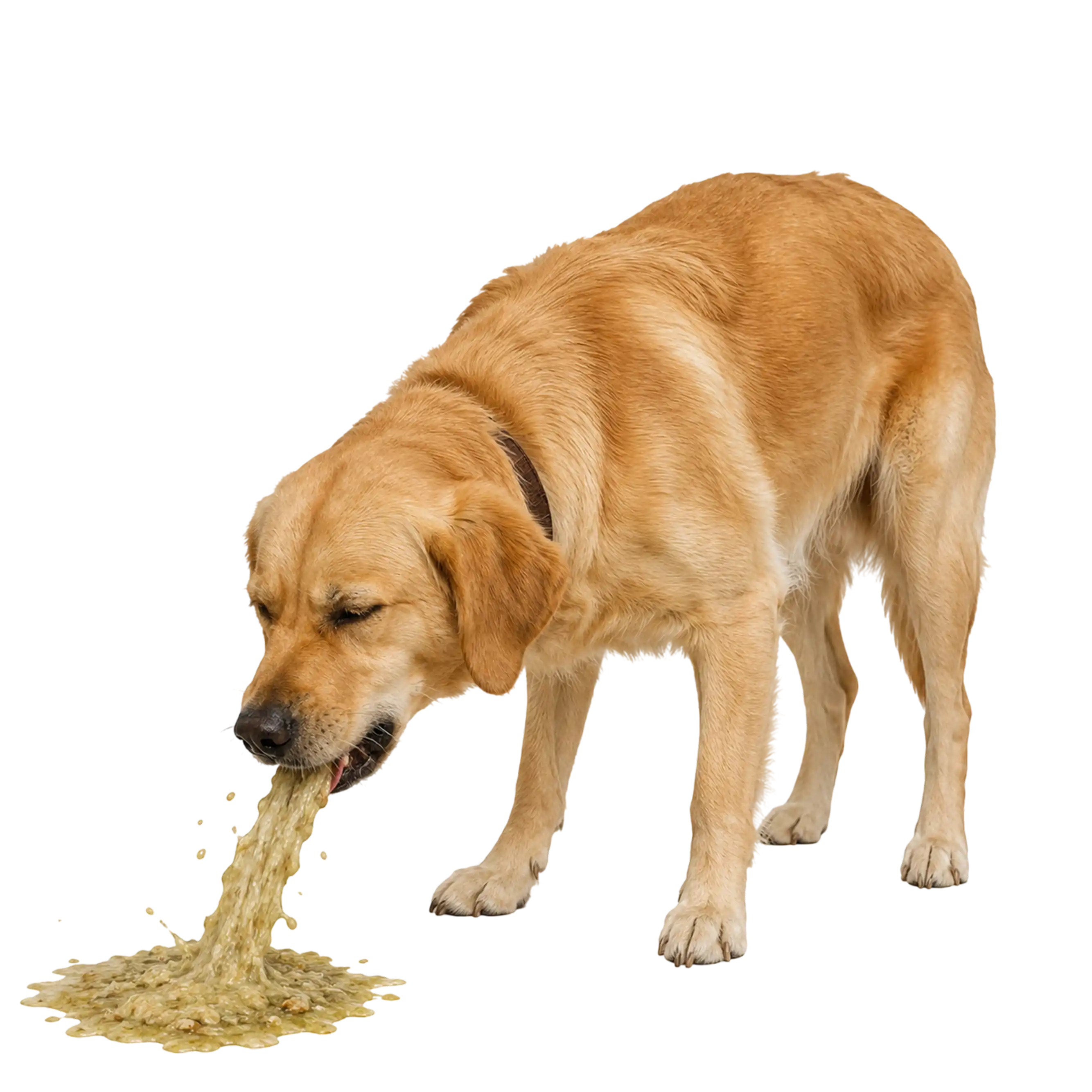
Common Causes Of Vomiting And Diarrhoea In Dogs
In dogs, digestive issues can have various causes, ranging from mild stomach upset to serious medical conditions.
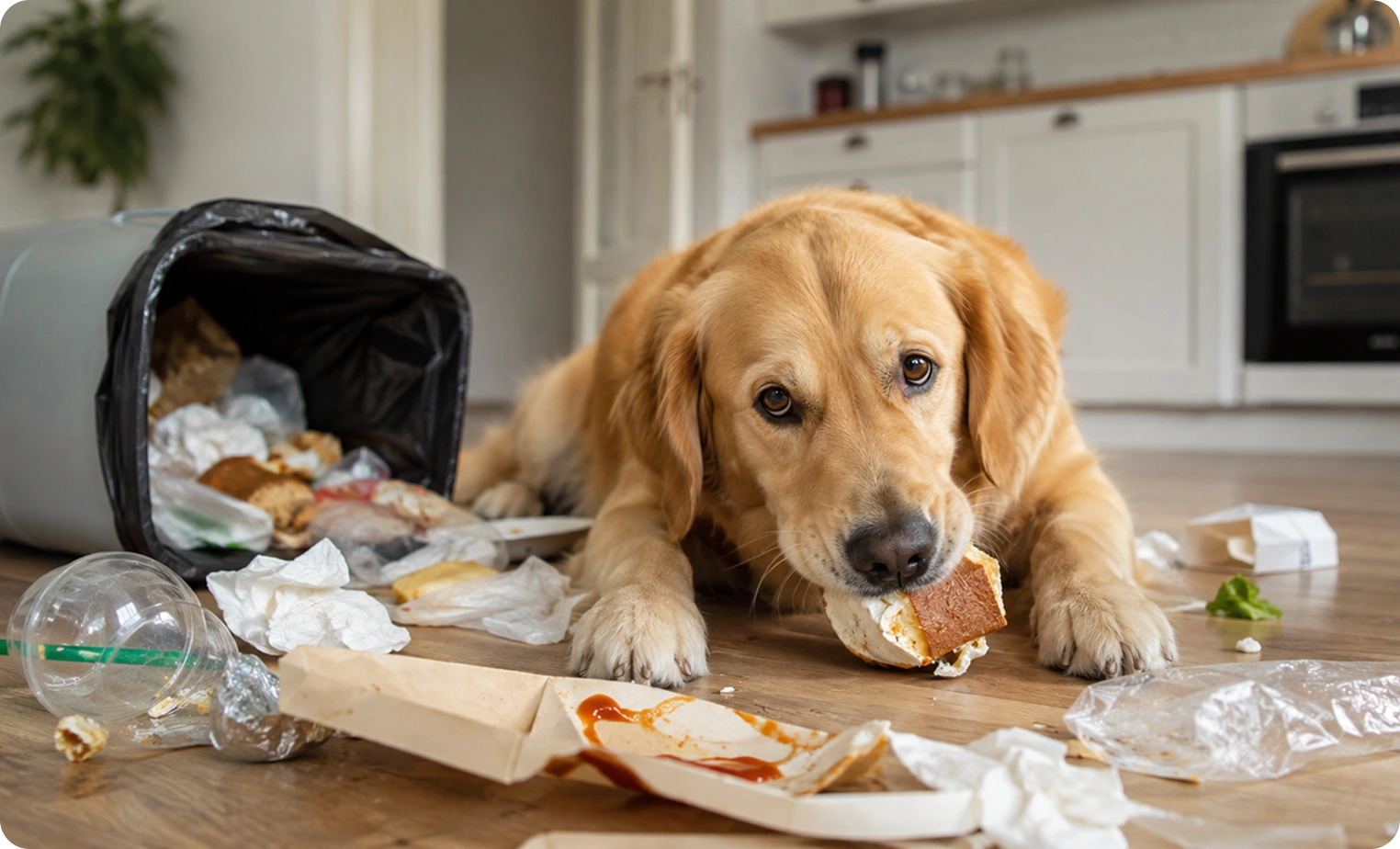
Dietary Indiscretion
Eating foreign objects, garbage, spoiled food, or inappropriate treats can trigger diarrhoea, vomiting and digestive irr...
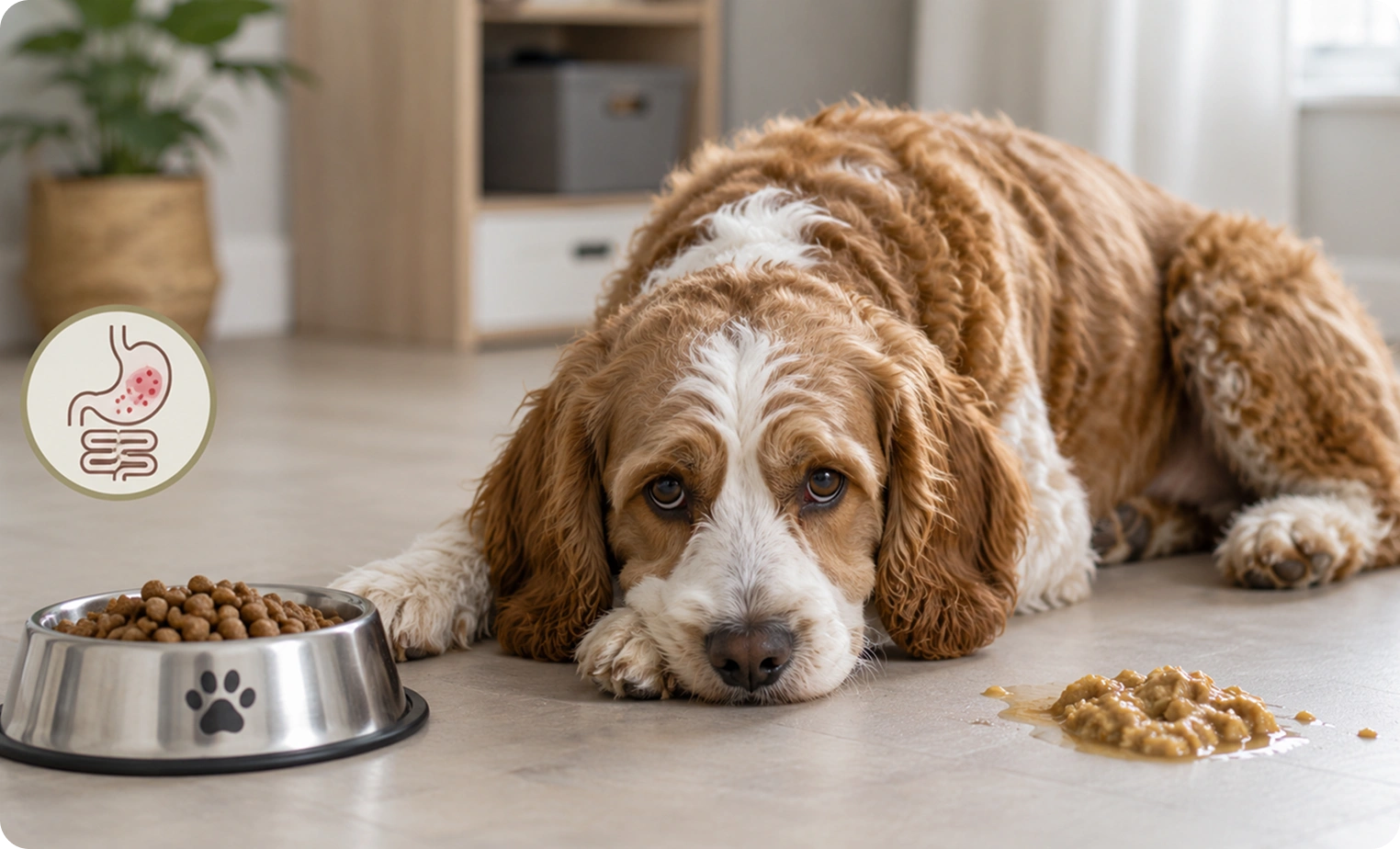
Food Intolerance
Certain ingredients may not agree with some dogs, leading to recurrent digestive upset, loose stools and vomiting.
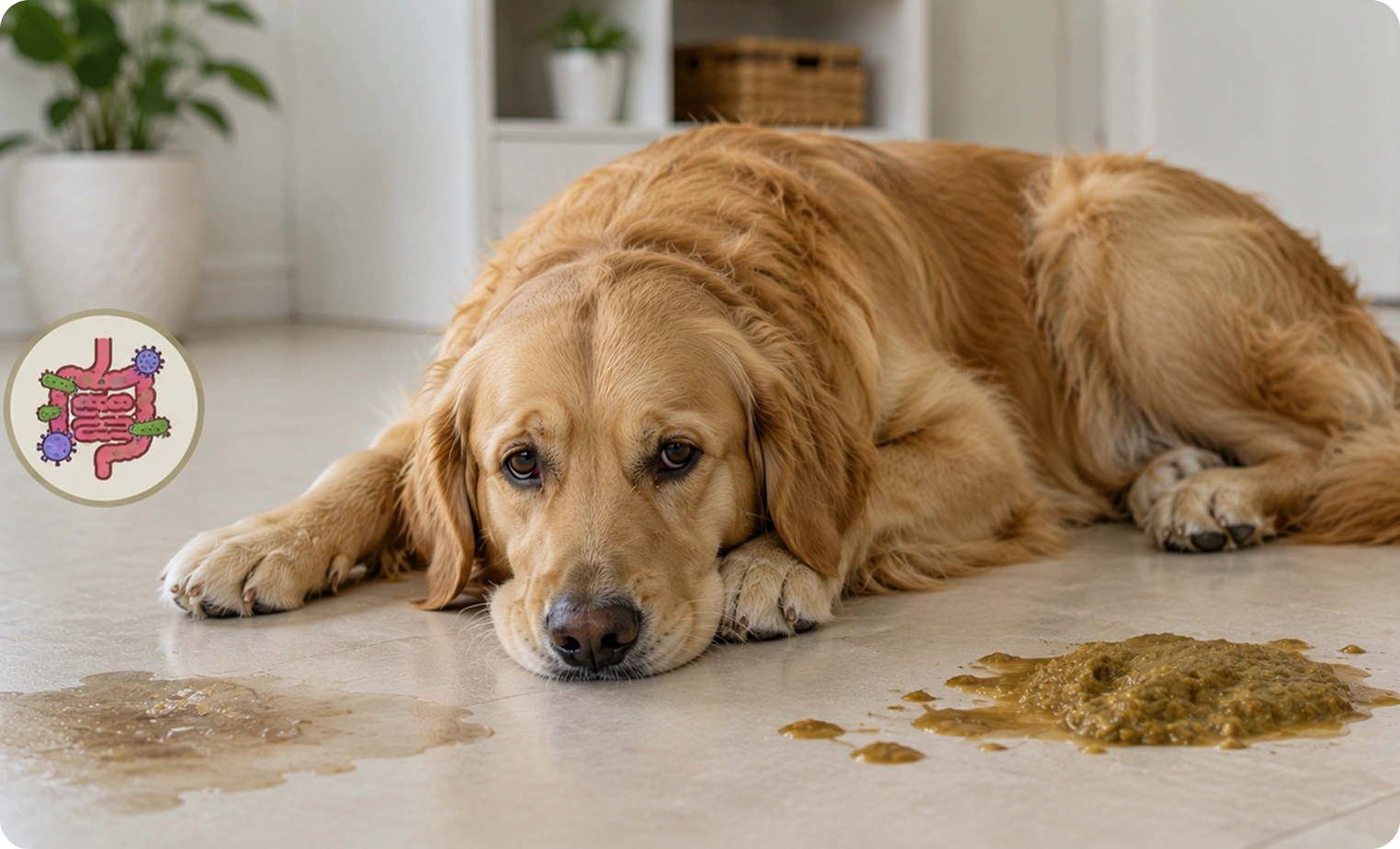
Gastrointestinal Infections
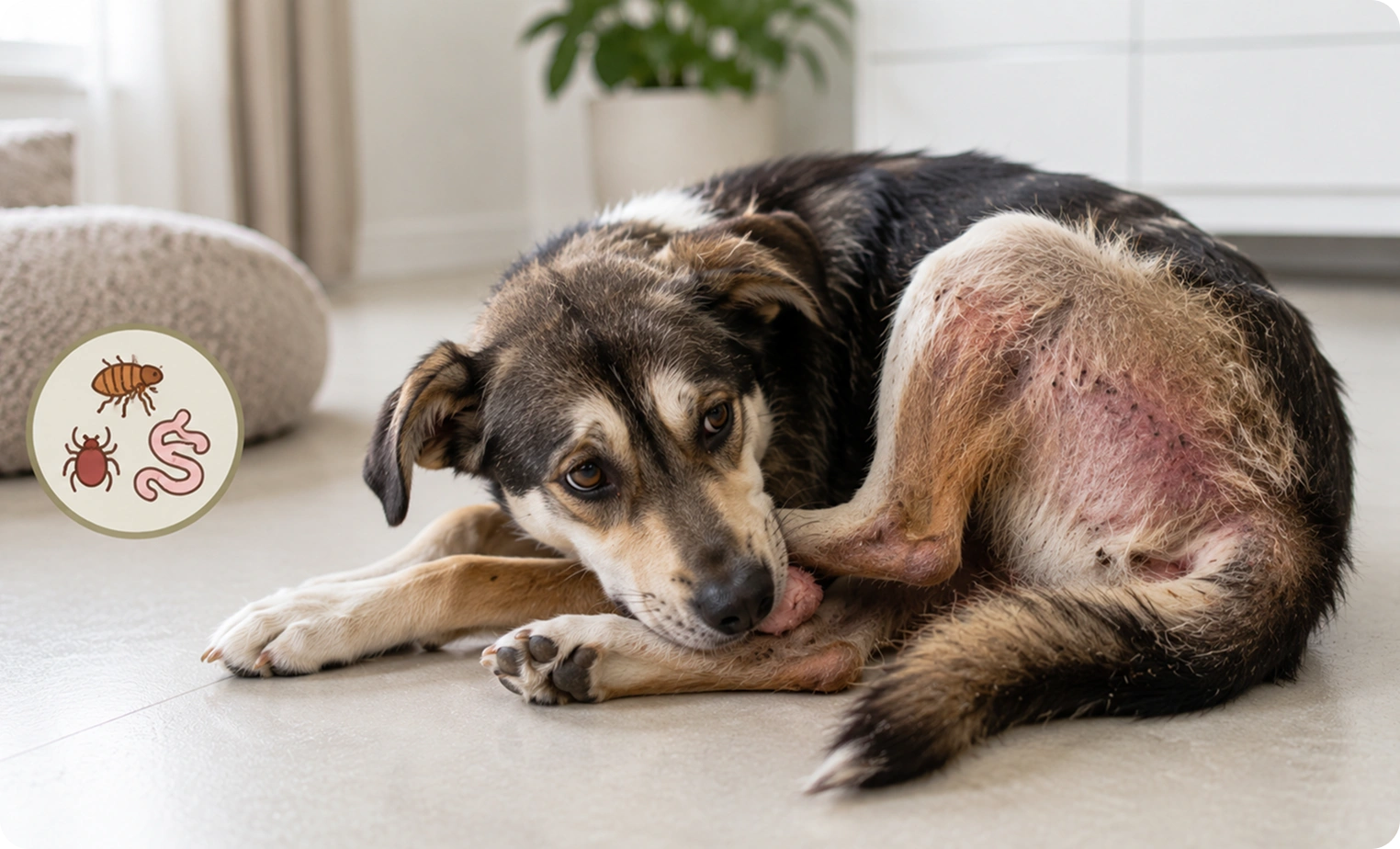
Parasitic worms, bacterial or viral infections can cause diarrhoea, dehydration, abdominal discomfort and reduced appeti...
Common Signs Of Digestive Problems In Dogs
Digestive disorders often cause noticeable changes in appetite, stool, and energy. Understand the common symptoms of dog digestive issues to prevent serious health complications.
Vomiting
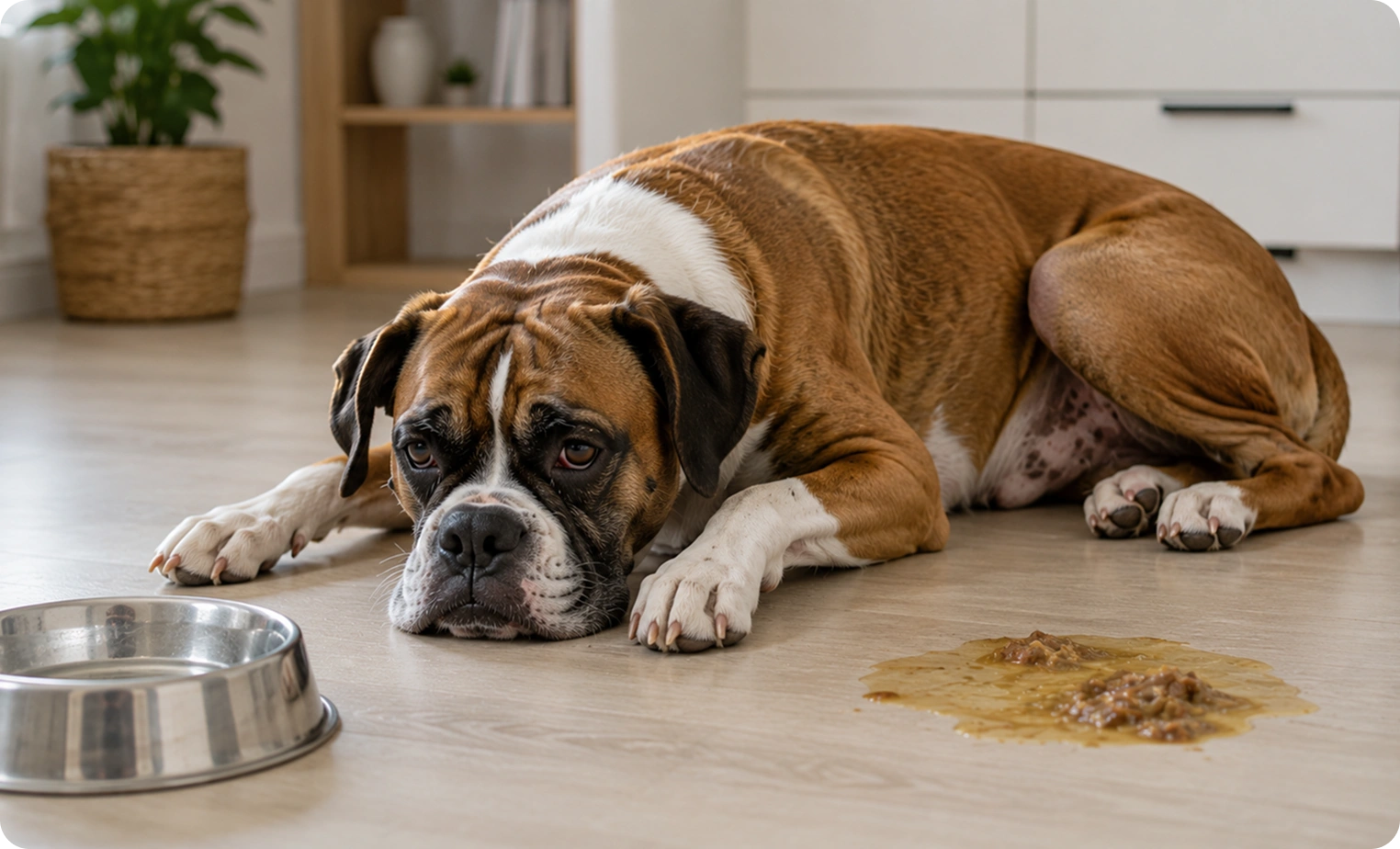
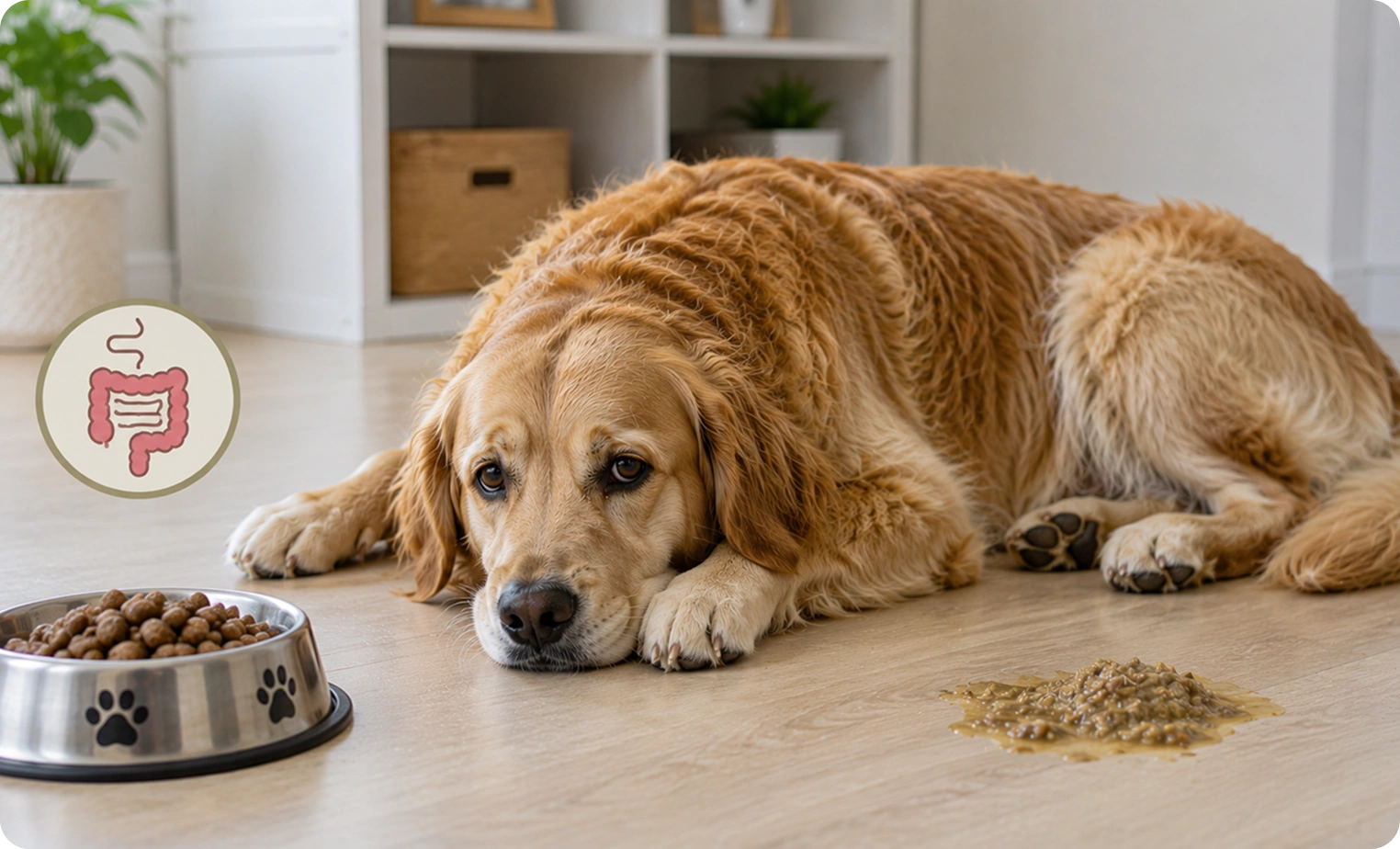
Repeated or frequent vomiting indicates infection, dietary indiscretion, gastrointestinal disease, toxin exposure or other conditions.
Diarrhoea
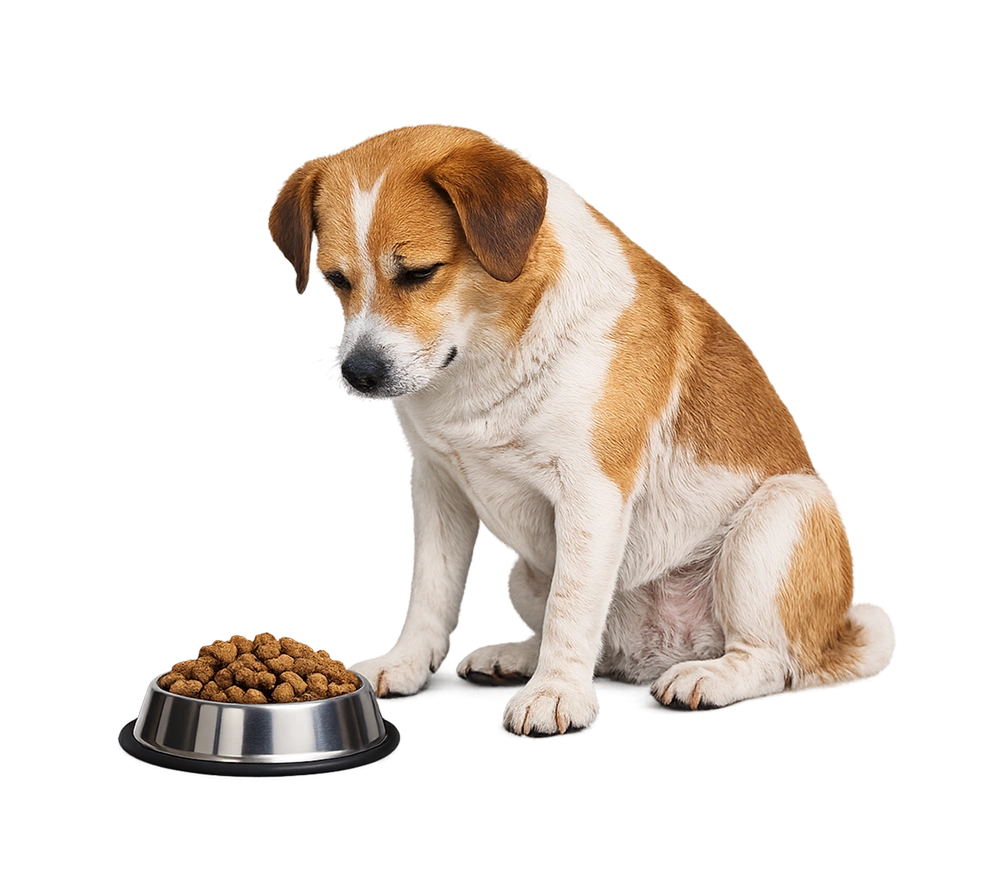
Loss of Appetite
Common Signs Of Digestive Problems In Dogs
Digestive disorders often cause noticeable changes in appetite, stool, and energy. Understand the common symptoms of dog digestive issues to prevent serious health complications.
Vomiting
Repeated or frequent vomiting indicates infection, dietary indiscretion, gastrointestinal disease, toxin exposure or other conditions.
Diarrhoea
Loss of Appetite
Abdominal Pain
Lethargy
Dehydration
How Serious are Your Dog's Digestive Issues Symptoms?
- Soft stools
- Occasional
- Mild nausea
- Reduced appetite
- Frequent diarrhea
- Repeated vomiting
- Weight loss
- Abdominal discomfort
- Bloody diarrhea
- Severe dehydration
- Persistent vomiting
- Extreme lethargy
When to Consult a Veterinarian

Persistent Vomiting
Repeated vomiting can cause rapid dehydration and weakness.

Bloody Diarrhea
Bloody stool requires veterinary assessment immediately.

Severe Dehydration
Fluid loss leads to severe dehydration, which can become life-threatening without treatment.

Persistent Vomiting
Repeated vomiting can cause rapid dehydration and weakness.
Bloody Diarrhea
Bloody stool requires veterinary assessment immediately.




Prevent Digestive Problems in Your Dog

Feed a Consistent Diet
Sudden changes in food or feeding routine can upset digestion. Gradually transition diets and provide balanced nutrition to support gastrointestinal health.

Prevent Dietary Indiscretion
Keep spoiled food, garbage, table scraps, and foreign objects out of reach to reduce the risks of digestive disturbances and stomach upset.

Ensure Fresh Water
Adequate access to clean water to ensure hydration. It helps replace fluids lost through vomiting or diarrhoea.

Maintain Parasite Control
Following a proper deworming and parasite prevention schedule helps in reducing the risk of gastrointestinal infections, diarrhea and nutrient malabsorption.

Reduce Stress
Stress can lead to digestive problems. Following consistent routines and ensuring a calm environment supports healthier gastrointestinal function.

Schedule Regular Check Ups
Routine veterinary examinations help identify digestive concerns in dogs early and help maintain their long-term gastrointestinal health.
Feed a Consistent Diet
Sudden changes in food or feeding routine can upset digestion. Gradually transition diets and provide balanced nutrition to support gastrointestinal health.
Veterinary Help In Just a Few Simple Steps
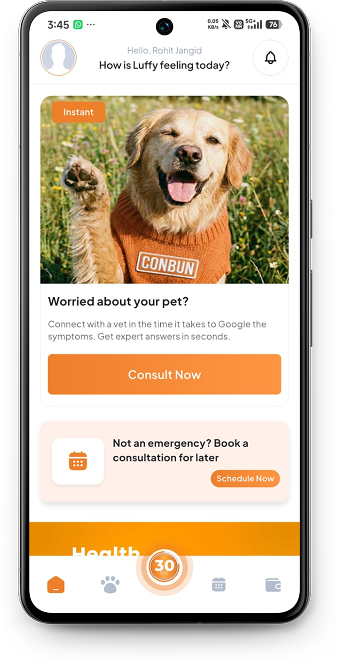
Install Conbun and create your pet’s profile so we can understand them better.
Describe symptoms, upload photos if needed, and get quick online pet health advice from verified vets.
Talk to a vet online in just 30 seconds or schedule an appointment for later.



Related Dog Issues
Allergies

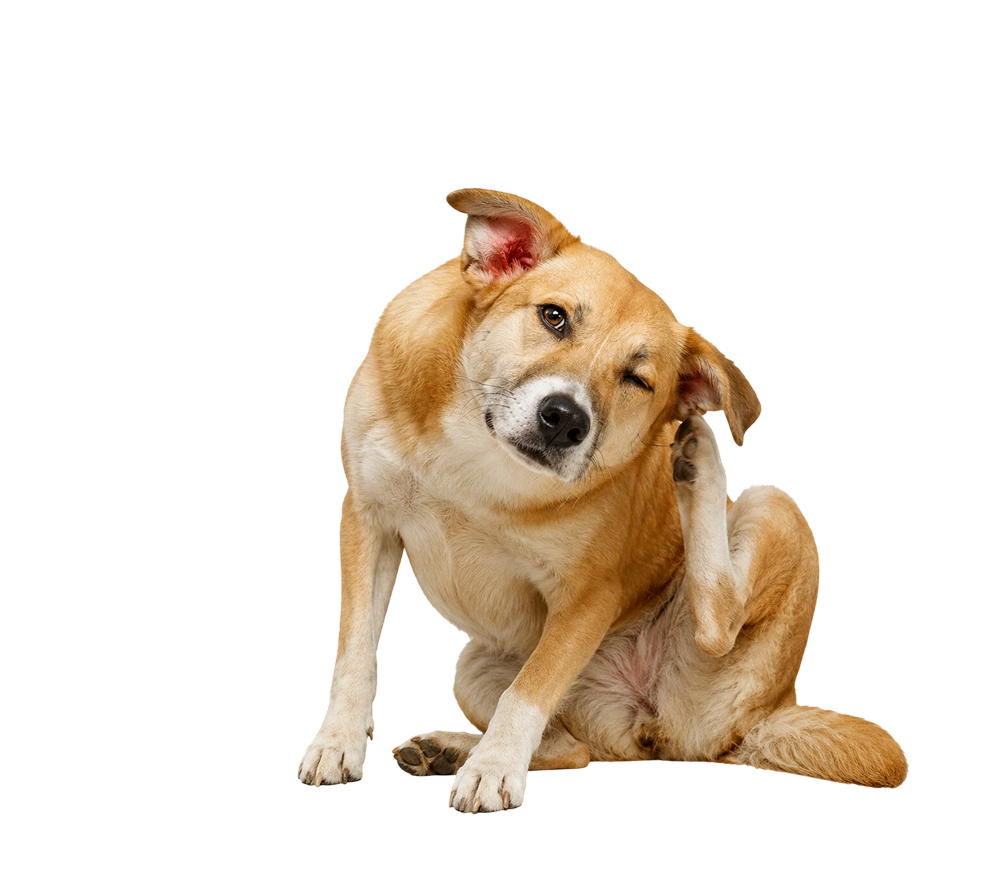
Ear infections
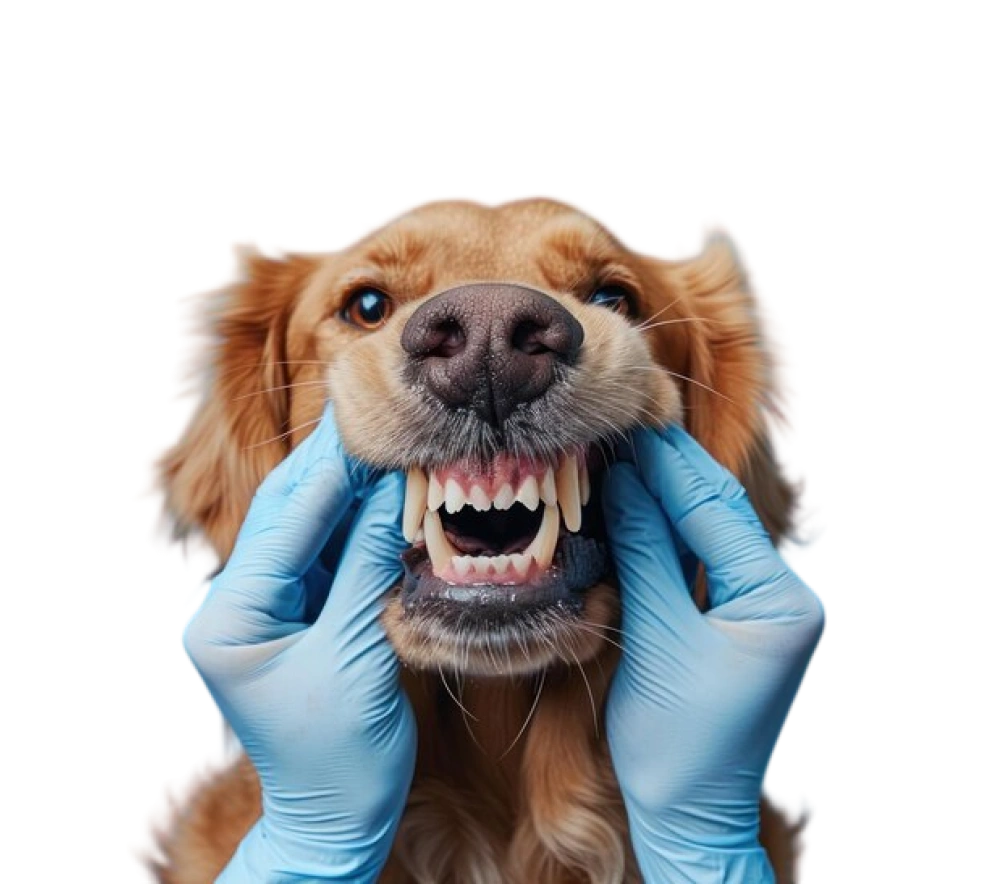
Dental Disease
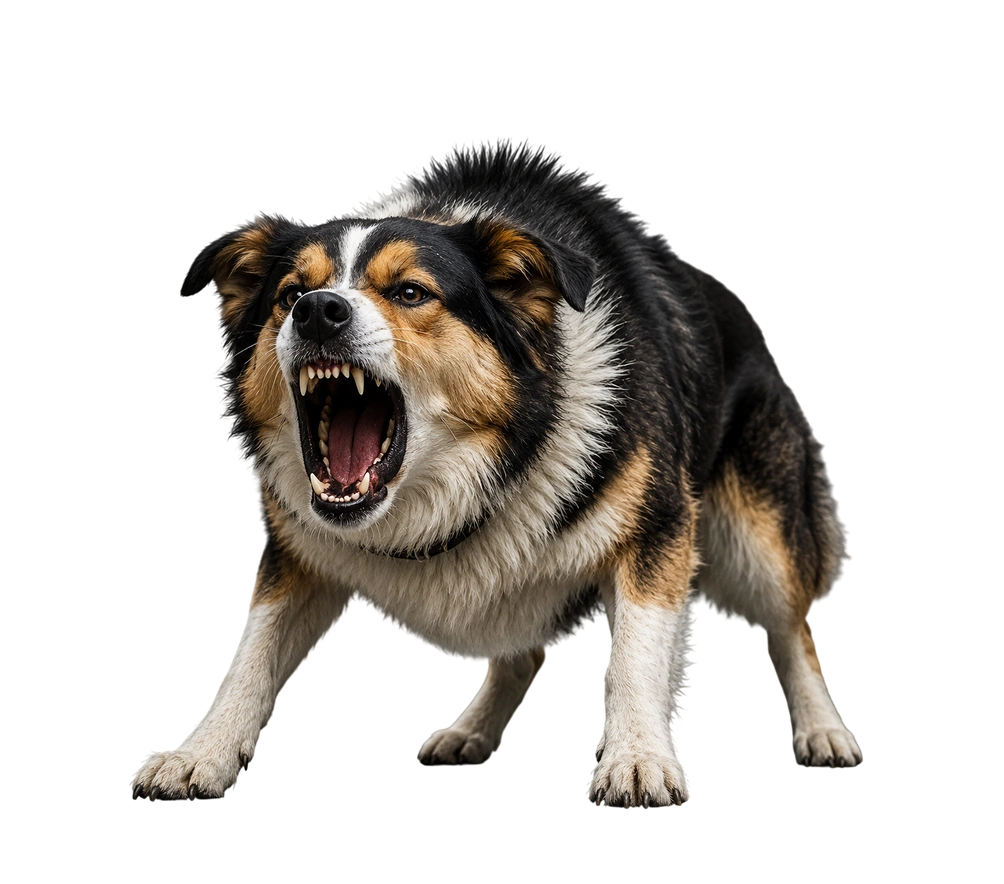
Behaviour

Allergies
Ear infections
Frequently Asked Questions
A dog may vomit multiple times due to dietary indiscretion, gastrointestinal infections, parasites, food intolerance, toxin ingestion, pancreatitis, foreign body obstruction, or other underlying medical conditions. If your dog digestives symptoms or repeated vomiting, consult a veterinarian, especially if it persists for more than a few hours.
If your dog keeps vomiting, withhold food temporarily, provide access to fresh water, and monitor for additional symptoms such as lethargy, diarrhoea, abdominal pain, or dehydration. Seek veterinary care promptly if digestive symptoms are persistent, frequent, severe, or accompanied by concerning signs like extreme lethargy.
Do not give human anti-diarrheal medications unless directed by a veterinarian. Mild cases may improve with hydration and a veterinarian-approved bland diet, but persistent, severe, or bloody diarrhea requires professional evaluation and treatment.
Occasional mild diarrhea may resolve on its own, but you should be concerned if it lasts longer than 24–48 hours, contains blood, occurs with vomiting, causes lethargy, or affects a puppy, senior dog, or dog with existing health conditions.
Yes. An online vet consultation through Conbun can help assess the severity of your dog's vomiting, identify possible causes, provide care recommendations, and determine whether urgent in-person treatment is needed. However, emergency symptoms such as repeated vomiting, dehydration, blood, or suspected toxin ingestion require immediate veterinary attention.
Conbun – Expert Support for Your Dog’s Digestive Health
Digestive problems in dogs like vomiting and diarrhoea may develop suddenly and leave pet parents wondering whether it is temporary or a more serious condition. While some cases are caused by dietary indiscretion or mild stomach upset, persistent symptoms of gastrointestinal troubles may indicate infections, food intolerances, parasites, pancreatitis, toxin exposure, or other underlying health concerns.
Conbun provides pet parents with access to timely veterinary guidance for digestive issues. It allows users to discuss their dog’s digestive issues symptoms with experienced veterinarians through a convenient remote vet appointment without having to travel to a vet clinic.
Our veterinary chat services on the platform allow pet parents to quickly get professional advice regarding vomiting, dehydration risks, diarrhoea, appetite changes, abdominal discomfort, and digestive health concerns. This makes it easier to take informed action before symptoms worsen.
With trusted virtual vet care, you can get your dog’s history, symptom patterns and overall condition reviewed to get practical recommendations, medications and treatment plans. Whether your pet is dealing with a sudden stomach upset or having recurring digestive issues, with Conbun you get reliable online vet consultations designed to support better health outcomes and greater peace of mind.
Why Pet Parents Choose Conbun
Fast access to veterinary guidance
Convenient consultations from home
Support for dog vomiting and diarrhea concerns
Experienced veterinarians available when needed
Reliable digestive health advice and follow-up care
Quick assessment of symptom severity and next steps