
Is Your Cat Overweight? Get Instant Online Vet Weight Management Help
Is your cat becoming overweight, less active, or struggling to groom properly? Feline obesity can drastically reduce your cat’s lifespan. Connect with 24/7 verified online veterinarians on Conbun for personalised cat diet charts and feline weight management tips.
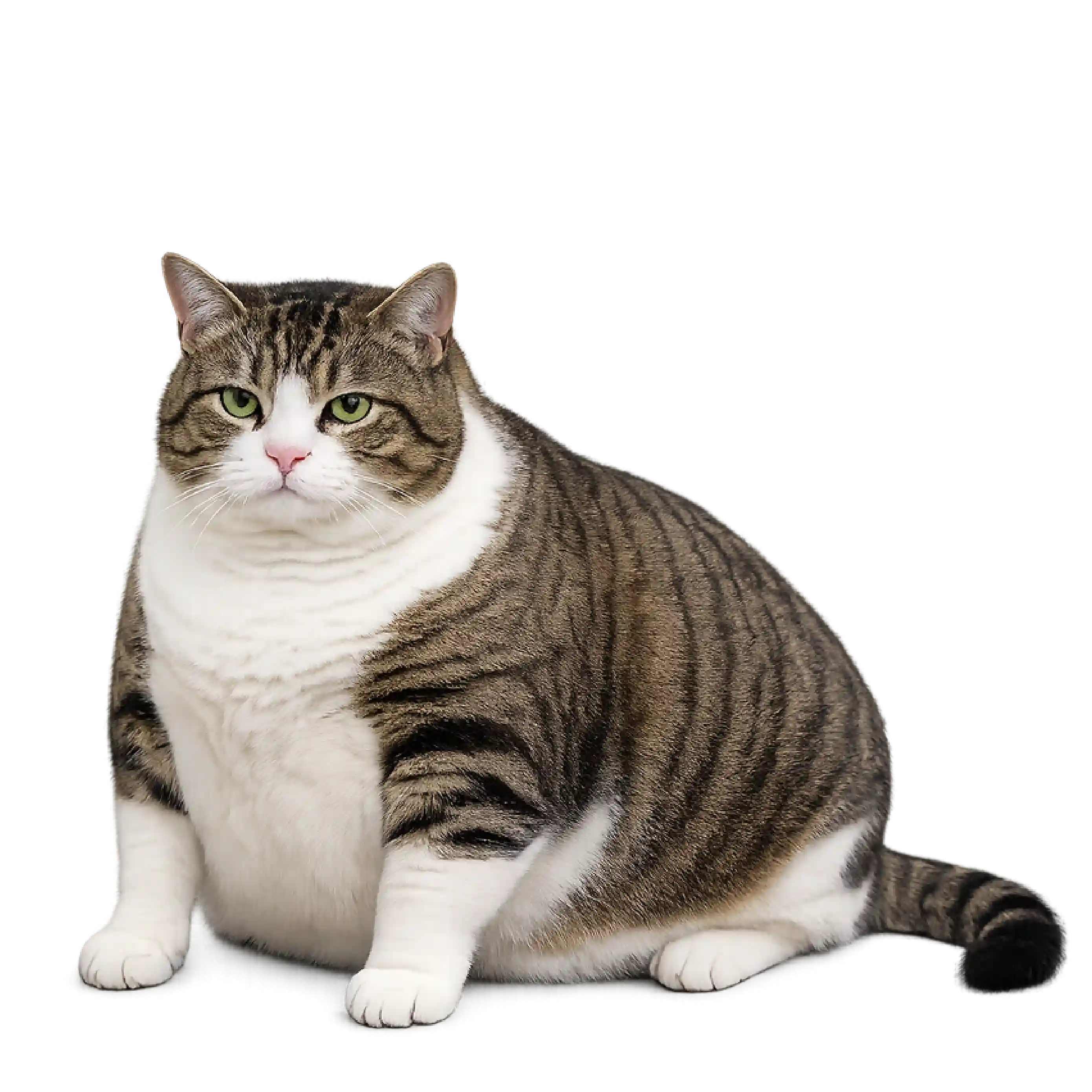
Types Of Obesity In Cats
Understanding different causes of feline obesity helps identify risk factors and supports effective weight management strategies.
Primary Obesity (Cat Overfeeding)
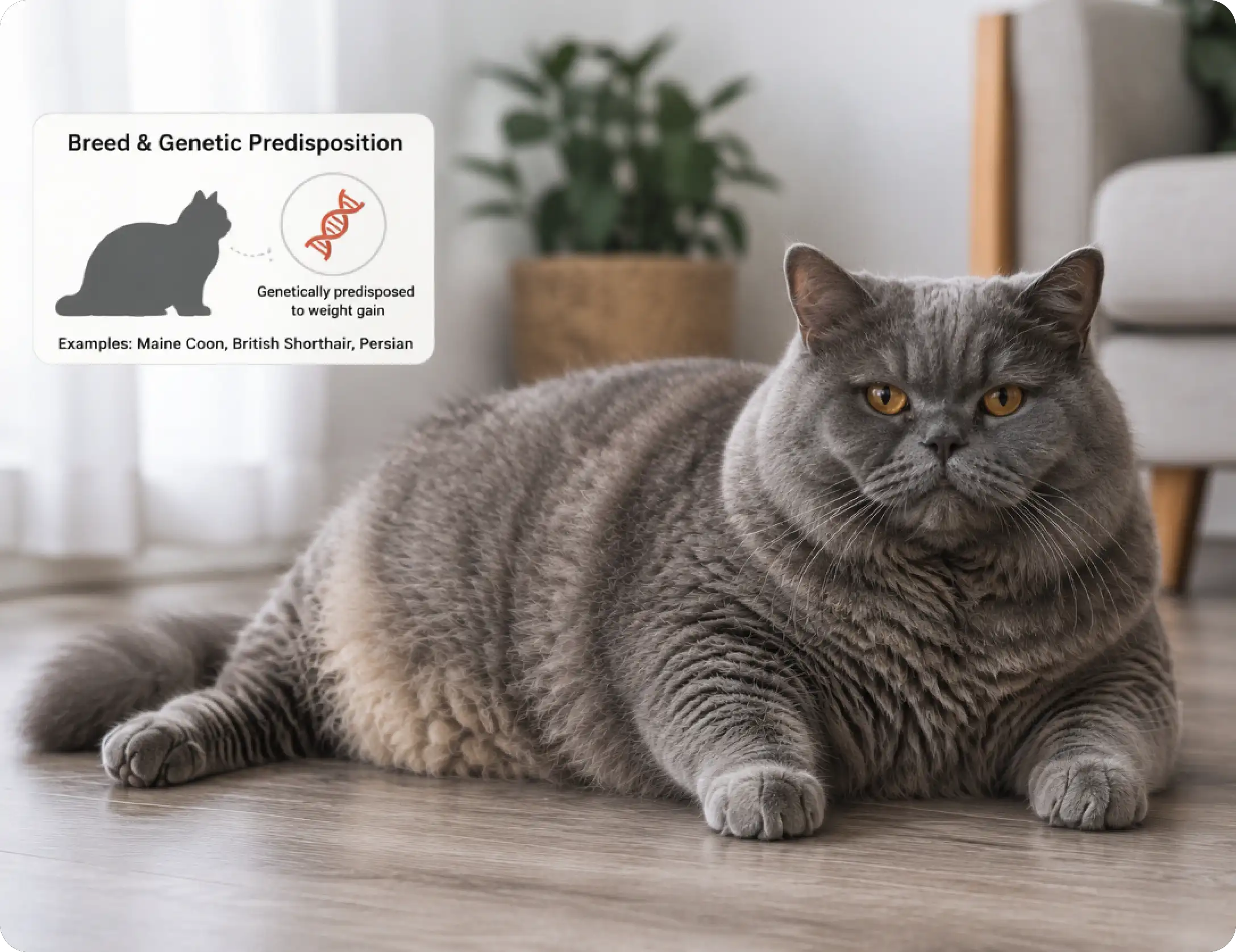
Excess calorie intake and inadequate physical activity are the most common causes of obesity in domestic cats.
Secondary Obesity (Medical Conditions)
Neutering-Associated Obesity
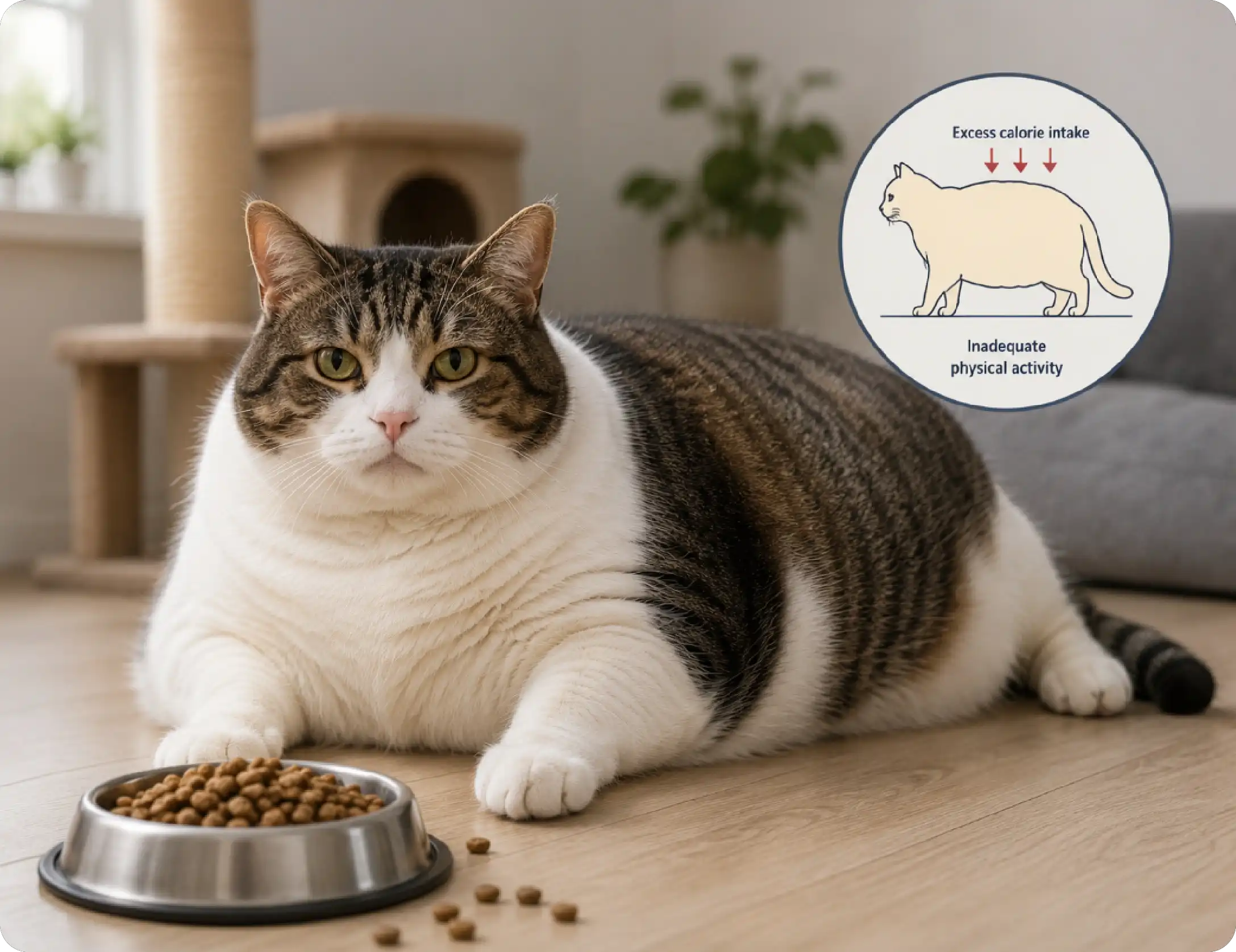
Primary Obesity (Cat Overfeeding)
Excess calorie intake and inadequate physical activity are the most common causes of obesity in domestic cats.
.webp)
Secondary Obesity (Medical Conditions)
Underlying medical concerns like Hypothyroidism, Hyperadrenocorticism (Cushing's Disease) or hormonal disorders contribute to abnormal weight gain in many cats.
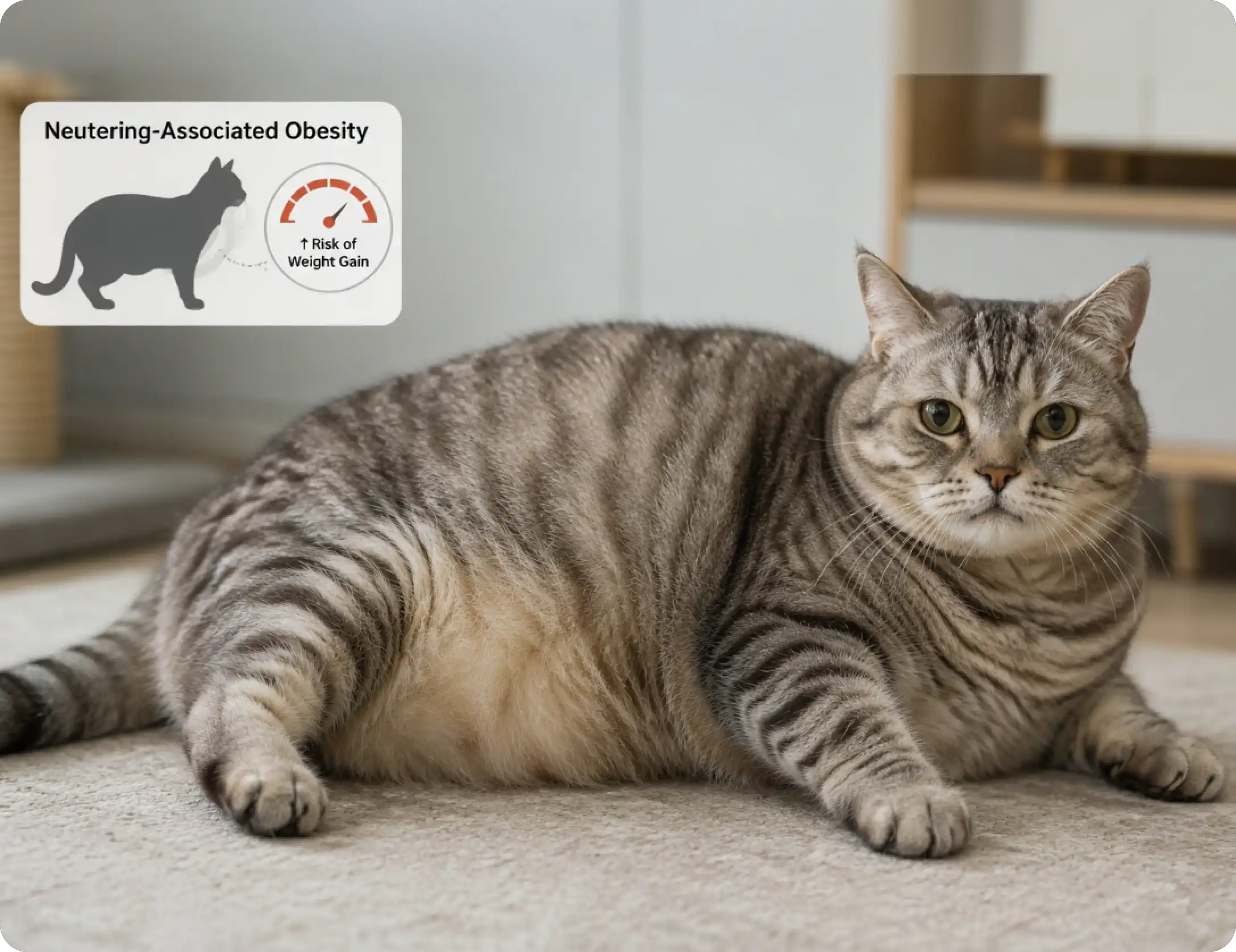
Neutering-Associated Obesity
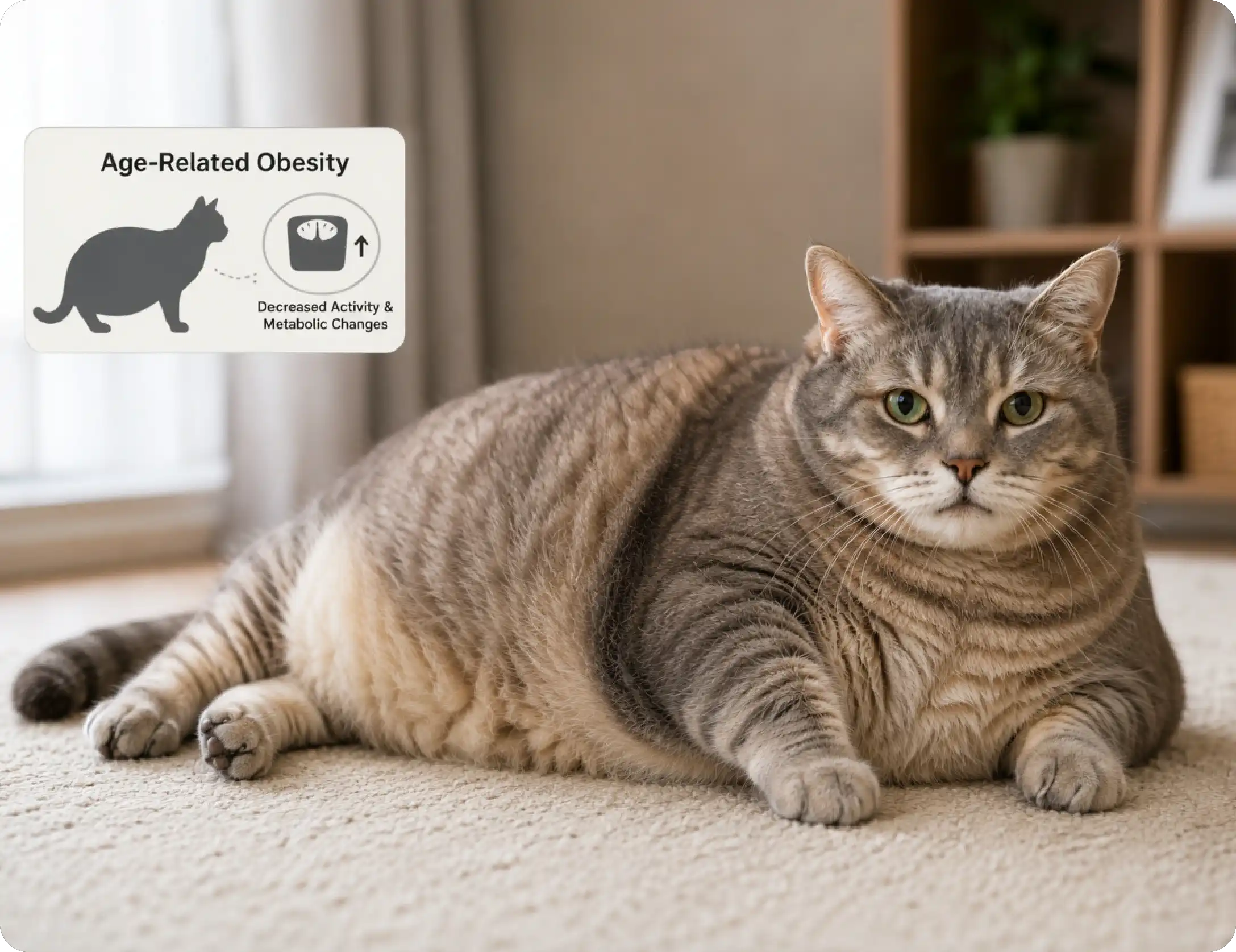
Neutered cats generally have reduced energy requirements, increasing their risk of sudden weight gain without dietary changes.
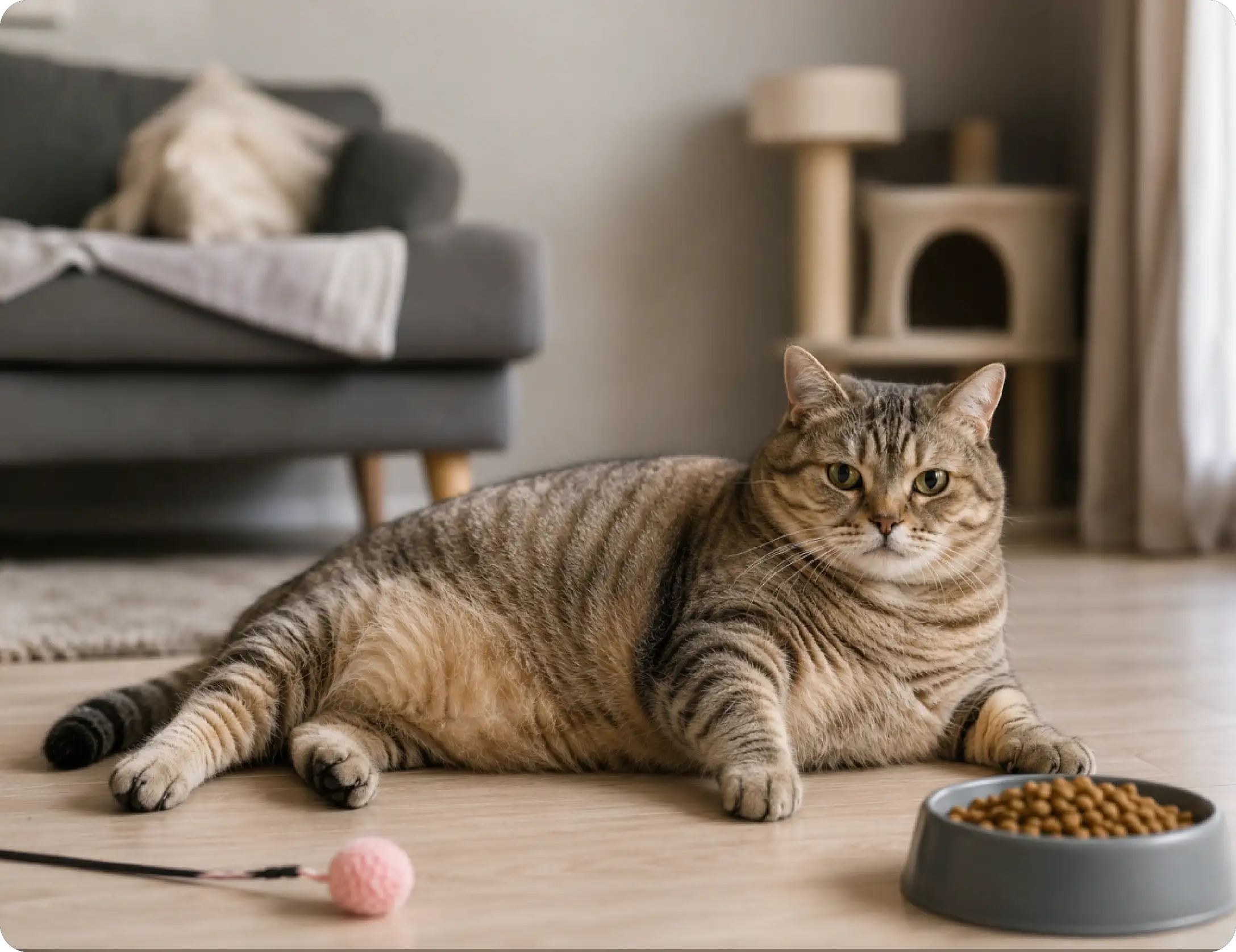
How To Tell If Your Cat Is Unhealthily Overweight
Weight gain often happens gradually and affects overall feline health.
Excessive Weight Gain
Rapid weight gain may indicate excessive calorie intake, reduced activity levels or underlying health conditions.
Difficulty Grooming
Obese cats may struggle to groom hard-to-reach areas, resulting in poor coat condition, hygiene issues leading to skin problems.
Reduced Activity
Overweight cats spend more time resting, showing no interest in play, climbing or physical activity.
Exercise Intolerance
Excess body weight makes movement difficult and causes fatigue during daily activities and exercise
Visible Abdominal Fat
A sagging abdominal fat pad and rounded body shape are common indicators of unhealthy weight gain.
Breathing Difficulties
Severe obesity contributes to laboured breathing, reduced stamina and decreased overall quality of life.
Excessive Weight Gain
Rapid weight gain may indicate excessive calorie intake, reduced activity levels or underlying health conditions.
Difficulty Grooming
Obese cats may struggle to groom hard-to-reach areas, resulting in poor coat condition, hygiene issues leading to skin problems.
Know When Your Cat's Chubbiness Becomes A Health Concern
- Slight weight gain
- Less visible waist
- Mild inactivity
- Occasional overeating
- Noticeable fat deposits
- Difficulty grooming
- Reduced mobility
- Exercise intolerance
- Severe obesity
- Labored breathing
- Inability to jump
- Significant mobility impairment
- Obesity-related illness
When to see a vet immediately

Breathing Difficulties
Laboured breathing or panting excessively could signal a heart stroke.
Sudden Weight Gain
Rapid weight gain requires prompt veterinary assessment.
Mobility Problems
Jumping or difficulty walking requires medical evaluation.

Breathing Difficulties
Laboured breathing or panting excessively could signal a heart stroke.
Sudden Weight Gain
Rapid weight gain requires prompt veterinary assessment.
Help Prevent Obesity In Cats

Feed Measured Portions
Portion control prevents overeating and supports healthy weight management throughout your cat’s life.
Encourage Daily Play
Regular play sessions and interactive toys increase physical activity, which helps in burning calories and maintaining a healthy body condition.
Limit High-Calorie Treats
Offer treats in moderation, as excessive calories lead to significantly unhealthy weight gain.

Choose a Balanced Diet
A nutritionally balanced diet supports muscle maintenance, metabolism and appropriate weight control in cats.

Monitor Weight Regularly
Regular weight checks can help detect weight gain early, allowing lifestyle and dietary adjustments before obesity develops.

Reduce Free-Feeding
Following a proper schedule for meal times and physical activities helps control calorie intake, making it easier to monitor a cat’s eating habits.
Feed Measured Portions
Portion control prevents overeating and supports healthy weight management throughout your cat’s life.
Encourage Daily Play
Regular play sessions and interactive toys increase physical activity, which helps in burning calories and maintaining a...
Manage Your Cat’s Weight In 3 Simple Steps
Install Conbun and create your pet’s profile so we can understand them better.
Describe symptoms, upload photos if needed, and get quick online pet health advice from verified vets.
Talk to a vet online in just 30 seconds or schedule an appointment for later.



Related Cat Issues
Allergies
.webp)
FLUTD
.webp)
Not eating
.webp)
Behaviour
.webp)
.webp)
Allergies
FLUTD
Frequently Asked Questions
Obesity in cats can be treated through portion management, controlled calorie intake, increased physical activity and a proper vet-approved weight loss plan.
Obese cats often have a shorter lifespan than healthy-weight cats. Additionally, they face higher risks of comorbidities like heart disease, arthritis and diabetes.
No. While obesity is common in pet cats in India, it is not considered normal as it negatively affects their health and overall quality of life.
No. Not necessarily. Dry food can be a part of a weight management plan. But the portions must be controlled, and the diet must be nutritionally balanced.
Yes. Veterinarians on Conbun can assess your cat’s weight, offer personalised diet recommendations, create meal charts and an effective weight management plan.
Conbun – Smarter Weight Management Support for Your Cat
Feline obesity is more than a cosmetic issue. It can significantly affect a cat's mobility, energy levels, grooming habits, long-term health and negatively impact their quality of life. With excess weight the risk of diabetes, arthritis, urinary problems, and other chronic conditions increases. The good news is that healthy weight loss is achievable with the activity plan, right nutrition, and timely veterinary guidance.
Conbun allows pet parents to access online vet consultation 24/7 for professional support whenever weight-related concerns arise. Whether your cat is gradually gaining weight or is already struggling with obesity-related health issues, our veterinarians can help you take the next steps with confidence.
Using our convenient pet doctor app, cat parents can discuss their cat's diet, lifestyle, exercise routine, and medical history from the comfort of your home. Our vets offer personalized digital pet health advice to help create and achieve sustainable weight management goals.
Conbun also supports informed decision-making through web-based pet diagnostics, helping veterinarians better understand your cat's symptoms and risk factors. Whether it is hypothyroidism or calorie management, feeding recommendations or obesity prevention strategies, we provide practical guidance tailored to your cat's needs.
Why Pet Parents Choose Conbun
Online vet consultation 24/7
Personalized weight management guidance
Convenient pet doctor app
Expert digital pet health advice
Support for obesity-related health concerns
Trusted veterinary care from home