
Cat Stopped Eating? Get Expert Vet Help Instantly Online
Is your cat refusing food or eating less than usual? Sudden loss of appetite can indicate underlying health concerns. Connect with verified veterinarians online 24/7 on Conbun to help your cat regain their appetite.
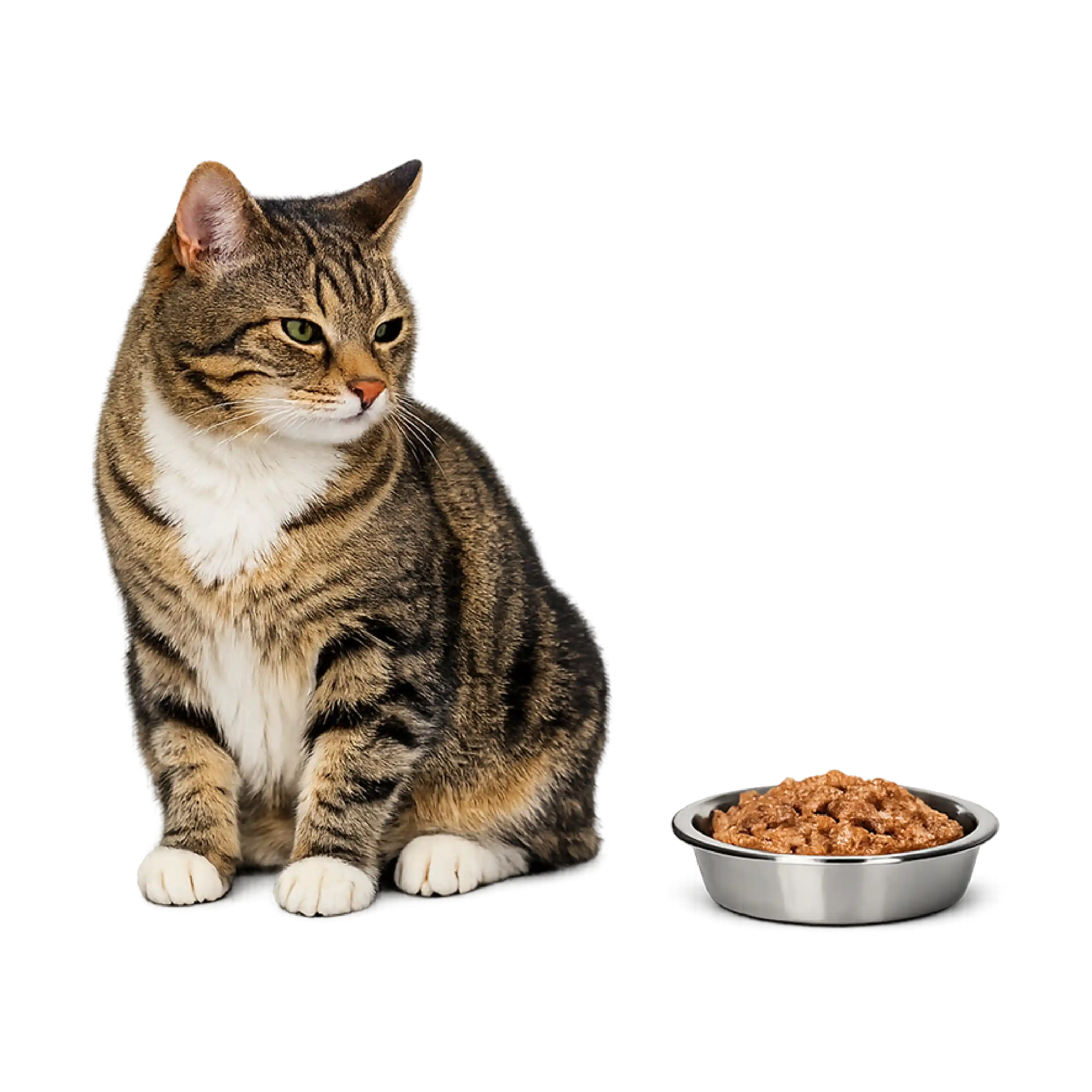
Common Causes Of Appetite Loss In Cats
Felines are notorious for hiding pain. Cats may stop eating due to various reasons, ranging from temporary stress to serious underlying medical issues.
Dental Disease
Gum disease, painful teeth or oral infections make chewing uncomfortable and significantly reduce a cat's will to eat.
Digestive Issues
Stress & Anxiety
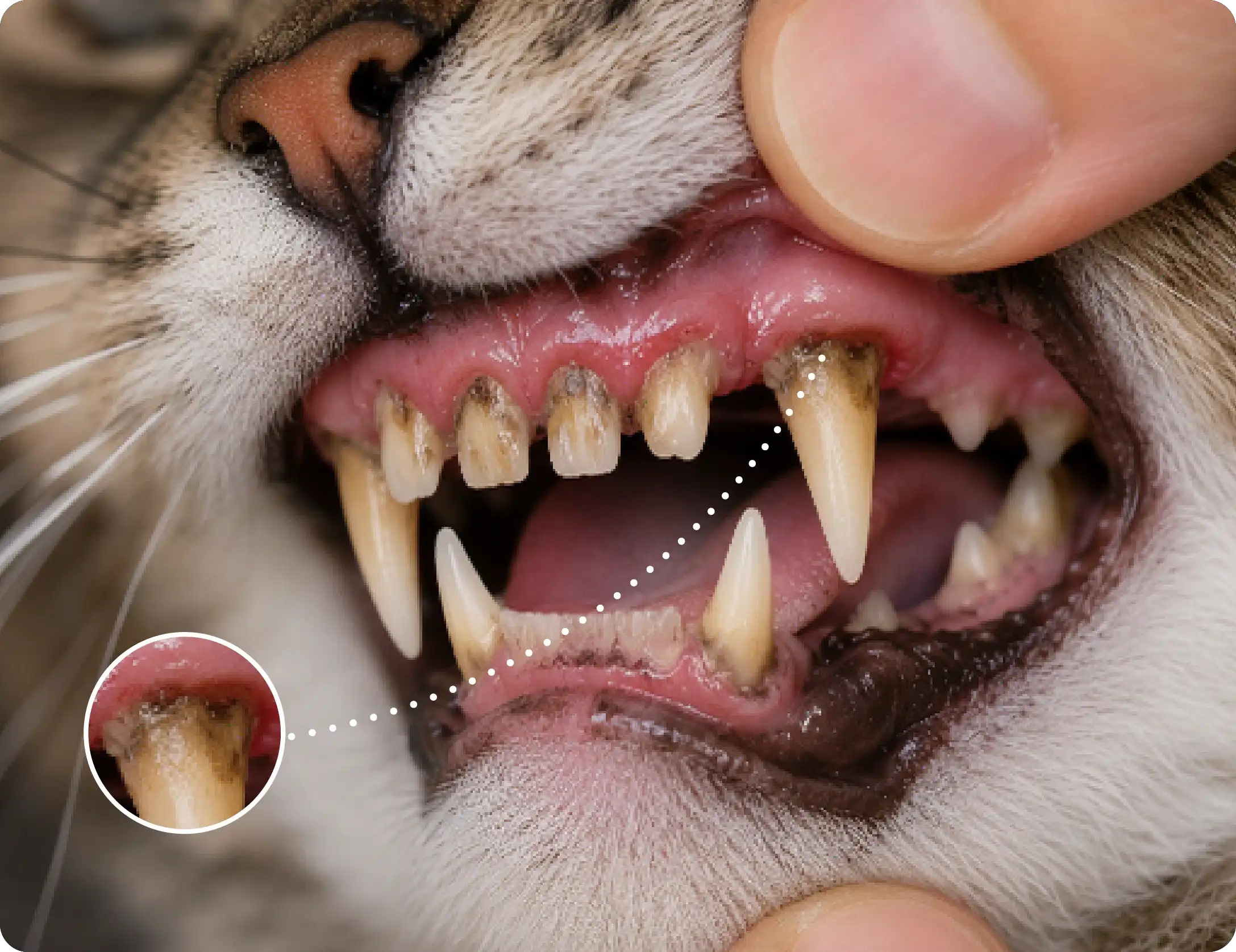
Dental Disease
Gum disease, painful teeth or oral infections make chewing uncomfortable and significantly reduce a cat's will to eat.
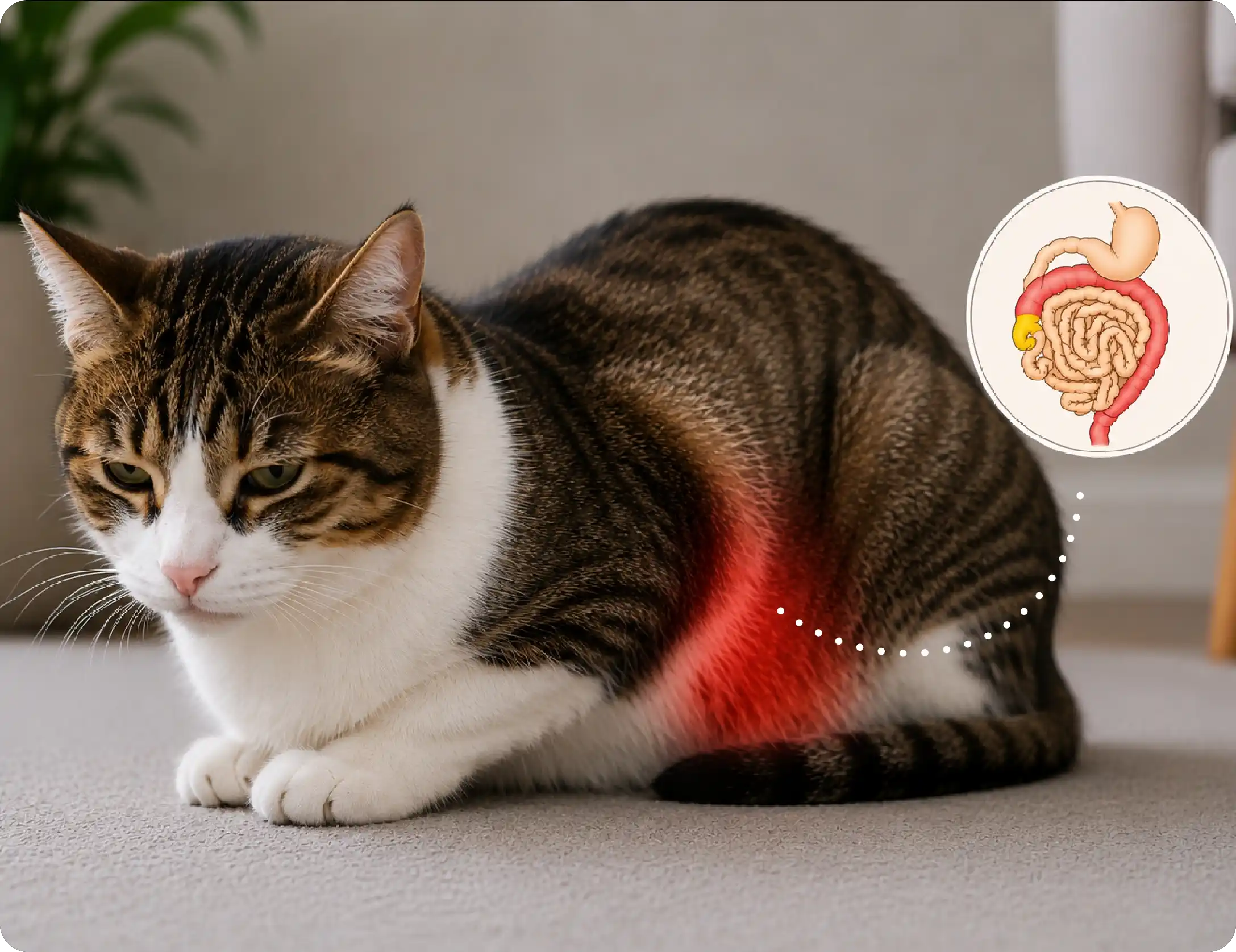
Digestive Issues
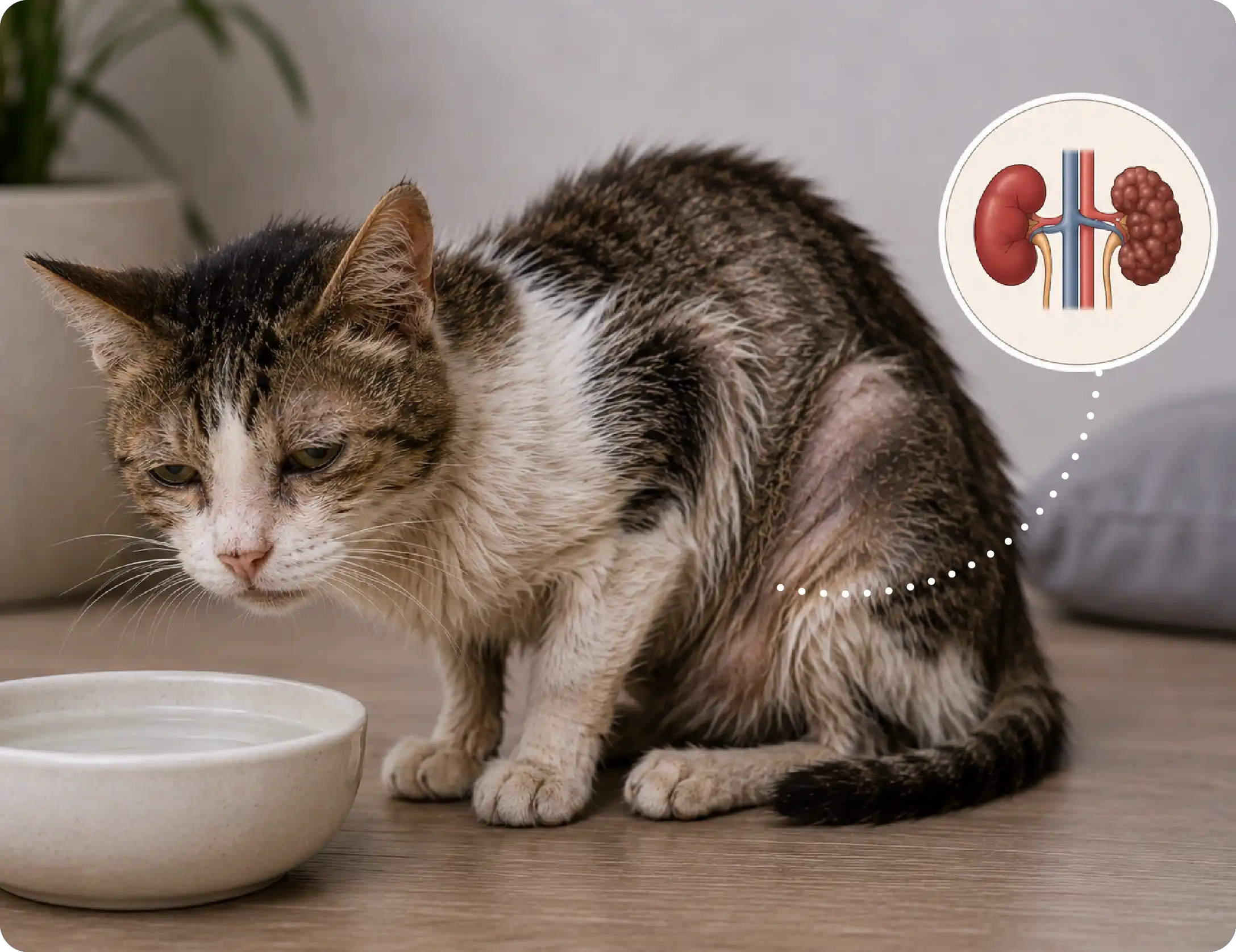
Gastrointestinal issues like gastritis, stomach upset or inflammatory bowel disease can commonly cause appetite loss.
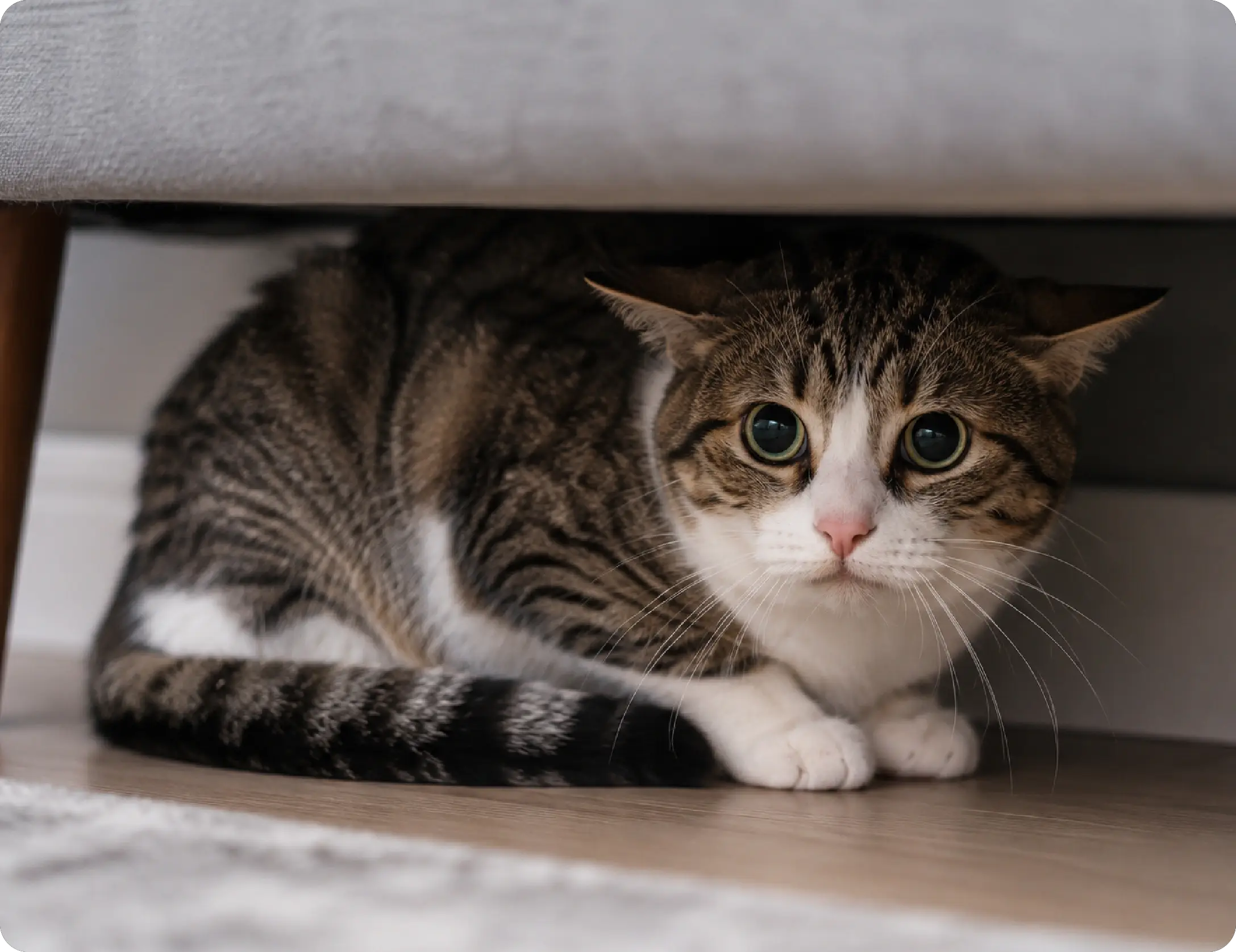
Stress & Anxiety
New pets, environmental changes, stress, travel or disruptions in routine can negatively affect a cat’s eating patterns.

Common Signs Of Feline Appetite Loss
Changes in the eating behaviour of cats often signal underlying health concerns.

Reduced Food Intake
When cats eat significantly less than normal, it indicates illness, discomfort, stress, dental disease or digestive concerns.

Complete Food Refusal
A cat refusing food for more than 24 hours is a medical emergency and warrants immediate veterinary attention.

Weight Loss
Low appetite for days can lead to noticeable weight loss, reduced energy and muscle wasting.

Lethargy
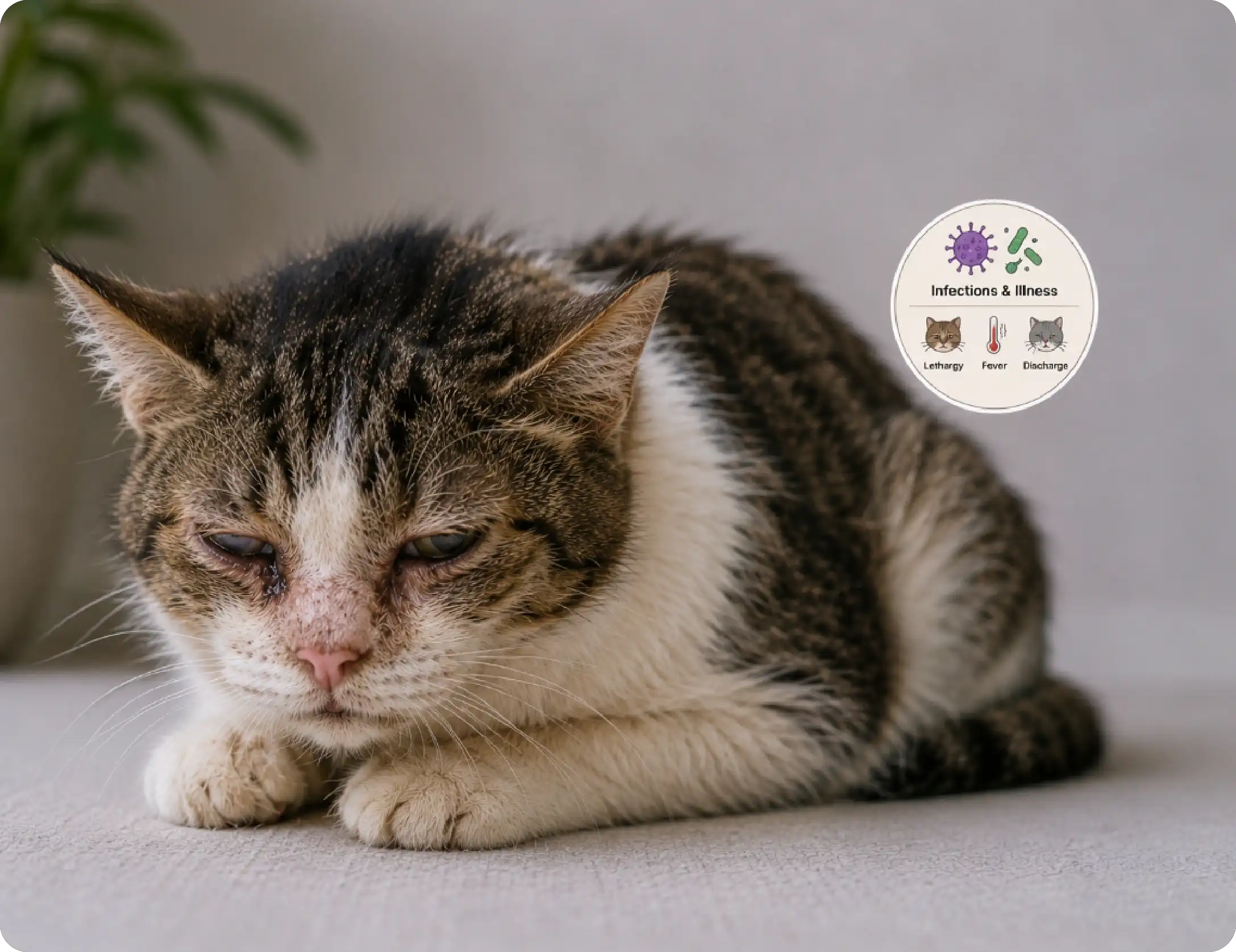
Cats experiencing illness-related appetite loss often sleep more, become less active and show no interest in physical activity.

Vomiting
Nausea and gastrointestinal disorders commonly cause vomiting alongside appetite loss, making eating uncomfortable or undesirable.

Hiding Behavior
Cats feeling unwell frequently hide themselves from family members. They demonstrate withdrawal from daily activities and social interactions.
Reduced Food Intake
When cats eat significantly less than normal, it indicates illness, discomfort, stress, dental disease or digestive concerns.
Complete Food Refusal
A cat refusing food for more than 24 hours is a medical emergency and warrants immediate veterinary attention.
Know When Your Cat's Appetite Loss Needs Attention
- Picky eating
- Occasional skipping
- Reduced appetite
- Mild stress
- Frequent refusal
- Noticeable weight loss
- Reduced activity
- Recurrent vomiting
- Complete anorexia
- Rapid weight-loss
- Severe lethargy
- Persistent vomiting
When to Consult a Veterinarian?

Refusing All Food
Complete food refusal requires prompt veterinary assessment.
Rapid Weight Loss
Sudden weight loss indicates serious illness.

Repeated Vomiting
Persistent vomiting can quickly worsen dehydration risks.

Refusing All Food
Complete food refusal requires prompt veterinary assessment.
Rapid Weight Loss
Sudden weight loss indicates serious illness.




Prevent Cat Allergies Before They Start

Feed a Consistent Diet
Sudden dietary changes can reduce appetite. Transitioning to a diet gradually helps in maintaining digestive comfort and encouraging regular eating habits.

Provide Fresh Water Daily
Ensure adequate hydration to support overall health and reduce nausea, digestive upset and appetite-related concerns.

Reduce Environmental Stress
A predictable and calm environment helps prevent stress-related appetite loss. It supports healthy feeding behaviours in sensitive cats.

Schedule Routine Health Checks
Routine veterinary examinations can identify underlying health conditions before they significantly affect your cat’s appetite.

Maintain Good Dental Health
Regular veterinary dental care prevents oral pain and gum disease that make eating uncomfortable.

Monitor Eating Habits
Tracking daily food intake helps in detecting appetite changes. It also allows for prompt intervention when concerns arise.
Feed a Consistent Diet
Sudden dietary changes can reduce appetite. Transitioning to a diet gradually helps in maintaining digestive comfort and...
Provide Fresh Water Daily
Ensure adequate hydration to support overall health and reduce nausea, digestive upset and appetite-related concerns.
Veterinary Help In Just A Few Simple Steps
Install Conbun and create your pet’s profile so we can understand them better.
Describe symptoms, upload photos if needed, and get quick online pet health advice from verified vets.
Talk to a vet online in just 30 seconds or schedule an appointment for later.



Related Cat Issues
Allergies
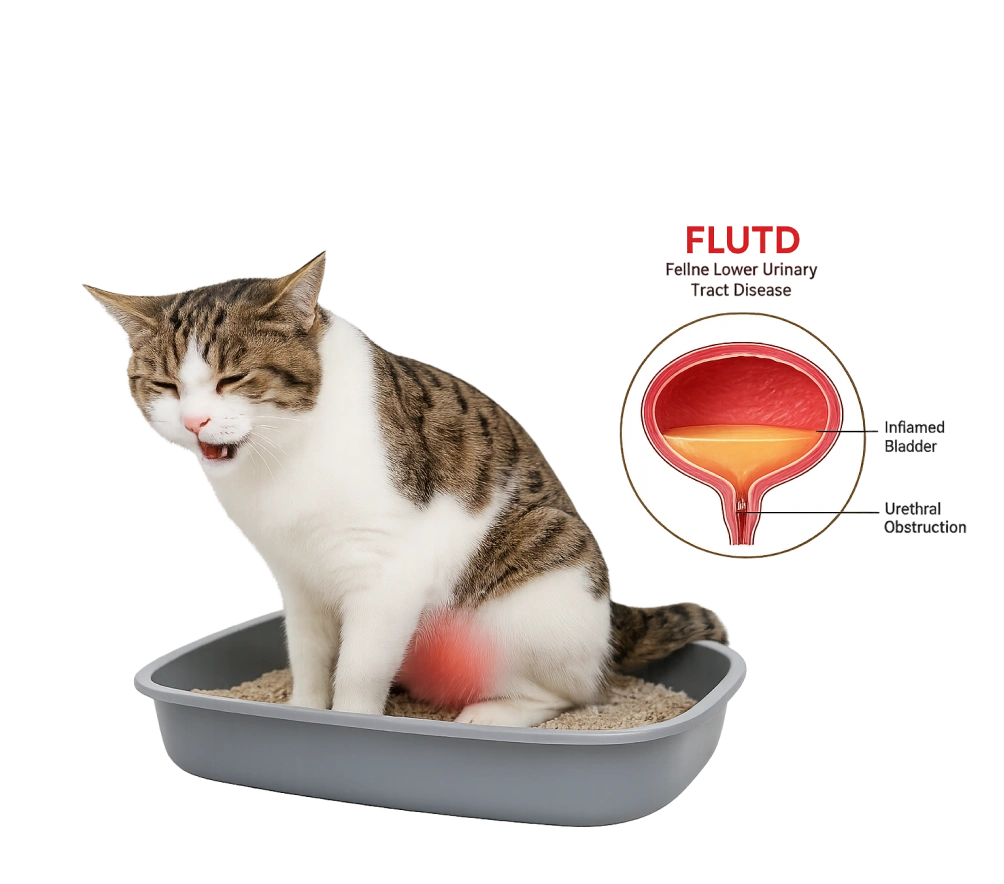
FLUTD
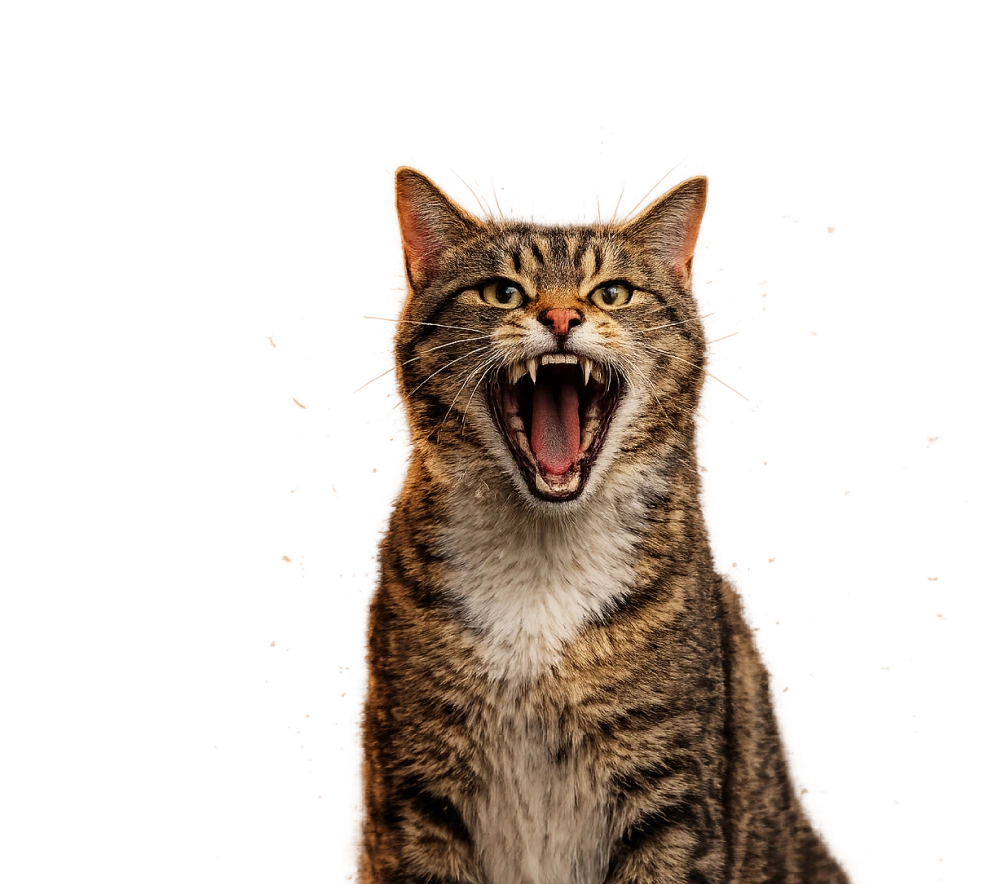
Behaviour
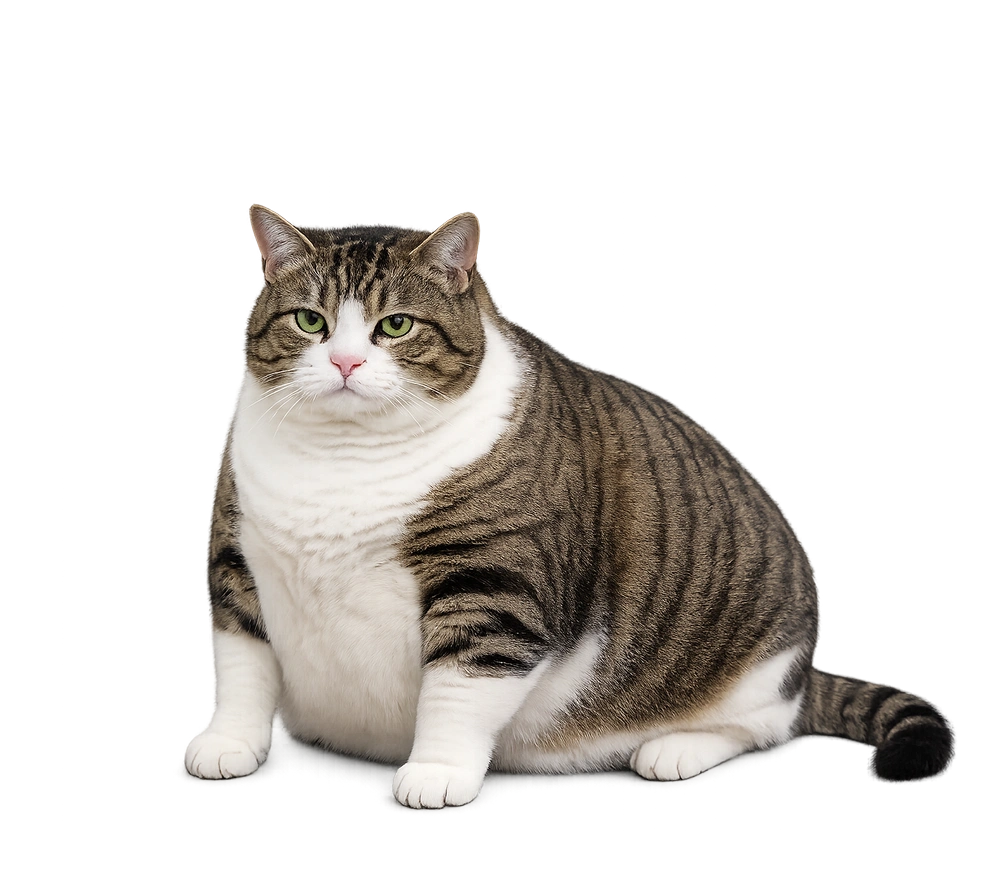
Obesity
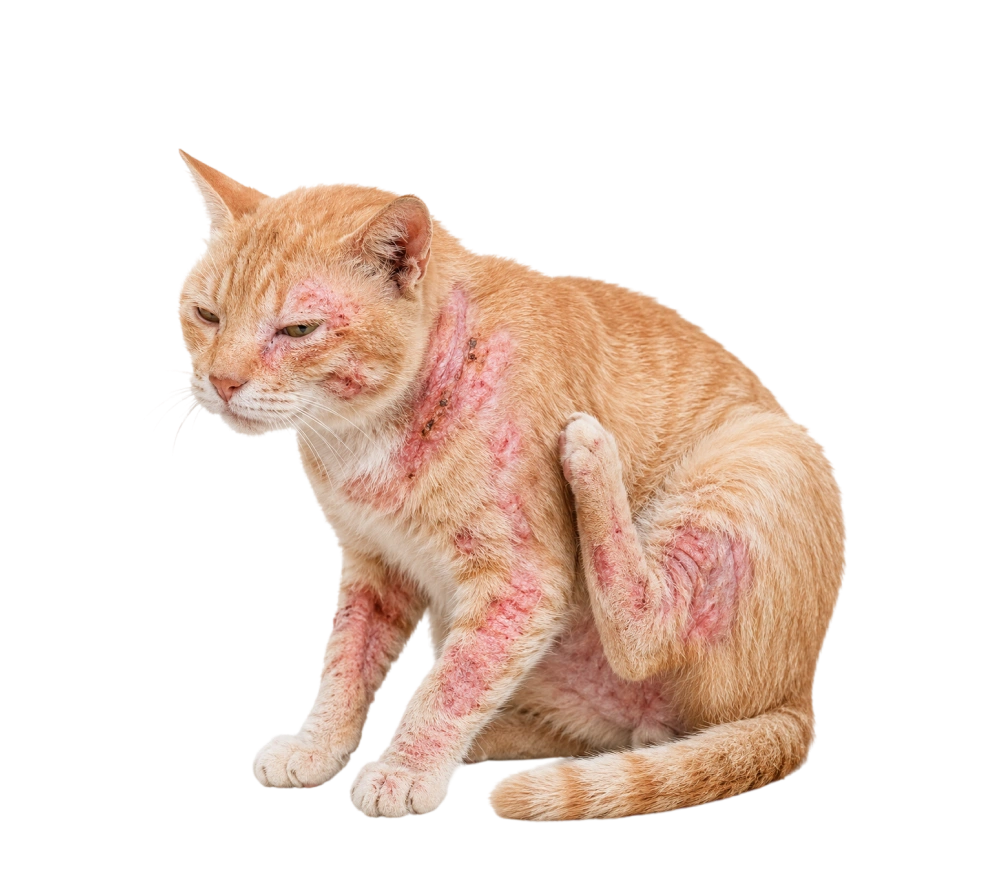

Allergies
FLUTD
Frequently Asked Questions
If your cat is not eating, ensure fresh water is always available and monitor for symptoms like vomiting, lethargy or weight loss. If complete food refusal lasts more than 24 hours, consult an online vet on Conbun immediately.
Offer fresh, highly palatable food, warm wet food to enhance aroma, create a calm environment and ensure adequate hydration. Persistent appetite loss requires veterinary evaluation.
Cats lose appetite due to dietary changes, stress, dental pain, hairballs, early illness or digestive concerns. Even if they seem normal, prolonged appetite loss should be assessed by a veterinarian.
An anorexic cat should be evaluated by a veterinarian so that the underlying cause can be identified. Encourage eating with the help of palatable foods, but never force-feed without professional guidance.
Yes. Conbun connects you with experienced veterinarians who can assess appetite loss, discuss possible causes, provide guidance, and recommend appropriate next steps for your cat's care.
Conbun – Helping Cats Regain A Healthy Appetite
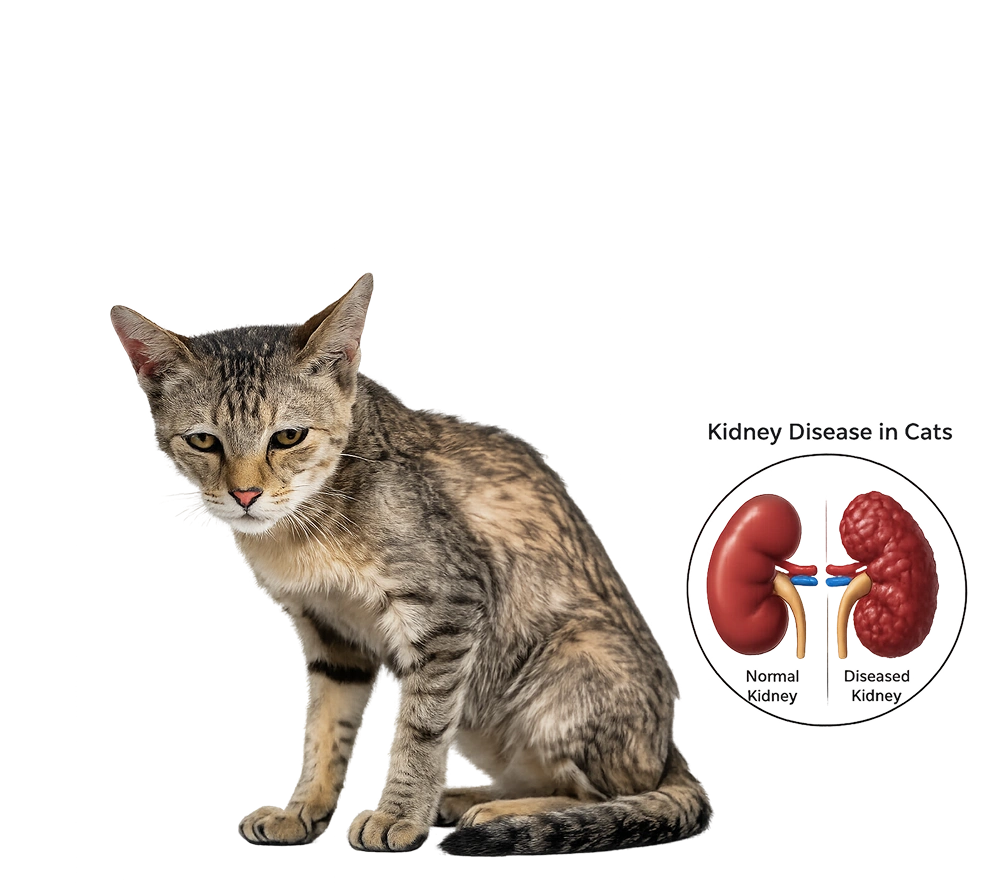
Anorexia in cats should never be ignored. Cats may stop eating due to dental disease, stress, digestive disorders, kidney disease, infections, pain, or other underlying medical conditions. Even a short period without food can lead to serious health consequences. Therefore, early intervention is important for your cat's wellbeing.
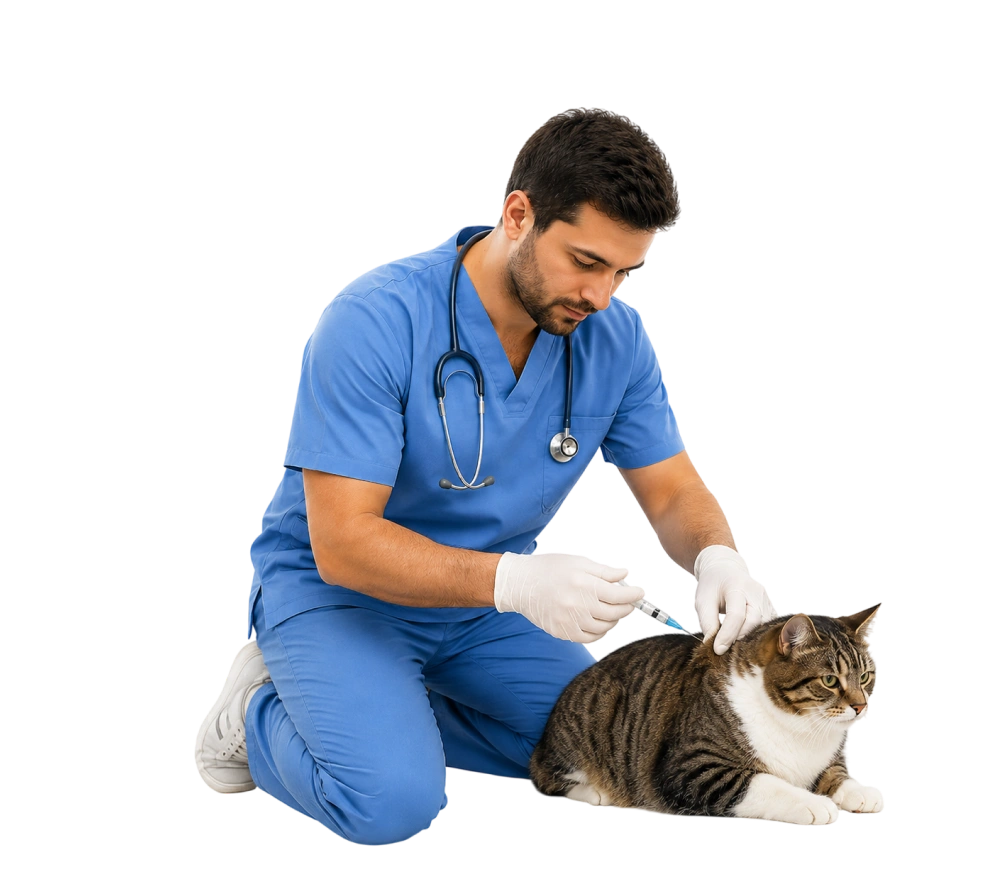
Conbun provides pet parents with convenient access to veterinary guidance when appetite changes first appear. Through our easy-to-use pet doctor app, you can connect with experienced veterinarians and discuss symptoms such as food refusal, weight loss, vomiting, lethargy, or changes in behavior.
Whether you're concerned about a sudden loss of appetite or a gradual decline in eating habits, a remote vet appointment can help you better understand the possible causes and determine the next steps. Our veterinarians provide digital pet health advice tailored to your cat's symptoms, lifestyle, and medical history.
With a quick vet consultation online, you can receive professional guidance without the stress of travelling to a clinic. Early assessment can help identify health concerns sooner and support timely treatment when needed.
Why Pet Parents Choose Conbun
Fast access to veterinary guidance
Convenient consultations from home
Support for appetite and nutrition concerns
Personalized recommendations from experienced veterinarians
Easy-to-use online consultation platform
Trusted care when your cat needs it most