
Treat Your Cat’s Allergies From Home With Online Vet Care
Get instant relief for itching, sneezing, skin irritation, hair loss, and other cat allergy symptoms with an online vet consultation on Conbun.
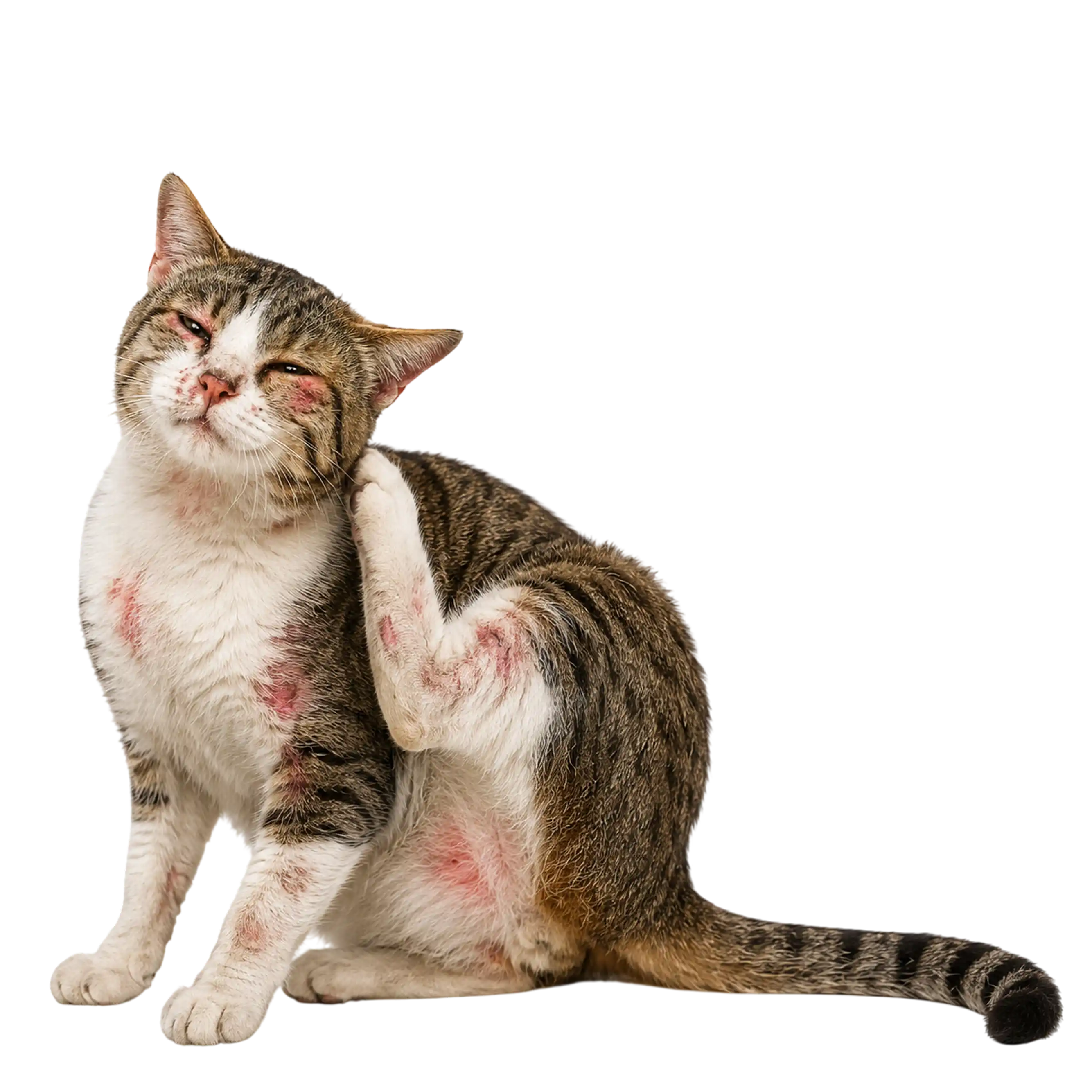
Common Types Of Cat Allergies
Understand different types of allergies in cats, their causes, symptoms, and treatment options with online vet consultation support.
Food Allergies
Certain protein ingredients like chicken, fish, dairy, or even grains may trigger allergic reactions in cats, causing vomiting, itching, digestive discomfort, skin irritation, hair loss, and recurring ear infections. Early treatment for cat allergies and diet management helps prevent worsening symptoms and improve your cat’s overall comfort and health.
Flea Allergies
Environmental Allergies
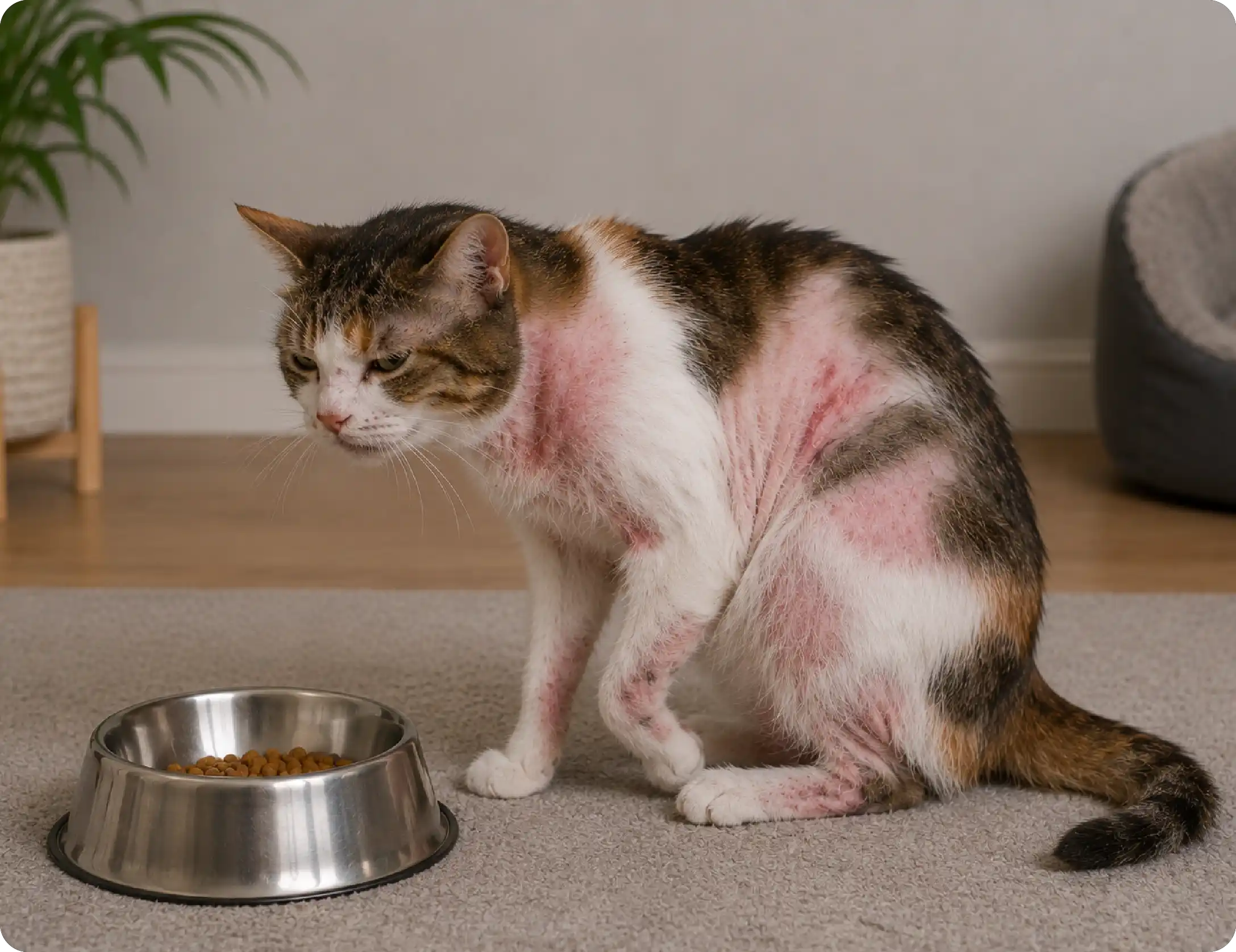
Food Allergies
Certain protein ingredients like chicken, fish, dairy, or even grains may trigger allergic reactions in cats, causing vomiting, itching, digestive discomfort, skin irritation, hair...
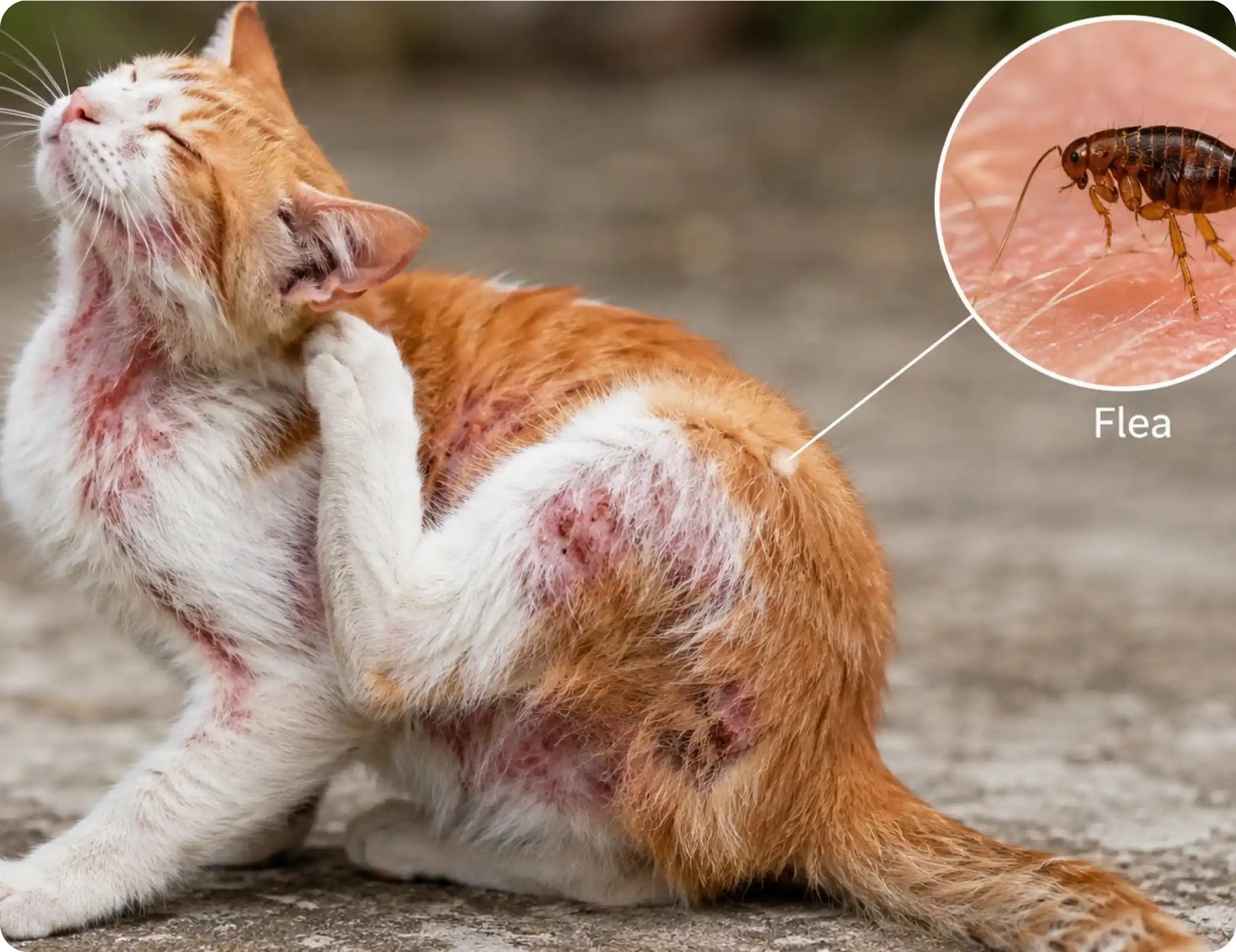
Flea Allergies
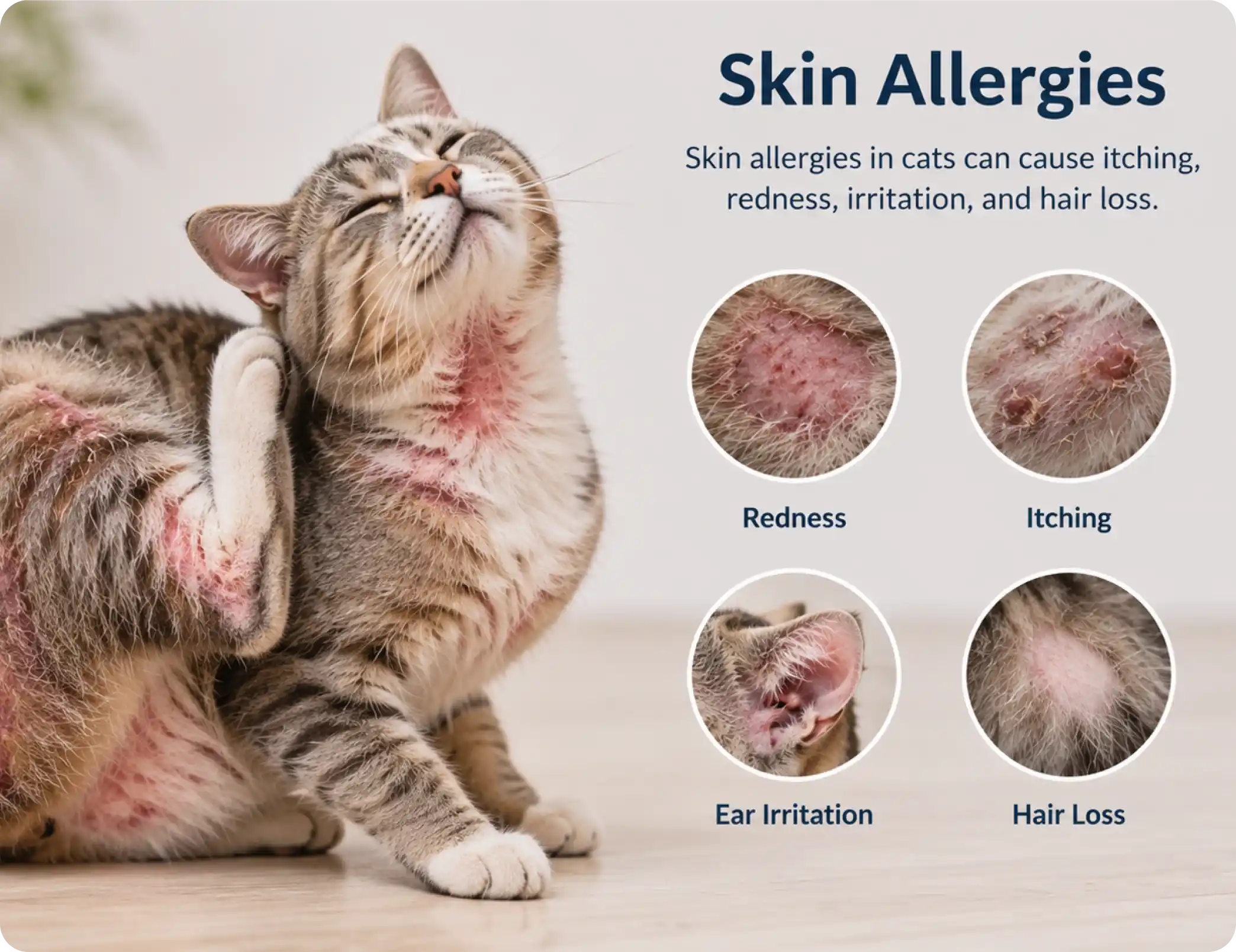
Flea allergies occur due to flea bites and saliva in cats. Even a single bite can lead to severe itching, excessive grooming, red & inflamed skin, hair loss, scabs, and painful cat...
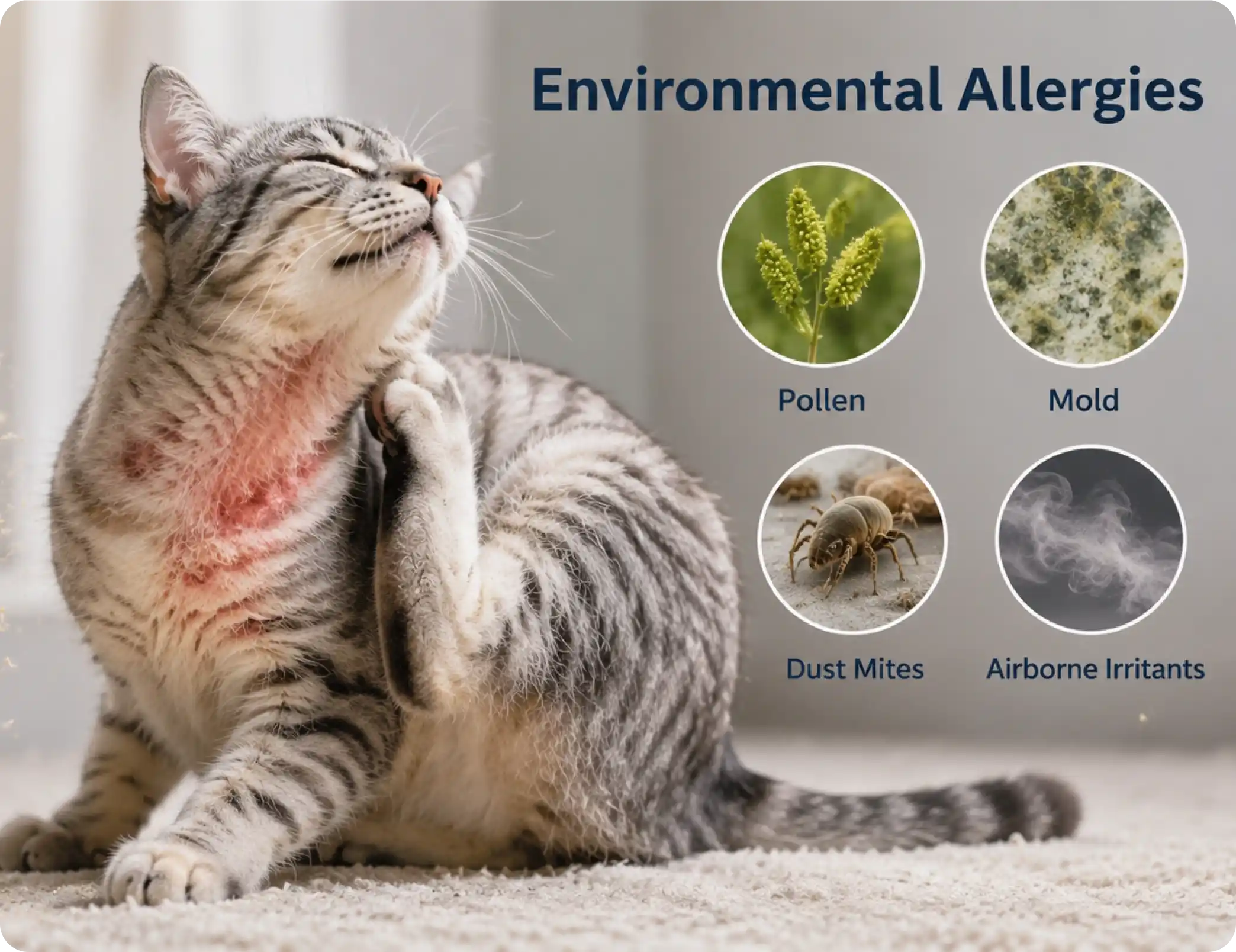
Environmental Allergies
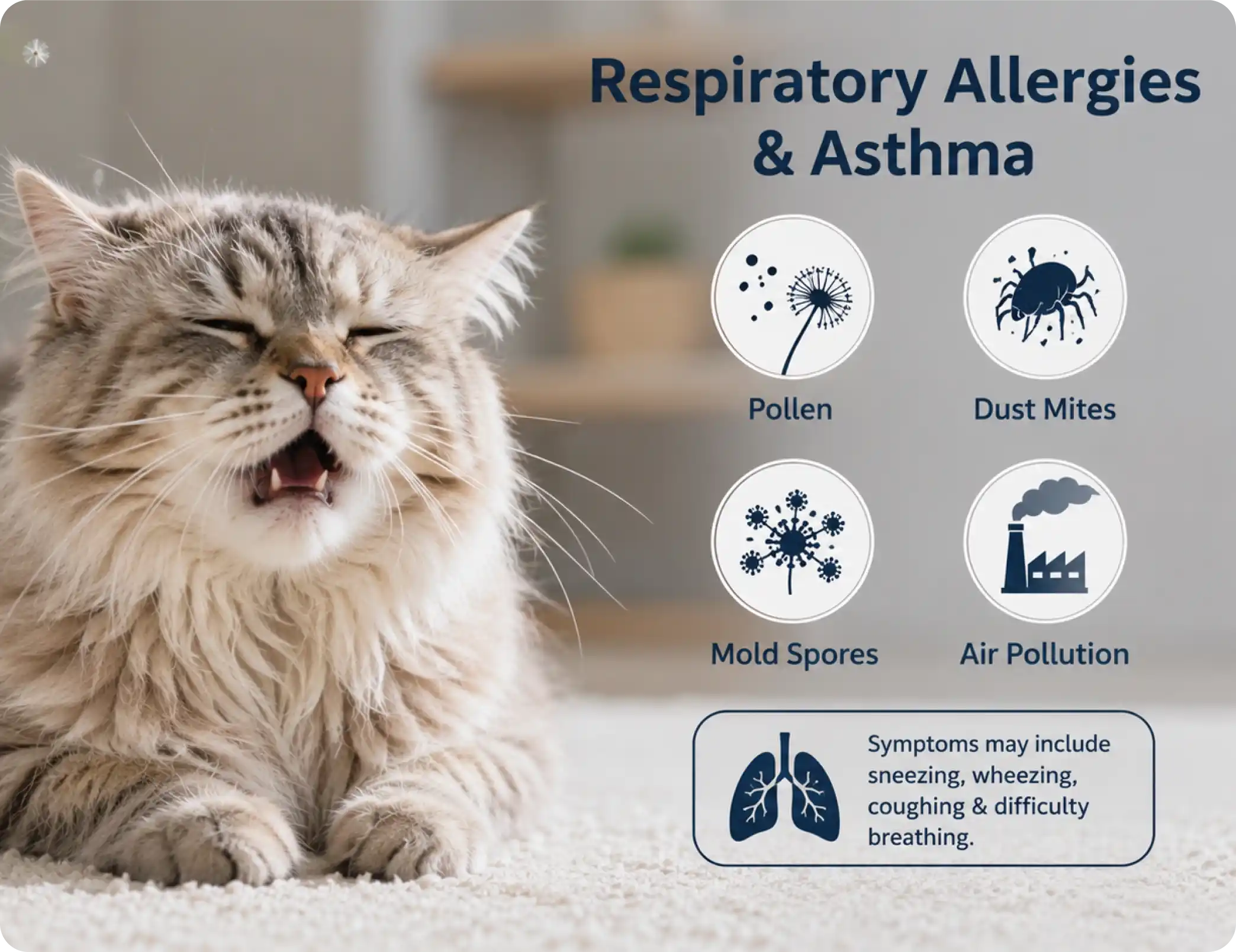
Environmental allergies or Atopic dermatitis in cats are triggered by pollen, mould, dust, smoke, perfumes, or seasonal allergens. Symptoms include sneezing, watery eyes, coughing,...
Common Signs Of Allergies In Cats
Even though cats can’t talk, their symptoms and behaviour can indicate underlying allergy and skin health problems.

Excessive Grooming
Cats may lick or groom themselves excessively to relieve itching, which leads to hair loss, redness, irritated skin and uncomfortable bald patches.

Red Or Irritated Skin
Allergies can make a cat’s skin red and inflamed, leading to excessive scratching, scabs, discomfort, irritation and skin infections.

Sneezing
Constant sneezing in cats indicates environmental allergies, which are triggered by dust, smoke, pollen, mould or even indoor irritants like perfumes.

Ear Scratching
Constant ear scratching also signals a cat skin allergy, ear mites or infection, inflammation or allergic reaction causing discomfort in the ears.
Excessive Grooming
Cats may lick or groom themselves excessively to relieve itching, which leads to hair loss, redness, irritated skin and uncomfortable bald patches.
Red Or Irritated Skin
Allergies can make a cat’s skin red and inflamed, leading to excessive scratching, scabs, discomfort, irritation and skin infections.
How Severe is Your Cat’s Allergy?
- Occasional scratching or grooming
- Mild sneezing or watery eyes
- Small bald patches or dry skin
- Mild ear irritation or licking
- Frequent grooming or scratching
- Red, irritated, or inflamed skin
- Noticeable hair thinning
- Recurring ear infections
- Sneezing & coughing
- Mild breathing discomfort
- Swollen face, eyes, or severe redness
- Difficulty breathing or wheezing episodes
- Open wounds or infected skin lesions
- Severe cat skin infection
- Sudden weakness
- Allergic shock reactions or anaphylaxis
When To Consult A Veterinarian?

Laboured or Rapid Breathing
Indicates severe allergic reactions or life-threatening cat asthma attacks.

Swollen Face or Eyes
Swollen muzzle, lips, or eyelids due to dangerous allergic reactions that require immediate veterinary attention.

Open Wounds or Bleeding Skin
Painful wounds and skin infections in cats leading to abscesses

Laboured or Rapid Breathing
Indicates severe allergic reactions or life-threatening cat asthma attacks.
Swollen Face or Eyes
Swollen muzzle, lips, or eyelids due to dangerous allergic reactions that require immediate veterinary attention.


Cat Allergy Prevention Tips

Wash Bedding Weekly
Clean your cat’s bedding regularly to remove dust, fur, dander, pollen, allergens, bacteria, and irritants that may trigger cat allergy symptoms indoors.

Regular Brushing
Regular brushing helps reduce loose fur, dandruff, allergens, and excessive grooming caused by itching or irritated skin in cats.

Maintain A Healthy Diet
A balanced diet supports skin health, strengthens immunity, and helps reduce food-related cat allergy symptoms and digestive discomfort naturally.

Keep Your Home Dust-Free
Reduce your cat’s exposure to dust, smoke, mould, and strong fragrances indoors to prevent environmental allergies and respiratory difficulties.
Wash Bedding Weekly
Clean your cat’s bedding regularly to remove dust, fur, dander, pollen, allergens, bacteria, and irritants that may trig...
Regular Brushing
Regular brushing helps reduce loose fur, dandruff, allergens, and excessive grooming caused by itching or irritated skin...
Veterinary Help In Just A Few Simple Steps
Install Conbun and create your pet’s profile so we can understand them better.
Describe symptoms, upload photos if needed, and get quick online pet health advice from verified vets.
Get connected with a certified veterinarian in under 30 seconds.



Related Cat Issues
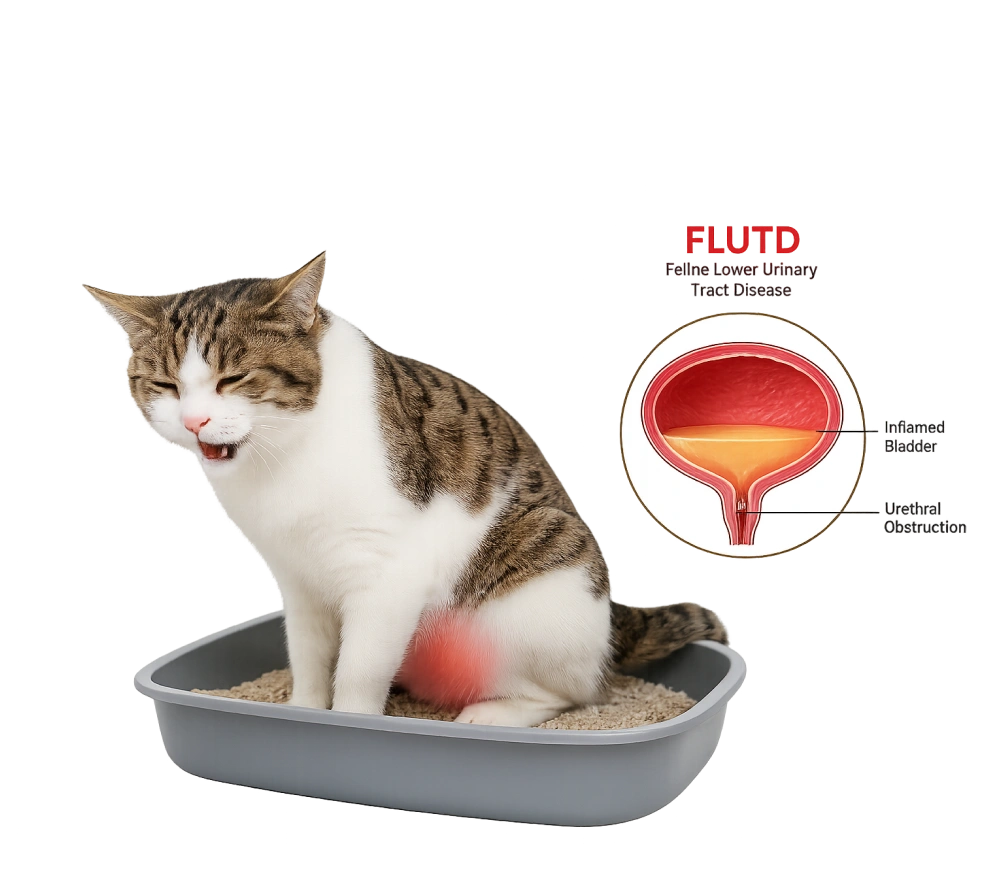
FLUTD
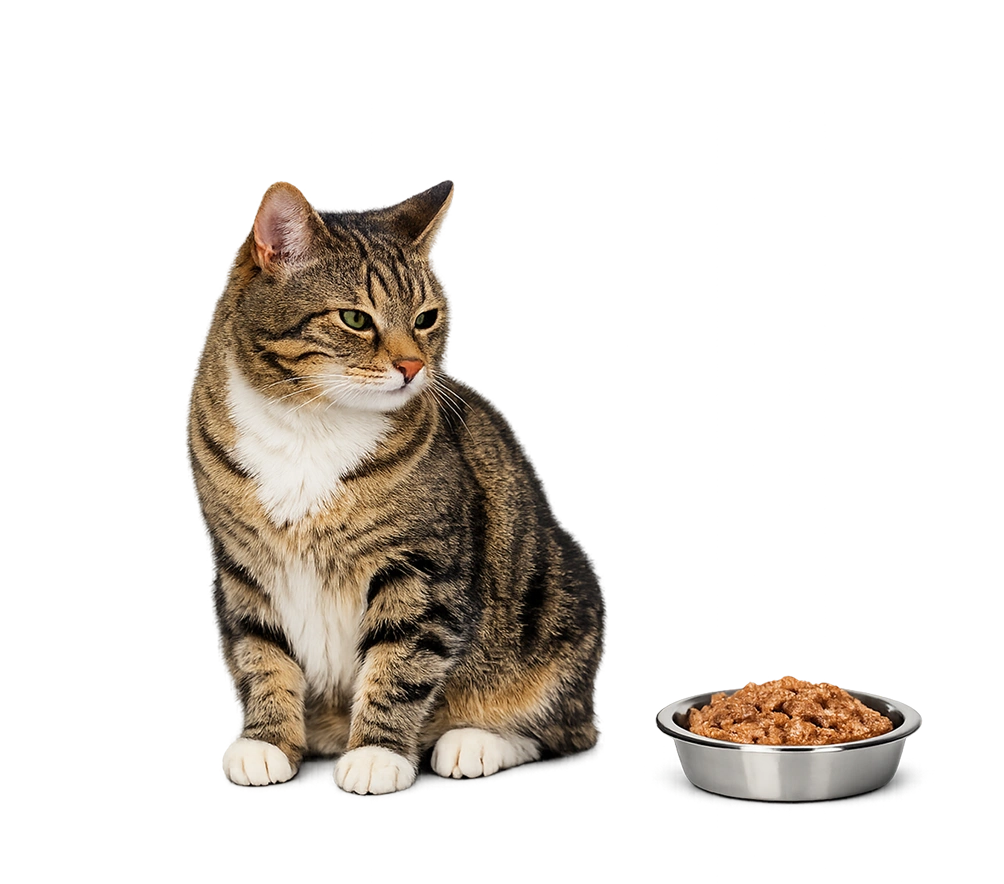
Not eating
Behaviour
Obesity
FLUTD
Not eating
Frequently Asked Questions
Cat allergies can be prevented by keeping your home clean, washing beddings regularly, reducing your cat’s exposure to dust and pollen, using flea prevention, and feeding a balanced diet. Regular grooming can also reduce cat skin allergy flare-ups and excessive shedding. Early cat allergy treatment and routine skin care can prevent symptoms from worsening.
Mild cat allergy symptoms may improve temporarily. However, most allergies do not disappear without proper care. In fact, untreated allergies can worsen and lead to skin infections, breathing problems, or chronic irritation. Proper cat allergy treatment, allergy management, and timely veterinary guidance help control symptoms of allergies in cats and improve their long-term comfort and health.
Cat allergies may be a result of a range of factors like food sensitivities, flea bites, pollen, dust, mould, smoke, perfumes, or environmental irritants. Some cats may even develop respiratory allergies or asthma due to seasonal allergens. These triggers can cause chronic itching, sneezing, skin irritation, excessive grooming, and breathing discomfort requiring structured treatment for cat allergy symptoms.
Yes, you can easily schedule an online vet appointment for your cat’s allergy through Conbun. Connect with experienced online vet doctors for cat allergy treatment, cat skin infection treatment, treatment for cat asthma, skin allergy medicine for cats, and personalised cat skin care plans from the comfort of your home.
Online Vet Consultation for Cat Allergies
Cat allergies lead to constant itching, sneezing, excessive grooming, skin irritation, hair loss, breathing discomfort, and recurring skin infections that affect your cat’s daily comfort and health. Conbun simplifies cat allergy treatment with instant online vet consultation from trusted online vet doctors. Download Conbun and get veterinary support for cat allergy symptoms, cat skin allergy treatment, treatment for cat asthma, and personalised cat allergy treatment at home, all from your phone. Whether your cat has environmental allergies, food allergies or respiratory difficulties, Conbun connects you with experienced veterinarians anytime. Schedule an online veterinary appointment through Conbun for fast, reliable, and stress-free cat care support.